Makes › Alfa Romeo › 512 · Prototype · 1940–1941 Ultra Rare
Alfa Romeo
512
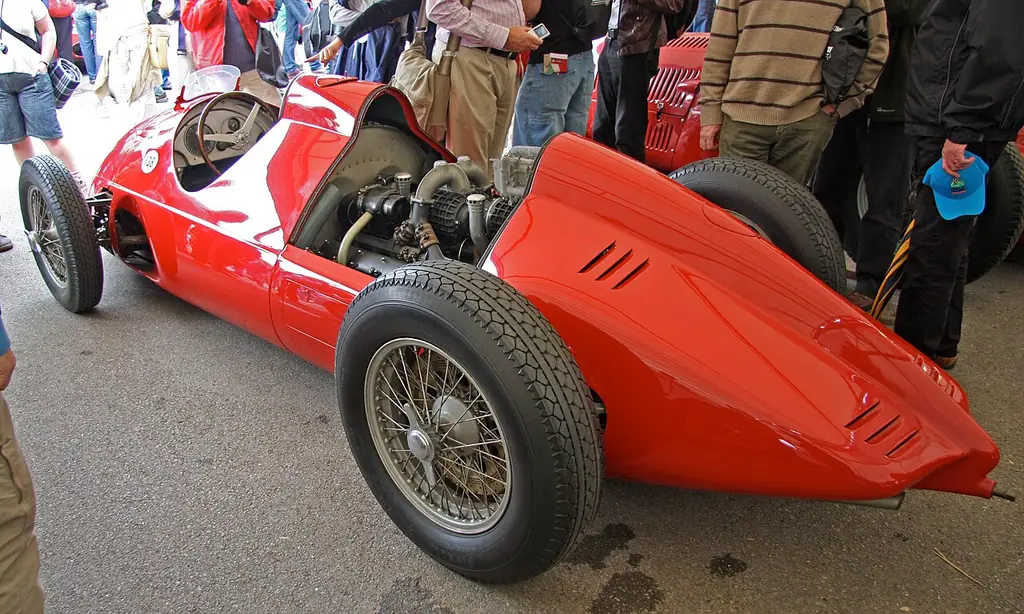
Ricart-designed mid-engined 1.5-litre flat-12 GP prototype
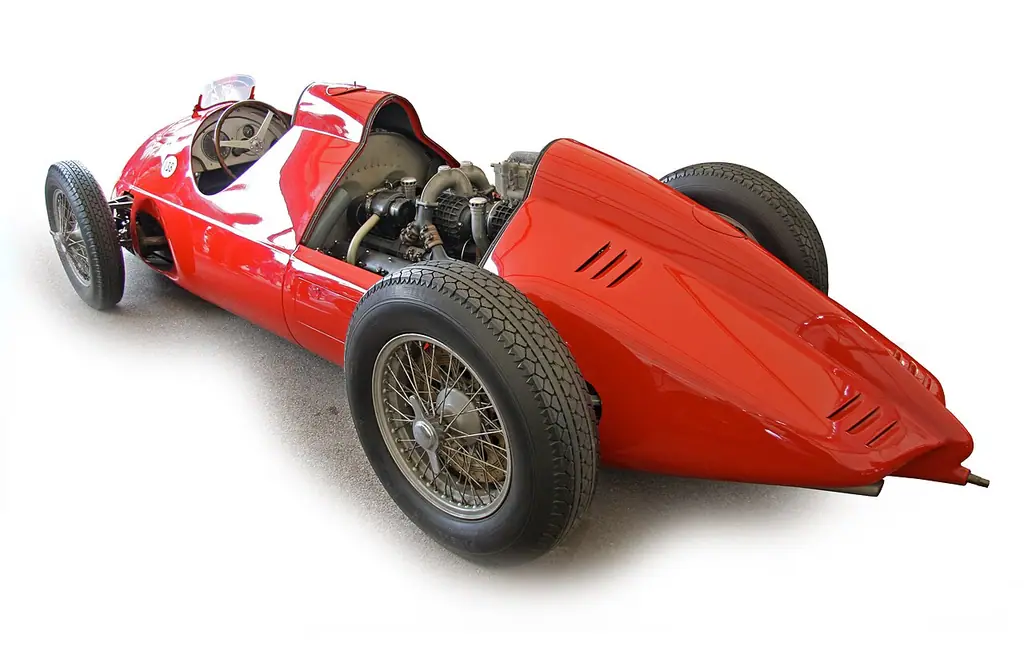
Photo: Brian Snelson from Hockley, Essex, England · CC BY-SA 4.0
Contents
01Overview
At a glance
- Built
- 3 Built
- Years
- 1940–1941
- Engine
- Rear-mounted, longitudinal flat-12 · 1,490 cc / 1.5 LFactory: 1,490 cc
- Power
- 246 kW / 335 PSFactory: 335 PS
- Top speed
- 300 km/hFactory: 300 km/h
- Body
- Not yet verified
- Designer
- Wifredo Ricart
- In this archive
- Not yet verified
- Surviving
- Not yet verified
Sources and any conflicting figures are in the sections below.
Why it matters
The Tipo 512 was Alfa Romeo's first mid-engined car, a 1940 Grand Prix design with a supercharged flat-12. It never raced because of the war, and the factory later chose to develop the Tipo 158 instead.
How rare is it?
Six separate kinds of rarity – never combined into one number.
Each kind of rarity is rated separately and never combined.
Photos
Exterior, interior and detail photos with their licences.
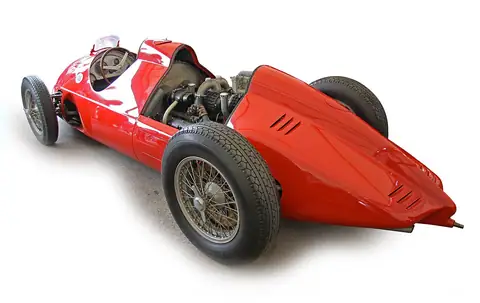 Alfa Romeo 512 (Wikimedia Commons: Alfa Romeo Tipo 512)
Photo: Brian Snelson from Hockley, Essex, England · CC BY-SA 4.0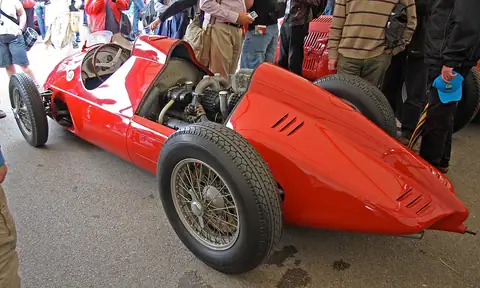 Alfa Romeo 512 (Wikimedia Commons: Alfa Romeo Tipo 512)
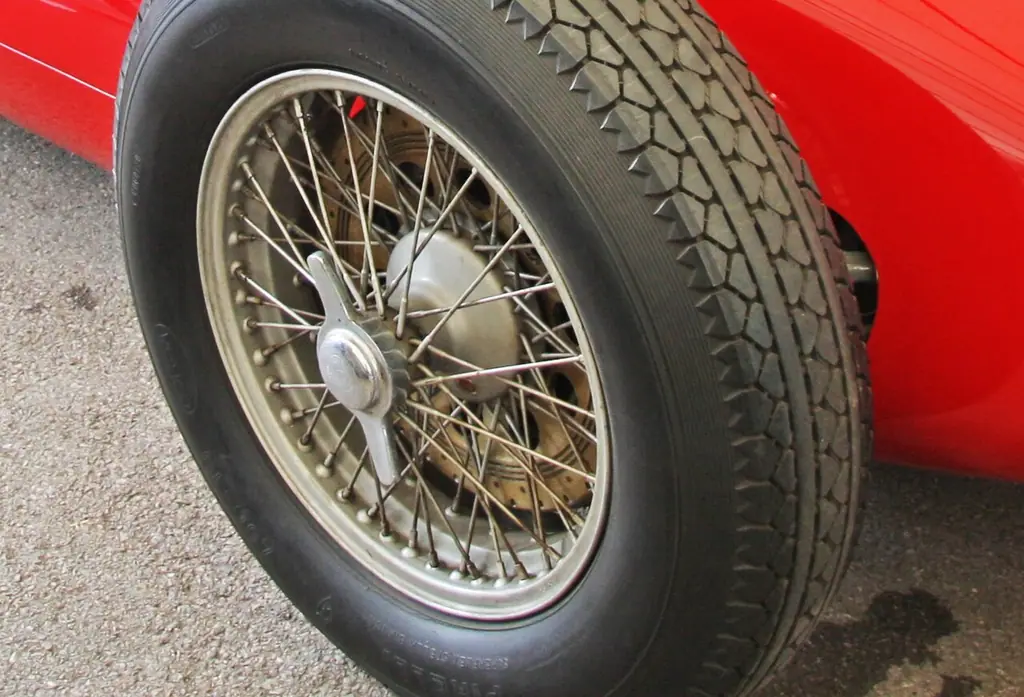
Photo: Brian Snelson from Hockley, Essex, England · CC BY 2.0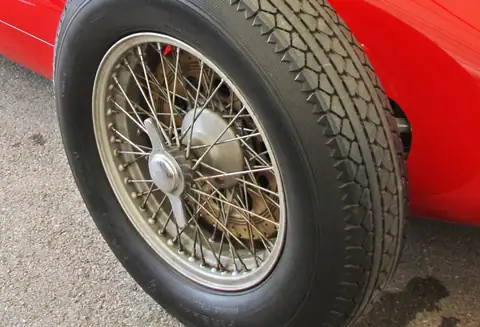 Alfa Romeo 512 (Wikimedia Commons: Alfa Romeo Tipo 512)
Photo: Brian Snelson · CC BY 2.0


02Production & history
Production
Every figure says what it counts.
| What is counted | Figure | Basis | Status |
|---|---|---|---|
| Total model productionMuseum states 3 produced, of which 2 were assembled | 31,2 | Factory production | Factory reported |
Independent counts (e.g. engine and colour) are never combined into a calculated figure. Surviving examples are never presented as original production.
History
Wifredo Ricart designed the car, which was completed as a design in 1940 as a replacement for earlier Grand Prix cars. Consalvo Sanesi first officially tested it at Monza on 12 September 1940 and was unhappy with its handling. Testing and development reportedly went on into 1943. The two prototypes were stored during the war and recovered afterwards, but they never raced.
Variants
How each version differs from the standard 512.
No variants documented yet. Have a source? Contribute it.
03Specifications
Technical specifications
Engine
| Engine family | Not yet verified |
|---|---|
| Engine code | Not yet verified |
| Layout | Rear-mounted, longitudinal flat-121 |
| Cylinders | 121 |
| Displacement | 1,490 cc / 1.5 LFactory: 1,490 cc1 |
| Bore | 54 mmFactory: 54 mm1 |
| Stroke | 54.2 mmFactory: 54.2 mm1 |
| Compression ratio | Not yet verified |
| Valvetrain | 2 valves per cylinder, 4 overhead camshafts, gear-driven; magnesium-alloy (elektron) monoblocks1 |
| Fuel system | One triple-choke carburettor, two magnetos, dry sump1 |
| Induction | Two-stage supercharger in series1 |
| Power | 246 kW / 335 PSFactory: 335 PS1Rating: manufacturerMuseum states CV, recorded as PS. |
| Power at | 8,600 rpm1 |
| Torque | Not yet verified |
Transmission & drivetrain
| Gearbox | Not yet verified |
|---|---|
| Gears | 51 |
| Driven wheels | Rear1 |
Chassis, body & dimensions
| Chassis | Welded tubular side members and cross members1 |
|---|---|
| Front suspension | Independent, wishbones, coil springs, hydraulic dampers, anti-roll bar1 |
| Rear suspension | De Dion rigid axle, upper triangle, longitudinal struts, hydraulic dampers1 |
| Brakes | Hydraulic servo-assisted disc brakes on all four wheels1 |
| Steering | Not yet verified |
| Body construction | Not yet verified |
| Wheelbase | 2,350 mmFactory: 2,350 mm1 |
| Length | 4,080 mmFactory: 4,080 mm1 |
| Width | 1,500 mmFactory: 1,500 mm1 |
| Height | 1,050 mmFactory: 1,050 mm1 |
| Front track | Not yet verified |
| Rear track | Not yet verified |
| Kerb weight | 710 kgFactory: 710 kg1Museum lists 'Peso' without stating the condition. |
| Dry weight | Not yet verified |
Performance
| Maximum speed | 300 km/hFactory: 300 km/h1Museum marks the figure as theoretical. |
|---|---|
| 0–100 km/h | Not yet verified |
| Fuel tank | Not yet verified |
“Not yet verified” means no source has been checked for that value yet. Nothing is estimated to fill a gap.
04Colours & options
Factory colours & interiors
Original paint and trim, with the number of cars in each where a source gives it.
Not yet documented. Have a source? Contribute it.
Factory options & codes
Codes are shown exactly as written by the manufacturer.
Not yet documented. Have a source? Contribute it.
05Individual cars
Chassis register
Every documented car, with its colours, history and where it is now. Open a row for the full record. Known chassis are not automatically authenticated originals.
Not yet documented. Have a source? Contribute it.
Competition history
Every race result of the individual cars, in date order. Click a chassis number to open its full record in the register.
Not yet documented. Have a source? Contribute it.
Auction & sale history
Documented public sales of the individual cars. Click a chassis number to open its full record in the register.
Not yet documented. Have a source? Contribute it.
See one in person
Museums where an example of this car can be seen.
No example is documented on public display yet. Have a source? Contribute it.
06Reference
Identification guide
How to tell an original from a replica or later conversion.
The 512 is recognisable by its rear flat-twelve (180 degree) DOHC engine with two-stage supercharging, a five-speed gearbox placed behind the rear axle and a fuel tank directly behind the driver, all in the manner of the Auto Union racers. The chassis is a twin-tube ladder or tubular frame with wishbones and torsion bars at the front and a de Dion axle with radius arms and Watts linkage at the rear.
Sources
Each number links to the exact facts it supports.
-
1
Museo Storico Alfa Romeo collection page: GP Tipo 512 Level A Museo Storico Alfa Romeo, Arese
- Vetture Prodotte 3, montate 2
- Posteriore, longitudinale, 12 cilindri contrapposti
- 12 cilindri contrapposti
- 1490 cc (54x54,2 mm)
- 4 alberi a camme in testa con comando a ingranaggi
- 1 carburatore a triplo corpo
- compressore a 2 stadi in serie
- 335 CV a 8600 giri/min.
- 5 marce + RM posteriore
- Trazione posteriore
- Longheroni e traverse tubolari saldati
- Anteriore: ruote indipendenti, quadrilateri trasversali
- ponte rigido De Dion
- a dischi sulle 4 ruote
- Passo: 2350 mm
- lunghezza: 4080 mm
- larghezza: 1500 mm
- altezza: 1050 mm
- Peso 710 kg
- 300 km/h (teorica)
-
2
1940 - 1941 Alfa Romeo 512 Specifications - Ultimatecarpage.com Level C
- 2 cars built
Keep exploring
More from Alfa Romeo
-
Alfa Romeo · 1988
164 ProCar
1 Built
-
Alfa Romeo · 1941
8C 2900B "Balena"
1 Built
-
Alfa Romeo · 1938
8C 2900B Le Mans Berlinetta (Touring)
1 Built
-
Alfa Romeo · 1968
Carabo (Bertone)
1 Built
See all 212 cars by Alfa Romeo →
More from Italy
-
Maserati · 1971–1972
Boomerang (Italdesign)
1 Built
-
Italdesign · 1988
Aztec
18 Built
-
Cagiva
Moke (1990-1992)
Production not yet verified
-
Ferrari
400i
Production not yet verified
62 other makes from ItalyAbarthACM AutomobiliAres DesignATSAuto Avio CostruzioniAutobianchiAznomB EngineeringBandiniBertoneBizzarriniBrixia-ZüstCagivaCarrozzeria Touring SuperleggeraCeiranoChiribiriCisitaliaCizetaColoniCoviniDallaraDe TomasoDiattoF.I.A.L. LegnanoFerrariFervesFiatFissoreFlorentiaGhiaInnocentiIntermeccanicaIsoIsotta FraschiniItalaItaldesignLaffiteLamborghiniLanciaMaseratiAll makes →