Makes › Alpine › A106 · Rare production · 1955 Very Rare
Alpine
A106
First Alpine, 4CV-based glass-fibre coupé.
Still being researched: full specifications. Everything shown is checked against the cited sources. Know more? Send us a source.
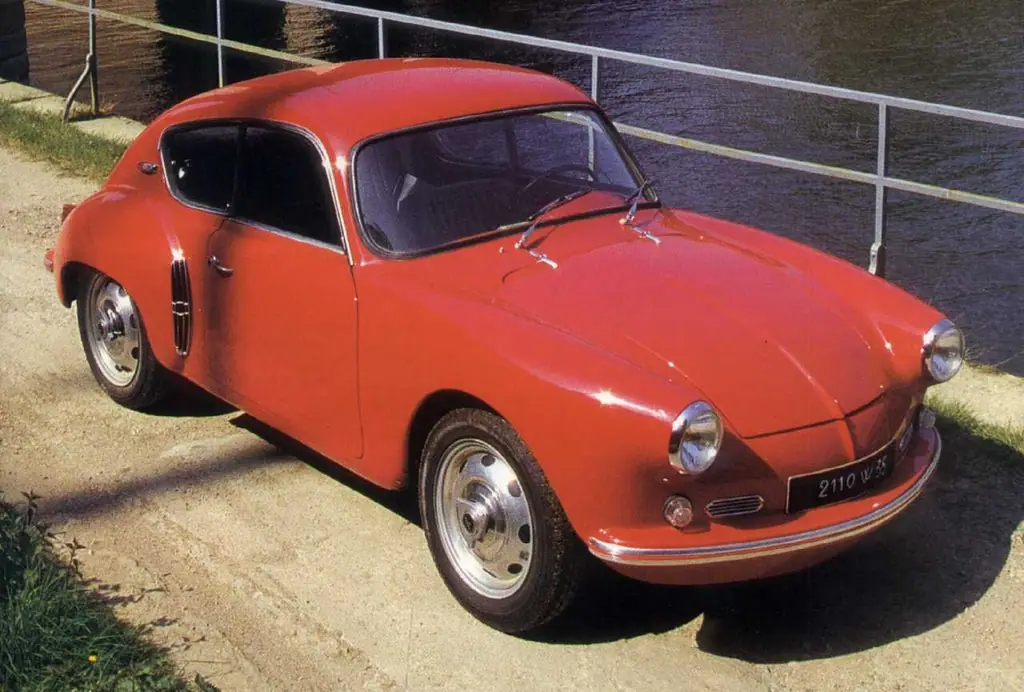
Photo: X-Ray91270 · Public domain

Contents
01Overview
At a glance
- Built
- 251 Built
- Years
- 1955
- Engine
- 747 cc / 0.7 LFactory: 747 cc
- Power
- 27.9 kW / 38 PSFactory: 38 PS
- Top speed
- Not yet verified
- Body
- Not yet verified
- Designer
- Chappe brothers (Chappe et Gressalin), who built the bodies
- In this archive
- Not yet verified
- Surviving
- 50 (independently researched)
Sources and any conflicting figures are in the sections below.
Why it matters
The A106 was the first production Alpine, a Renault 4CV-based fibreglass coupe that made Jean Rédélé's competition-bred company and became a favourite of French rally drivers.
How rare is it?
Six separate kinds of rarity – never combined into one number.
Each kind of rarity is rated separately and never combined.
02Production & history
Production
Every figure says what it counts.
| What is counted | Figure | Basis | Status |
|---|---|---|---|
| Total model productionabout 50 cars located of roughly 350 built (French and Belgian) | 501 | Surviving examples | Independently researched |
| Total model productionbodies made by Chappe up to 1960 (a further 40 built by Gillet in Belgium up to 1961; the same page also says roughly 350 cars in total) | 2511 | Factory production | Registry reported |
Independent counts (e.g. engine and colour) are never combined into a calculated figure. Surviving examples are never presented as original production.
History
Rédélé, a Renault dealer's son from Dieppe, began with 4CVs in rallies and had an aluminium body by Michelotti fitted to a 4CV platform. He then asked the Chappe brothers, who had fibreglass experience, to build a similar car from 1952 Michelotti sketches. The A106 was formally launched in July 1955 and won its class in the Mille Miglia and the Tour de France as well as in many rallies.
The name Alpine came from Rédélé's Coupe des Alpes win in 1954 with a 4CV. The number 106 probably referred to his class win in the 1953 Mille Miglia at an average of 106 km/h.
Variants
How each version differs from the standard A106.
No variants documented yet. Have a source? Contribute it.
03Specifications
Technical specifications
Engine
| Engine family | Not yet verified |
|---|---|
| Engine code | Not yet verified |
| Layout | Not yet verified |
| Displacement | 747 cc / 0.7 LFactory: 747 cc1 Independently researched |
| Bore | Not yet verified |
| Stroke | Not yet verified |
| Compression ratio | 9:11 Independently researched |
| Fuel system | Not yet verified |
| Power | 27.9 kW / 38 PSFactory: 38 PS1 Independently researched |
| Power at | Not yet verified |
| Torque | Not yet verified |
Transmission & drivetrain
| Gearbox | Not yet verified |
|---|---|
| Gears | Not yet verified |
| Driven wheels | Not yet verified |
Chassis, body & dimensions
| Chassis | Unmodified Renault 4CV platform frame1 Independently researched |
|---|---|
| Front suspension | Not yet verified |
| Rear suspension | Not yet verified |
| Brakes | Not yet verified |
| Steering | Not yet verified |
| Body construction | Not yet verified |
| Wheelbase | 2,100 mmFactory: 2,100 mm1 Independently researched |
| Length | 3.7 mFactory: 3.7 m1 Independently researched |
| Width | 1.45 mFactory: 1.45 m1 Independently researched |
| Height | 1.27 mFactory: 1.27 m1 Independently researched |
| Front track | Not yet verified |
| Rear track | Not yet verified |
| Kerb weight | 500 kgFactory: 500 kg1 Independently researchedDescribed as 500 kg light; not stated as dry or kerb. |
| Dry weight | Not yet verified |
Performance
| Maximum speed | Not yet verified |
|---|---|
| 0–100 km/h | Not yet verified |
| Fuel tank | Not yet verified |
“Not yet verified” means no source has been checked for that value yet. Nothing is estimated to fill a gap.
04Colours & options
Factory colours & interiors
Original paint and trim, with the number of cars in each where a source gives it.
Not yet documented. Have a source? Contribute it.
Factory options & codes
Codes are shown exactly as written by the manufacturer.
Not yet documented. Have a source? Contribute it.
05Individual cars
Chassis register
Every documented car, with its colours, history and where it is now. Open a row for the full record. Known chassis are not automatically authenticated originals.
Not yet documented. Have a source? Contribute it.
Competition history
Every race result of the individual cars, in date order. Click a chassis number to open its full record in the register.
Not yet documented. Have a source? Contribute it.
Auction & sale history
Documented public sales of the individual cars. Click a chassis number to open its full record in the register.
Not yet documented. Have a source? Contribute it.
See one in person
Museums where an example of this car can be seen.
No example is documented on public display yet. Have a source? Contribute it.
06Reference
Identification guide
How to tell an original from a replica or later conversion.
The A106 kept the unmodified platform chassis and many parts of the Renault 4CV: lights, dashboard, steering wheel, pedals and seats. The windscreen came from the Renault Frégate until 1957. The first body was steel and later production bodies were polyester. Chassis numbers indicate the model year: number 1 for 1955, 2 for 1956, 3 for 1957 and so on. Cars built under licence by Gillet in Belgium differ from the French ones in having external door hinges.
Sources
Each number links to the exact facts it supports.
-
1
Alpine A106 Level B Renault Alpine Club International (RACI) · 2008-03-26
- Bis 1960 werden dort 251 Karosserien gefertigt
- Von den ca. 350 Autos nur noch etwa 50 Exemplare ausfindig gemacht
- 747 ccm Motor mit 38 PS
- Verdichtung von 9:1
- unveränderten Plattformrahmen
- Radstand von 2'100 mm
- Länge von 3,70 m
- 1,45 m breit
- 1,27 m hoch
- 500 kg leichte Sportwagen
Keep exploring
More from Alpine
-
Alpine · 1963–1970
GT4 (1964-1969)
261 Built
-
Alpine
A110 GT4
278 Built
-
Alpine · 1990–1991
GTA Le Mans
325 Built
-
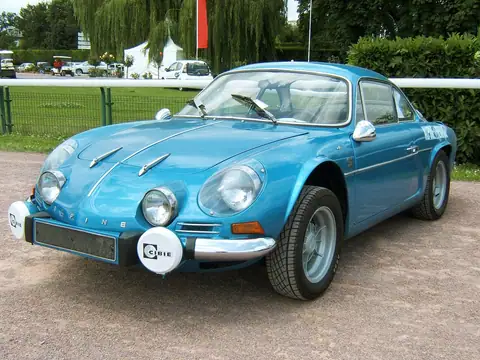
Alpine
A110 Berlinette (Dieppe, 1962-1977)
Production not yet verified
More from France
-
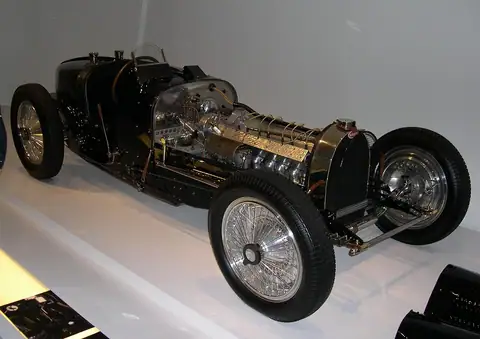
Bugatti · 1933–1936
Type 59 Grand Prix
6 Built
-
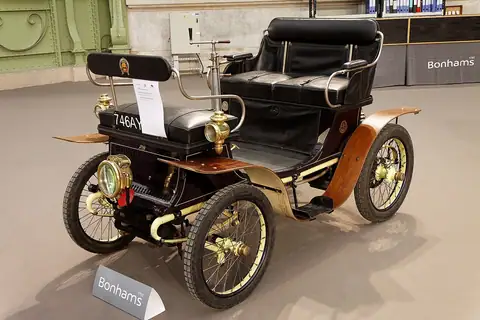
De Dion-Bouton
Vis-a-vis (Type E)
Production not yet verified
-
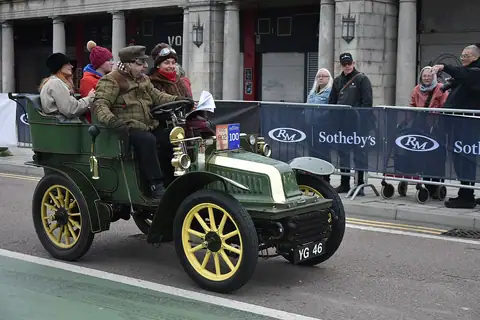
Delahaye
Type 0A
200 Built
-
Peugeot
Peugeot Type 15 (1897-1902)
Production not yet verified
70 other makes from FranceACMAAixamAlcatelAmilcarArzensAvions VoisinBACBallotBerlietBolloreBuccialiBugattiCGCharron, Girardot et VoigtChenard-WalckerCitroënClément-PanhardDAMSDarracqDBDB (Deutsch-Bonnet)De DietrichDe Dion-BoutonDe Dion, Bouton et TrépardouxDe La ChapelleDelageDelahayeDelaunay-BellevilleDerbyDSExagonFacel VegaFarmanFord FranceGentyGordiniHommellHopiumHotchkissJimenezAll makes →