Makes › Amilcar › C6 · Factory competition · 1926–1930 Ultra Rare
Amilcar
C6
Twin-cam supercharged 1.1-litre six-cylinder customer racing voiturette
Still being researched: full specifications. Everything shown is checked against the cited sources. Know more? Send us a source.
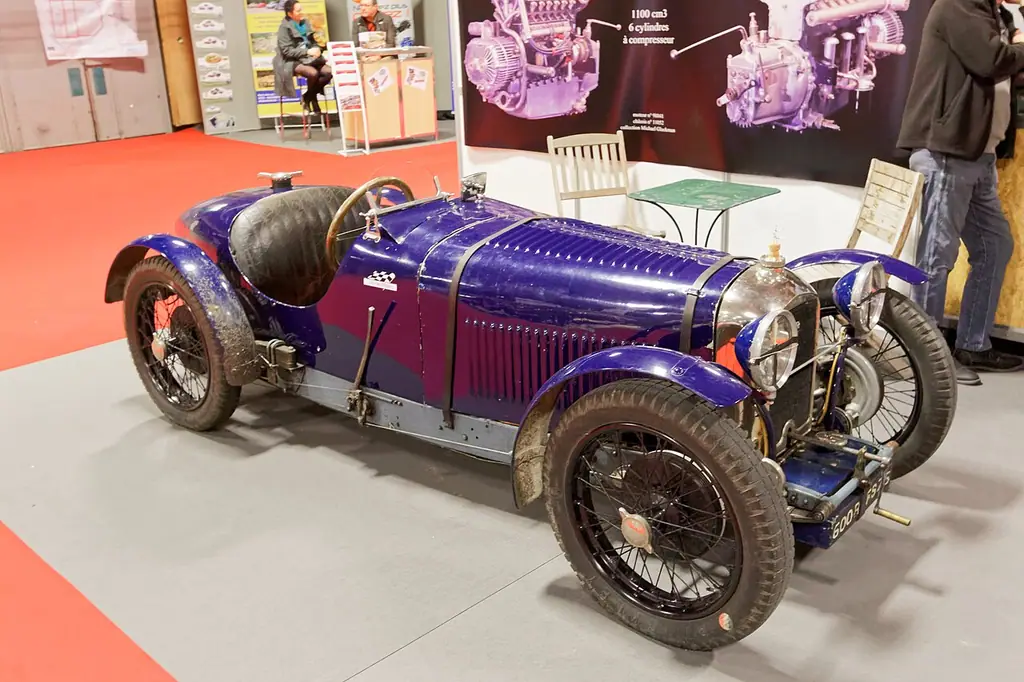
Photo: Thesupermat · CC BY-SA 4.0
Contents
01Overview
At a glance
- Built
- 40 Built
- Years
- 1926–1930
- Engine
- Supercharged six-cylinder, twin overhead camshafts
- Power
- 46.2 kW / 62.9 PSFactory: 62 hp · converted
- Top speed
- Not yet verified
- Body
- Not yet verified
- Designer
- Edmond Moyet
- In this archive
- Not yet verified
- Surviving
- Not yet verified
Sources and any conflicting figures are in the sections below.
Why it matters
The C6 was a road-legal version of Amilcar's supercharged six-cylinder racing voiturette, offering near-racing specification to private customers. Close to 40 were built and it cost more than a Bugatti Type 37, making it one of the most sophisticated small sports cars of the late 1920s.
How rare is it?
Six separate kinds of rarity – never combined into one number.
Each kind of rarity is rated separately and never combined.
Photos
Exterior, interior and detail photos with their licences.
 Amilcar C6 (Wikimedia Commons: Amilcar C6)
Photo: Thesupermat · CC BY-SA 4.0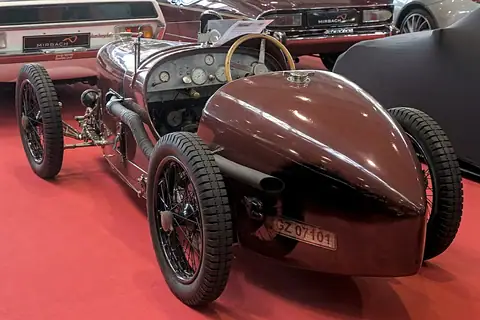 Amilcar C6 (Wikimedia Commons: Amilcar C6)
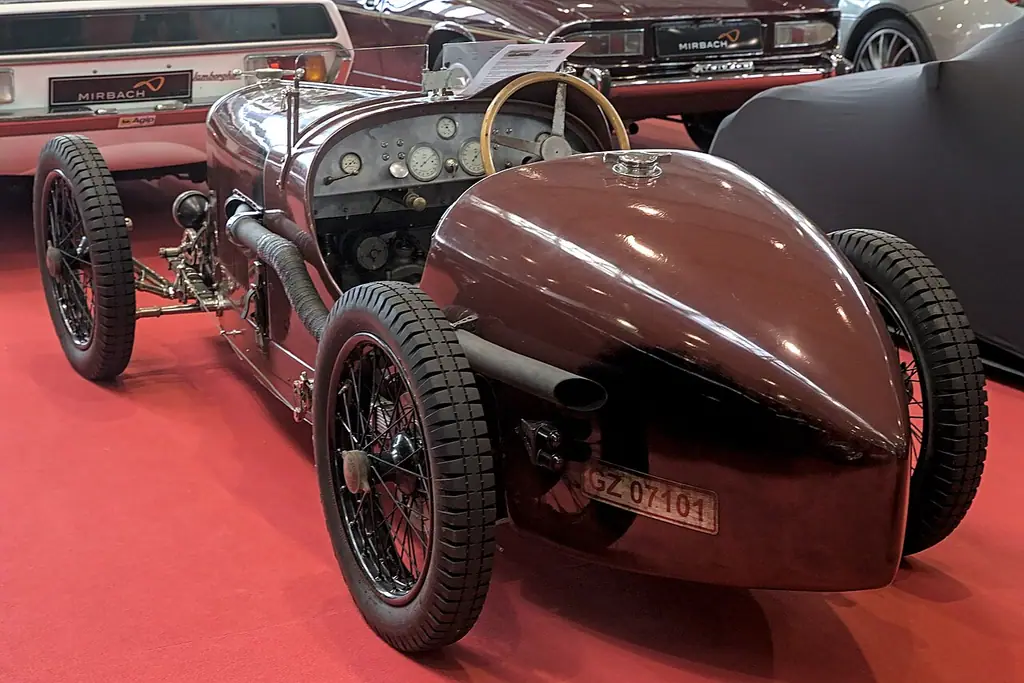
Photo: Alexander Migl · CC BY-SA 4.0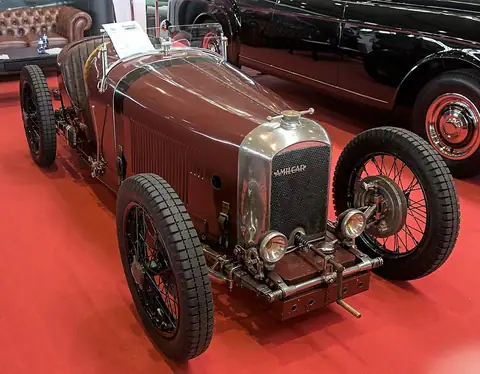 Amilcar C6 (Wikimedia Commons: Amilcar C6)
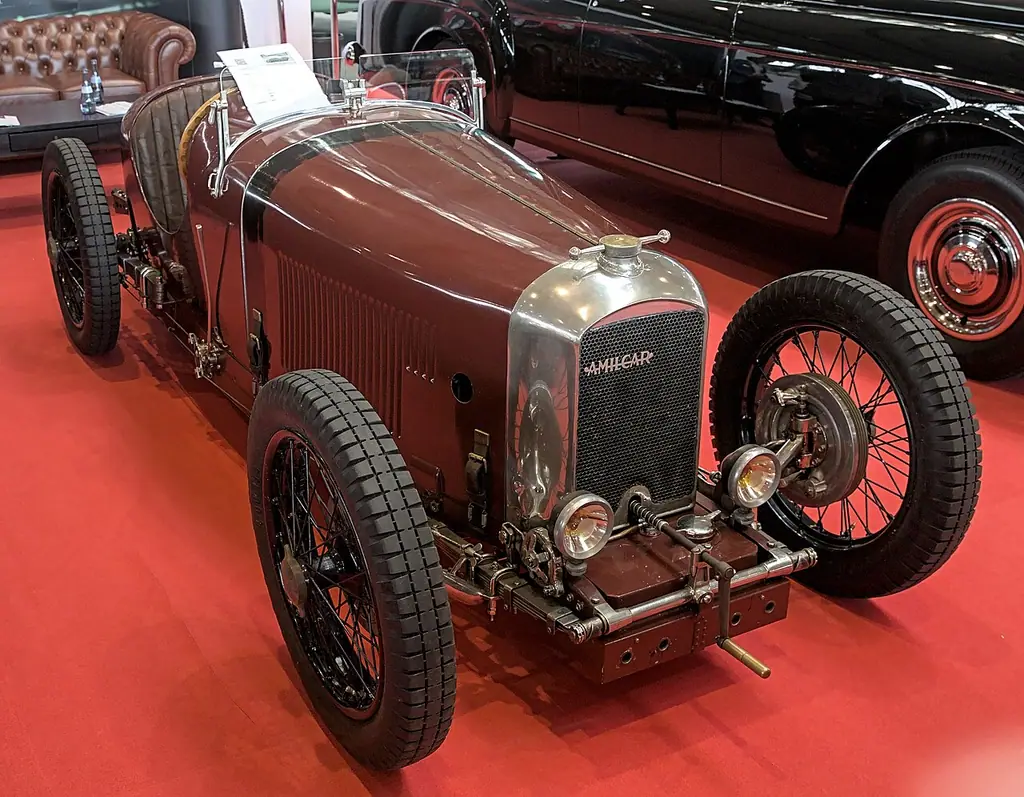
Photo: Alexander Migl · CC BY-SA 4.0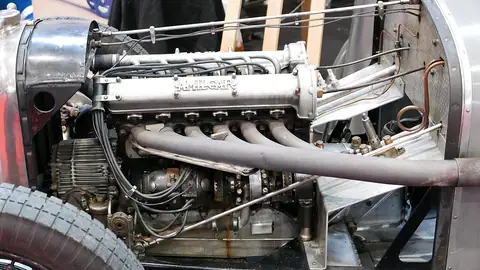 Amilcar C6 (Wikimedia Commons: Amilcar C6)
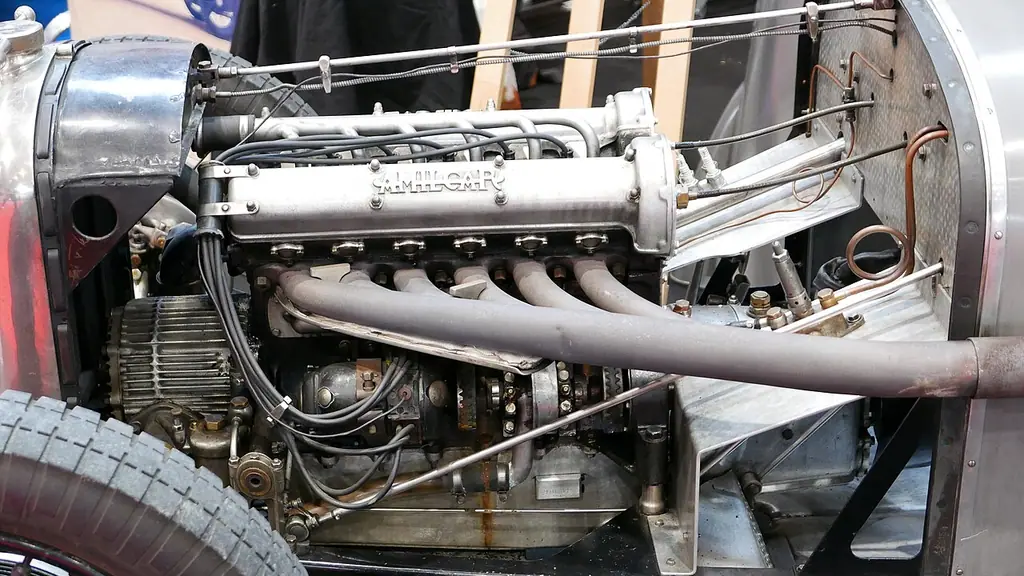
Photo: Finoskov · CC BY-SA 4.0


02Production & history
Production
Every figure says what it counts.
| What is counted | Figure | Basis | Status |
|---|---|---|---|
| Total model production'close on 40' six-cylinder cars (goldenera.fi: 30–40) | 401 | Factory production | Independently researched |
Independent counts (e.g. engine and colour) are never combined into a calculated figure. Surviving examples are never presented as original production.
History
Developed by chief engineer Edmond Moyet from Amilcar's six-cylinder racing car, the C6 chassis was shown at the 1926 Paris Salon and production examples became available in mid-1927. Sold only as a two-seater Supersport, it used a shorter but wider version of the racing chassis and a supercharged six on reduced boost. Most were sold in France, seven went to the UK, and the last was sold in 1931; privateers raced them with success into the early 1930s.
Variants
How each version differs from the standard C6.
No variants documented yet. Have a source? Contribute it.
03Specifications
Technical specifications
Engine
| Engine family | Not yet verified |
|---|---|
| Engine code | Not yet verified |
| Layout | Supercharged six-cylinder, twin overhead camshafts2 Independently researched |
| Displacement | Not yet verified |
| Bore | 56 mmFactory: 56 mm2 Independently researched |
| Stroke | 74 mmFactory: 74 mm2 Independently researched |
| Compression ratio | Not yet verified |
| Fuel system | Not yet verified |
| Induction | Roots-type supercharger (8.4 psi on C6)2 Independently researched |
| Power | 46.2 kW / 62.9 PSFactory: 62 hp · converted2Source states bhp. |
| Power at | 5,600 rpm2 |
| Torque | Not yet verified |
Transmission & drivetrain
| Gearbox | Not yet verified |
|---|---|
| Gears | Not yet verified |
| Driven wheels | Not yet verified |
Chassis, body & dimensions
| Chassis | Not yet verified |
|---|---|
| Front suspension | Not yet verified |
| Rear suspension | Not yet verified |
| Brakes | Not yet verified |
| Steering | Not yet verified |
| Body construction | Not yet verified |
| Wheelbase | Not yet verified |
| Length | Not yet verified |
| Width | Not yet verified |
| Height | Not yet verified |
| Front track | Not yet verified |
| Rear track | Not yet verified |
| Kerb weight | Not yet verified |
| Dry weight | Not yet verified |
Performance
| Maximum speed | Not yet verified |
|---|---|
| 0–100 km/h | Not yet verified |
| Fuel tank | Not yet verified |
“Not yet verified” means no source has been checked for that value yet. Nothing is estimated to fill a gap.
04Colours & options
Factory colours & interiors
Original paint and trim, with the number of cars in each where a source gives it.
Not yet documented. Have a source? Contribute it.
Factory options & codes
Codes are shown exactly as written by the manufacturer.
Not yet documented. Have a source? Contribute it.
05Individual cars
Chassis register
Every documented car, with its colours, history and where it is now. Open a row for the full record. Known chassis are not automatically authenticated originals.
Not yet documented. Have a source? Contribute it.
Competition history
Every race result of the individual cars, in date order. Click a chassis number to open its full record in the register.
Not yet documented. Have a source? Contribute it.
Auction & sale history
Documented public sales of the individual cars. Click a chassis number to open its full record in the register.
Not yet documented. Have a source? Contribute it.
See one in person
Museums where an example of this car can be seen.
No example is documented on public display yet. Have a source? Contribute it.
06Reference
Identification guide
How to tell an original from a replica or later conversion.
Original chassis number plates were often lost, so individual C6s are generally identified by their documented history and major modifications rather than by plates alone.
Sources
Each number links to the exact facts it supports.
-
1
Motor Sport, June 2004 – 'Small cars, big ideas' Level B
- 40 'close on 40' six-cylinder cars (goldenera.fi: 30–40)
-
2
Small cars, big ideas (June 2004) Level B Motor Sport
- six-cylinder; Roots-type supercharger
- revised to 56x74mm
- reduced boost of 8.4psi
- 62bhp at 5600rpm on a reduced boost
- 62bhp at 5600rpm
Keep exploring
More from Amilcar
-
Amilcar
Compound
681 Built
-
Amilcar · 1927–1929
CGSS
984 Built
-
No licensed photo yet
Amilcar · 1928
MCO record car
2 Built
-
No licensed photo yet
Amilcar · 1927–1928
CO déporté (offset single-seater)
3 Built
More from France
-
Peugeot
309 Goodwood (1990s)
Production not yet verified
-
Alpine · 1990–1991
GTA Le Mans
325 Built
-
Voisin
C 24
Production not yet verified
-
Matra · 1969
MS80
Production not yet verified
70 other makes from FranceACMAAixamAlcatelAlpineArzensAvions VoisinBACBallotBerlietBolloreBuccialiBugattiCGCharron, Girardot et VoigtChenard-WalckerCitroënClément-PanhardDAMSDarracqDBDB (Deutsch-Bonnet)De DietrichDe Dion-BoutonDe Dion, Bouton et TrépardouxDe La ChapelleDelageDelahayeDelaunay-BellevilleDerbyDSExagonFacel VegaFarmanFord FranceGentyGordiniHommellHopiumHotchkissJimenezAll makes →