Makes › Bill Thomas › Cheetah · Factory competition · 1963–1964 Ultra Rare
Bill Thomas
Cheetah
Chevrolet-powered GT racer built by Bill Thomas Race Cars
Still being researched: full specifications. Everything shown is checked against the cited sources. Know more? Send us a source.
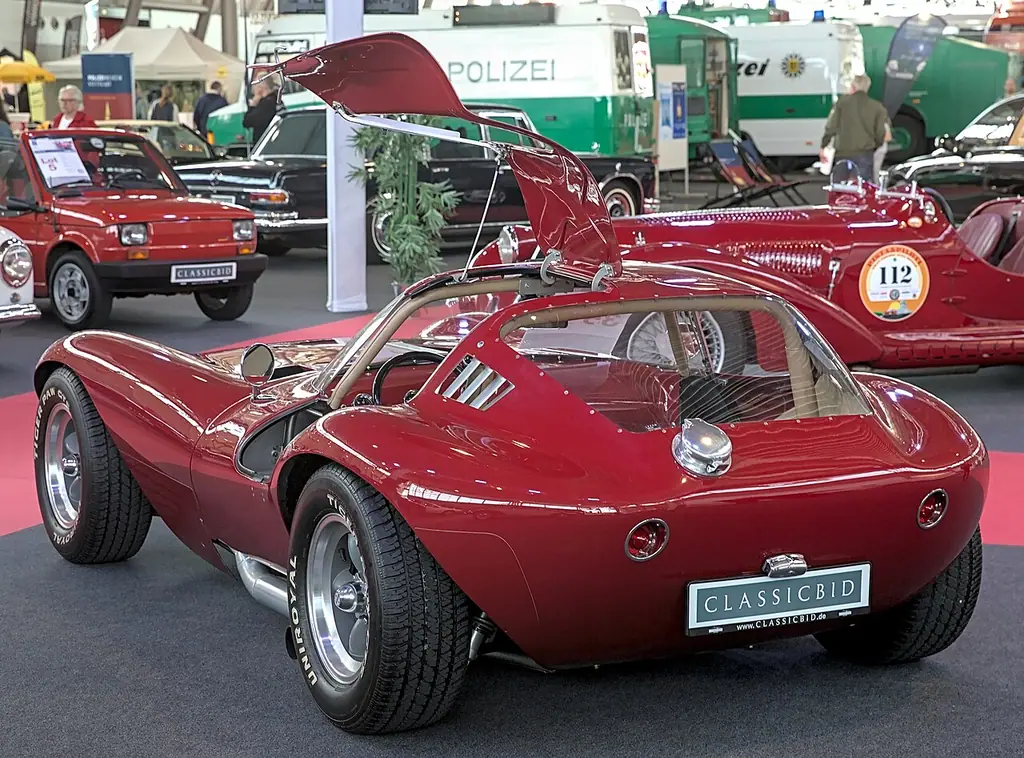
Photo: Alexander Migl · CC BY-SA 4.0
Contents
01Overview
At a glance
- Built
- 11 Built
- Years
- 1963–1964
- Engine
- Front-mounted Chevrolet small-block V8 · 5,360 cc / 5.4 LFactory: 327 cu in · converted
- Power
- Not yet verified
- Top speed
- Not yet verified
- Body
- Not yet verified
- Designer
- Bill Thomas (Don Edmonds chief fabricator on the first car)
- In this archive
- Not yet verified
- Surviving
- Not yet verified
Sources and any conflicting figures are in the sections below.
Why it matters
The Cheetah was Bill Thomas's Chevrolet-backed answer to the Shelby Cobra: a very light, front-engined small-block GT car built for SCCA and FIA racing. Only eleven originals were made before an FIA rule change ended the programme, which makes them far rarer than the later continuation cars.
How rare is it?
Six separate kinds of rarity – never combined into one number.
Each kind of rarity is rated separately and never combined.
Photos
Exterior, interior and detail photos with their licences.
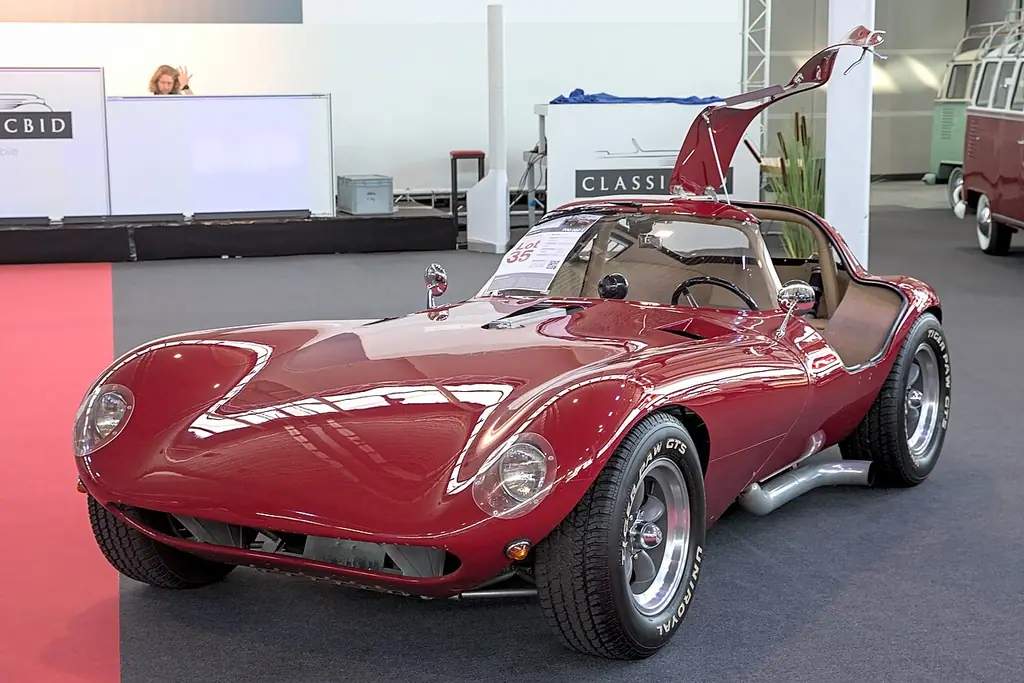
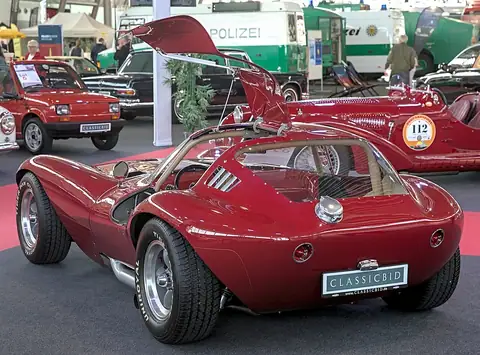 Bill Thomas Cheetah (Wikimedia Commons: Bill Thomas Cheetah vehicles)
Photo: Alexander Migl · CC BY-SA 4.0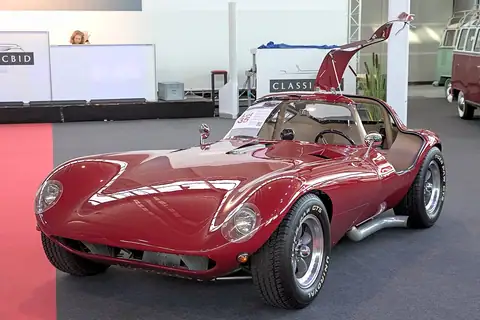 Bill Thomas Cheetah (Wikimedia Commons: Bill Thomas Cheetah vehicles)
Photo: Alexander Migl · CC BY-SA 4.0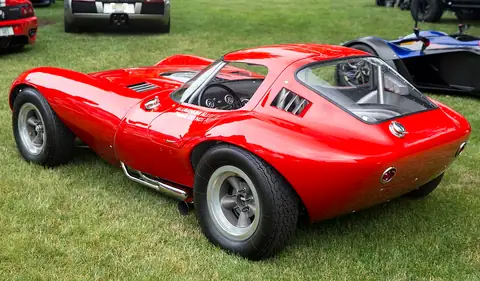 Bill Thomas Cheetah (Wikimedia Commons: Bill Thomas Cheetah vehicles)
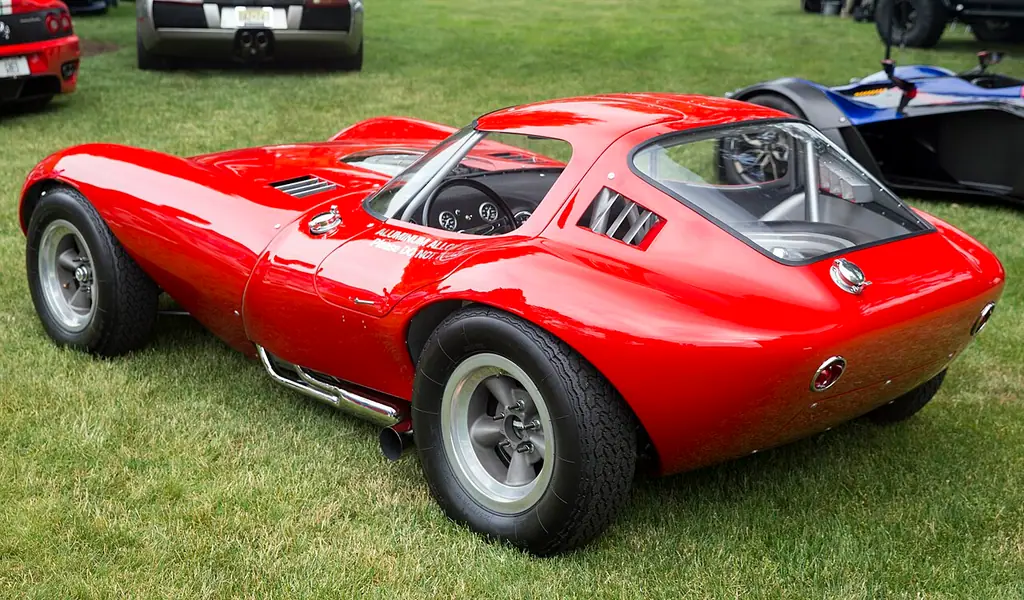
Photo: Mr.choppers · CC BY-SA 3.0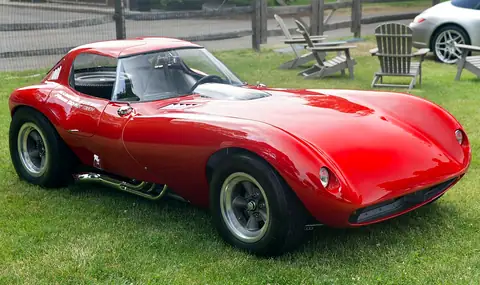 Bill Thomas Cheetah (Wikimedia Commons: Bill Thomas Cheetah vehicles)
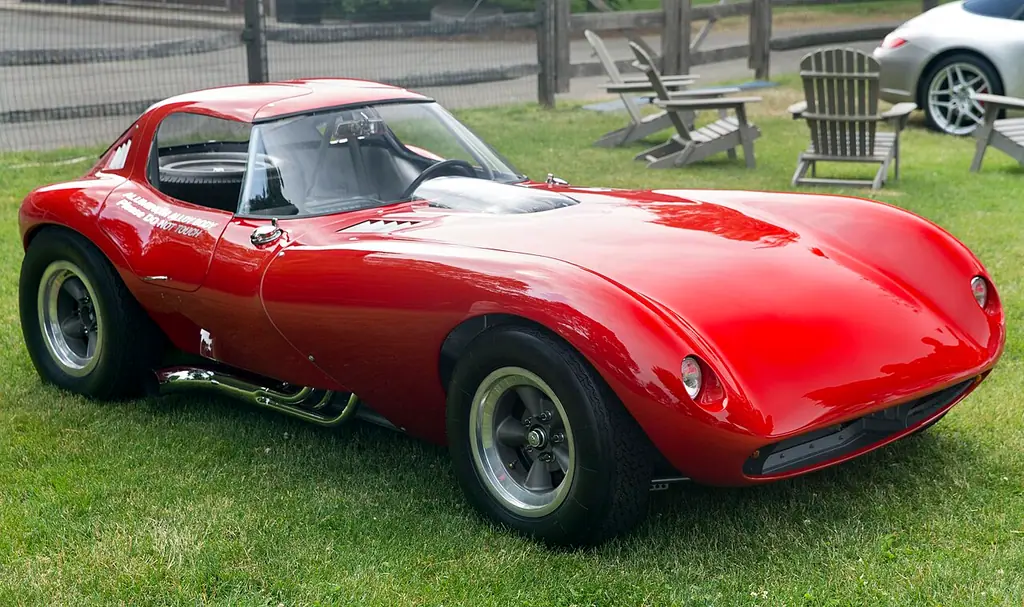
Photo: Mr.choppers · CC BY-SA 3.0


02Production & history
Production
Every figure says what it counts.
| What is counted | Figure | Basis | Status |
|---|---|---|---|
| Total model productionoriginal cars built Apr 1963–May 1964 (later continuation cars excluded) | 111,2 | Factory production | Independently researched |
Independent counts (e.g. engine and colour) are never combined into a calculated figure. Surviving examples are never presented as original production.
History
Southern California tuner Bill Thomas built the Cheetah with Chevrolet technical support, with Don Edmonds as chief fabricator on the first car. A 327 cu in small-block sat in a 4130 chromoly tube frame with Corvette-type differential and independent rear suspension, giving a race weight of about 1,500 lb. Eleven cars were built between April 1963 and May 1964; production stopped when the FIA raised the GT homologation minimum from 100 to 1,000 cars for 1965. A 1965 shop fire, long blamed for the end, did little damage.
Variants
How each version differs from the standard Cheetah.
No variants documented yet. Have a source? Contribute it.
03Specifications
Technical specifications
Engine
| Engine family | Not yet verified |
|---|---|
| Engine code | Not yet verified |
| Layout | Front-mounted Chevrolet small-block V83 Independently researched |
| Displacement | 5,360 cc / 5.4 LFactory: 327 cu in · converted3 Independently researched |
| Bore | Not yet verified |
| Stroke | Not yet verified |
| Compression ratio | Not yet verified |
| Fuel system | Chevrolet-based (Rochester) mechanical fuel injection4,1 Independently researchedOne race car initially used cross-ram Weber carburettors (S1). |
| Power | Not yet verified |
| Power at | Not yet verified |
| Torque | Not yet verified |
Transmission & drivetrain
| Gearbox | Muncie four-speed manual3 Independently researched |
|---|---|
| Gears | Not yet verified |
| Driven wheels | Rear-wheel drive4 Independently researched |
Chassis, body & dimensions
| Chassis | 4130 chromoly tube frame (1⅛ in x 0.063 in tubing)3 Independently researched |
|---|---|
| Front suspension | Not yet verified |
| Rear suspension | Corvette-based independent rear suspension4 Independently researched |
| Brakes | Chevrolet drum brakes on all four wheels1 Independently researched |
| Steering | Not yet verified |
| Body construction | Two aluminium prototype bodies, then fibreglass bodies over the tube frame4 Independently researched |
| Wheelbase | 2,290 mmFactory: 90 in · converted4 Independently researched |
| Length | Not yet verified |
| Width | Not yet verified |
| Height | Not yet verified |
| Front track | Not yet verified |
| Rear track | Not yet verified |
| Kerb weight | Not yet verified |
| Dry weight | 680 kgFactory: 1,500 lb · converted4 Independently researchedS1 mentions 1700 lb total weight for the fully optioned Stage 3 race car. |
Performance
| Maximum speed | Not yet verified |
|---|---|
| 0–100 km/h | Not yet verified |
| Fuel tank | Not yet verified |
“Not yet verified” means no source has been checked for that value yet. Nothing is estimated to fill a gap.
04Colours & options
Factory colours & interiors
Original paint and trim, with the number of cars in each where a source gives it.
Not yet documented. Have a source? Contribute it.
Factory options & codes
Codes are shown exactly as written by the manufacturer.
Not yet documented. Have a source? Contribute it.
05Individual cars
Chassis register
Every documented car, with its colours, history and where it is now. Open a row for the full record. Known chassis are not automatically authenticated originals.
Not yet documented. Have a source? Contribute it.
Competition history
Every race result of the individual cars, in date order. Click a chassis number to open its full record in the register.
Not yet documented. Have a source? Contribute it.
Auction & sale history
Documented public sales of the individual cars. Click a chassis number to open its full record in the register.
Not yet documented. Have a source? Contribute it.
See one in person
Museums where an example of this car can be seen.
No example is documented on public display yet. Have a source? Contribute it.
06Reference
Identification guide
How to tell an original from a replica or later conversion.
Only the eleven cars built in 1963–64 are originals. Continuation cars (22 built, ending 2009) were reverse-engineered from an original, use new body, interior and frame tooling with thicker-wall frame tubing, and came with a certificate signed by Bill Thomas. Evolution cars by Craig Ruth use a 1½-inch round-tube frame and a different body.
Sources
Each number links to the exact facts it supports.
-
1
Cheetah history / production Level B cheetahcars.com, via Wayback Machine
- We can document that 11 cars were completed.
- delivered with drum brakes and Fuel Injection
- delivered with drum brakes
-
2
Cheetah: The Legendary Chevy-Powered Road Racer – Chevy Hardcore Level B
- 11 original cars built Apr 1963–May 1964 (later continuation cars excluded)
-
3
Cheetah: The Legendary Hardcore Chevy-Powered Road Racer Level B Chevy Hardcore
- Chevrolet small-block V8 displacing 327 cubic inches
- 327 cubic inches
- A Muncie four-speed gearbox
- chromoly (4130) tube frame, 1 1/8-inch diameter, 0.063-inch wall
-
4
Once-lost Super Cheetah prototype, discovered in garage after 40 years, now for sale Level C Hemmings Daily · 2013-06-13
- expert in tuning Chevrolet's Rochester fuel-injection systems
- Corvette drivetrain components, including the independent rear suspension
- including the Corvette's independent rear suspension
- first two prototype bodies in aluminum ... the rest were built from fiberglass
- custom chassis with a 90-inch wheelbase
- dropped the Cheetah's weight down to around 1,500 pounds
Keep exploring
More from Bill Thomas
This is the only Bill Thomas documented so far.
See all 1 car by Bill Thomas →
More from United States
-
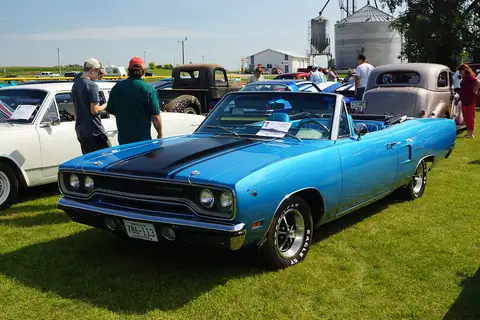
Plymouth · 1969–1970
Road Runner Convertible (1969–1970)
834 Built
-
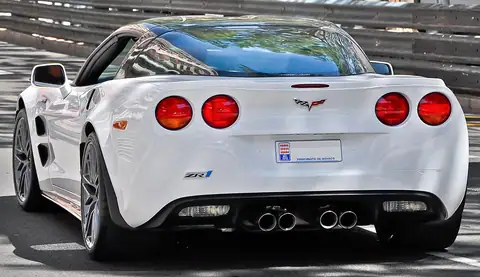
Chevrolet · 2009–2013
Corvette ZR1 (C6)
4,684 Built
-
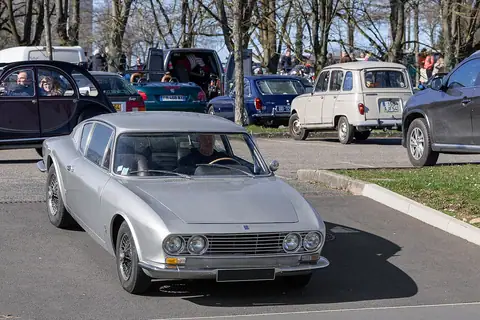
Ford · 1967–1968
OSI 20M TS Coupé
1,279 Built
-
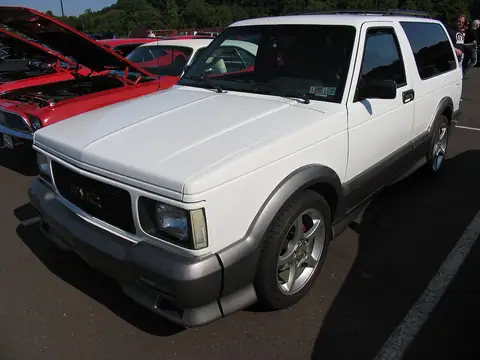
GMC
Typhoon
4,697 Built
141 other makes from United StatesAC PropulsionAcuraAllstateAMCAmerican LaFranceAmerican MotorsAmerican UnderslungApteraArmstrongArnoltAuburnBaldwin-MotionBantamBarris KustomsBendixBerger ChevroletBollingerBremerBuckeyeBuffumBuickCadillacCallawayCastleCheckerChevroletChristieChryslerClenetCodaColumbiaConsulierCordCunninghamCzingerDana ChevroletDean JeffriesDeSotoDetroit ElectricDick HarrellAll makes →