Makes › Bugatti › Type 57G "Tank" · Factory competition · 1936–1937
Bugatti
Type 57G "Tank"
Streamlined works sports-racers; 1936 French GP and 1937 Le Mans winners
Still being researched: full specifications. Everything shown is checked against the cited sources. Know more? Send us a source.
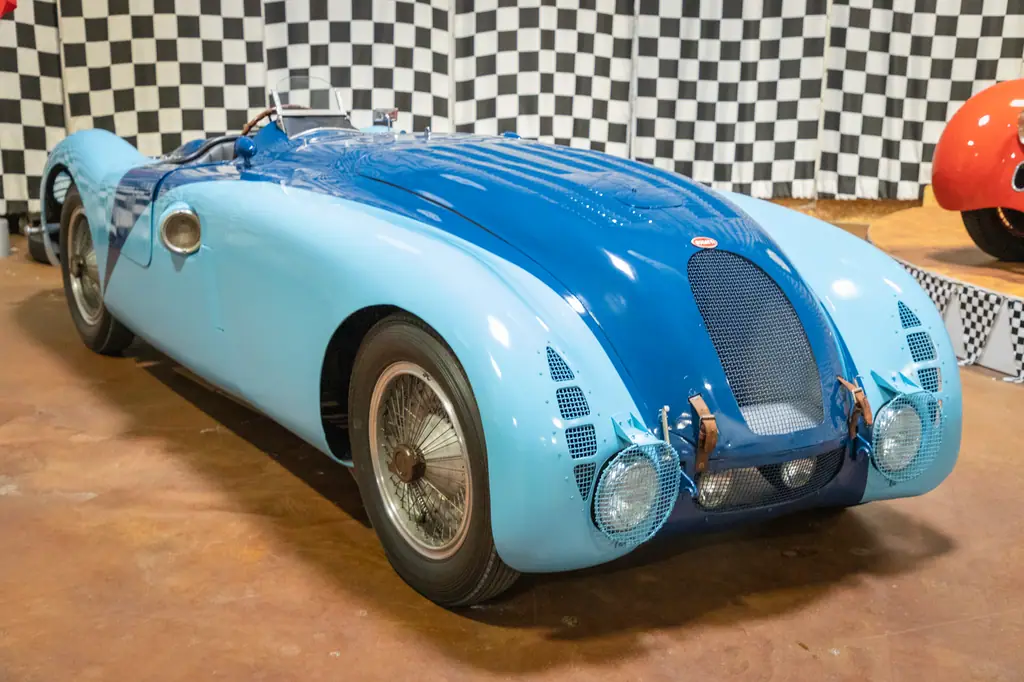
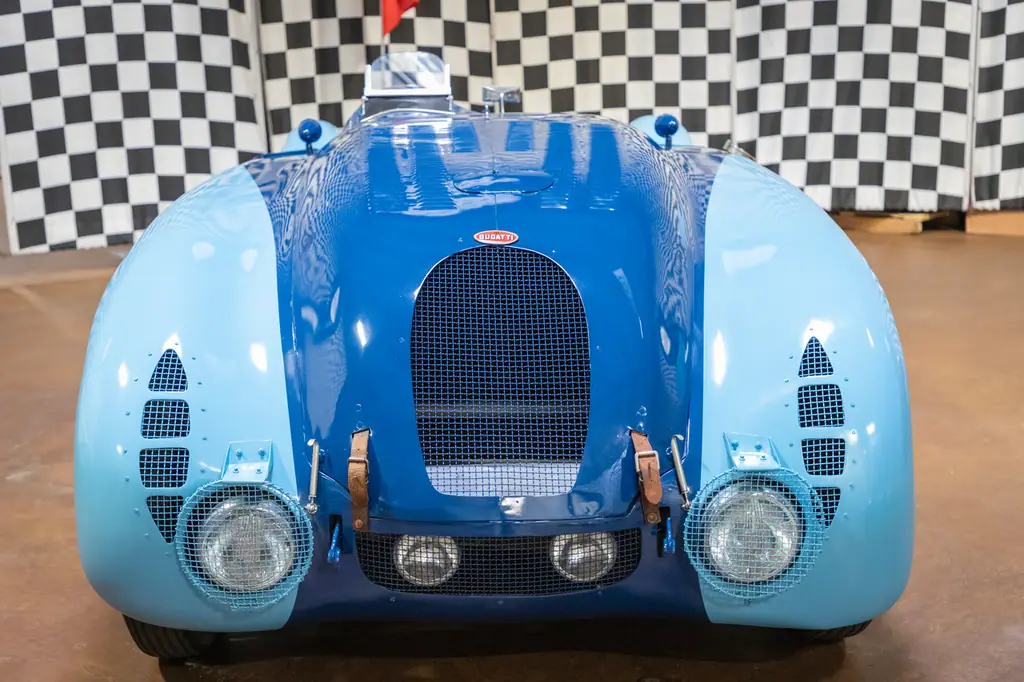
Photo: Al R · CC BY-SA 2.0
Contents
01Overview
At a glance
- Built
- Not yet verified
- Years
- 1936–1937
- Engine
- 8-cylinder (57G) · 3,250 cc / 3.25 LFactory: 3.25 L
- Power
- 149 kW / 203 PSFactory: 200 hp · converted
- Top speed
- Not yet verified
- Body
- Not yet verified
- Designer
- Not yet verified
- In this archive
- Not yet verified
- Surviving
- 3 (independently researched)
Sources and any conflicting figures are in the sections below.
Why it matters
The 57G 'Tank' was Bugatti's streamlined works sports-racer of 1936–37, winner of the 1936 French Grand Prix for sports cars and of the 1937 Le Mans 24 Hours, Bugatti's first win in a major sports-car race. Only three were built and the Simeone Museum car, 57G 01, is the sole survivor.
How rare is it?
Six separate kinds of rarity – never combined into one number.
Each kind of rarity is rated separately and never combined.
Photos
Exterior, interior and detail photos with their licences.
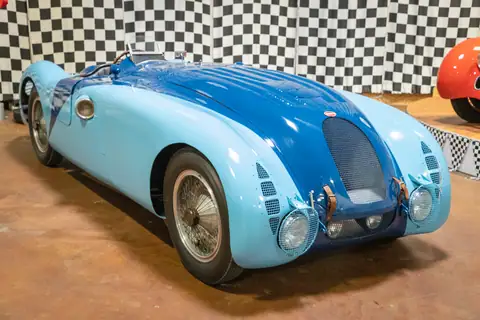 Bugatti Type 57G "Tank" (Wikimedia Commons search)
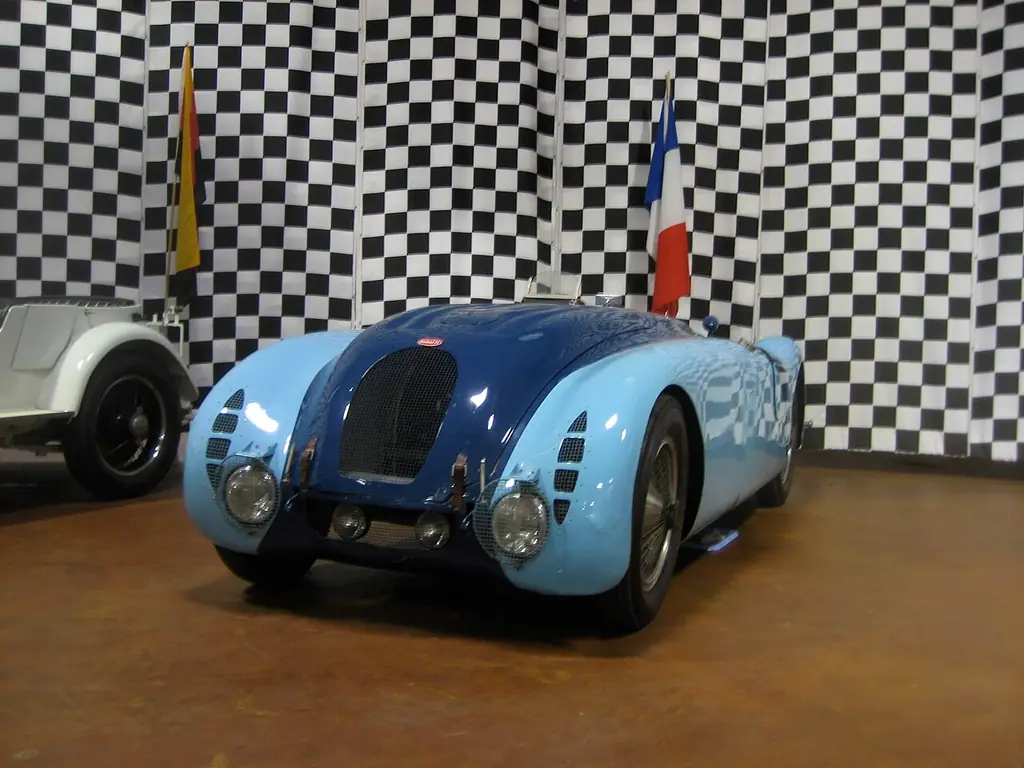
Photo: Al R · CC BY-SA 2.0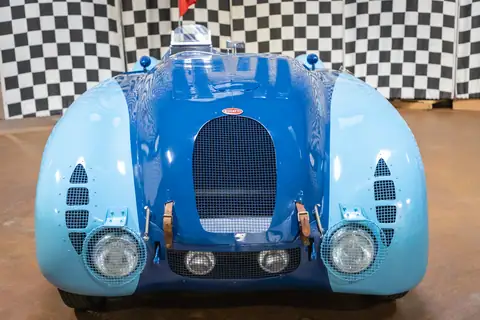 Bugatti Type 57G "Tank" (Wikimedia Commons search)
Photo: Al R · CC BY-SA 2.0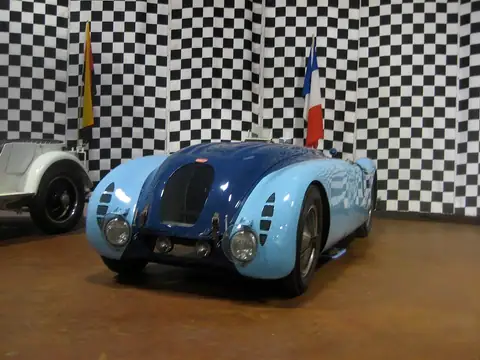 Bugatti Type 57G "Tank" (Wikimedia Commons search)
Photo: Peter & Laila · CC BY 2.0


02Production & history
Production
Every figure says what it counts.
| What is counted | Figure | Basis | Status |
|---|---|---|---|
| Total model productioncars built; one survivor (Simeone Museum) | 31 | Surviving examples | Independently researched |
Independent counts (e.g. engine and colour) are never combined into a calculated figure. Surviving examples are never presented as original production.
History
The first car, 57G 01, served as the aerodynamic mule for the three Tanks and was tested at Montlhéry in June 1936. That month the Tanks contested the ACF Grand Prix at Montlhéry, run for sports cars, and won at 125.228 km/h; in July Wimille won the Grand Prix de la Marne at Reims. In October 1936 the car set records at Montlhéry, including a one-hour average of 217.941 km/h. In June 1937 Wimille and Benoist won Le Mans.
The surviving car's engine is a 57G unit with a lighter crankshaft derived from the racing 57S; contemporary reports say the 1936 record car ran without a supercharger.
Variants
How each version differs from the standard Type 57G "Tank".
No variants documented yet. Have a source? Contribute it.
03Specifications
Technical specifications
Engine
| Engine family | Not yet verified |
|---|---|
| Engine code | Not yet verified |
| Layout | 8-cylinder (57G)2 Independently researched |
| Displacement | 3,250 cc / 3.25 LFactory: 3.25 L2 Independently researched |
| Bore | Not yet verified |
| Stroke | Not yet verified |
| Compression ratio | 8.5:13,4 Independently researched |
| Fuel system | dry sump lubrication, magneto-driven ignition3 Independently researched |
| Power | 149 kW / 203 PSFactory: 200 hp · converted2 Independently researched |
| Power at | Not yet verified |
| Torque | Not yet verified |
Transmission & drivetrain
| Gearbox | Not yet verified |
|---|---|
| Gears | Not yet verified |
| Driven wheels | Not yet verified |
Chassis, body & dimensions
| Chassis | Not yet verified |
|---|---|
| Front suspension | Not yet verified |
| Rear suspension | Not yet verified |
| Brakes | Not yet verified |
| Steering | Not yet verified |
| Body construction | Not yet verified |
| Wheelbase | Not yet verified |
| Length | Not yet verified |
| Width | Not yet verified |
| Height | Not yet verified |
| Front track | Not yet verified |
| Rear track | Not yet verified |
| Kerb weight | Not yet verified |
| Dry weight | Not yet verified |
Performance
| Maximum speed | Not yet verified |
|---|---|
| 0–100 km/h | Not yet verified |
| Fuel tank | Not yet verified |
“Not yet verified” means no source has been checked for that value yet. Nothing is estimated to fill a gap.
04Colours & options
Factory colours & interiors
Original paint and trim, with the number of cars in each where a source gives it.
Not yet documented. Have a source? Contribute it.
Factory options & codes
Codes are shown exactly as written by the manufacturer.
Not yet documented. Have a source? Contribute it.
05Individual cars
Chassis register
Every documented car, with its colours, history and where it is now. Open a row for the full record. Known chassis are not automatically authenticated originals.
Not yet documented. Have a source? Contribute it.
Competition history
Every race result of the individual cars, in date order. Click a chassis number to open its full record in the register.
Not yet documented. Have a source? Contribute it.
Auction & sale history
Documented public sales of the individual cars. Click a chassis number to open its full record in the register.
Not yet documented. Have a source? Contribute it.
See one in person
Museums where an example of this car can be seen.
No example is documented on public display yet. Have a source? Contribute it.
06Reference
Identification guide
How to tell an original from a replica or later conversion.
The museum identifies 57G 01 by body details that differ from the other two Tanks. Original parts recovered for the car include its tachometer, a special Bugatti carburettor, a cylinder head with three drives out of the rear, and an oil cooler; the engine block is believed to have come from a passenger car.
Sources
Each number links to the exact facts it supports.
-
1
1936 Bugatti 57G "Tank" – Simeone Foundation Automotive Museum Level B
- 3 cars built; one survivor (Simeone Museum)
-
2
1936 Bugatti 57G 'Tank' Level B Simeone Foundation Automotive Museum
- 8-cylinder, 3.25 L
- 200 hp
-
3
1937 Bugatti Type 57SC Atalante (The Monterey Auction 2026, lot 115) Level C RM Sotheby's · 2026-01-01
- a higher 8.5:1 compression ratio, a dry sump ... magneto-driven ignition
- a dry sump accommodating the car's lowered center of gravity, and magneto-driven ignition
-
4
1937 Bugatti Type 57SC Tourer by Corsica (Arizona 2021, lot 64) Level C RM Sotheby's · 2021-01-01
- higher compression ratio of 8.5:1
Keep exploring
More from Bugatti
-
Bugatti
Brouillard
1 Built
-
Bugatti · 2022
Chiron Profilée
1 Built
-
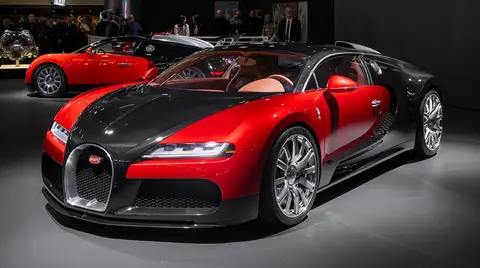
Bugatti
F.K.P. Hommage
1 Built
-
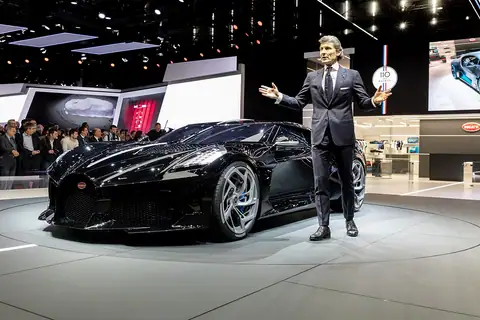
Bugatti · 2019
La Voiture Noire
1 Built
More from France
-
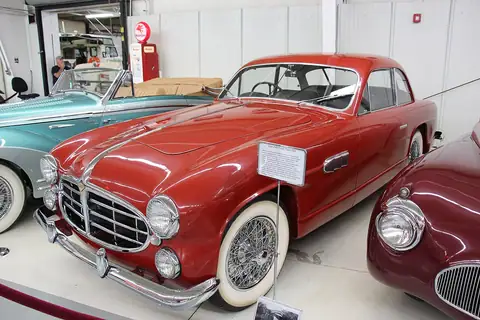
Delahaye · 1951
235
84 Built
-
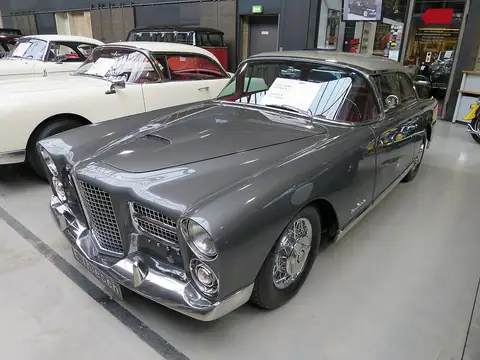
Facel Vega · 1954–1958
FV (FV1–FV4)
354 Built
-
Peugeot · 1969–1983
504 Cabriolet
8,185 Built
-
Renault · 2003–2005
Clio V6 Renault Sport Phase 2
1,309 Built
70 other makes from FranceACMAAixamAlcatelAlpineAmilcarArzensAvions VoisinBACBallotBerlietBolloreBuccialiCGCharron, Girardot et VoigtChenard-WalckerCitroënClément-PanhardDAMSDarracqDBDB (Deutsch-Bonnet)De DietrichDe Dion-BoutonDe Dion, Bouton et TrépardouxDe La ChapelleDelageDelahayeDelaunay-BellevilleDerbyDSExagonFacel VegaFarmanFord FranceGentyGordiniHommellHopiumHotchkissJimenezAll makes →