Makes › Bugatti › Type 57S (coachbuilt: Atalante, Vanvooren, Corsica etc.) · Coachbuilt Ultra Rare
Bugatti
Type 57S (coachbuilt: Atalante, Vanvooren, Corsica etc.)
Lowered sports chassis of the Type 57 with factory and outside coachwork; separate from the existing 57SC Atlantic entry
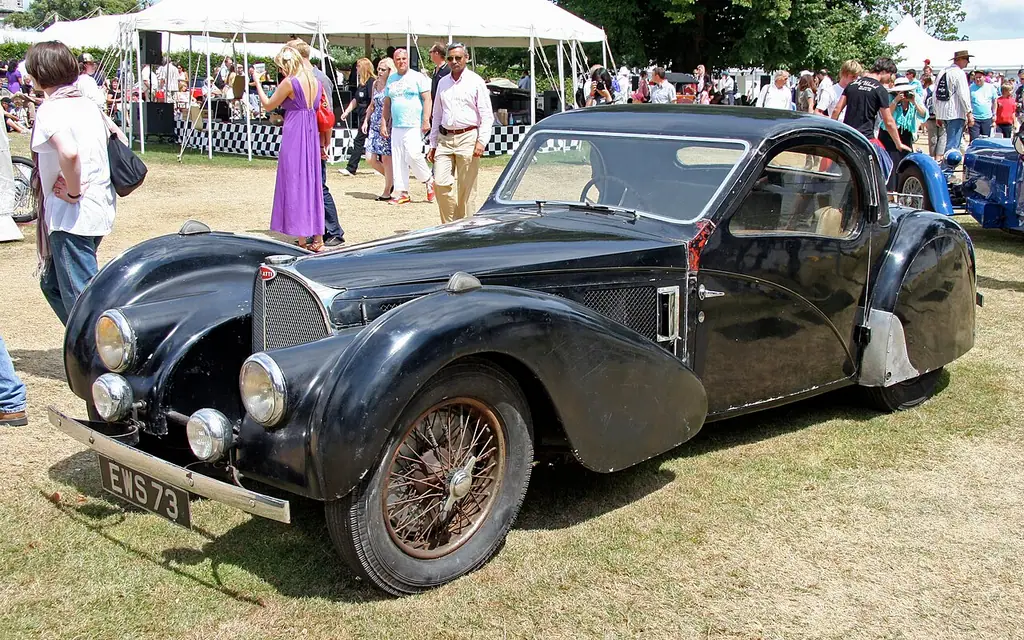
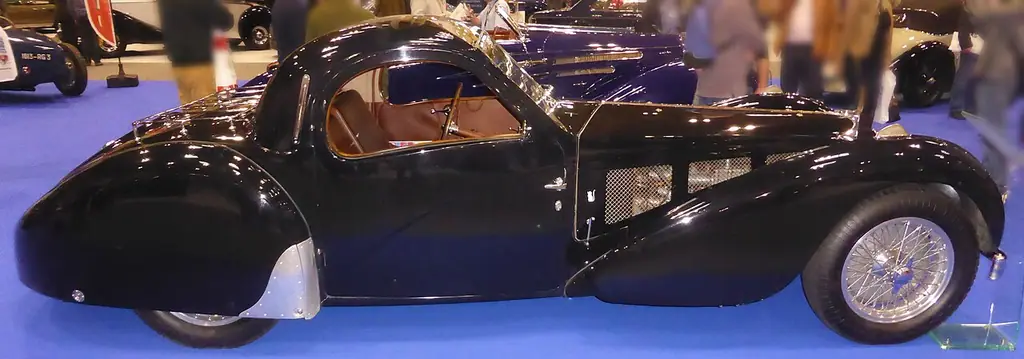
Photo: Brian Snelson · CC BY 2.0
Contents
01Overview
At a glance
- Built
- 40 Built
- Years
- Not yet verified
- Engine
- inline eight, DOHC, dry sump, magneto ignition · 3,300 cc / 3.3 LFactory: 3.3 L
- Power
- 130 kW / 177 PSFactory: 175 hp · converted
- Top speed
- 193 km/hFactory: 120 mph · converted
- Body
- Vanvooren
- Designer
- Not yet verified
- In this archive
- Not yet verified
- Surviving
- Not yet verified
Sources and any conflicting figures are in the sections below.
Why it matters
The Type 57S was the sporting, lowered (surbaisse) Type 57 introduced at the 1936 Paris Salon, so different from the standard car that RM Sotheby's calls it in effect a separate model. Its chassis carried factory Atalante coupes as well as coachbuilt bodies from Gangloff, Vanvooren, Corsica and the works.
How rare is it?
Six separate kinds of rarity – never combined into one number.
Each kind of rarity is rated separately and never combined.
Photos
Exterior, interior and detail photos with their licences.
 Bugatti Type 57S (coachbuilt: Atalante, Vanvooren, Corsica etc.) (Wikimedia Commons search)
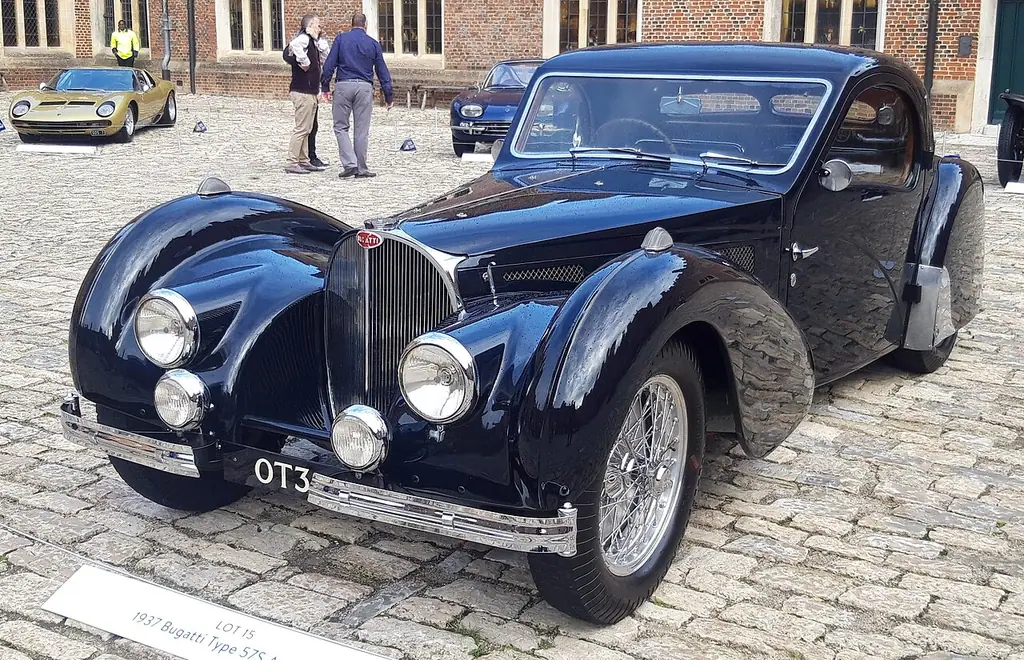
Photo: Brian Snelson · CC BY 2.0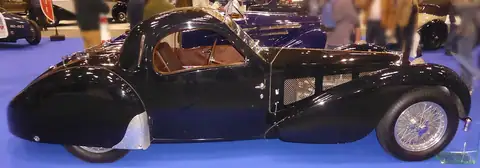 Bugatti Type 57S (coachbuilt: Atalante, Vanvooren, Corsica etc.) (Wikimedia Commons search)
Photo: andreboeni · CC BY 2.0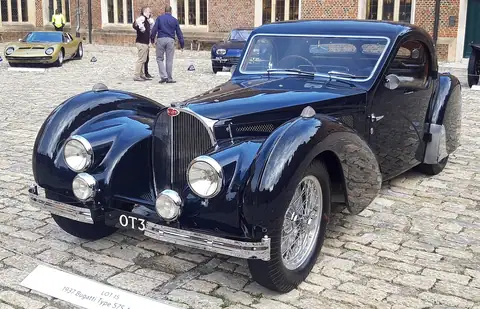 Bugatti Type 57S (coachbuilt: Atalante, Vanvooren, Corsica etc.) (Wikimedia Commons search)
Photo: MrWalkr · CC BY-SA 4.0


02Production & history
Production
Every figure says what it counts.
| What is counted | Figure | Basis | Status |
|---|---|---|---|
| Total model productionType 57S chassis made per the Bugatti Trust ('Number Made: 40'); other sources quote 42–43, of which 17 were Atalantes | 401 | Factory production | Independently researched |
Independent counts (e.g. engine and colour) are never combined into a calculated figure. Surviving examples are never presented as original production.
History
The 57S and the supercharged 57C were announced at the Paris Auto Salon in October 1936. In its first year the 57S won the French, La Marne and Comminges Grands Prix, and in 1937 further races including Le Mans, where the 57G Tank won. Bugatti discontinued it quietly in May 1938, seeing it as surplus to needs while sales of the standard 57 and 57C flourished.
RM Sotheby's counts 42 built to 57S specification, 17 of them as the Atalante coupe, and says only 16 were delivered with open coachwork. Of those, Corsica of London bodied eight, with perhaps 15 chassis slated for delivery to England in all.
Variants
How each version differs from the standard Type 57S (coachbuilt: Atalante, Vanvooren, Corsica etc.).
No variants documented yet. Have a source? Contribute it.
03Specifications
Technical specifications
Engine
| Engine family | Not yet verified |
|---|---|
| Engine code | Not yet verified |
| Layout | inline eight, DOHC, dry sump, magneto ignition2 Independently researched |
| Cylinders | 83 Independently researched |
| Displacement | 3,300 cc / 3.3 LFactory: 3.3 L3 Independently researchedEngine of the 57S-chassis Atlantic in S2; applied to the 57S family. |
| Bore | Not yet verified |
| Stroke | Not yet verified |
| Compression ratio | 8.5:12 Independently researched |
| Valvetrain | double overhead camshaft3 Independently researched |
| Fuel system | Not yet verified |
| Induction | naturally aspirated in original form; supercharger fitted to some cars3 Independently researchedS2 gives 175 hp naturally aspirated and 200 hp with a supercharger, both for one car. |
| Power | 130 kW / 177 PSFactory: 175 hp · converted4 Independently researched200 hp with the "C" Roots supercharger (RM Sotheby's); Gooding gives an estimated 220 bhp at 5,500 rpm for a supercharged car. |
| Power at | Not yet verified |
| Torque | Not yet verified |
Transmission & drivetrain
| Gearbox | Not yet verified |
|---|---|
| Gears | Not yet verified |
| Driven wheels | Not yet verified |
Chassis, body & dimensions
| Chassis | shorter and lower surbaisse frame, front axle articulated in halves, rear axle passing through the frame2 Independently researched |
|---|---|
| Front suspension | semi-independent3 Independently researched |
| Rear suspension | live rear axle3 Independently researched |
| Brakes | cable-activated drum brakes3 Independently researched |
| Steering | Not yet verified |
| Body construction | Not yet verified |
| Wheelbase | Not yet verified |
| Length | Not yet verified |
| Width | Not yet verified |
| Height | Not yet verified |
| Front track | Not yet verified |
| Rear track | Not yet verified |
| Kerb weight | Not yet verified |
| Dry weight | Not yet verified |
Performance
| Maximum speed | 193 km/hFactory: 120 mph · converted4 Independently researched |
|---|---|
| 0–100 km/h | Not yet verified |
| Fuel tank | Not yet verified |
“Not yet verified” means no source has been checked for that value yet. Nothing is estimated to fill a gap.
04Colours & options
Factory colours & interiors
Original paint and trim, with the number of cars in each where a source gives it.
Not yet documented. Have a source? Contribute it.
Factory options & codes
Codes are shown exactly as written by the manufacturer.
Not yet documented. Have a source? Contribute it.
05Individual cars
Chassis register
Every documented car, with its colours, history and where it is now. Open a row for the full record. Known chassis are not automatically authenticated originals.
Not yet documented. Have a source? Contribute it.
Competition history
Every race result of the individual cars, in date order. Click a chassis number to open its full record in the register.
Not yet documented. Have a source? Contribute it.
Auction & sale history
Documented public sales of the individual cars. Click a chassis number to open its full record in the register.
Not yet documented. Have a source? Contribute it.
See one in person
Museums where an example of this car can be seen.
No example is documented on public display yet. Have a source? Contribute it.
06Reference
Identification guide
How to tell an original from a replica or later conversion.
Each 57S has a shorter, lower chassis with the front axle articulated in halves and the rear axle passing through the frame, a low radiator with a V-shaped grille, a dry-sump engine and magneto ignition. The first Atalante on a 57S, chassis 57384, was completed on 27 August 1936. Corsica-bodied cars are the English-built open tourers, while lowered headlamps distinguished some Atalantes such as chassis 57551.
Sources
Each number links to the exact facts it supports.
-
1
The Bugatti Trust – Bugatti Type 57S / 57SC Level B
- 40 Type 57S chassis made per the Bugatti Trust ('Number Made: 40'); other sources quote 42–43, of which 17 were Atalantes
-
2
1937 Bugatti Type 57SC Atalante (The Monterey Auction 2026, lot 115) Level C RM Sotheby's · 2026-01-01
- 3.3-liter eight-cylinder engine ... dry sump ... magneto-driven ignition
- a higher 8.5:1 compression ratio
- both shorter and lower (hence S, for surbaisse)
-
3
The $114 million barn find that has yet to be found Level C Hemmings · 2019-02-26
- double overhead-camshaft 3.3-liter inline-eight
- in naturally aspirated form
- raising output to 200 horsepower
- equipped with cable-activated drum brakes, a semi-independent front suspension, and a live rear axle
-
4
1937 Bugatti Type 57SC Tourer by Corsica (Arizona 2021, lot 64) Level C RM Sotheby's · 2021-01-01
- The 57S now boasted 175 horsepower versus the standard Type 57 output of 135
- enabled a top speed of some 120 mph
Keep exploring
More from Bugatti
-
Bugatti
Brouillard
1 Built
-
Bugatti · 2022
Chiron Profilée
1 Built
-
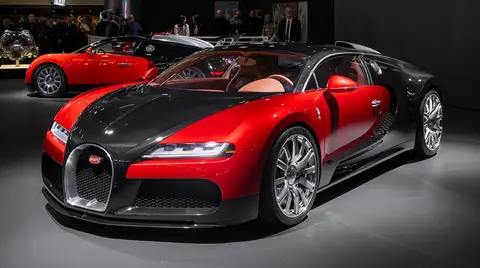
Bugatti
F.K.P. Hommage
1 Built
-
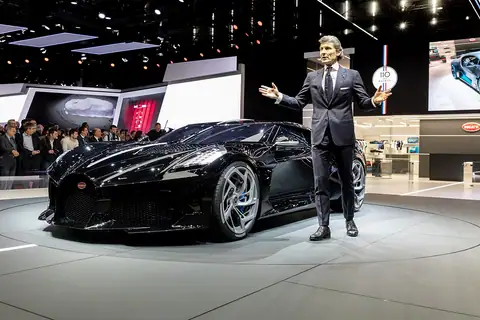
Bugatti · 2019
La Voiture Noire
1 Built
More from France
-
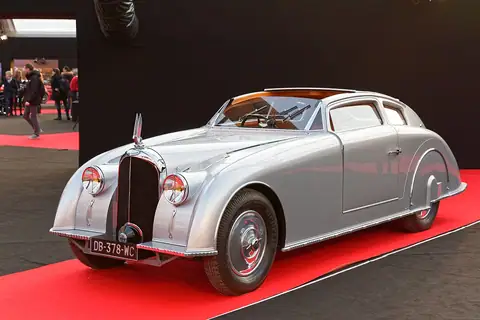
Voisin · 1935–1936
C28 Aérosport
Production not yet verified
-
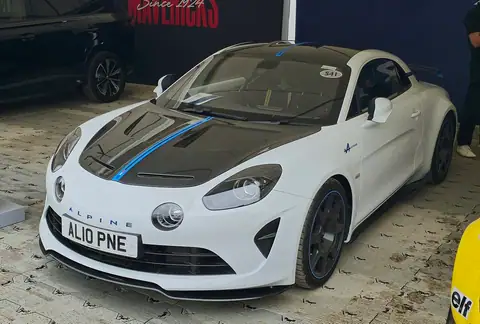
Alpine
A110 R Le Mans (2023)
Production not yet verified
-
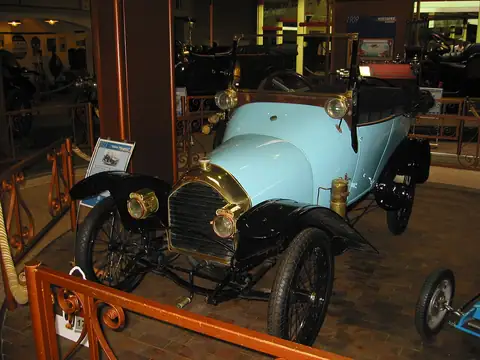
Lion-Peugeot
BP (Bebe Peugeot, Type BP1)
Production not yet verified
-
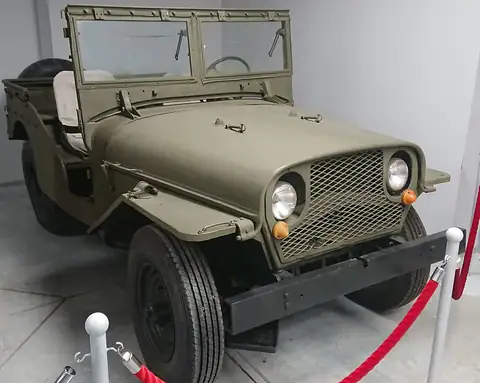
Delahaye · 1951
Delahaye VLR (1951-1955)
Production not yet verified
70 other makes from FranceACMAAixamAlcatelAlpineAmilcarArzensAvions VoisinBACBallotBerlietBolloreBuccialiCGCharron, Girardot et VoigtChenard-WalckerCitroënClément-PanhardDAMSDarracqDBDB (Deutsch-Bonnet)De DietrichDe Dion-BoutonDe Dion, Bouton et TrépardouxDe La ChapelleDelageDelahayeDelaunay-BellevilleDerbyDSExagonFacel VegaFarmanFord FranceGentyGordiniHommellHopiumHotchkissJimenezAll makes →