Makes › Citroën › BX › BX 4TC Evolution · Factory competition · 1986 Ultra Rare
Citroën
BX 4TC Evolution
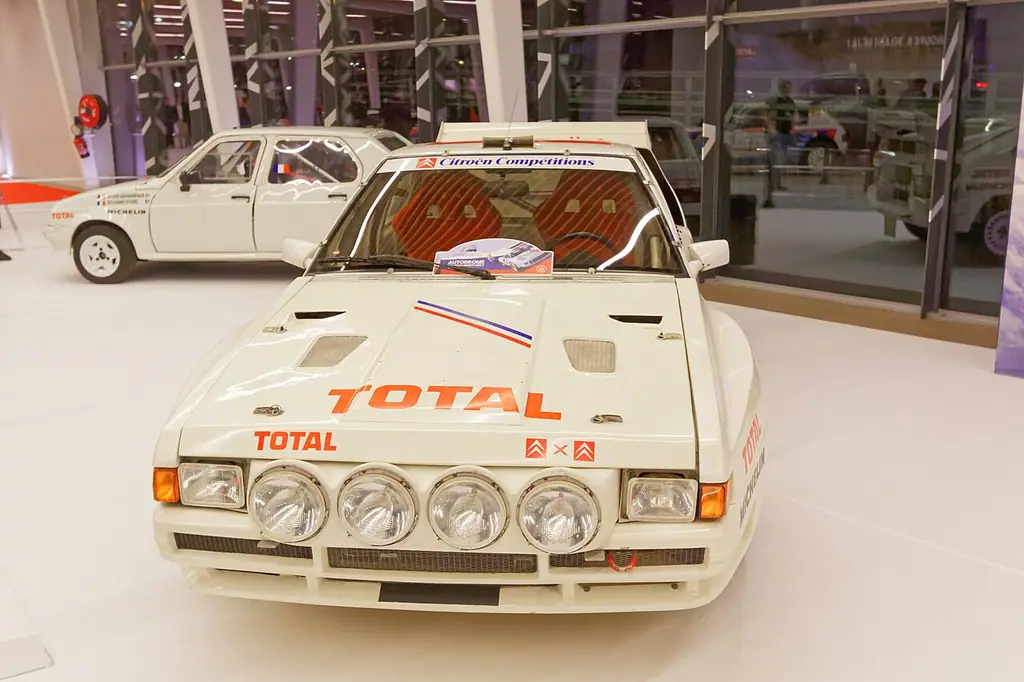
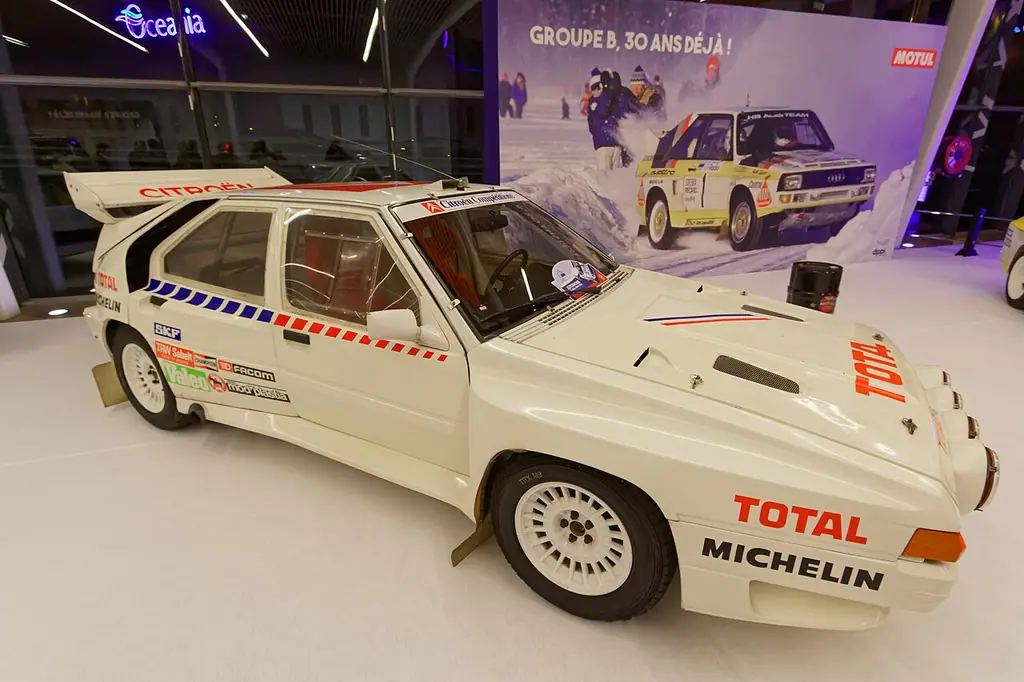
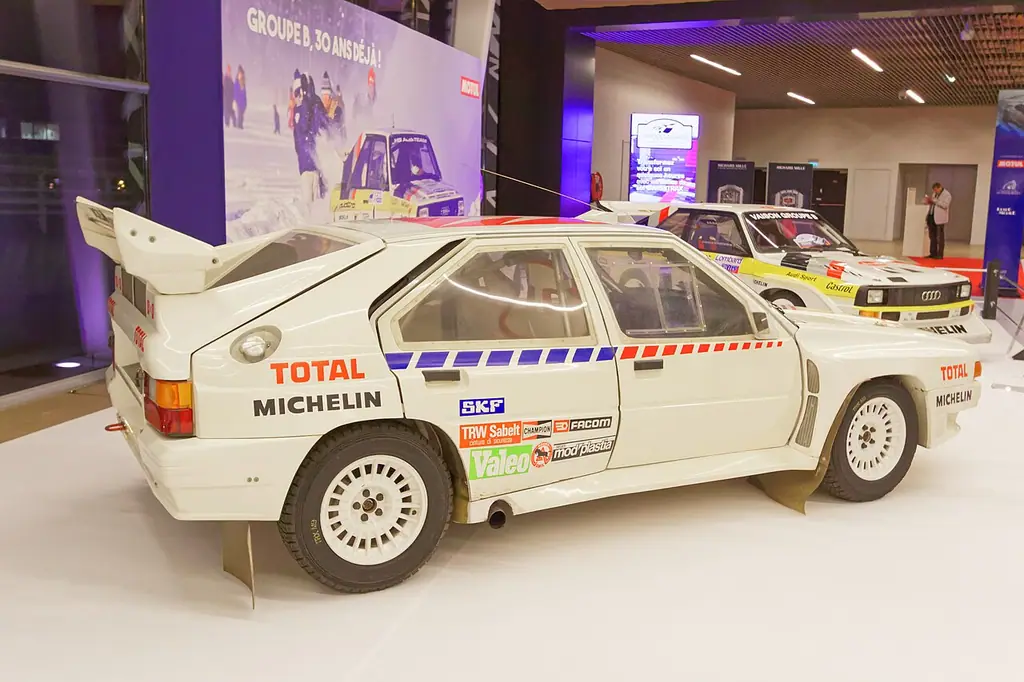
Works Group B rally evolution of the BX 4TC.
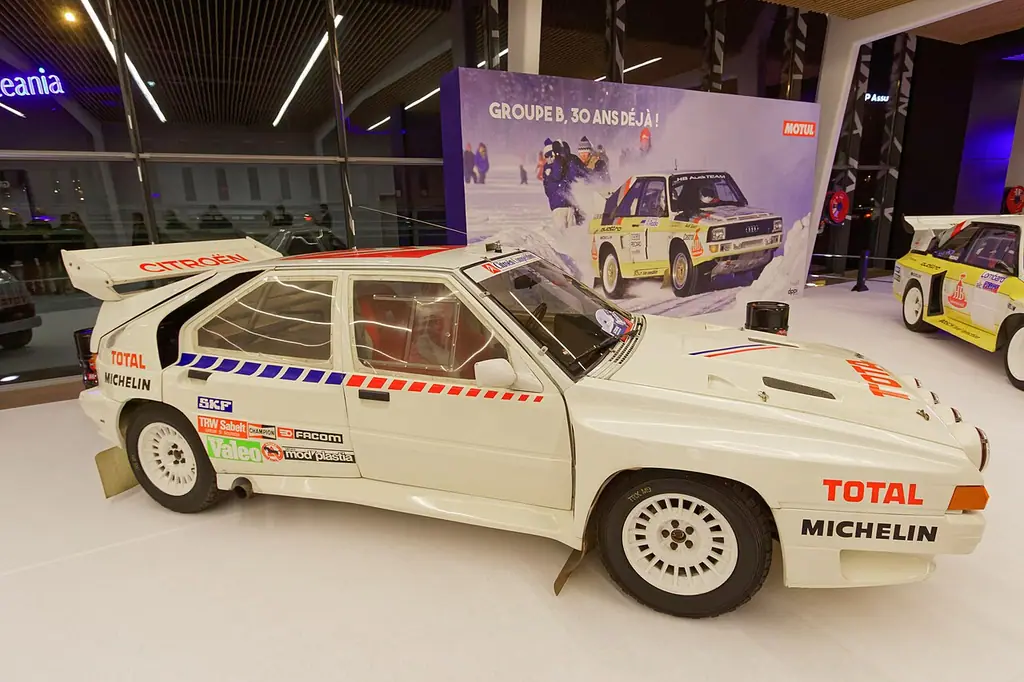
Photo: Thesupermat · CC BY-SA 4.0
Contents
01Overview
At a glance
- Built
- 20 Built
- Years
- 1986
- Engine
- Front, longitudinal; turbocharged four-cylinder, iron block · 2,200 cc / 2.2 LFactory: 2.2 L
- Power
- 283 kW / 385 PSFactory: 380 hp · converted
- Top speed
- 280 km/hFactory: 174 mph · converted
- Body
- Not yet verified
- Designer
- Guy Verrier (head of Citroen Competition department)
- In this archive
- Not yet verified
- Surviving
- 7 (independently researched)
Sources and any conflicting figures are in the sections below.
Why it matters
The BX 4TC Evolution was the competition version of Citroën's only Group B rally car, built by the factory's small competition department under Guy Verrier. It is regarded as one of Group B's least successful cars, and it has become one of the most expensive Citroëns sold at auction because so few exist.
How rare is it?
Six separate kinds of rarity – never combined into one number.
Each kind of rarity is rated separately and never combined.
Photos
Exterior, interior and detail photos with their licences.
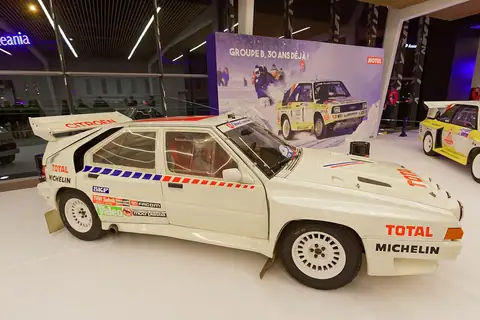 Citroën BX 4TC Evolution (Wikimedia Commons: Citroën BX 4TC Evolution)
Photo: Thesupermat · CC BY-SA 4.0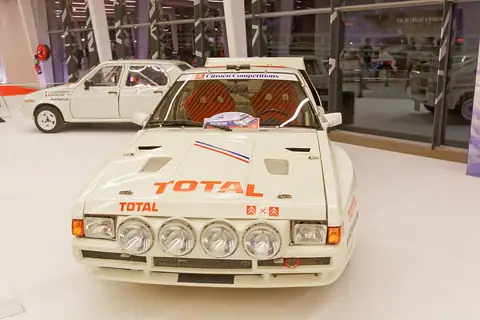 Citroën BX 4TC Evolution (Wikimedia Commons: Citroën BX 4TC Evolution)
Photo: Thesupermat · CC BY-SA 4.0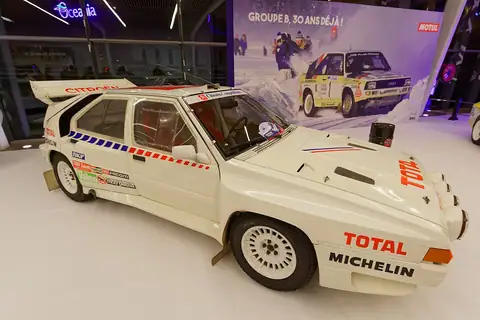 Citroën BX 4TC Evolution (Wikimedia Commons: Citroën BX 4TC Evolution)
Photo: Thesupermat · CC BY-SA 4.0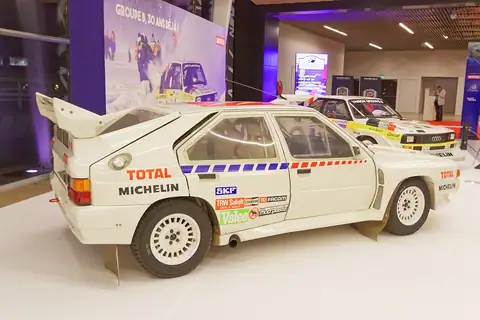 Citroën BX 4TC Evolution (Wikimedia Commons: Citroën BX 4TC Evolution)
Photo: Thesupermat · CC BY-SA 4.0


02Production & history
Production
Every figure says what it counts.
| What is counted | Figure | Basis | Status |
|---|---|---|---|
| Total model production"6 or 7" Evolution cars still in existence, per the Citroënvie report on the 2021 Artcurial sale; upper figure used | 71 | Surviving examples | Independently researched |
| Total model productionEvolution cars produced (five offered for sale) | 201,2 | Factory production | Independently researched |
Independent counts (e.g. engine and colour) are never combined into a calculated figure. Surviving examples are never presented as original production.
History
Citroën began developing a four-wheel-drive Group B car in 1983 and chose the production BX saloon as its base, with a longitudinally mounted turbocharged four-cylinder engine, a body built by Heuliez and a gearbox taken from the SM. Homologation was granted only on 1 January 1986, so the car contested a single World Championship season, taking part in three rounds (Monte Carlo, Sweden and the Acropolis). Its best result was Jean-Claude Andruet's sixth place in Sweden. Group B was cancelled after 1986 and the programme ended with it.
Twenty Evolution cars were prepared by the competition department, alongside the 200 road-going cars needed for homologation. Evolution chassis no. 18, the Andruet car, was sold new to private owners from the factory and remained in very original condition; Artcurial sold it in 2021 for €417,200. One report puts the survivors at six or seven Evolution cars.
Variants
How each version differs from the standard BX 4TC Evolution.
No variants documented yet. Have a source? Contribute it.
03Specifications
Technical specifications
Engine
| Engine family | Not yet verified |
|---|---|
| Engine code | Not yet verified |
| Layout | Front, longitudinal; turbocharged four-cylinder, iron block3 Independently researched |
| Cylinders | 43 Independently researched |
| Displacement | 2,200 cc / 2.2 LFactory: 2.2 L4 Independently researchedRM Sotheby's gives this for the BX 4TC engine in general, not specifically for the Evolution chassis. |
| Bore | Not yet verified |
| Stroke | Not yet verified |
| Compression ratio | Not yet verified |
| Valvetrain | SOHC, 8 valves5 Independently researchedEngine based on a 1970 Simca design with iron block and alloy head. |
| Fuel system | Fuel injection, dry sump5 Independently researched |
| Induction | Turbocharged1 Independently researched |
| Power | 283 kW / 385 PSFactory: 380 hp · converted4 Independently researchedRating: manufacturerCitroënvie writes 380 bhp, Hagerty and The Drive 380 hp. |
| Power at | 7,000 rpm5 Independently researched |
| Torque | 342 NmFactory: 252 lb-ft · converted5,6 Independently researchedMotor Sport gives 252 lb-ft and groupbrally 253 lb-ft; Secret Classics quotes 460 Nm, which does not agree. |
| Torque at | 5,500 rpm5 Independently researched |
| Redline | 8,000 rpm6 Independently researchedDescribed as maximum engine speed. |
Transmission & drivetrain
| Manufacturer | Gearbox from the Citroën SM; other elements from the Peugeot 505 Turbo1 Independently researched |
|---|---|
| Gearbox | Manual7 Independently researched |
| Gears | 57 Independently researchedGearbox described as the Citroen SM unit. |
| Driven wheels | All four wheels; no centre differential8 Independently researched |
Chassis, body & dimensions
| Chassis | Steel monocoque of the production BX4 Independently researched |
|---|---|
| Front suspension | Hydropneumatic4 Independently researched |
| Rear suspension | Hydropneumatic4 Independently researched |
| Brakes | Fully powered hydraulic system from Citroen hydropneumatic cars5 Independently researched |
| Steering | DIRAVI variable-assist power steering3 Independently researched |
| Body construction | Not yet verified |
| Wheelbase | Not yet verified |
| Length | Not yet verified |
| Width | Not yet verified |
| Height | Not yet verified |
| Front track | Not yet verified |
| Rear track | Not yet verified |
| Kerb weight | 1,150 kgFactory: 1,150 kg4 Independently researchedThe Drive gives the same figure against a 960 kg Group B minimum. |
| Dry weight | Not yet verified |
Performance
| Maximum speed | 280 km/hFactory: 174 mph · converted7 Independently researched"up to" figure depending on gearing. |
|---|---|
| 0–100 km/h | 5.5 s7 Independently researchedSource gives 0-62 mph in around 5.5 s depending on gear ratio. |
| Fuel tank | Not yet verified |
“Not yet verified” means no source has been checked for that value yet. Nothing is estimated to fill a gap.
04Colours & options
Factory colours & interiors
Original paint and trim, with the number of cars in each where a source gives it.
Not yet documented. Have a source? Contribute it.
Factory options & codes
Codes are shown exactly as written by the manufacturer.
Not yet documented. Have a source? Contribute it.
05Individual cars
Chassis register
Every documented car, with its colours, history and where it is now. Open a row for the full record. Known chassis are not automatically authenticated originals.
Not yet documented. Have a source? Contribute it.
Competition history
Every race result of the individual cars, in date order. Click a chassis number to open its full record in the register.
Not yet documented. Have a source? Contribute it.
Auction & sale history
Documented public sales of the individual cars. Click a chassis number to open its full record in the register.
Not yet documented. Have a source? Contribute it.
See one in person
Museums where an example of this car can be seen.
No example is documented on public display yet. Have a source? Contribute it.
06Reference
Identification guide
How to tell an original from a replica or later conversion.
The Evolution is the 20-car competition version and differs from the 200 road-going BX 4TCs in its turbocharged output of about 380 hp at 7000 rpm (the road car makes 200 hp), a KKK K26 turbocharger at 18 psi, a dry-sumped fuel-injected engine, and a roll cage with two bucket seats and six-point belts in place of the road interior. Both versions share the longer, wider nose with a power dome, widened rear arches, four small auxiliary lamps between the headlights and a small boot-lid wing. The Evolution cars were built by Citroen's own competition department at Trappes, whereas the road cars were built by Heuliez.
Sources
Each number links to the exact facts it supports.
-
1
Did the BX Just Get A Whole Lot More Desirable? Level B Citroënvie! · 2021-11-08
- Twenty Evolution examples were prepared by the Competition department
- one of just 6 or 7 examples still in existence
- 380 bhp 4-cylinder turbocharged engine
- transmission using elements of the Peugeot 505 Turbo; The gearbox came from the Citroën SM
-
2
L'Automobile Sportive – Citroën BX 4TC guide Level B
- 20 Evolution cars produced (five offered for sale)
-
3
Citroën’s forgotten Group B contender could now be yours Level B The Drive
- heavy iron-block turbocharged four-cylinder
- turbocharged four-cylinder
- DIRAVI variable-assist power steering system was installed
-
4
1987 Citroën BX 4TC (Monaco 2023, lot 143) Level C RM Sotheby's
- turbocharged version of the 2.2-liter N9TE production engine
- Output was quoted as 380 horsepower for the "Evolution" competition variant
- production BX’s steel monocoque chassis
- hydropneumatic suspension systems were retained
- restricted the rally car to a hefty curb weight of 1,150 kilograms
-
5
Rallying's Cyrano de Bergerac Level C Motor Sport Magazine, September 2009 · 2009-09-01
- single overhead camshaft and just eight valves
- dry-sumped, fuel-injected and turbocharged
- 380bhp at 7000rpm
- 252ft lbs of torque at 5500rpm
- brakes employed the fully powered system
-
6
Citroen (BX 4TC pages) Level C groupbrally.com (archived 2012) · 2012-07-07
- 253ft/lbs at 5500 rpm
- engine reved to a maximum of 8000 rpm
-
7
Citroen BX 4TC Level C Secret Classics
- five-speed manual transmission
- five-speed manual transmission came from ... Citroen SM
- speeds of up to 174 mph
- 62 mph in around 5.5 seconds
-
8
Even Group B’s biggest failure is now worth big money Level B Andrew Newton · Hagerty Media · 2021-11-04
- all-wheel drive system lacked a center differential
Keep exploring
More from Citroën
-
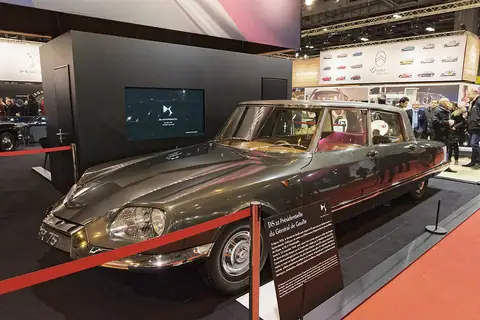
Citroën · 1964–1968
DS 21 Présidentielle (Chapron)
1 Built
-
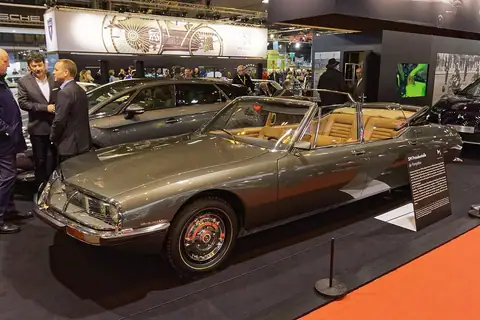
Citroën · 1972
SM Présidentielle (Chapron)
2 Built
-
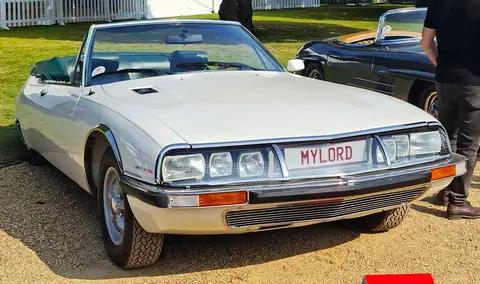
Citroën · 1971–1975
SM Mylord (Chapron)
5 Built
-
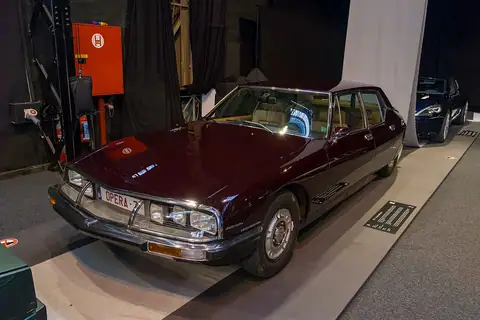
Citroën · 1972–1974
SM Opéra (Chapron)
8 Built
More from France
-
Bugatti · 1923
Type 32 "Tank"
4 Built
-
Peugeot
205 Turbo 16
200 Built
-
Venturi · 2006
Fétish (2009)
25 Built
-
Simca · 1977–1978
1000 Rallye 3
1,000 Built
70 other makes from FranceACMAAixamAlcatelAlpineAmilcarArzensAvions VoisinBACBallotBerlietBolloreBuccialiBugattiCGCharron, Girardot et VoigtChenard-WalckerClément-PanhardDAMSDarracqDBDB (Deutsch-Bonnet)De DietrichDe Dion-BoutonDe Dion, Bouton et TrépardouxDe La ChapelleDelageDelahayeDelaunay-BellevilleDerbyDSExagonFacel VegaFarmanFord FranceGentyGordiniHommellHopiumHotchkissJimenezAll makes →