Makes › Maserati › A6GCS (1947-1950) · Coachbuilt · 1947–1953 Ultra Rare
Maserati
A6GCS (1947-1950)
15 built
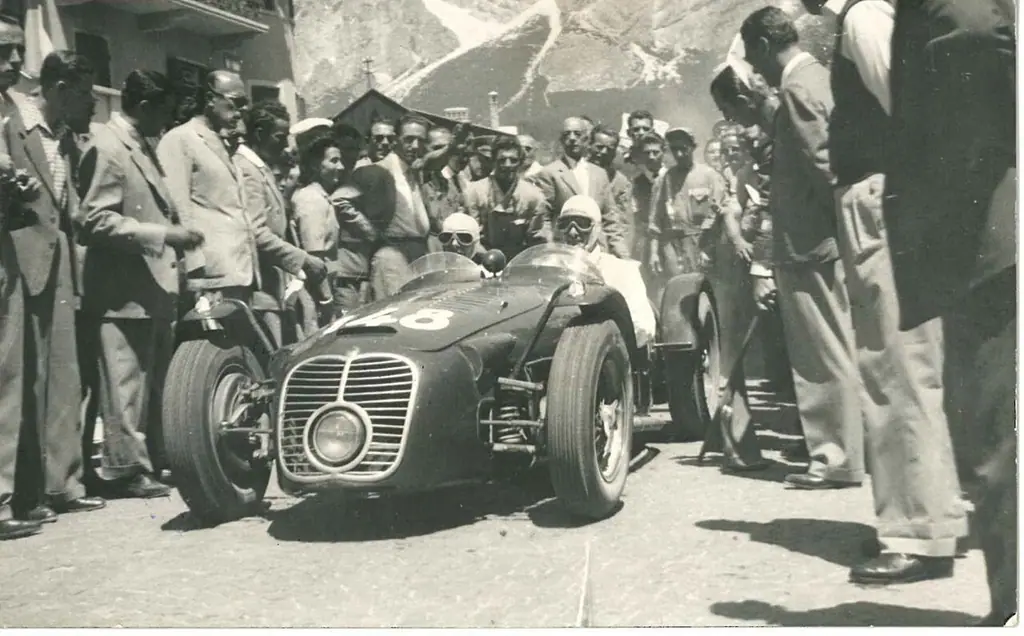
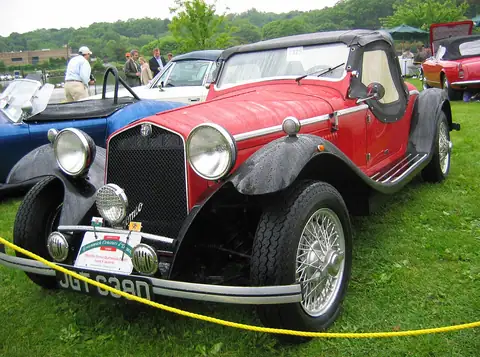
Photo: Unknown photographer · Public domain

Contents
01Overview
At a glance
- Built
- 15 Built
- Years
- 1947–1953
- Engine
- Inline six, single overhead camshaft, two valves per cylinder in a V · 1,978.7 cc / 2.0 LFactory: 1,978.7 cc
- Power
- 96.9 kW / 132 PSFactory: 130 hp · converted
- Top speed
- Not yet verified
- Body
- Not yet verified
- Designer
- Not yet verified
- In this archive
- Not yet verified
- Surviving
- Not yet verified
Sources and any conflicting figures are in the sections below.
Why it matters
The last car designed under the Maserati brothers Ernesto, Ettore and Bindo, with Alberto Massimino as their designated successor. It broke with earlier Maserati practice by dropping the supercharger for a naturally aspirated engine with a single overhead camshaft.
How rare is it?
Six separate kinds of rarity – never combined into one number.
Each kind of rarity is rated separately and never combined.
02Production & history
Production
Every figure says what it counts.
| What is counted | Figure | Basis | Status |
|---|---|---|---|
| Total model productionA6GCS built in total (two exported to Brazil, one to the USA) | 151 | Factory production | Independently researched |
Independent counts (e.g. engine and colour) are never combined into a calculated figure. Surviving examples are never presented as original production.
History
The A6GCS name stands for Alfieri (Maserati), 6 cylinders, Ghisa (cast iron), Corsa Sport. The first cars had open barchetta bodies by Fantuzzi with motorcycle-style wings and a single central headlight, and in 1948 a version with enclosed wings and three headlights was introduced for endurance racing. A single aerodynamic coupé was built for Villoresi for the 1947 Mille Miglia. Two works cars ran in 1947-48 with Alberto Ascari and Luigi Villoresi, Villoresi winning the Italian championship both years. 15 cars were built in total, two exported to Brazil and one to the United States. From 1950 a twin-cam engine was tried on two of the competition cars.
Variants
How each version differs from the standard A6GCS (1947-1950).
No variants documented yet. Have a source? Contribute it.
03Specifications
Technical specifications
Engine
| Engine family | Not yet verified |
|---|---|
| Engine code | Not yet verified |
| Layout | Inline six, single overhead camshaft, two valves per cylinder in a V2 |
| Displacement | 1,978.7 cc / 2.0 LFactory: 1,978.7 cc2 |
| Bore | 72 mmFactory: 72 mm2 |
| Stroke | 81 mmFactory: 81 mm2 |
| Compression ratio | Not yet verified |
| Fuel system | Three Weber 36 DO4 carburettors2 |
| Power | 96.9 kW / 132 PSFactory: 130 hp · converted2Page says the 2-litre engine could reach 130 hp using methyl alcohol fuel |
| Power at | Not yet verified |
| Torque | Not yet verified |
Transmission & drivetrain
| Gearbox | Not yet verified |
|---|---|
| Gears | Not yet verified |
| Driven wheels | Not yet verified |
Chassis, body & dimensions
| Chassis | Not yet verified |
|---|---|
| Front suspension | Not yet verified |
| Rear suspension | Not yet verified |
| Brakes | Hydraulically operated drum brakes on all wheels2 |
| Steering | Not yet verified |
| Body construction | Not yet verified |
| Wheelbase | 2,310 mmFactory: 2,310 mm2 |
| Length | 3,690 mmFactory: 3,690 mm2 |
| Width | 1,380 mmFactory: 1,380 mm2 |
| Height | 900 mmFactory: 900 mm2 |
| Front track | Not yet verified |
| Rear track | Not yet verified |
| Kerb weight | Not yet verified |
| Dry weight | 672 kgFactory: 672 kg2Page gives 580 kg for the racing version |
Performance
| Maximum speed | Not yet verified |
|---|---|
| 0–100 km/h | Not yet verified |
| Fuel tank | Not yet verified |
“Not yet verified” means no source has been checked for that value yet. Nothing is estimated to fill a gap.
04Colours & options
Factory colours & interiors
Original paint and trim, with the number of cars in each where a source gives it.
Not yet documented. Have a source? Contribute it.
Factory options & codes
Codes are shown exactly as written by the manufacturer.
Not yet documented. Have a source? Contribute it.
05Individual cars
Chassis register
Every documented car, with its colours, history and where it is now. Open a row for the full record. Known chassis are not automatically authenticated originals.
Not yet documented. Have a source? Contribute it.
Competition history
Every race result of the individual cars, in date order. Click a chassis number to open its full record in the register.
Not yet documented. Have a source? Contribute it.
Auction & sale history
Documented public sales of the individual cars. Click a chassis number to open its full record in the register.
Not yet documented. Have a source? Contribute it.
See one in person
Museums where an example of this car can be seen.
No example is documented on public display yet. Have a source? Contribute it.
06Reference
Identification guide
How to tell an original from a replica or later conversion.
Open two-seat aluminium barchetta without doors, motorcycle-type wings and a single central headlight (monofaro); tubular chassis by Gilco; 16-inch Borrani wheels with Pirelli tyres; one unique coupé was built for Villoresi.
Sources
Each number links to the exact facts it supports.
-
1
A6GCS - Maserati Heritage Level A
- 15 A6GCS built in total (two exported to Brazil, one to the USA)
-
2
A6GCS (Maserati heritage, vetture d'epoca - Sport) Level A Maserati S.p.A.
- 6 verticali in linea ... due valvole per cilindro disposte a V di 71,5°
- Cilindrata totale 1978,7 cc
- Alesaggio e corsa 72x81 mm
- tre carburatori Weber 36 DO4
- poteva toccare i 130 cavalli
- a tamburo sulle ruote con comando idraulico
- Passo 2310 mm
- Lunghezza 3690 mm
- Larghezza 1380 mm
- Altezza 900 mm
- Peso a secco 672 kg (580 kg nella versione corsa)
Keep exploring
More from Maserati
-
Maserati · 1957
150 GT (1957)
1 Built
-
Maserati · 1971–1972
Boomerang (Italdesign)
1 Built
-
Maserati · 1932
8C 3000
2 Built
-
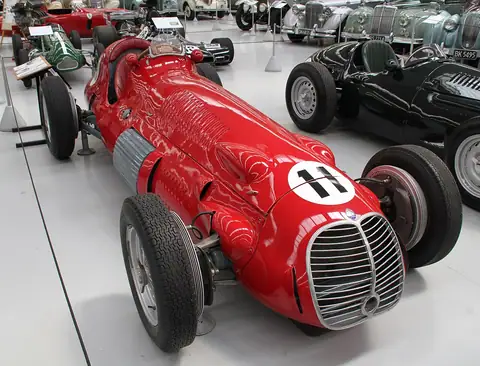
Maserati · 1950
8CLT
2 Built
See all 101 cars by Maserati →
More from Italy
-
Ferrari
365 GTS
Production not yet verified
-
Lancia · 1970–1973
Fulvia Coupé 1600 HF (second series)
3,690 Built
-
Fiat
Steyr-Fiat 126 (1970s)
Production not yet verified
-
Alfa Romeo · 1965–1967
Gran Sport Quattroruote (Zagato)
92 Built
62 other makes from ItalyAbarthACM AutomobiliAlfa RomeoAres DesignATSAuto Avio CostruzioniAutobianchiAznomB EngineeringBandiniBertoneBizzarriniBrixia-ZüstCagivaCarrozzeria Touring SuperleggeraCeiranoChiribiriCisitaliaCizetaColoniCoviniDallaraDe TomasoDiattoF.I.A.L. LegnanoFerrariFervesFiatFissoreFlorentiaGhiaInnocentiIntermeccanicaIsoIsotta FraschiniItalaItaldesignLaffiteLamborghiniLanciaAll makes →