Makes › Melkus › RS 1000 · Specialist manufacturer · 1969–1979 Extremely Rare
Melkus
RS 1000
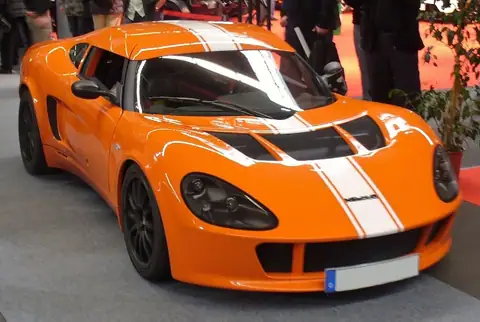
East German gull-wing Wartburg-based sports car; exactly 101 built (later re-editions excluded)
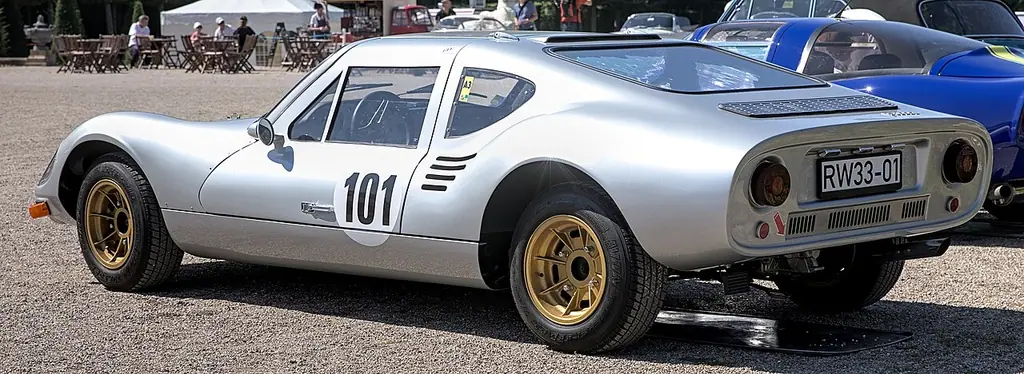
Photo: Alexander Migl · CC BY-SA 4.0
Contents
01Overview
At a glance
- Built
- 101 Built
- Years
- 1969–1979
- Engine
- Rear-mounted three-cylinder (modified Wartburg, three carburettors) · 998 cc / 1.0 LFactory: 998 cc
- Power
- 52.2 kW / 71 PSFactory: 70 hp · converted
- Top speed
- 165 km/hFactory: 165 km/h
- Body
- Not yet verified
- Designer
- Heinz Melkus; design refined by Stefan Scheitler
- In this archive
- Not yet verified
- Surviving
- Not yet verified
Sources and any conflicting figures are in the sections below.
Why it matters
The RS 1000 was a rare sports car in the GDR, where few sporting vehicles were available. Built by Heinz Melkus in Dresden on Wartburg mechanicals, its gullwing doors and low fibreglass body made it the best-known East German sports car, with exactly 101 made.
How rare is it?
Six separate kinds of rarity – never combined into one number.
Each kind of rarity is rated separately and never combined.
Photos
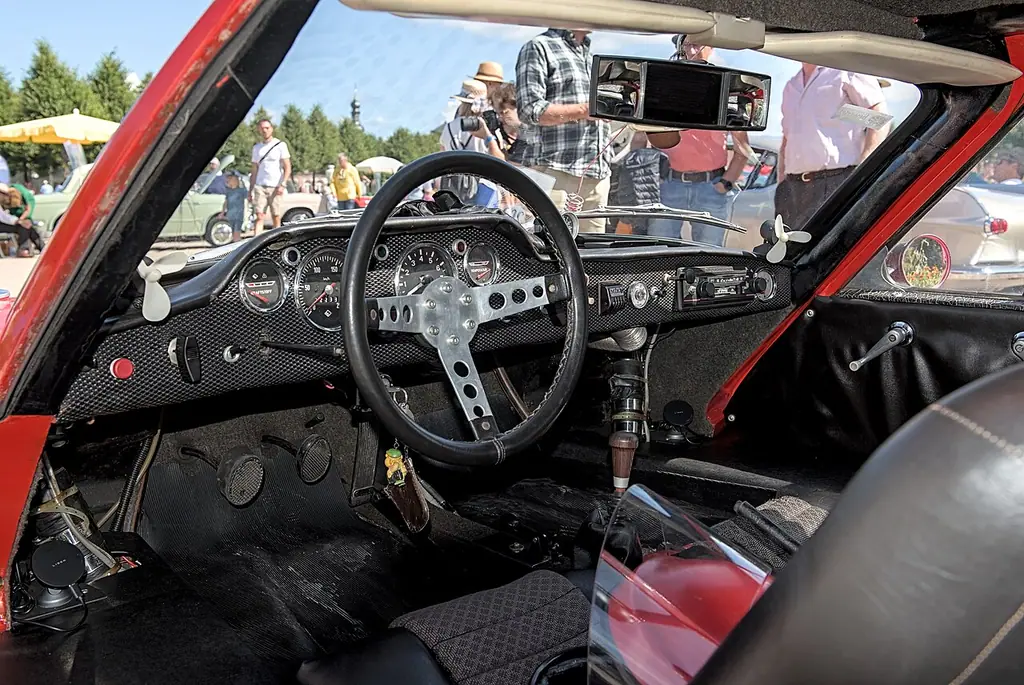
Exterior, interior and detail photos with their licences.
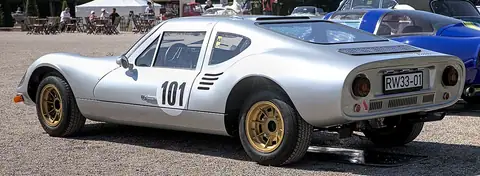 Melkus RS 1000 (Wikimedia Commons: Melkus RS 1000)
Photo: Alexander Migl · CC BY-SA 4.0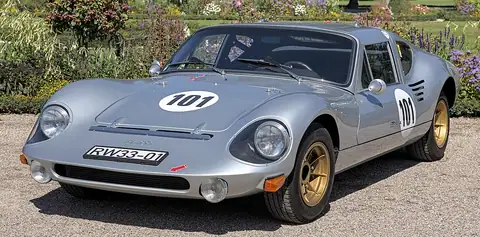 Melkus RS 1000 (Wikimedia Commons: Melkus RS 1000)
Photo: Alexander Migl · CC BY-SA 4.0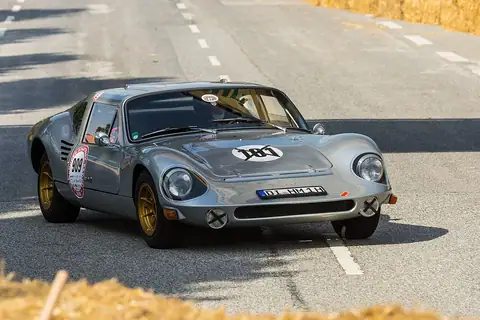 Melkus RS 1000 (Wikimedia Commons: Melkus RS 1000)
Photo: Sebastian Koppehel · CC BY 4.0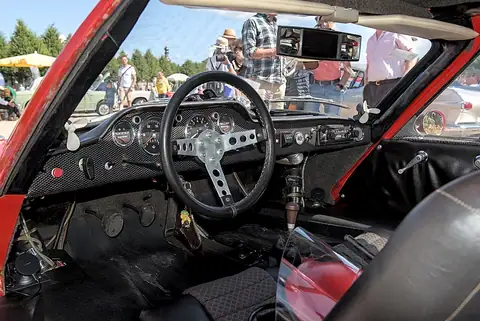 Melkus RS 1000 (Wikimedia Commons: Melkus RS 1000)
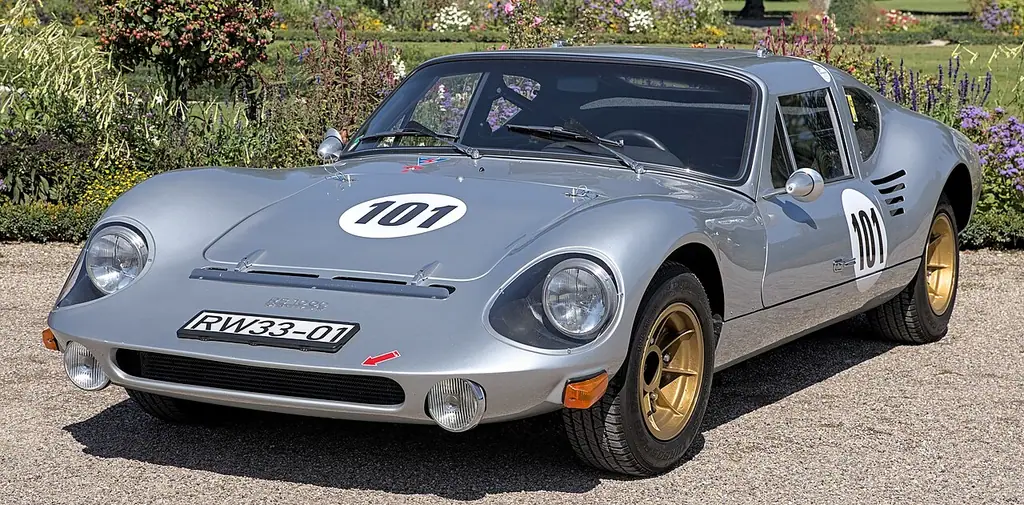
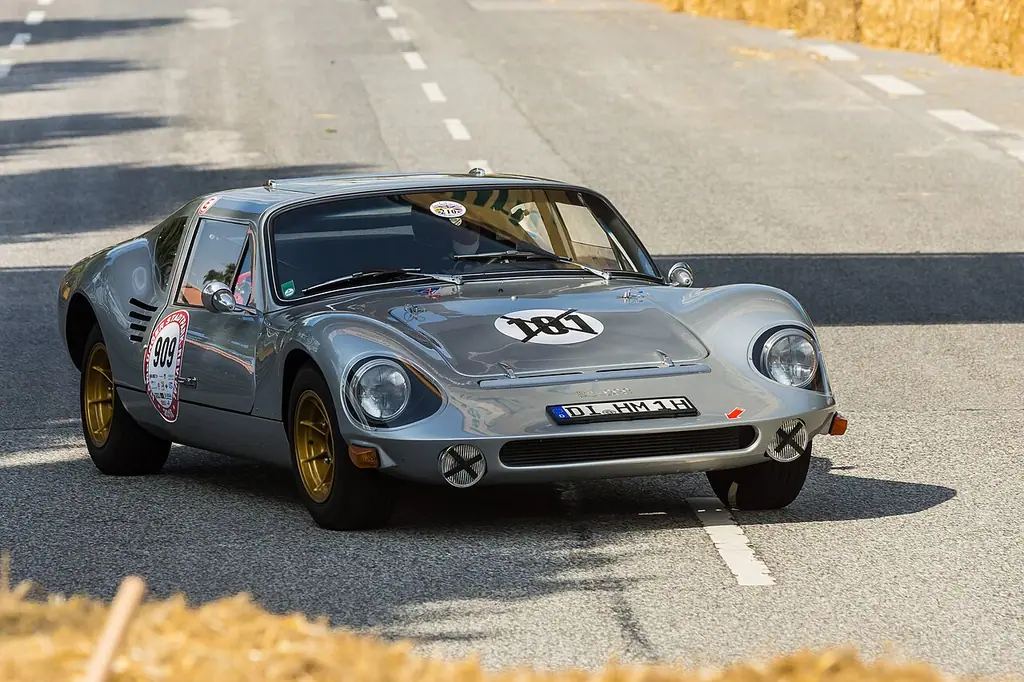
Photo: Alexander Migl · CC BY-SA 4.0
02Production & history
Production
Every figure says what it counts.
| What is counted | Figure | Basis | Status |
|---|---|---|---|
| Total model productionoriginal RS1000 | 1011 | Factory production | Independently researched |
Independent counts (e.g. engine and colour) are never combined into a calculated figure. Surviving examples are never presented as original production.
History
Heinz Melkus and his sons Peter and Ulli produced a 1:10 scale model, and Stefan Scheitler of the Berlin Art Academy refined the design. The prototype, RS1000 GT1, was first driven on 1 January 1969 and shown in April that year. Production ran from 1970 to 1979, totalling 101 cars. Peter Melkus and his son Sepp later revived the name with new editions, which are separate from the original run.
Variants
How each version differs from the standard RS 1000.
No variants documented yet. Have a source? Contribute it.
03Specifications
Technical specifications
Engine
| Engine family | Not yet verified |
|---|---|
| Engine code | AWE353/12 Independently researched |
| Layout | Rear-mounted three-cylinder (modified Wartburg, three carburettors)3 Independently researched |
| Cylinders | 32 Independently researchedThe data sheet lists the engine as a water-cooled two-stroke (Taktung 2), mid-mounted. |
| Displacement | 998 cc / 1.0 LFactory: 998 cc3 Independently researched |
| Bore | Not yet verified |
| Stroke | Not yet verified |
| Compression ratio | 8.3:12 Independently researched |
| Fuel system | Three BVF 28N1/3 carburettors2 Independently researched |
| Power | 52.2 kW / 71 PSFactory: 70 hp · converted3 Independently researched |
| Power at | 4,500 rpm2 Independently researched |
| Torque | 118 NmFactory: 118 Nm2 Independently researched |
| Torque at | 3,500 rpm2 Independently researched |
Transmission & drivetrain
| Gearbox | Wartburg gearbox modified by König, Dresden3 Independently researched |
|---|---|
| Gears | 52 Independently researched |
| Driven wheels | Rear2 Independently researched |
Chassis, body & dimensions
| Chassis | Not yet verified |
|---|---|
| Front suspension | Independent, double wishbones, coil springs, anti-roll bar2 Independently researched |
| Rear suspension | Semi-trailing-arm axle, coil springs, anti-roll bar2 Independently researched |
| Brakes | Drums front and rear2 Independently researched |
| Steering | Not yet verified |
| Body construction | Not yet verified |
| Wheelbase | 2,450 mmFactory: 2,450 mm2 Independently researched |
| Length | 4,000 mmFactory: 4,000 mm2 Independently researched |
| Width | 1,700 mmFactory: 1,700 mm2 Independently researched |
| Height | 1,070 mmFactory: 1,070 mm2 Independently researched |
| Front track | 1,340 mmFactory: 1,340 mm2 Independently researched |
| Rear track | 1,380 mmFactory: 1,380 mm2 Independently researched |
| Kerb weight | 690 kgFactory: 690 kg2 Independently researched |
| Dry weight | Not yet verified |
Performance
| Maximum speed | 165 km/hFactory: 165 km/h2 Independently researched |
|---|---|
| 0–100 km/h | 14 s2 Independently researched |
| Fuel tank | 60 LFactory: 60 L2 Independently researched |
“Not yet verified” means no source has been checked for that value yet. Nothing is estimated to fill a gap.
04Colours & options
Factory colours & interiors
Original paint and trim, with the number of cars in each where a source gives it.
Not yet documented. Have a source? Contribute it.
Factory options & codes
Codes are shown exactly as written by the manufacturer.
Not yet documented. Have a source? Contribute it.
05Individual cars
Chassis register
Every documented car, with its colours, history and where it is now. Open a row for the full record. Known chassis are not automatically authenticated originals.
Not yet documented. Have a source? Contribute it.
Competition history
Every race result of the individual cars, in date order. Click a chassis number to open its full record in the register.
Not yet documented. Have a source? Contribute it.
Auction & sale history
Documented public sales of the individual cars. Click a chassis number to open its full record in the register.
Not yet documented. Have a source? Contribute it.
See one in person
Museums where an example of this car can be seen.
No example is documented on public display yet. Have a source? Contribute it.
06Reference
Identification guide
How to tell an original from a replica or later conversion.
About one metre tall with roof-hinged gullwing doors, a glass-fibre-reinforced polyester body over a steel chassis, steel roof and doors with integrated roll bar, and extra welded chassis struts. Production cars ran steel wheels (racing versions used Elektron rims); the rear-mounted Wartburg-based three-cylinder of 998 cc has three carburettors. Later Melkus re-editions are not part of the 101 originals.
Sources
Each number links to the exact facts it supports.
- 1
-
2
Datenblatt Melkus RS 1000 AWE353/1 Level D Carsablanca Oldtimer-Lexikon
- Motorkennbuchstabe AWE353/1
- Zylinder 3
- Verdichtung 8,3:1
- 3 Zentralschwimmervergaser BVF28N1/3
- 70 PS bei 4500 1/min
- 118 Nm bei 3500 1/min
- Vorwaertsgaenge 5
- Antriebsvariante Heckantrieb
- Einzelradaufhaengung, Doppel-Dreieckquerlenker, Schraubenfedern
- Schraeglenkerachse, Schraubenfedern
- Bremsen vorne Trommeln; hinten Trommeln
- Radstand 2450 mm
- Laenge 4000 mm
- Breite 1700 mm
- Hoehe 1070 mm
- Spurbreite vorne 1340 mm
- Spurbreite hinten 1380 mm
- Leergewicht 690 kg
- Hoechstgeschwindigkeit 165 km/h
- Beschleunigung 0-100 km/h 14.0
- Tankinhalt 60 l
-
3
50 years of Melkus RS1000 Level B Secret Classics
- modified Wartburg engine with three carburetors
- 998 cc
- about 70 hp
- Wartburg transmission modified by König in Dresden
Keep exploring