Makes › Nissan › Hypermini · Rare production · 1997–2000 Very Rare
Nissan
Hypermini
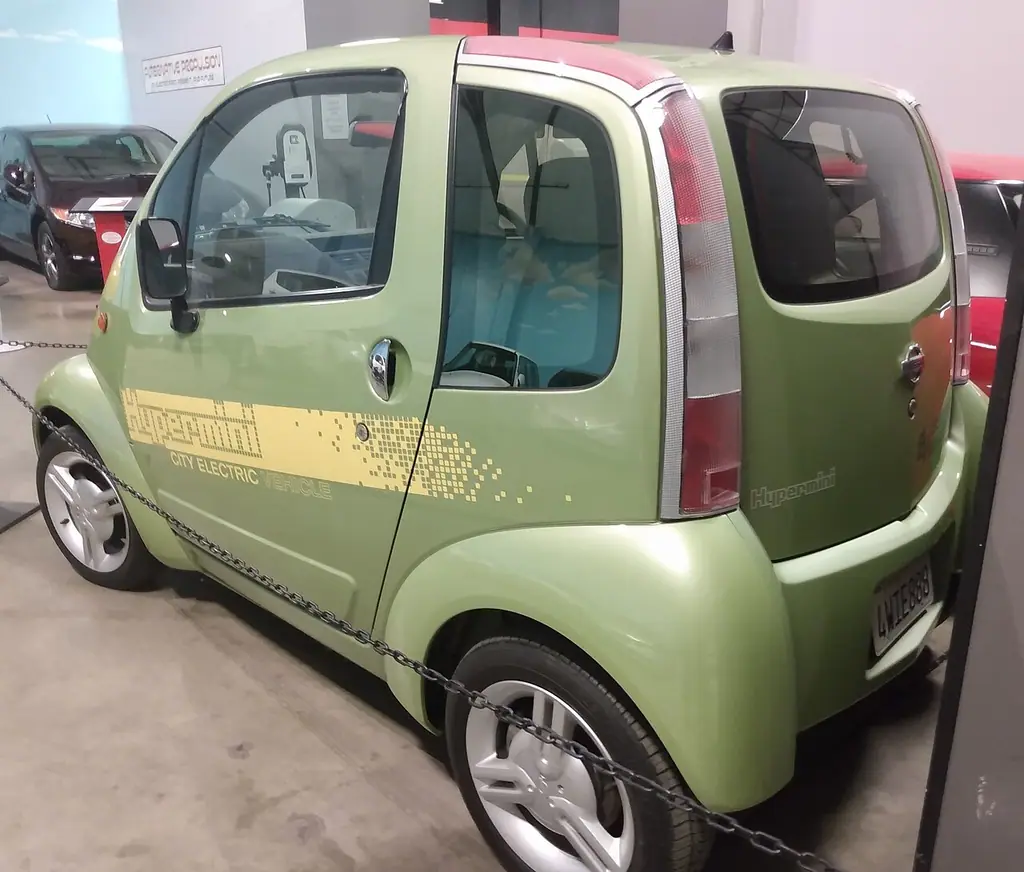
Small two-seat electric car; Nissan reportedly built about 300.
Still being researched: identification guide. Everything shown is checked against the cited sources. Know more? Send us a source.
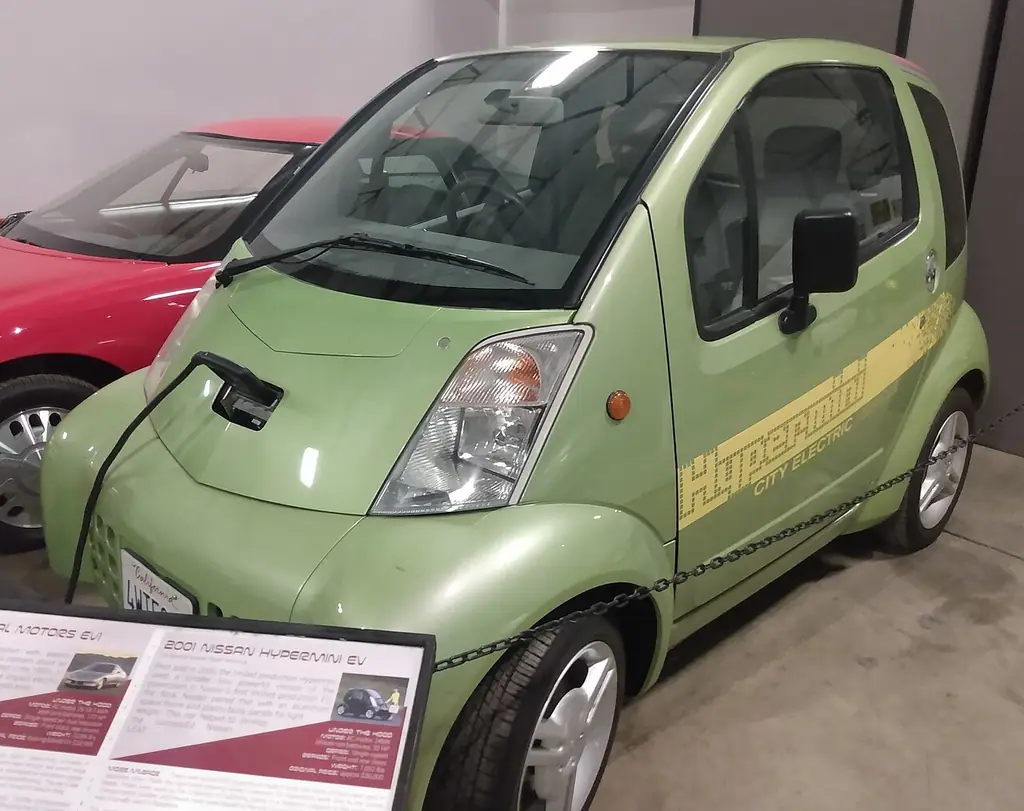
Photo: DestinationFearFan · CC BY-SA 4.0
Contents
01Overview
At a glance
- Built
- 300 Built
- Years
- 1997–2000
- Engine
- Electric traction motor, neodymium magnet synchronous AC
- Power
- 24 kW / 32.6 PSFactory: 24 kW
- Top speed
- 100 km/hFactory: 100 km/h
- Body
- Not yet verified
- Designer
- Not yet verified
- In this archive
- Not yet verified
- Surviving
- Not yet verified
Sources and any conflicting figures are in the sections below.
Why it matters
The Hypermini was a two-seat urban electric car that Nissan used to gather real-world data on EV use. Its aluminium spaceframe and inductive charging were the main engineering features Nissan highlighted.
How rare is it?
Six separate kinds of rarity – never combined into one number.
Each kind of rarity is rated separately and never combined.
Photos
Exterior, interior and detail photos with their licences.
 Nissan Hypermini (Wikimedia Commons search)
Photo: DestinationFearFan · CC BY-SA 4.0 Nissan Hypermini (Wikimedia Commons search)
Photo: DestinationFearFan · CC BY-SA 4.0


02Production & history
Production
Every figure says what it counts.
| What is counted | Figure | Basis | Status |
|---|---|---|---|
| Total model productionHypermini built, approximate figure reported to the author by a Nissan engineer | 3001 | Factory production | Independently researched |
Independent counts (e.g. engine and colour) are never combined into a calculated figure. Surviving examples are never presented as original production.
History
Nissan announced the Hypermini in September 1999 and placed 20 units in a Yokohama field trial in early 2000. Nissan later described it as a limited-production trial vehicle, and an interview cited by EV World put the total built at about 300.
The interview also said the car did not create a significant market impact.
Variants
How each version differs from the standard Hypermini.
No variants documented yet. Have a source? Contribute it.
03Specifications
Technical specifications
Engine
| Engine family | Not yet verified |
|---|---|
| Engine code | Not yet verified |
| Layout | Electric traction motor, neodymium magnet synchronous AC2 |
| Displacement | Not yet verified |
| Bore | Not yet verified |
| Stroke | Not yet verified |
| Compression ratio | Not yet verified |
| Fuel system | Not yet verified |
| Power | 24 kW / 32.6 PSFactory: 24 kW2Nissan also lists 33 PS for the same figure; kept in kW as the primary value. |
| Power at | Not yet verified |
| Torque | 130 NmFactory: 130 Nm2Nissan also lists 13.3 kgm. |
Transmission & drivetrain
| Gearbox | Not yet verified |
|---|---|
| Gears | Not yet verified |
| Driven wheels | Rear2 |
Chassis, body & dimensions
| Chassis | Aluminium spaceframe2 |
|---|---|
| Front suspension | Struts2 |
| Rear suspension | Struts2 |
| Brakes | Ventilated discs front, discs rear2 |
| Steering | Rack and pinion with power assist2 |
| Body construction | Not yet verified |
| Wheelbase | 1,890 mmFactory: 1,890 mm2 |
| Length | 2,665 mmFactory: 2,665 mm2 |
| Width | 1,475 mmFactory: 1,475 mm2 |
| Height | 1,550 mmFactory: 1,550 mm2 |
| Front track | 1,290 mmFactory: 1,290 mm2 |
| Rear track | 1,270 mmFactory: 1,270 mm2 |
| Kerb weight | 840 kgFactory: 840 kg2Nissan table says 'Vehicle weight'; kerb basis not stated. |
| Dry weight | Not yet verified |
Performance
| Maximum speed | 100 km/hFactory: 100 km/h2 |
|---|---|
| 0–100 km/h | Not yet verified |
| Fuel tank | Not yet verified |
“Not yet verified” means no source has been checked for that value yet. Nothing is estimated to fill a gap.
04Colours & options
Factory colours & interiors
Original paint and trim, with the number of cars in each where a source gives it.
Not yet documented. Have a source? Contribute it.
Factory options & codes
Codes are shown exactly as written by the manufacturer.
Not yet documented. Have a source? Contribute it.
05Individual cars
Chassis register
Every documented car, with its colours, history and where it is now. Open a row for the full record. Known chassis are not automatically authenticated originals.
Not yet documented. Have a source? Contribute it.
Competition history
Every race result of the individual cars, in date order. Click a chassis number to open its full record in the register.
Not yet documented. Have a source? Contribute it.
Auction & sale history
Documented public sales of the individual cars. Click a chassis number to open its full record in the register.
Not yet documented. Have a source? Contribute it.
See one in person
Museums where an example of this car can be seen.
No example is documented on public display yet. Have a source? Contribute it.
06Reference
Identification guide
How to tell an original from a replica or later conversion.
Not yet documented. Have a source? Contribute it.
Sources
Each number links to the exact facts it supports.
-
1
EV World syndicated article on the Nissan Hypermini Level C
- 300 Hypermini built, approximate figure reported to the author by a Nissan engineer
-
2
Start of Joint Field Demonstration Project Using Nissan's Hypermini Level A Nissan Motor Co., Ltd. · 2000-01-13
- Neodymium magnet synchronous AC traction motor
- 24 kW (33 PS)
- 130 N-m( 13.3 kg-m)
- Rear-wheel drive
- lightweight and highly rigid aluminum spaceframe
- Struts/Struts
- Ventilated disc brakes/Disc brakes
- Rack & pinion with power assist
- Wheelbase (mm) 1,890
- 2,665 x 1,475 x 1,550
- Track, front/rear (mm) 1,290/1,270
- Vehicle weight (kg) 840
- to attain a top speed of 100 km/h
Keep exploring
More from Nissan
-
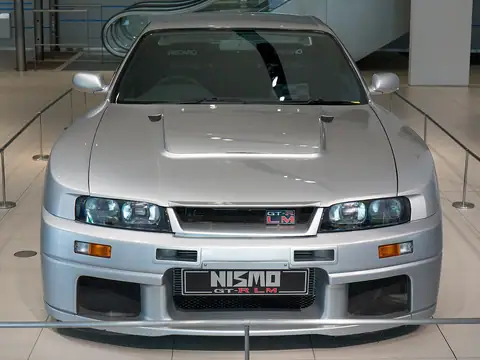
Nissan · 1995
NISMO GT-R LM road car (R33)
1 Built
-
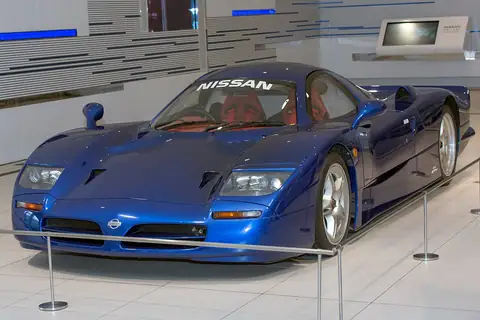
Nissan · 1997
R390 GT1 Road Car
1 Built
-
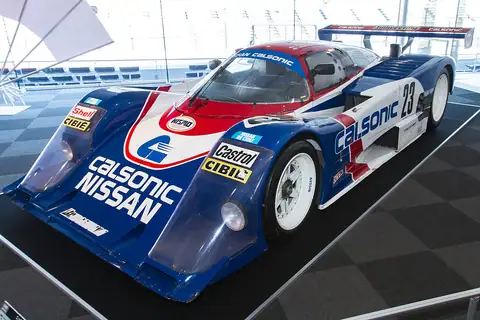
Nissan
R88C
4 Built
-
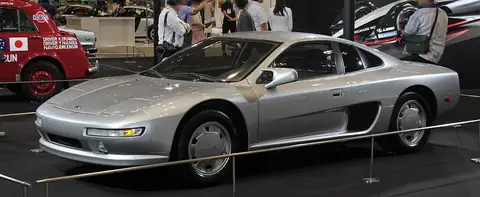
Nissan · 1985–1987
MID4 / MID4-II prototypes
5 Built
More from Japan
-
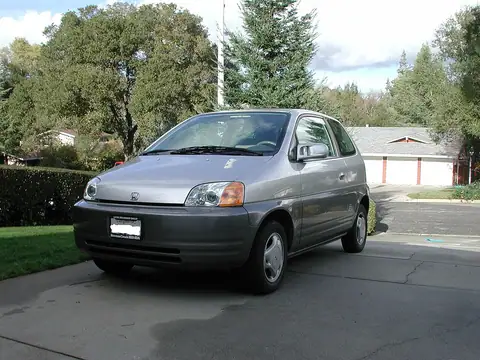
Honda
EV Plus
Production not yet verified
-
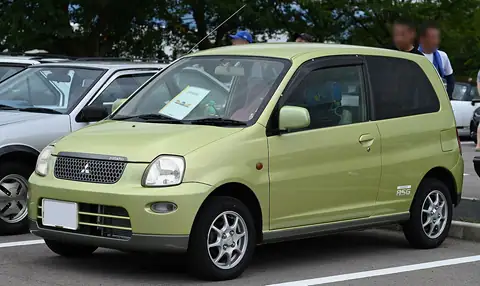
Mitsubishi
Pistachio (1999)
50 Built
-
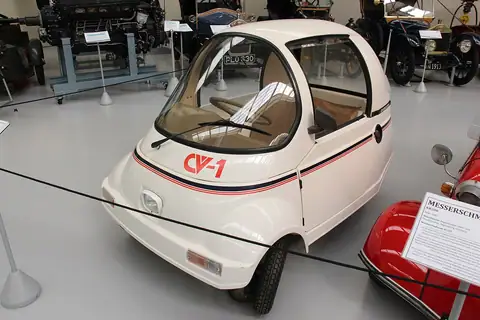
Suzuki
CV1 (1980s)
Production not yet verified
-
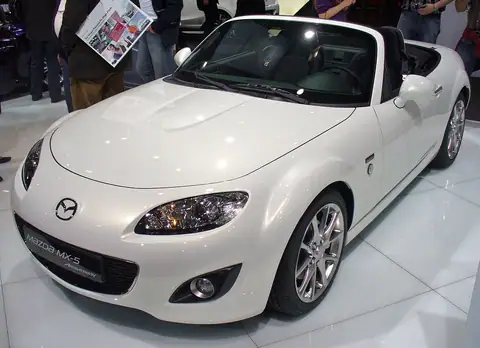
Mazda
MX-5 20th Anniversary (UK, 2010)
Production not yet verified
27 other makes from JapanAriaAsparkAutozamDaihatsuDatsunDomeHinoHondaInfinitiIsuzuJiottoKuroganeLexusMazdaMazdaspeedMitsubishiMitsuokaMossMugenOrcaScionSubaruSuzukiToyotaTRDVemacYamaha