Makes › Spyker › 60 HP (four-wheel-drive six-cylinder racer) · Factory competition · 1902–1903 One-off
Spyker
60 HP (four-wheel-drive six-cylinder racer)
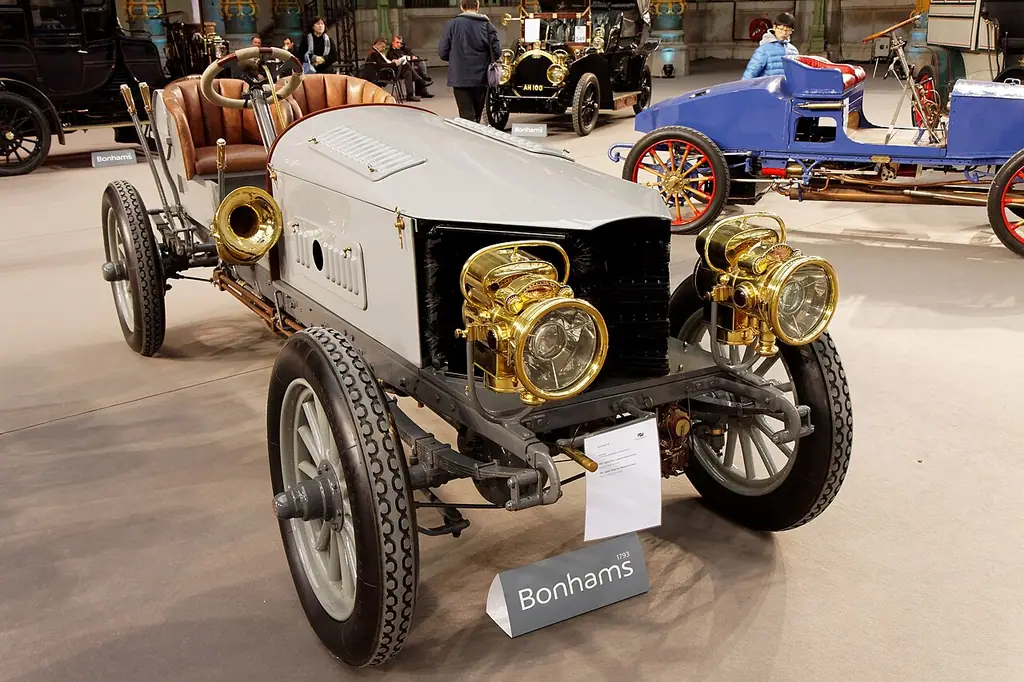
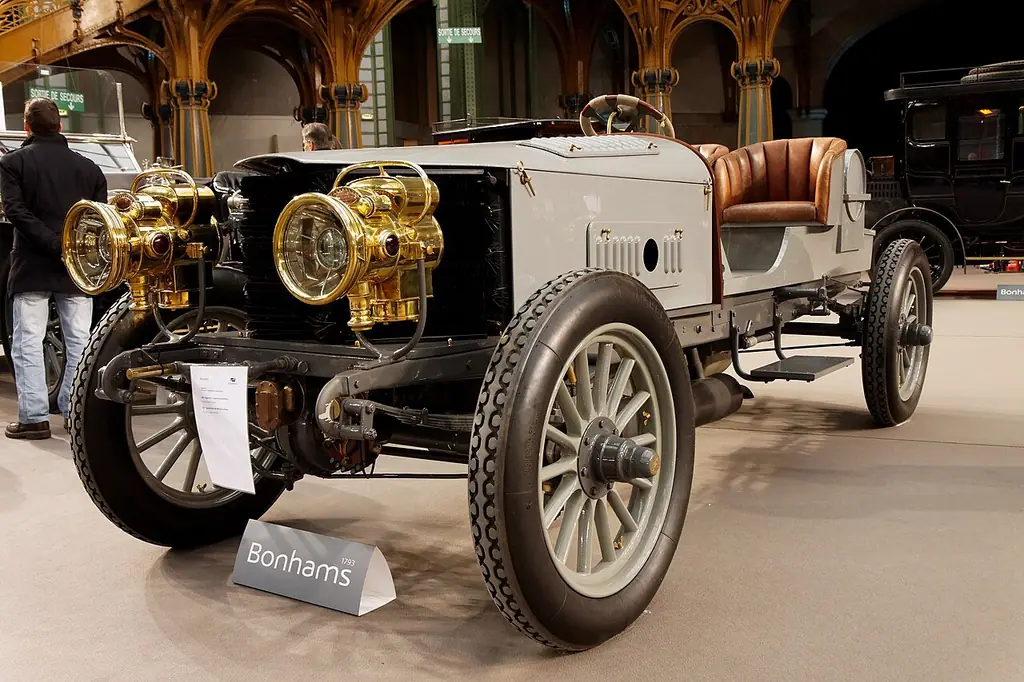
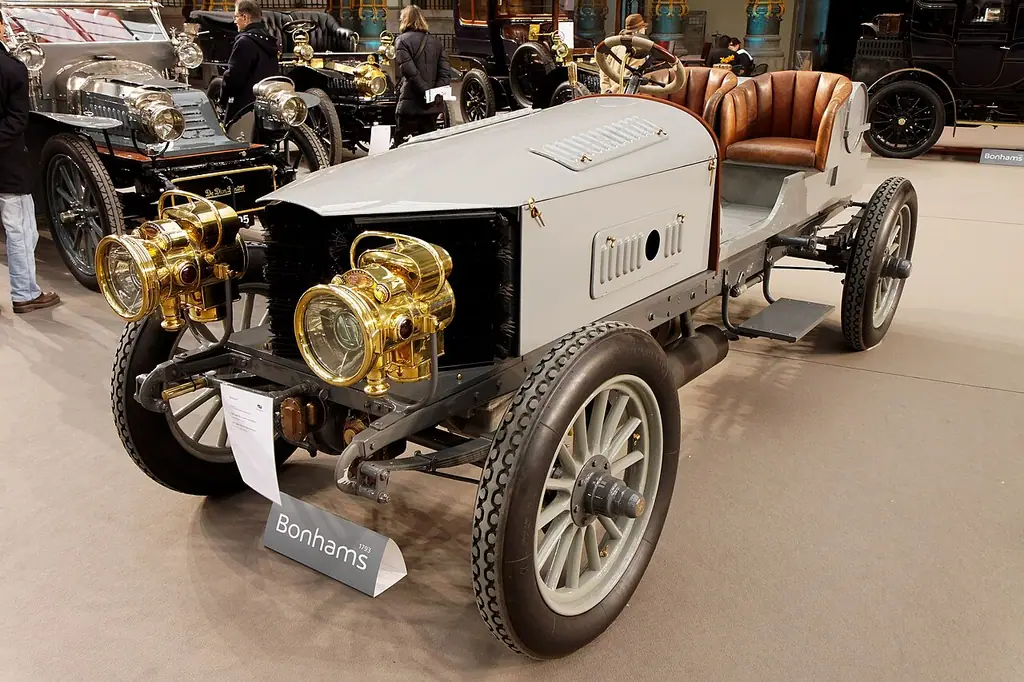
One-off 8.8-litre six-cylinder racer with four-wheel drive and four-wheel brakes; Louwman Museum
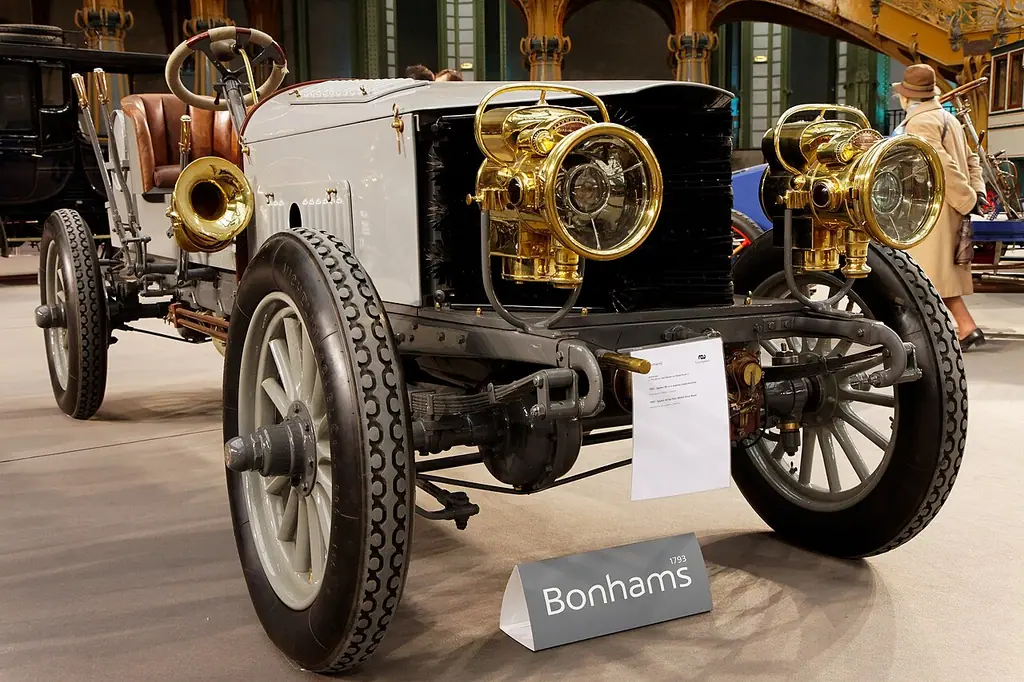
Photo: Thesupermat · CC BY-SA 3.0
Contents
01Overview
At a glance
- Built
- 1 Built
- Years
- 1902–1903
- Engine
- Inline six · 8,800 cc / 8.8 LFactory: 8.8 L
- Power
- 44.7 kW / 60.8 PSFactory: 60 hp · converted
- Top speed
- 75 km/hFactory: 75 km/h
- Body
- Not yet verified
- Designer
- Joseph Valentin Laviolette
- In this archive
- Not yet verified
- Surviving
- 1 (independently researched)
Sources and any conflicting figures are in the sections below.
Why it matters
The Spyker 60 HP is described by the Louwman Museum as the first car with a six-cylinder engine, and it was the first petrol car to combine four-wheel drive with brakes on all four wheels. The one-off Dutch racer is regarded as one of the most significant cars in motoring history.
How rare is it?
Six separate kinds of rarity – never combined into one number.
Each kind of rarity is rated separately and never combined.
Photos
Exterior, interior and detail photos with their licences.
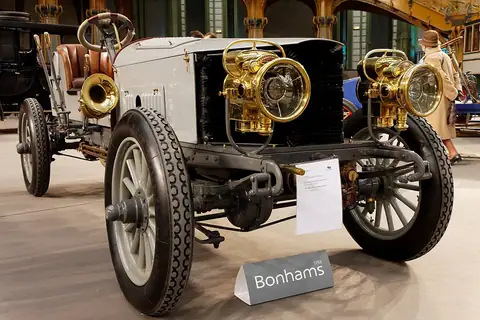 Spyker 60 HP (four-wheel-drive six-cylinder racer) (Wikimedia Commons: Spyker 60 HP)
Photo: Thesupermat · CC BY-SA 3.0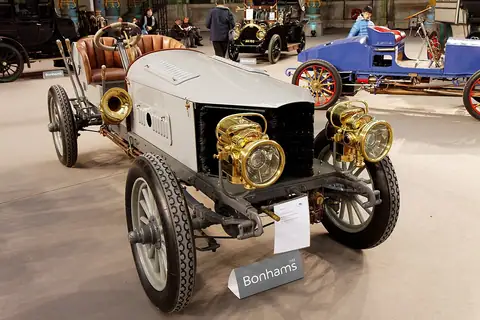 Spyker 60 HP (four-wheel-drive six-cylinder racer) (Wikimedia Commons: Spyker 60 HP)
Photo: Thesupermat · CC BY-SA 3.0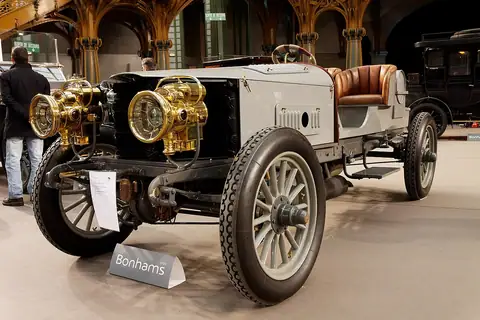 Spyker 60 HP (four-wheel-drive six-cylinder racer) (Wikimedia Commons: Spyker 60 HP)
Photo: Thesupermat · CC BY-SA 3.0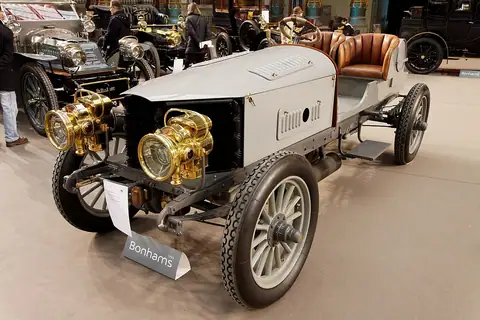 Spyker 60 HP (four-wheel-drive six-cylinder racer) (Wikimedia Commons: Spyker 60 HP)
Photo: Thesupermat · CC BY-SA 3.0


02Production & history
Production
Every figure says what it counts.
| What is counted | Figure | Basis | Status |
|---|---|---|---|
| Total model productionone car, held by the Louwmann Collection in the Netherlands (per Octane); Motor Sport says more than one may have been made | 12,3 | Surviving examples | Independently researched |
| Total model productionone-off | 11 | Factory production | Independently researched |
Independent counts (e.g. engine and colour) are never combined into a calculated figure. Surviving examples are never presented as original production.
History
Jacobus Spijker commissioned the car for the 1903 Paris-Madrid race, and Belgian engineer Joseph Valentin Laviolette designed its 8.8-litre six-cylinder engine and a transmission driving both axles. It was not ready for the race; it was launched in Paris in December 1903 and shown at the Crystal Palace in London two months later. After a poor restoration in the early 1920s and the company's bankruptcy, it passed through several Dutch museums between 1953 and 1993, by which time its body had been heavily altered. The Louwman Museum then restored it over five years to its 1904 Crystal Palace appearance.
Variants
How each version differs from the standard 60 HP (four-wheel-drive six-cylinder racer).
No variants documented yet. Have a source? Contribute it.
03Specifications
Technical specifications
Engine
| Engine family | Not yet verified |
|---|---|
| Engine code | Not yet verified |
| Layout | Inline six4 Independently researchedClaim by the car's handlers at the 2003 show, as reported by Car and Driver. |
| Cylinders | 65 Independently researched |
| Displacement | 8,800 cc / 8.8 LFactory: 8.8 L5 Independently researched |
| Bore | Not yet verified |
| Stroke | Not yet verified |
| Compression ratio | Not yet verified |
| Fuel system | Not yet verified |
| Power | 44.7 kW / 60.8 PSFactory: 60 hp · converted5 Independently researched |
| Power at | Not yet verified |
| Torque | Not yet verified |
Transmission & drivetrain
| Gearbox | Not yet verified |
|---|---|
| Gears | 25 Independently researched |
| Driven wheels | four-wheel drive6,5 Independently researchedLouwman spec table says rear-wheel drive, contradicting its own text. |
Chassis, body & dimensions
| Chassis | Not yet verified |
|---|---|
| Front suspension | Not yet verified |
| Rear suspension | Not yet verified |
| Brakes | Four-wheel brakes plus transmission brake6,5 Independently researched |
| Steering | Not yet verified |
| Body construction | Not yet verified |
| Wheelbase | 1.95 mFactory: 1.95 m5 Independently researched |
| Length | 4 mFactory: 4 m5 Independently researched |
| Width | 1.72 mFactory: 1.72 m5 Independently researched |
| Height | 1.52 mFactory: 1.52 m5 Independently researched |
| Front track | Not yet verified |
| Rear track | Not yet verified |
| Kerb weight | Not yet verified |
| Dry weight | Not yet verified |
Performance
| Maximum speed | 75 km/hFactory: 75 km/h5 Independently researched |
|---|---|
| 0–100 km/h | Not yet verified |
| Fuel tank | Not yet verified |
“Not yet verified” means no source has been checked for that value yet. Nothing is estimated to fill a gap.
04Colours & options
Factory colours & interiors
Original paint and trim, with the number of cars in each where a source gives it.
Not yet documented. Have a source? Contribute it.
Factory options & codes
Codes are shown exactly as written by the manufacturer.
Not yet documented. Have a source? Contribute it.
05Individual cars
Chassis register
Every documented car, with its colours, history and where it is now. Open a row for the full record. Known chassis are not automatically authenticated originals.
Not yet documented. Have a source? Contribute it.
Competition history
Every race result of the individual cars, in date order. Click a chassis number to open its full record in the register.
Not yet documented. Have a source? Contribute it.
Auction & sale history
Documented public sales of the individual cars. Click a chassis number to open its full record in the register.
Not yet documented. Have a source? Contribute it.
See one in person
Museums where an example of this car can be seen.
No example is documented on public display yet. Have a source? Contribute it.
06Reference
Identification guide
How to tell an original from a replica or later conversion.
Features that identify the car are the very large inline six-cylinder engine (given as 8.8 litres), a full-time four-wheel-drive system with three differentials, and four-wheel brakes, all at a time when none of these had appeared on a production-type car. It was shown at the 1903 Paris Salon with a claimed top speed of 80 mph. The Louwmann Collection in the Netherlands holds the car.
Sources
Each number links to the exact facts it supports.
- 1
-
2
Four-wheel drive (The Knowledge) Level C Octane / Classic & Performance Car · 2009-05-03
- 1903 Spyker 60hp, now in the Louwmann Collection
-
3
The superlative Spyker Level C Motor Sport Magazine · 1995-06
- more than one of this remarkable design was made
-
4
1903 Spyker 60HP (Pebble Beach 2003) Level C Car and Driver · 2003-08-01
- an immense 8.8-liter inline design
-
5
Spyker 60-hp Four-wheel Drive Racing Car Level B Louwman Museum
- six cylinder engine
- 8.8-litre six-cylinder engine
- producing 60 hp
- two gears
- drove the front as well as the rear wheels
- fitted a transmission brake
- wheelbase 1.95 m
- length 4 m
- width 1.72 m
- height 1.52 m
- top speed of 75 km/h
-
6
Alle modellen van Spyker ooit gebouwd Level B TopGear Nederland
- vierwielaandrijving
- remmen op alle vier de wielen
Keep exploring
More from Spyker
-
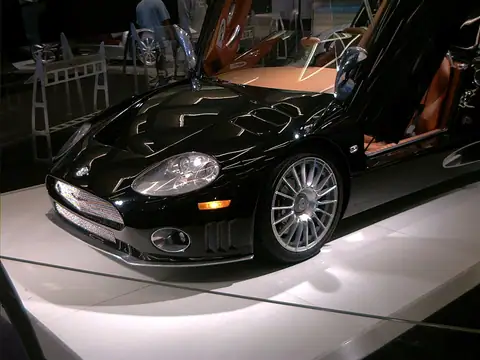
Spyker · 2005
C12 LaTurbie
1 Built
-
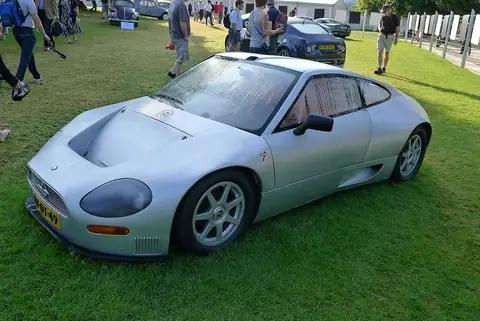
Spyker · 1999
Silvestris V8
1 Built
-
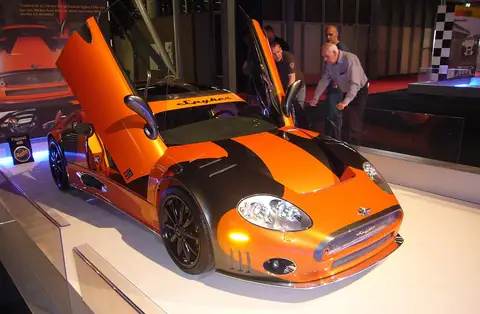
Spyker · 2008–2009
C8 Laviolette LM85
14 Built
-
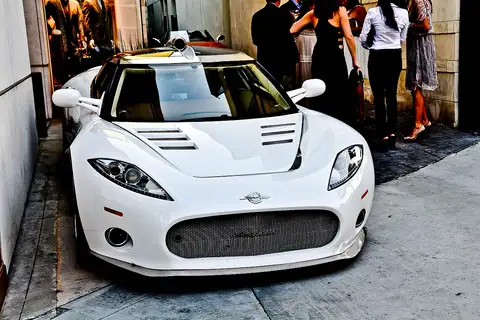
Spyker · 2009–2017
C8 Aileron (incl. Aileron Spyder / LM85)
17 Built
More from Netherlands
-
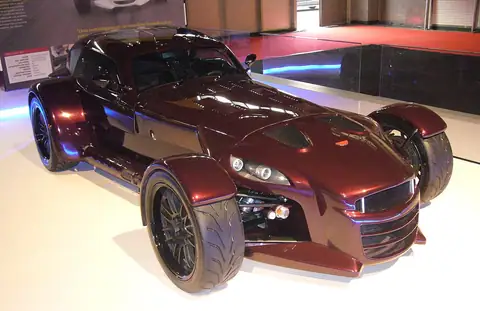
Donkervoort
D8 GT
Production not yet verified
-
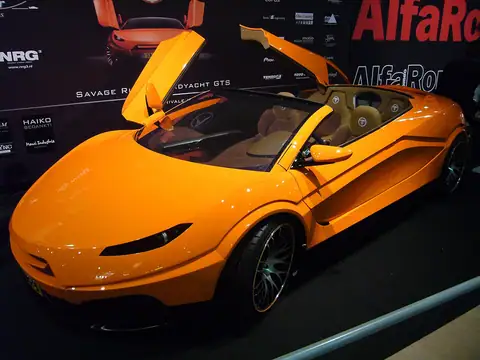
Savage Rivale
Roadyacht GTS
Production not yet verified
-
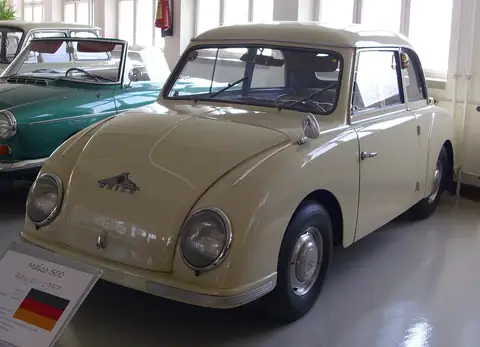
Maico
MC 500 G (1955-1956)
Production not yet verified
-
No licensed photo yet
DAF
DAF Daffodil S homologation
Production not yet verified
9 other makes from NetherlandsAGSDAFDonkervoortEysinkMaicoRamSavage RivaleVencerWitkar