Makes › Volkswagen › (Rometsch) Rometsch Beeskow Cabriolet / Coupé · Coachbuilt · 1950–1957 Extremely Rare
Volkswagen
(Rometsch) Rometsch Beeskow Cabriolet / Coupé
Aluminium-bodied 2+2 coupé and cabriolet on Beetle chassis by Karosserie Friedrich Rometsch, Berlin (design Johannes Beeskow).
Still being researched: full specifications. Everything shown is checked against the cited sources. Know more? Send us a source.
Contents
01Overview
At a glance
- Built
- 175 Built
- Years
- 1950–1957
- Engine
- Not yet verified
- Power
- 52.2 kW / 71 PSFactory: 70 hp · converted
- Top speed
- Not yet verified
- Body
- Rometsch
- Designer
- Johannes Beeskow
- In this archive
- Not yet verified
- Surviving
- 30 (independently researched)
Sources and any conflicting figures are in the sections below.
Why it matters
The Beeskow was a hand-built, aluminium-bodied sport cabriolet on a Volkswagen Beetle chassis, built in Berlin by Rometsch from 1950 and sold as an upmarket alternative to the Beetle. It was an early example of the post-war Volkswagen-based coachbuilt cars and was bought by well-known customers.
How rare is it?
Six separate kinds of rarity – never combined into one number.
Each kind of rarity is rated separately and never combined.
02Production & history
Production
Every figure says what it counts.
| What is counted | Figure | Basis | Status |
|---|---|---|---|
| Total model productionKnown surviving examples | 303 | Surviving examples | Independently researched |
| Total model productionBeeskow coupes and cabriolets built (mostly convertibles) | 1751,2 | Factory production | Registry reported |
Independent counts (e.g. engine and colour) are never combined into a calculated figure. Surviving examples are never presented as original production.
History
Johannes Beeskow, a coachbuilder who had worked for Josef Neuss before the war, took his coupe and cabriolet design to Rometsch in 1949. The Sportcabriolet was unveiled at the 1950 Berlin show. Volkswagen first sold chassis directly, then cut off supply because it was developing the Karmann Ghia, so Rometsch had to buy complete cars through employees or use customer-supplied cars.
No definitive count exists because many later cars used platforms bought on the open market; sources give about 170 to 200. In 1957 the Beeskow was replaced by the Lawrence.
Variants
How each version differs from the standard (Rometsch) Rometsch Beeskow Cabriolet / Coupé.
No variants documented yet. Have a source? Contribute it.
03Specifications
Technical specifications
Engine
| Engine family | Not yet verified |
|---|---|
| Engine code | Not yet verified |
| Layout | Not yet verified |
| Displacement | Not yet verified |
| Bore | Not yet verified |
| Stroke | Not yet verified |
| Compression ratio | Not yet verified |
| Fuel system | Not yet verified |
| Power | 52.2 kW / 71 PSFactory: 70 hp · converted3 Independently researchedOptional Okrasa engine on some cars; standard Beetle engine otherwise. |
| Power at | Not yet verified |
| Torque | Not yet verified |
Transmission & drivetrain
| Gearbox | Not yet verified |
|---|---|
| Gears | Not yet verified |
| Driven wheels | Not yet verified |
Chassis, body & dimensions
| Chassis | Steel frame with wood pillars on a VW Beetle chassis1 Independently researched |
|---|---|
| Front suspension | Not yet verified |
| Rear suspension | Not yet verified |
| Brakes | Not yet verified |
| Steering | Not yet verified |
| Body construction | Lightweight aluminium body1 Independently researched |
| Wheelbase | Not yet verified |
| Length | Not yet verified |
| Width | Not yet verified |
| Height | Not yet verified |
| Front track | Not yet verified |
| Rear track | Not yet verified |
| Kerb weight | Not yet verified |
| Dry weight | Not yet verified |
Performance
| Maximum speed | Not yet verified |
|---|---|
| 0–100 km/h | Not yet verified |
| Fuel tank | Not yet verified |
“Not yet verified” means no source has been checked for that value yet. Nothing is estimated to fill a gap.
04Colours & options
Factory colours & interiors
Original paint and trim, with the number of cars in each where a source gives it.
Not yet documented. Have a source? Contribute it.
Factory options & codes
Codes are shown exactly as written by the manufacturer.
Not yet documented. Have a source? Contribute it.
05Individual cars
Chassis register
Every documented car, with its colours, history and where it is now. Open a row for the full record. Known chassis are not automatically authenticated originals.
Not yet documented. Have a source? Contribute it.
Competition history
Every race result of the individual cars, in date order. Click a chassis number to open its full record in the register.
Not yet documented. Have a source? Contribute it.
Auction & sale history
Documented public sales of the individual cars. Click a chassis number to open its full record in the register.
Not yet documented. Have a source? Contribute it.
See one in person
Museums where an example of this car can be seen.
No example is documented on public display yet. Have a source? Contribute it.
06Reference
Identification guide
How to tell an original from a replica or later conversion.
Beeskows are three-seat coupes or cabriolets with a lightweight aluminium body on a steel frame with wooden pillars and Volkswagen Beetle running gear. Some cars were fitted with a dual-port Okrasa engine making about 70 bhp.
Sources
Each number links to the exact facts it supports.
-
1
Rometsch Beeskow Level B conceptcarz
- of which 175 examples were built, the majority of which were convertibles
- used a steel frame with wood pillars
- lightweight aluminum body
-
2
Motor1 Deutschland – VW Käfer Raritäten der Autostadt-Sammlung Level C
- 280 Beeskow coupés and cabriolets built up to 1957 (approx.)
-
3
1956-1957 Rometsch Beeskow Sport Cabriolet Level B Supercars.net
- about 30 cars remaining
- dual-port Okrasa motor that could produce 70 bhp
Keep exploring
More from Volkswagen
-
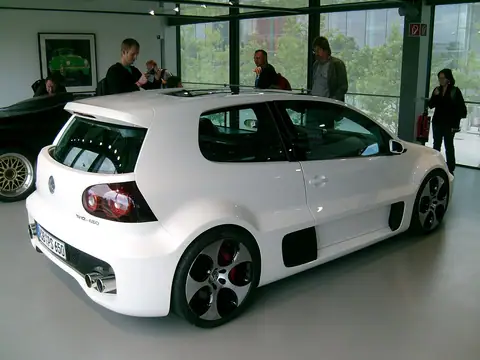
Volkswagen · 2007
Golf GTI W12-650
1 Built
-
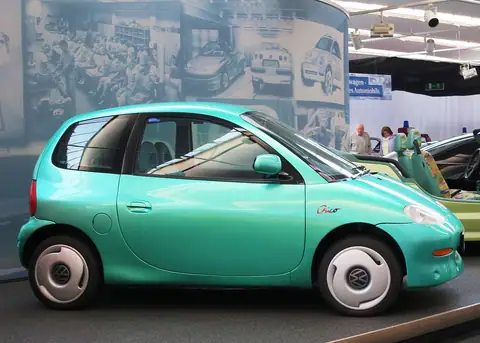
Volkswagen
Chico
3 Built
-
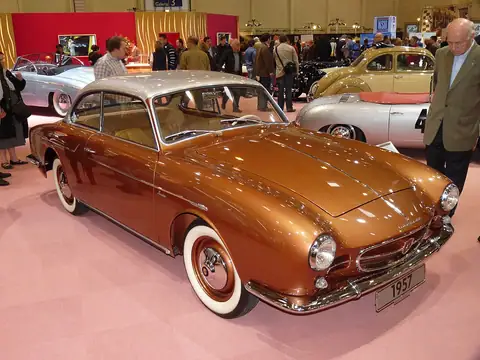
Volkswagen
Beutler Coupé (Käfer)
28 Built
-
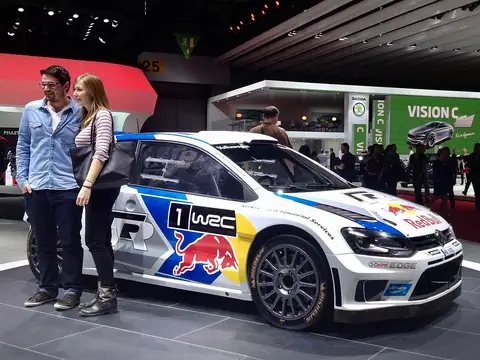
Volkswagen · 2013–2016
Polo R WRC (works cars)
32 Built
See all 121 cars by Volkswagen →
More from Germany
-
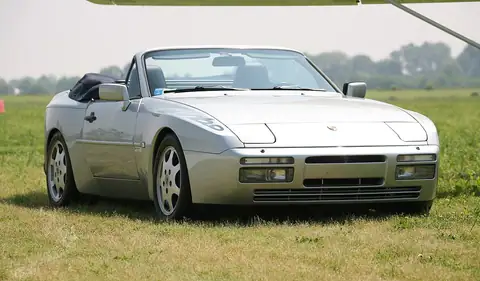
Porsche
944 Turbo Cabriolet (limited series)
Production not yet verified
-
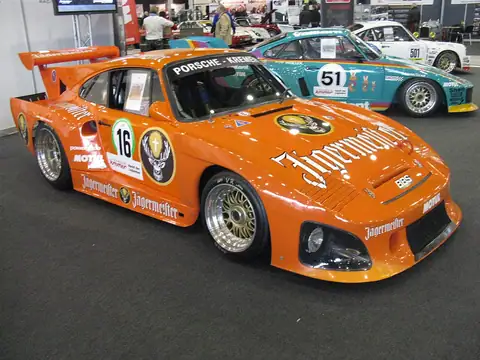
Kremer
Porsche 935 K3
Production not yet verified
-
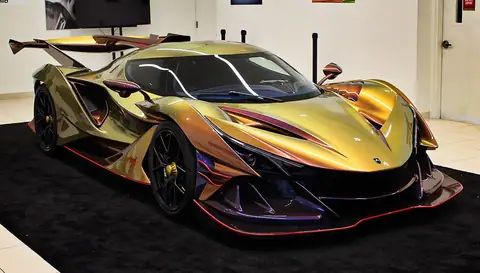
Apollo · 2019–2020
Intensa Emozione
10 Built
-
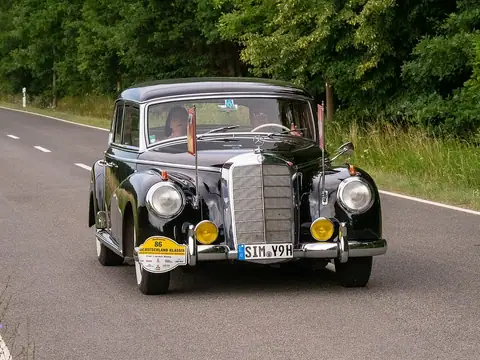
Mercedes-Benz
300 Limousine (W 186, Adenauer)
Production not yet verified
78 other makes from Germany9ffAC SchnitzerAdlerAgria-WerkeAlbertAlpinaAMGAMOAmphicarApolloArtegaAudiAuto UnionAutomobili PininfarinaBayerische AutowerkeBenzBenz & Cie.BitterBMWBohseBoldmenBorgwardBovensiepenBrabusBrennaborBrütschCarlssonChampionDaimler-Motoren-GesellschaftDauerDKWFMR (Messerschmitt)FuldamobilGemballaGepardGlasGoggomobilGoliathGumpertGutbrodAll makes →