Makes › Abarth › Simca 2000 GT · Factory competition · 1963–1965 Extremely Rare
Abarth
Simca 2000 GT
Abarth-built GT on Simca 1000 floorpan with Abarth twin-cam 2.0; homologation target of 100 probably never met
Still being researched: full specifications. Everything shown is checked against the cited sources. Know more? Send us a source.
Contents
01Overview
At a glance
- Built
- 100 Built
- Years
- 1963–1965
- Engine
- 1,946 cc / 1.9 LFactory: 1,946 cc
- Power
- 132 kW / 179 PSFactory: 177 hp · converted
- Top speed
- 257 km/hFactory: 160 mph · converted
- Body
- Not yet verified
- Designer
- Not yet verified
- In this archive
- Not yet verified
- Surviving
- Not yet verified
Sources and any conflicting figures are in the sections below.
Why it matters
The Abarth-Simca 2000 GT came out of the 1960s partnership between Abarth and Simca, whose cars won 177 times in 1964, including a win over a Ferrari 250 GTO at the San Remo mountain trophy. The 2000 GT was one of the larger-engined versions beside the 1300 GT.
How rare is it?
Six separate kinds of rarity – never combined into one number.
Each kind of rarity is rated separately and never combined.
02Production & history
Production
Every figure says what it counts.
| What is counted | Figure | Basis | Status |
|---|---|---|---|
| Total model productionapproximate, all displacements | 1001 | Factory production | Registry reported |
Independent counts (e.g. engine and colour) are never combined into a calculated figure. Surviving examples are never presented as original production.
History
Abarth and Simca began collaborating in 1962: Abarth received a Simca 1000 floorpan with transmission, steering and suspension, shortened it and fitted a light aluminium body. The 1600 GT and 2000 GT followed in 1963. Production years are given as 1963-65 with roughly 100 cars in total for all displacements, although homologation required 100 of each of the 1300 and 2000 and numbers likely fell short.
Chrysler's takeover of Simca in 1965 ended the collaboration. Abarth kept 30 unsold cars at the factory until 1968, when they were sent without mechanicals to the UK Abarth concessionaire Radbourne Racing.
Variants
How each version differs from the standard Simca 2000 GT.
No variants documented yet. Have a source? Contribute it.
03Specifications
Technical specifications
Engine
| Engine family | Not yet verified |
|---|---|
| Engine code | Not yet verified |
| Layout | Not yet verified |
| Cylinders | 41 Independently researched |
| Displacement | 1,946 cc / 1.9 LFactory: 1,946 cc1 Independently researchedSpecification of the 2000 GT as originally built for the catalogued car. |
| Bore | Not yet verified |
| Stroke | Not yet verified |
| Compression ratio | Not yet verified |
| Valvetrain | DOHC, twin-plug, dry sump1 Independently researched |
| Fuel system | Dual Weber DCOE carburettors1 Independently researched |
| Power | 132 kW / 179 PSFactory: 177 hp · converted1 Independently researched |
| Power at | Not yet verified |
| Torque | Not yet verified |
Transmission & drivetrain
| Gearbox | Not yet verified |
|---|---|
| Gears | 61 Independently researched |
| Driven wheels | Not yet verified |
Chassis, body & dimensions
| Chassis | Not yet verified |
|---|---|
| Front suspension | Not yet verified |
| Rear suspension | Not yet verified |
| Brakes | Not yet verified |
| Steering | Not yet verified |
| Body construction | Not yet verified |
| Wheelbase | Not yet verified |
| Length | Not yet verified |
| Width | Not yet verified |
| Height | Not yet verified |
| Front track | Not yet verified |
| Rear track | Not yet verified |
| Kerb weight | Not yet verified |
| Dry weight | Not yet verified |
Performance
| Maximum speed | 257 km/hFactory: 160 mph · converted1 Independently researchedStated as "over 160 mph". |
|---|---|
| 0–100 km/h | Not yet verified |
| Fuel tank | Not yet verified |
“Not yet verified” means no source has been checked for that value yet. Nothing is estimated to fill a gap.
04Colours & options
Factory colours & interiors
Original paint and trim, with the number of cars in each where a source gives it.
Not yet documented. Have a source? Contribute it.
Factory options & codes
Codes are shown exactly as written by the manufacturer.
Not yet documented. Have a source? Contribute it.
05Individual cars
Chassis register
Every documented car, with its colours, history and where it is now. Open a row for the full record. Known chassis are not automatically authenticated originals.
Not yet documented. Have a source? Contribute it.
Competition history
Every race result of the individual cars, in date order. Click a chassis number to open its full record in the register.
Not yet documented. Have a source? Contribute it.
Auction & sale history
Documented public sales of the individual cars. Click a chassis number to open its full record in the register.
Not yet documented. Have a source? Contribute it.
See one in person
Museums where an example of this car can be seen.
No example is documented on public display yet. Have a source? Contribute it.
06Reference
Identification guide
How to tell an original from a replica or later conversion.
Bodies evolved from the early short-nose round-tail form to the 'ducktail' with an upswept rear and then, from the end of 1964, the long-nose type with a front-hinged clamshell lid. Aluminium bodies were made by Carrozzeria Sibona-Basano of Turin, and only some 15 long-nose cars are thought to have been built. Individual cosmetic differences are common because Abarth supplied custom parts to privateers. Chassis numbers are stamped on the front left of the body under the lid near the windscreen base.
Sources
Each number links to the exact facts it supports.
-
1
1965 Abarth-Simca 2000 GT Level B Sports Car Market
- Number Produced: 100 (approximate for all displacements)
- 1,946-cc DOHC 4-cylinder
- dry-sump, twin-plug, DOHC
- dual Weber DCOE carburetors
- Output was 177 hp
- optional 6-speed manual gearbox, two extra gears added by Abarth
- enough for over 160 mph
Keep exploring
More from Abarth
-
Abarth
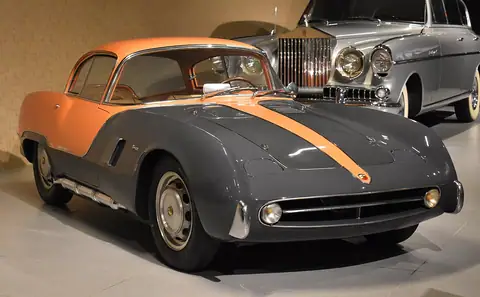
209A
Production not yet verified
-
Abarth
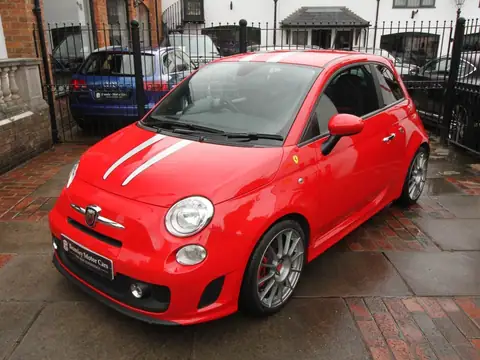
500 Ferrari Dealers
Production not yet verified
-
Abarth
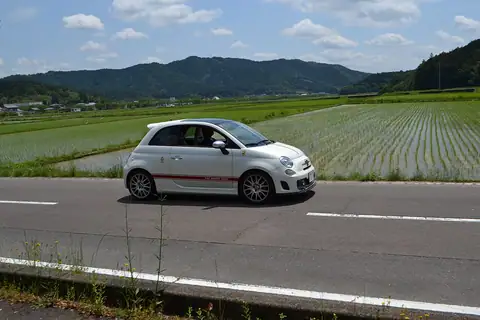
595 50th Anniversary
Production not yet verified
-
Abarth
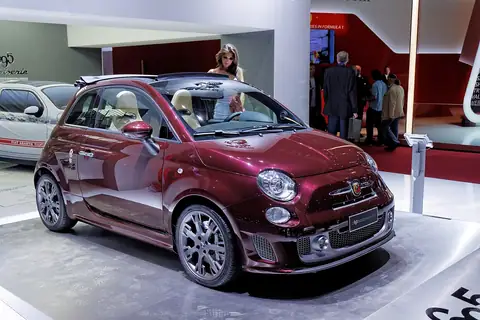
695 Edizione Maserati (2011)
Production not yet verified
See all 25 cars by Abarth →The Fiat family →
More from Italy
-
Maserati
Ghibli Cup
Production not yet verified
-
Ferrari · 2000
F1-2000
Production not yet verified
-
Lamborghini
Egoista (2013)
Production not yet verified
-
Iso
Grifo A3/C
Production not yet verified
61 other makes from ItalyACM AutomobiliAlfa RomeoAres DesignATSAuto Avio CostruzioniAutobianchiAznomB EngineeringBandiniBertoneBizzarriniBrixia-ZüstCagivaCarrozzeria Touring SuperleggeraCeiranoChiribiriCisitaliaCizetaColoniCoviniDallaraDe TomasoDiattoF.I.A.L. LegnanoFerrariFervesFissoreFlorentiaGhiaInnocentiIntermeccanicaIsoIsotta FraschiniItalaItaldesignLaffiteLamborghiniLanciaMaseratiMazzantiAll makes →