Makes › Alfa Romeo › 8C › 8C 2300 Zagato Spider · Coachbuilt · 1931–1934 Very Rare
Alfa Romeo
8C 2300 Zagato Spider
Zagato-bodied short-chassis 8C 2300 road/race spiders
Still being researched: why it matters, full specifications. Everything shown is checked against the cited sources. Know more? Send us a source.
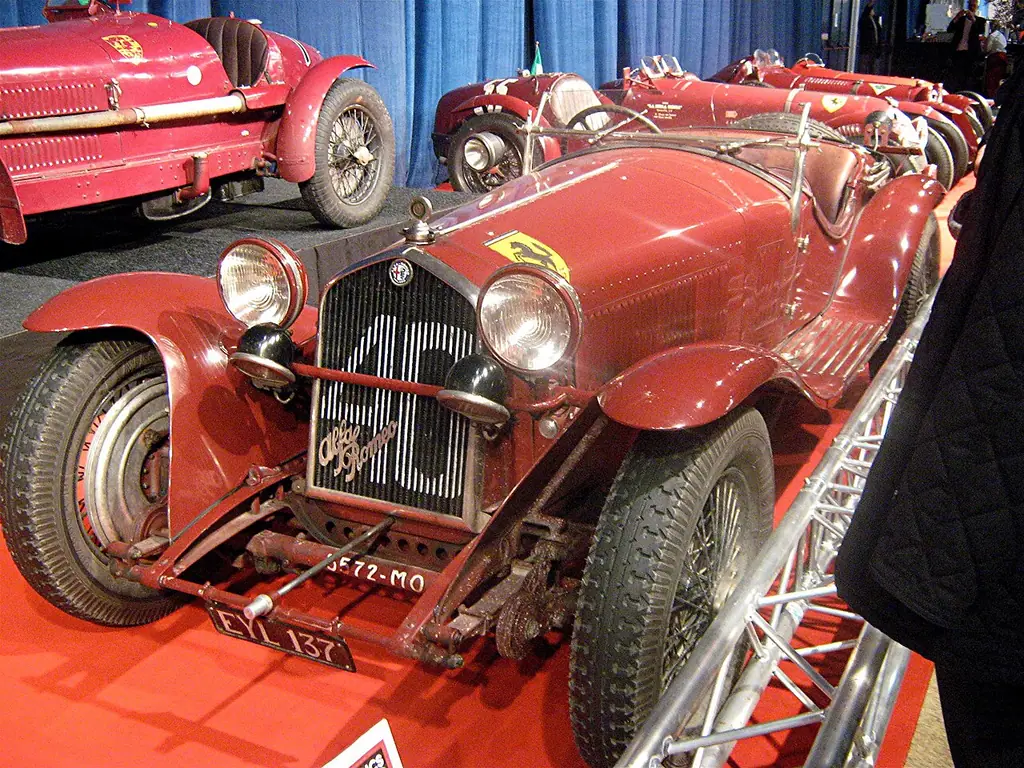
Photo: Norbert Schnitzler · CC BY-SA 2.0
Contents
01Overview
At a glance
- Built
- 308 Built
- Years
- 1931–1934
- Engine
- Front, longitudinal, inline eight-cylinder; two four-cylinder blocks (biblock) with light-alloy head · 2,336 cc / 2.3 LFactory: 2,336 cc
- Power
- 114 kW / 155 PSFactory: 155 PS
- Top speed
- Not yet verified
- Body
- Zagato
- Designer
- Not yet verified
- In this archive
- Not yet verified
- Surviving
- Not yet verified
Sources and any conflicting figures are in the sections below.
Why it matters
Not yet documented. Have a source? Contribute it.
How rare is it?
Six separate kinds of rarity – never combined into one number.
Each kind of rarity is rated separately and never combined.
Photos
Exterior, interior and detail photos with their licences.
 Alfa Romeo 8C 2300 Zagato Spider (Wikimedia Commons search)
Photo: Norbert Schnitzler · CC BY-SA 2.0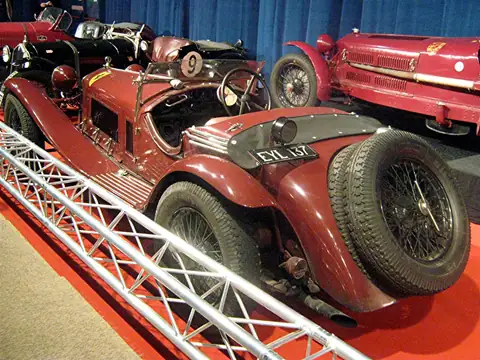 Alfa Romeo 8C 2300 Zagato Spider (Wikimedia Commons search)
Photo: Norbert Schnitzler · CC BY-SA 2.0
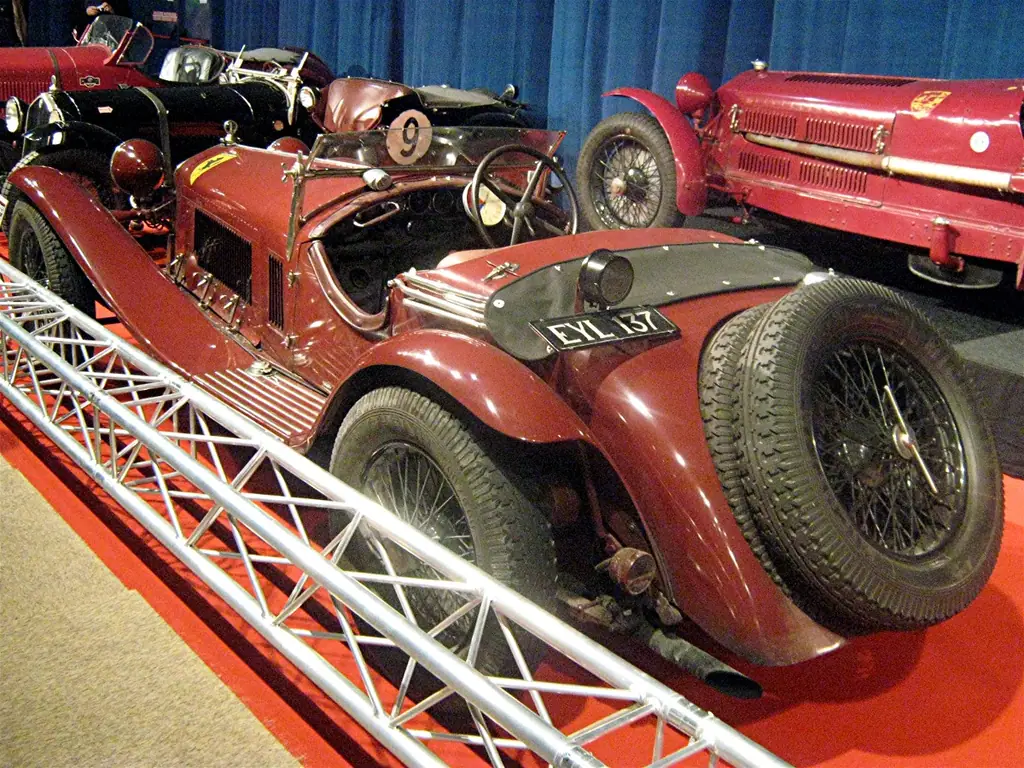


02Production & history
Production
Every figure says what it counts.
| What is counted | Figure | Basis | Status |
|---|---|---|---|
| Total model productionall 8C 2300 cars, 1931-1934, all bodies ("308 (8C 2300, 1931-1934)"); Zagato share not stated | 3081,2 | Factory production | Factory reported |
Independent counts (e.g. engine and colour) are never combined into a calculated figure. Surviving examples are never presented as original production.
History
Chassis 2111006 was the sixth first-series 8C built, in 1931, on the short chassis with a minimal works-style body for Alfa Corse. It was not ready for the 1931 Targa Florio, and its first known race was the 1931 Belgian Grand Prix, where Minoia's podium finish helped secure the first European Drivers' Championship. Scuderia Ferrari acquired it on 29 July 1931 and ran it for Nuvolari at the Coppa Ciano days later.
In 1932 it received Monza-specification upgrades and fuller Zagato-style rear bodywork, and appeared in a Scuderia Ferrari team photograph on the way to the 1932 Mille Miglia. It also started the 1934 Mille Miglia but retired shortly after Rome.
Variants
How each version differs from the standard 8C 2300 Zagato Spider.
No variants documented yet. Have a source? Contribute it.
03Specifications
Technical specifications
Engine
| Engine family | Not yet verified |
|---|---|
| Engine code | Not yet verified |
| Layout | Front, longitudinal, inline eight-cylinder; two four-cylinder blocks (biblock) with light-alloy head1 |
| Cylinders | 81 |
| Displacement | 2,336 cc / 2.3 LFactory: 2,336 cc1Base 8C 2300 figure from the museum page, which shows a specific museum car, not necessarily this body. |
| Bore | 65 mmFactory: 65 mm1Base 8C 2300 figure from the museum page, which shows a specific museum car, not necessarily this body. |
| Stroke | 88 mmFactory: 88 mm1Base 8C 2300 figure from the museum page, which shows a specific museum car, not necessarily this body. |
| Compression ratio | Not yet verified |
| Valvetrain | 2 valves per cylinder, 2 overhead camshafts driven by gears1 |
| Fuel system | Not yet verified |
| Induction | Positive-displacement (lobed) supercharger1 |
| Power | 114 kW / 155 PSFactory: 155 PS1Rating: manufacturerMuseum writes CV. Base 8C 2300 figure. |
| Power at | 5,200 rpm1 |
| Torque | Not yet verified |
Transmission & drivetrain
| Gearbox | Not yet verified |
|---|---|
| Gears | Not yet verified |
| Driven wheels | Not yet verified |
Chassis, body & dimensions
| Chassis | Not yet verified |
|---|---|
| Front suspension | Not yet verified |
| Rear suspension | Not yet verified |
| Brakes | Not yet verified |
| Steering | Not yet verified |
| Body construction | Not yet verified |
| Wheelbase | Not yet verified |
| Length | Not yet verified |
| Width | Not yet verified |
| Height | Not yet verified |
| Front track | Not yet verified |
| Rear track | Not yet verified |
| Kerb weight | Not yet verified |
| Dry weight | Not yet verified |
Performance
| Maximum speed | Not yet verified |
|---|---|
| 0–100 km/h | Not yet verified |
| Fuel tank | Not yet verified |
“Not yet verified” means no source has been checked for that value yet. Nothing is estimated to fill a gap.
04Colours & options
Factory colours & interiors
Original paint and trim, with the number of cars in each where a source gives it.
Not yet documented. Have a source? Contribute it.
Factory options & codes
Codes are shown exactly as written by the manufacturer.
Not yet documented. Have a source? Contribute it.
05Individual cars
Chassis register
Every documented car, with its colours, history and where it is now. Open a row for the full record. Known chassis are not automatically authenticated originals.
Not yet documented. Have a source? Contribute it.
Competition history
Every race result of the individual cars, in date order. Click a chassis number to open its full record in the register.
Not yet documented. Have a source? Contribute it.
Auction & sale history
Documented public sales of the individual cars. Click a chassis number to open its full record in the register.
Not yet documented. Have a source? Contribute it.
See one in person
Museums where an example of this car can be seen.
No example is documented on public display yet. Have a source? Contribute it.
06Reference
Identification guide
How to tell an original from a replica or later conversion.
The cached Gooding lot is a 1932 long-chassis spider, chassis and engine number 2211086, delivered new to Naples with one-off open Zagato coachwork. Gooding lists the body as "in the style of Zagato" and says it has been recreated by Dino Cognolato, so a Zagato-style spider on a genuine 8C chassis may carry a recreated rather than original body; the provenance of the coachwork should be checked.
Sources
Each number links to the exact facts it supports.
-
1
Museo Storico Alfa Romeo, collection: 8C 2300 Corto "Mille Miglia" Level A Museo Storico Alfa Romeo (Arese)
- 308 (8C 2300, 1931-1934)
- 8 cilindri in linea, biblocco e testa in lega leggera (Dettagli vettura)
- 8 cilindri in linea (Dettagli vettura)
- 2336 cc (65x88 mm) (Dettagli vettura)
- 2 alberi a camme in testa con comando ad ingranaggi (Dettagli vettura)
- compressore volumetrico a lobi (Dettagli vettura)
- 155 CV a 5200 giri/min. (Dettagli vettura)
-
2
1931 - 1934 Alfa Romeo 8C 2300 Zagato Spider Specifications - Ultimatecarpage.com Level C
- 188 8C 2300 all body types (Zagato share not separated)
Keep exploring
More from Alfa Romeo
-
Alfa Romeo · 1988
164 ProCar
1 Built
-
Alfa Romeo · 1941
8C 2900B "Balena"
1 Built
-
Alfa Romeo · 1938
8C 2900B Le Mans Berlinetta (Touring)
1 Built
-
Alfa Romeo · 1968
Carabo (Bertone)
1 Built
See all 212 cars by Alfa Romeo →
More from Italy
-
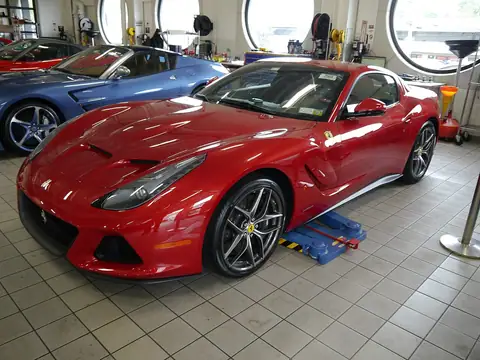
Ferrari
SP America
Production not yet verified
-
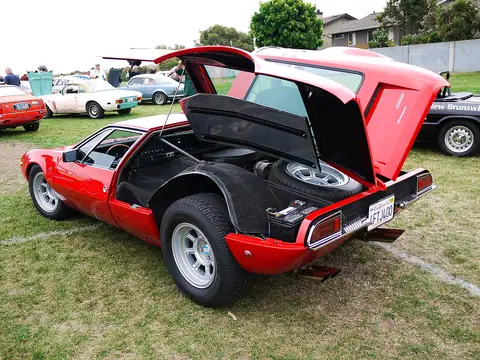
De Tomaso · 1967–1971
Mangusta
401 Built
-
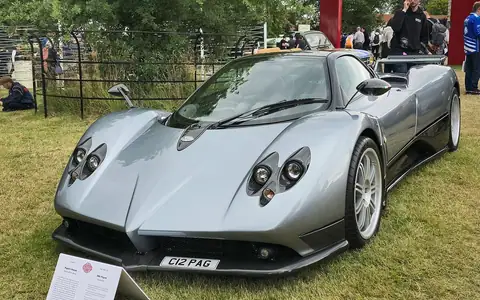
Pagani
Zonda C12 (original 6.0)
5 Built
-
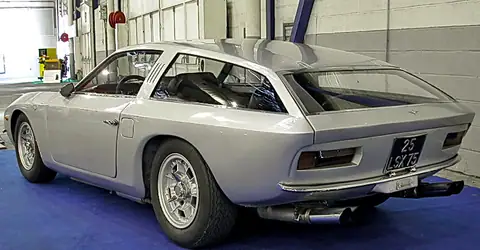
Lamborghini
Flying Star II (Touring)
Production not yet verified
62 other makes from ItalyAbarthACM AutomobiliAres DesignATSAuto Avio CostruzioniAutobianchiAznomB EngineeringBandiniBertoneBizzarriniBrixia-ZüstCagivaCarrozzeria Touring SuperleggeraCeiranoChiribiriCisitaliaCizetaColoniCoviniDallaraDe TomasoDiattoF.I.A.L. LegnanoFerrariFervesFiatFissoreFlorentiaGhiaInnocentiIntermeccanicaIsoIsotta FraschiniItalaItaldesignLaffiteLamborghiniLanciaMaseratiAll makes →