Makes › Chevrolet › Corvette › C1 › Corvette SS (XP-64) · Prototype · 1957 Ultra Rare
Chevrolet
Corvette SS (XP-64)
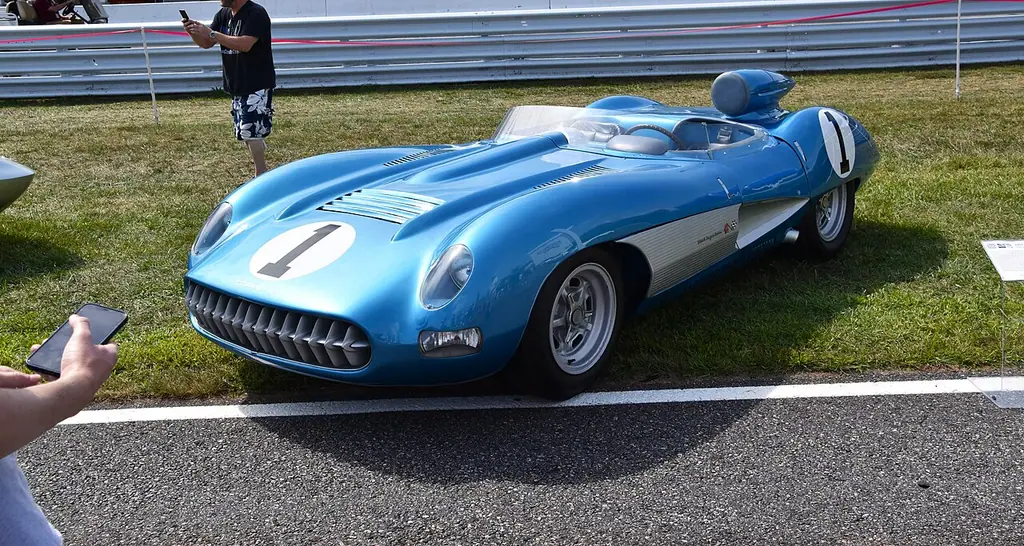
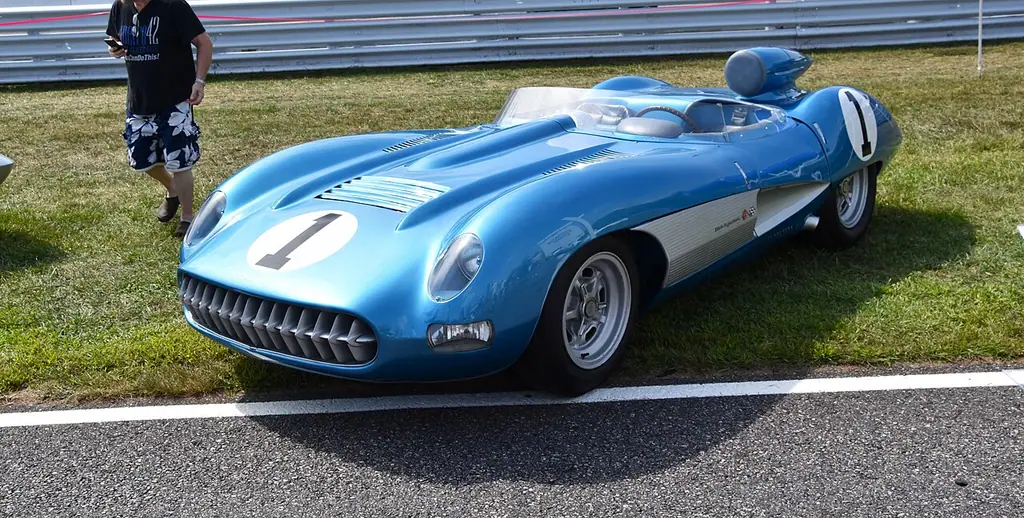
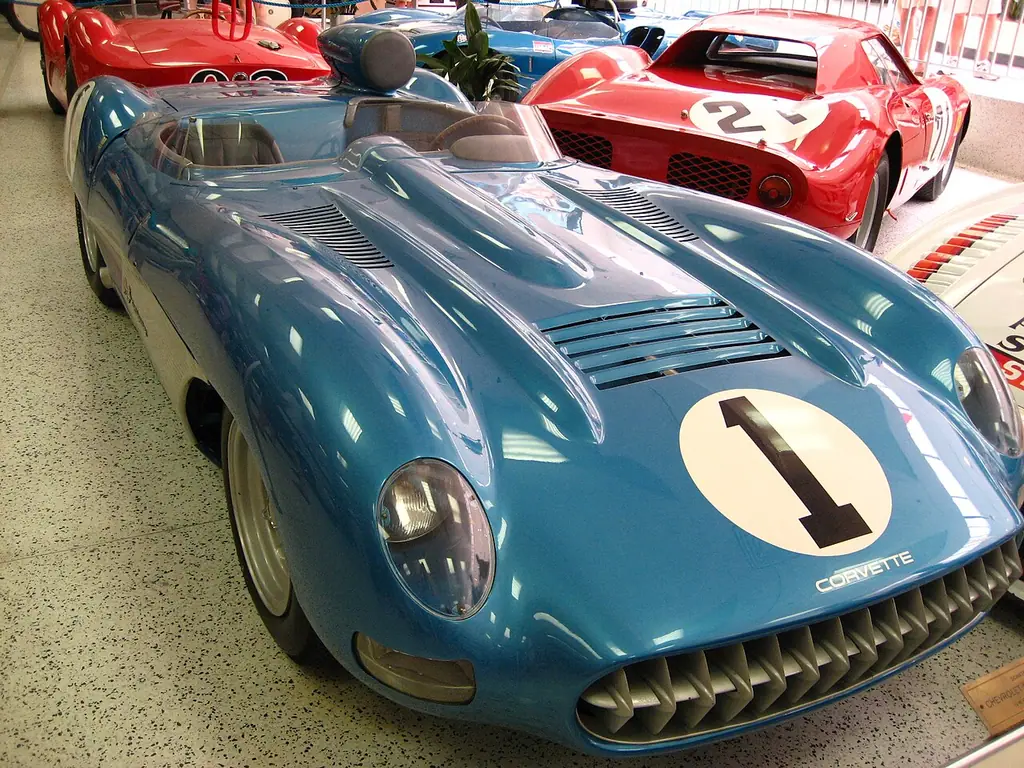
Factory Sebring race car built under Zora Arkus-Duntov; of two chassis built, only one was completed with magnesium bodywork and raced (the other, 'the Mule', became the basis of the XP-87 Stingray Racer)
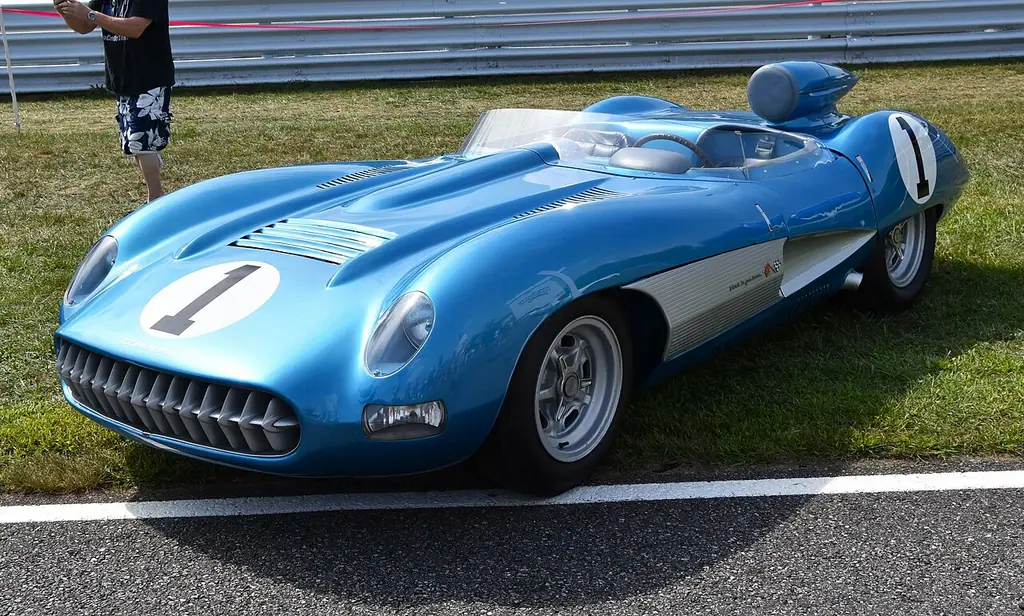
Photo: Charles · CC BY 2.0
Contents
01Overview
At a glance
- Built
- 2 Built
- Years
- 1957
- Engine
- V8 · 4,640 cc / 4.6 LFactory: 283 cu in · converted
- Power
- 224 kW / 304 PSFactory: 300 hp · converted
- Top speed
- 295 km/hFactory: 183 mph · converted
- Body
- Not yet verified
- Designer
- Zora Arkus-Duntov (engineering); body by GM Styling
- In this archive
- Not yet verified
- Surviving
- Not yet verified
Sources and any conflicting figures are in the sections below.
Why it matters
The Corvette SS was Chevrolet's only purpose-built factory racing car of the 1950s, an all-Chevrolet project that Zora Arkus-Duntov was assigned in October 1956. It was meant to take on Ferrari, Jaguar and Maserati at Sebring and Le Mans, but the AMA ban on factory racing in June 1957 ended the program after a single race.
How rare is it?
Six separate kinds of rarity – never combined into one number.
Each kind of rarity is rated separately and never combined.
Photos
Exterior, interior and detail photos with their licences.
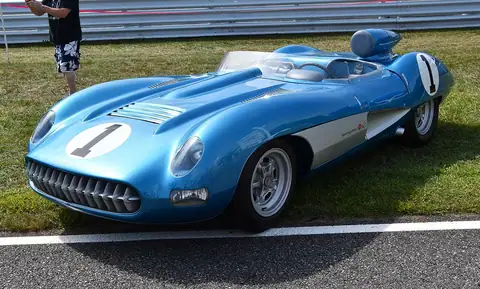 Chevrolet Corvette SS (XP-64) (Wikimedia Commons: Chevrolet Corvette SS)
Photo: Charles · CC BY 2.0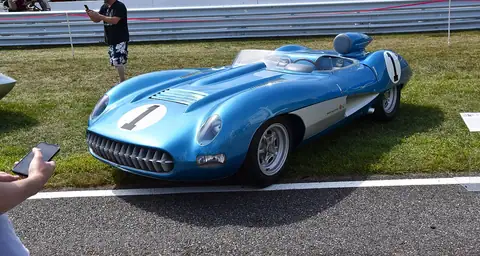 Chevrolet Corvette SS (XP-64) (Wikimedia Commons: Chevrolet Corvette SS)
Photo: Charles · CC BY 2.0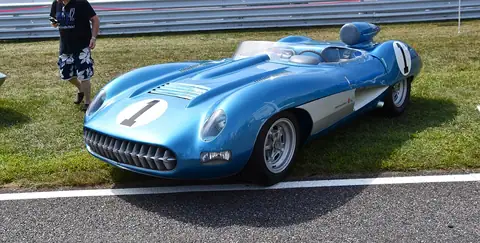 Chevrolet Corvette SS (XP-64) (Wikimedia Commons: Chevrolet Corvette SS)
Photo: Charles from Port Chester, New York · CC BY 2.0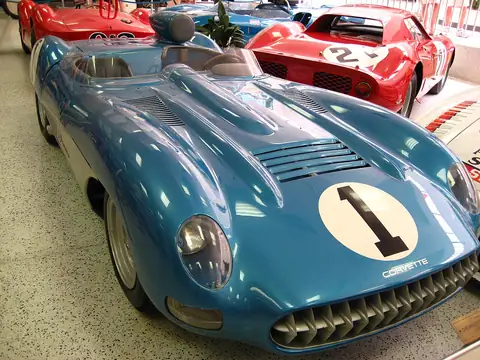 Chevrolet Corvette SS (XP-64) (Wikimedia Commons: Chevrolet Corvette SS)
Photo: The359 · CC BY-SA 3.0


02Production & history
Production
Every figure says what it counts.
| What is counted | Figure | Basis | Status |
|---|---|---|---|
| Total model productionCorvette SS chassis built: one finished magnesium-bodied race car and one test car/prototype ('the Mule') | 21 | Factory production | Independently researched |
Independent counts (e.g. engine and colour) are never combined into a calculated figure. Surviving examples are never presented as original production.
History
Two cars were built: the finished competition and display car and a minimally bodied development car known as "The Mule". The SS went from drawing board to track in about five months and arrived at Sebring on 22 March 1957, the day before the 12 Hours. Driven by John Fitch and Piero Taruffi, it started first on the engine-size grid but retired after 23 laps with brake, suspension and cockpit-heat problems. Fangio and Moss lapped Sebring faster than the 1956 lap record in the Mule during practice.
After the AMA decision of 6 June 1957 the program ended. The SS stayed with General Motors, made show appearances and test runs by Arkus-Duntov at Daytona and Mesa, and was donated to the Indianapolis Motor Speedway Museum in 1967. The Mule chassis was acquired by Bill Mitchell and became the basis of the XP-87 Stingray Racer.
The car was titled in 2002, had its engine replaced after a failure in 2014 and sold at RM Sotheby's Miami in 2025 for $7,705,000.
Variants
How each version differs from the standard Corvette SS (XP-64).
No variants documented yet. Have a source? Contribute it.
03Specifications
Technical specifications
Engine
| Engine family | Not yet verified |
|---|---|
| Engine code | Not yet verified |
| Layout | V82 Independently researched |
| Displacement | 4,640 cc / 4.6 LFactory: 283 cu in · converted2 Independently researchedStated as 4.6-liter on the starting grid. |
| Bore | 98.43 mmFactory: 3.875 in · converted2 Independently researched |
| Stroke | 76.2 mmFactory: 3 in · converted2 Independently researched |
| Compression ratio | Not yet verified |
| Valvetrain | High-performance camshaft, aluminum cylinder heads with solid lifters2 Independently researched |
| Fuel system | Chevrolet Ramjet fuel injection2 Independently researched |
| Power | 224 kW / 304 PSFactory: 300 hp · converted2 Independently researchedStated as "over 300 horsepower"; the figure is a lower bound. |
| Power at | Not yet verified |
| Torque | Not yet verified |
Transmission & drivetrain
| Gearbox | Aluminum four-speed close-ratio gearbox, synchromesh in all forward gears2 Independently researched |
|---|---|
| Gears | 42 Independently researched |
| Final drive | 3.55:1 (quick-change, 2.63:1 to 4.80:1)2 Independently researched |
| Driven wheels | Not yet verified |
Chassis, body & dimensions
| Chassis | Tubular truss-type chrome-molybdenum frame, about 180 lb2 Independently researched |
|---|---|
| Front suspension | Independent2 Independently researched |
| Rear suspension | De Dion2 Independently researched |
| Brakes | Drums front and rear, each with its own vacuum assist, one pedal; front composite cast iron with finned aluminum drums, rear inboard2 Independently researched |
| Steering | Recirculating ball, final ratio 12:12 Independently researched |
| Body construction | Magnesium body by GM Styling2 Independently researched |
| Wheelbase | Not yet verified |
| Length | Not yet verified |
| Width | Not yet verified |
| Height | Not yet verified |
| Front track | Not yet verified |
| Rear track | Not yet verified |
| Kerb weight | Not yet verified |
| Dry weight | 839 kgFactory: 1,850 lb · converted2 Independently researched |
Performance
| Maximum speed | 295 km/hFactory: 183 mph · converted2 Independently researchedReached by Arkus-Duntov in a later test at GM's Mesa Proving Ground. |
|---|---|
| 0–100 km/h | Not yet verified |
| Fuel tank | 163 LFactory: 43 gal-us · converted2 Independently researchedStated as a 43-gallon plastic tank. |
“Not yet verified” means no source has been checked for that value yet. Nothing is estimated to fill a gap.
04Colours & options
Factory colours & interiors
Original paint and trim, with the number of cars in each where a source gives it.
Not yet documented. Have a source? Contribute it.
Factory options & codes
Codes are shown exactly as written by the manufacturer.
Not yet documented. Have a source? Contribute it.
05Individual cars
Chassis register
Every documented car, with its colours, history and where it is now. Open a row for the full record. Known chassis are not automatically authenticated originals.
Not yet documented. Have a source? Contribute it.
Competition history
Every race result of the individual cars, in date order. Click a chassis number to open its full record in the register.
Not yet documented. Have a source? Contribute it.
Auction & sale history
Documented public sales of the individual cars. Click a chassis number to open its full record in the register.
Not yet documented. Have a source? Contribute it.
See one in person
Museums where an example of this car can be seen.
No example is documented on public display yet. Have a source? Contribute it.
06Reference
Identification guide
How to tell an original from a replica or later conversion.
Distinguishing features are the tubular chrome-molybdenum truss frame, the magnesium body hinged at front and rear, the plastic canopy, the toothed grille and the finned aluminum front brake drums. The car was given a state title with the VIN MVIN215923IND on the firewall in 2002. The museum found in 2014 that the engine fitted was a 1959 unit, replaced by a new-old-stock 1957 engine.
Sources
Each number links to the exact facts it supports.
-
1
RM Sotheby's – 1957 Chevrolet Corvette SS Project XP-64 (Miami 2025) Level B
- 2 Corvette SS chassis built: one finished magnesium-bodied race car and one test car/prototype ('the Mule')
-
2
1957 Chevrolet Corvette SS (Project XP-64), Miami 2025, Lot 107 Level C RM Sotheby's
- standard 283-cubic-inch V-8 block
- bore and stroke of 3.875 inches by 3.0 inches
- aluminum cylinder heads with solid lifters
- Chevrolet's Ramjet fuel injection system
- output of over 300 horsepower
- aluminum four-speed close-ratio gearbox
- four-speed
- final drive was set to 3.55:1
- frame weighed in at just 180 pounds
- Independent suspension was implemented at the front
- rear featuring a de Dion setup
- unique front and rear drum brake system
- final steering ratio of 12:1
- body was constructed in lightweight magnesium
- The SS weighed in at 1,850 pounds dry
- achieving a top speed of 183 mph
- 43-gallon plastic fuel tank
Keep exploring
More from Chevrolet
-
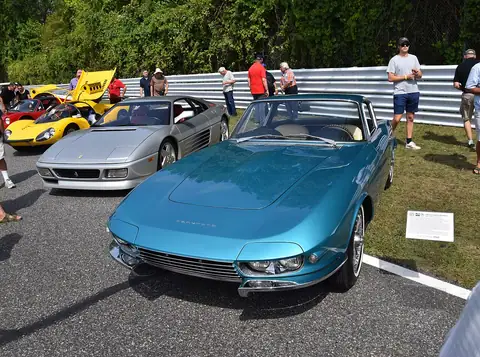
Chevrolet · 1963
Corvette Rondine (Pininfarina)
1 Built
-
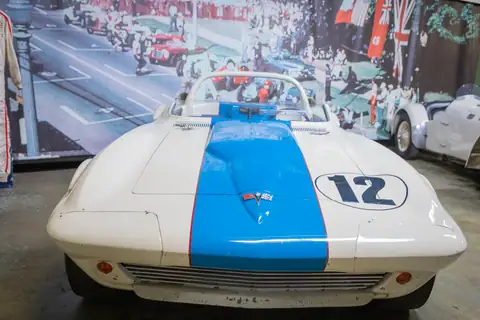
Chevrolet · 1963
Corvette Grand Sport
5 Built
-
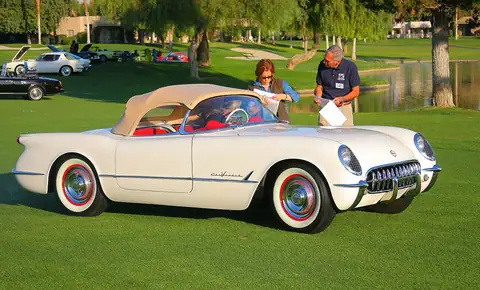
Chevrolet · 1955
1955 Corvette
7 Built
-
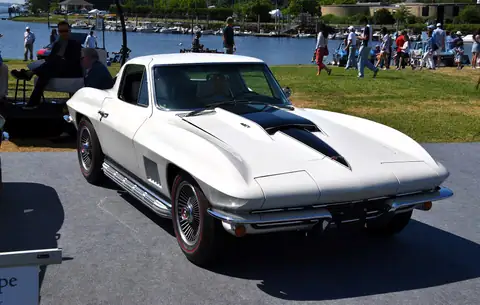 Photo: standard model
Chevrolet · 1967
1967 Chevrolet Corvette L88
20 Built with RPO L88
See all 193 cars by Chevrolet →
More from United States
-
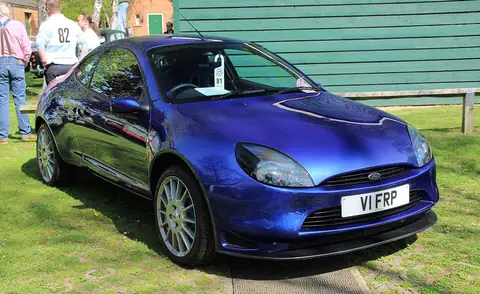
Ford · 1999–2000
Racing Puma
500 Built
-
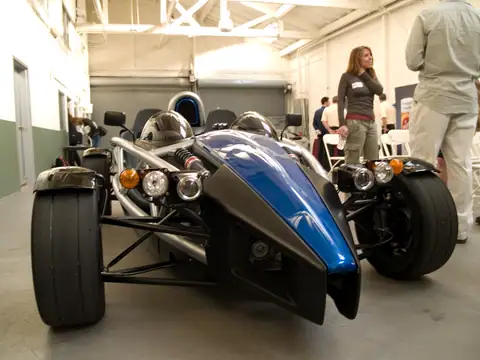
Wrightspeed
X1 (Ariel Atom based electric prototype)
Production not yet verified
-
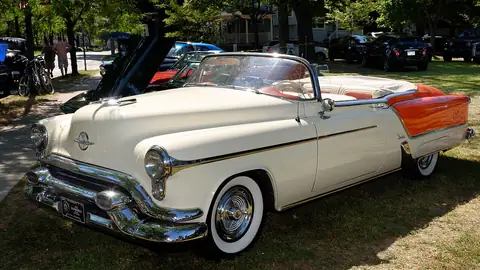
Oldsmobile · 1953
Ninety-Eight Fiesta
458 Built
-
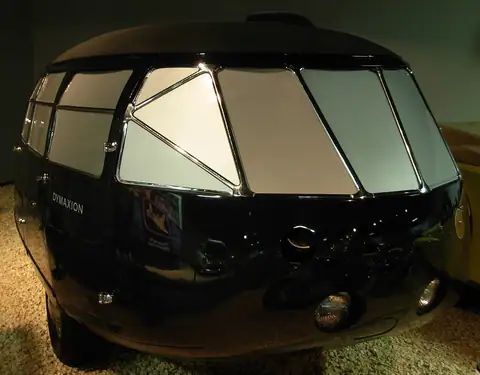
Dymaxion · 1933–1934
Dymaxion car (Buckminster Fuller)
Production not yet verified
134 other makes from United StatesAC PropulsionAcuraAllstateAMCAmerican LaFranceAmerican MotorsAmerican UnderslungApteraArmstrongArnoltAuburnBantamBarris KustomsBendixBill ThomasBollingerBremerBuckeyeBuffumBuickCadillacCastleCheckerChristieChryslerClenetCodaColumbiaConsulierCordCunninghamCzingerDean JeffriesDeSotoDetroit ElectricDobleDodgeDrakoDu PontDual MotorsAll makes →