Makes › Chrysler › Thunderbolt (LeBaron show car) · Prototype · 1940–1941 Ultra Rare
Chrysler
Thunderbolt (LeBaron show car)
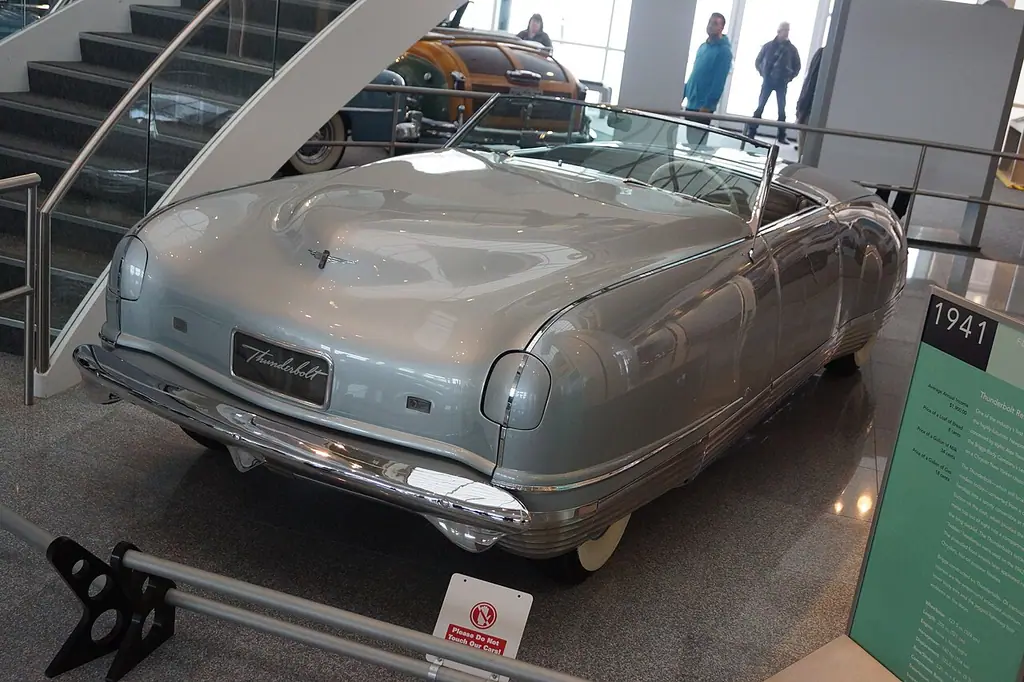
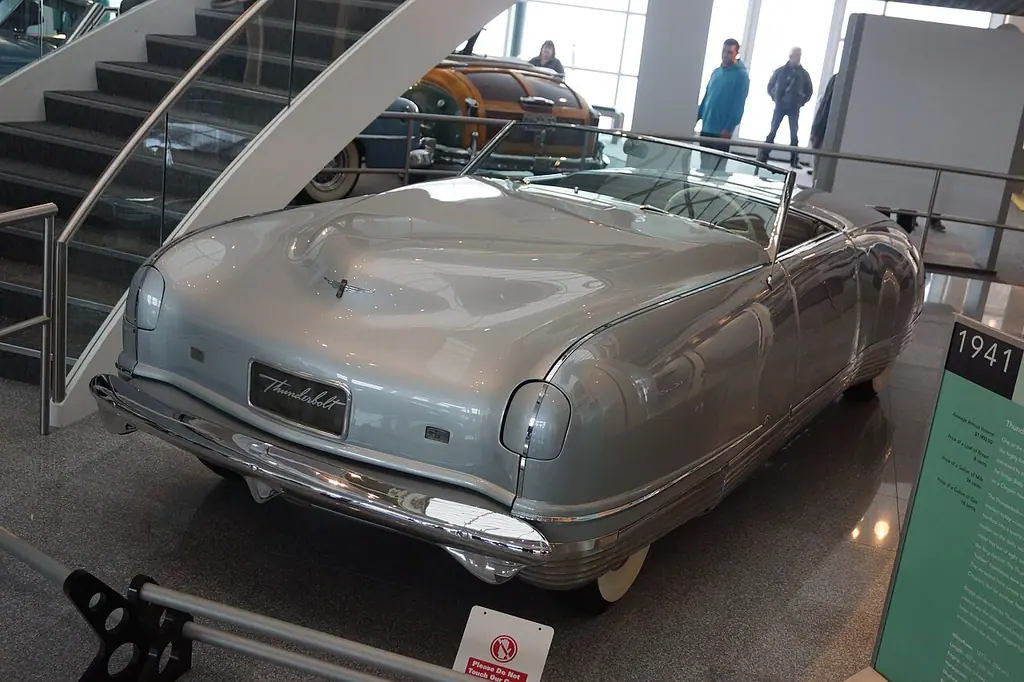
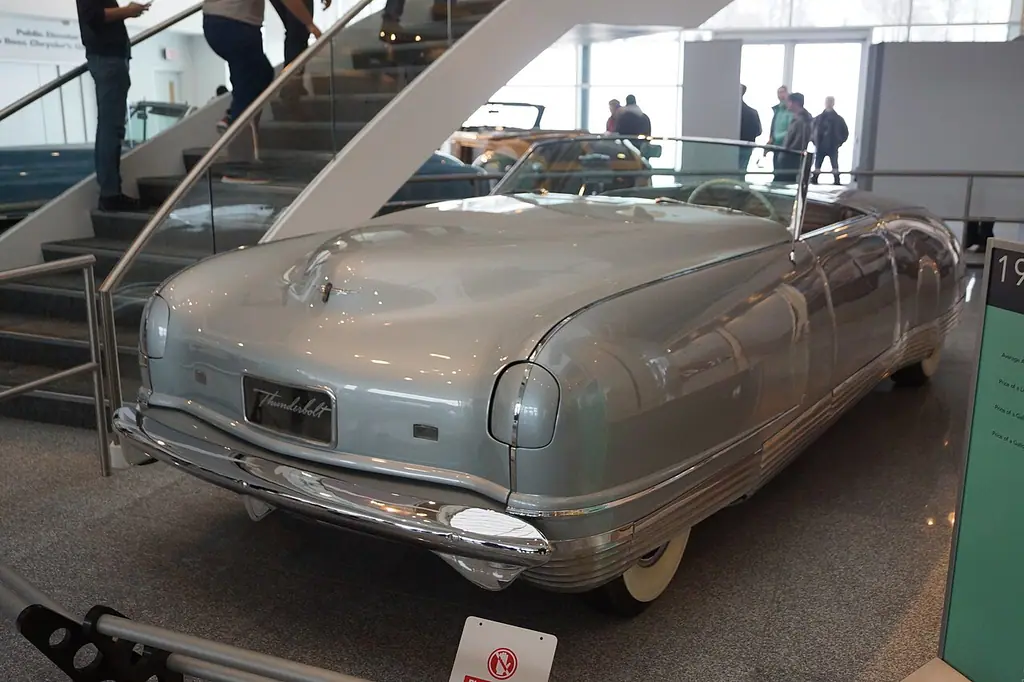
Alex Tremulis-conceived retractable-hardtop show car built by LeBaron; five built, four remain
Still being researched: full specifications. Everything shown is checked against the cited sources. Know more? Send us a source.
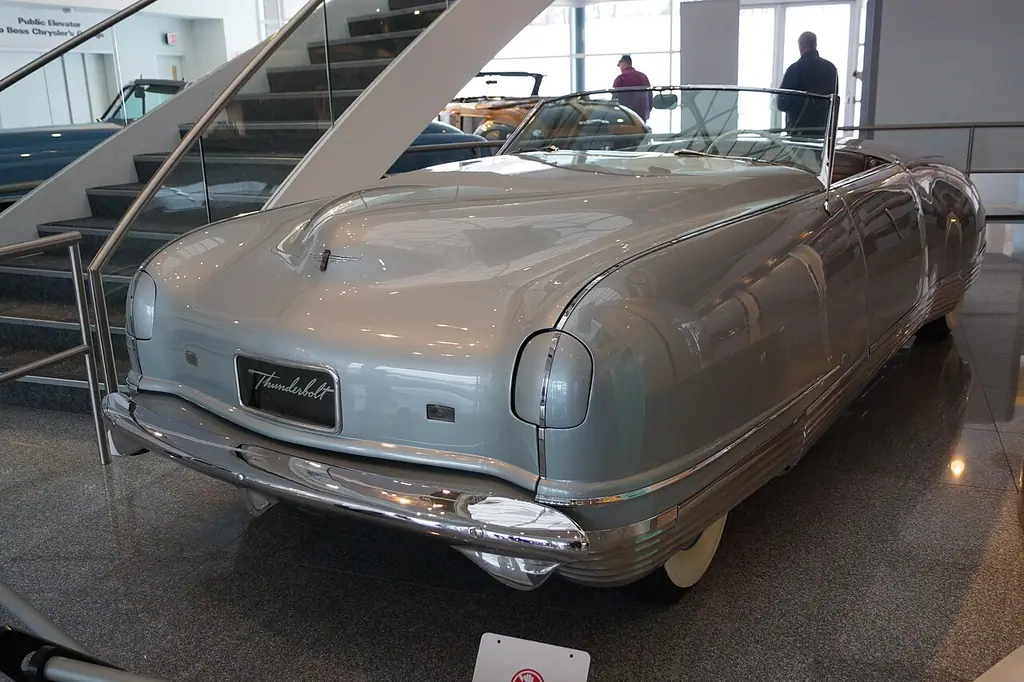
Photo: Greg Gjerdingen from Willmar, USA · CC BY 2.0
Contents
01Overview
At a glance
- Built
- 5 Built
- Years
- 1940–1941
- Engine
- Inline eight-cylinder (Spitfire), dual carburettors · 5,310 cc / 5.3 LFactory: 324 cu in · converted
- Power
- 107 kW / 145 PSFactory: 143 hp · converted
- Top speed
- Not yet verified
- Body
- Not yet verified
- Designer
- Alex Tremulis (concept); retractable top by Ralph Roberts (LeBaron)
- In this archive
- Not yet verified
- Surviving
- 4 (independently researched)
Sources and any conflicting figures are in the sections below.
Why it matters
The Thunderbolt is described as the first convertible with a fully retractable hard top, operated by a single electric switch. Conceived by Alex Tremulis and built by LeBaron for Chrysler's 1941 show circuit, only five were made and four remain.
How rare is it?
Six separate kinds of rarity – never combined into one number.
Each kind of rarity is rated separately and never combined.
Photos
Exterior, interior and detail photos with their licences.
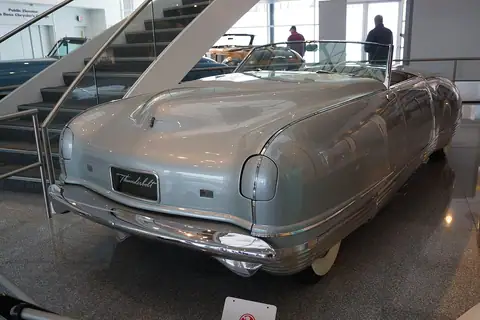 Chrysler Thunderbolt (LeBaron show car) (Wikimedia Commons: Chrysler Thunderbolt)
Photo: Greg Gjerdingen from Willmar, USA · CC BY 2.0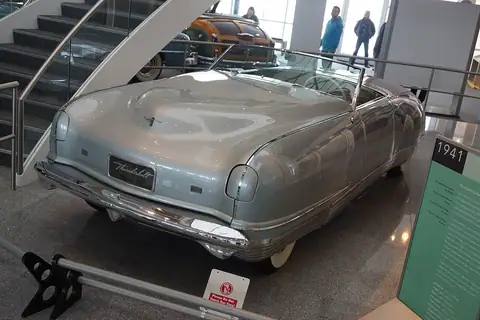 Chrysler Thunderbolt (LeBaron show car) (Wikimedia Commons: Chrysler Thunderbolt)
Photo: Greg Gjerdingen from Willmar, USA · CC BY 2.0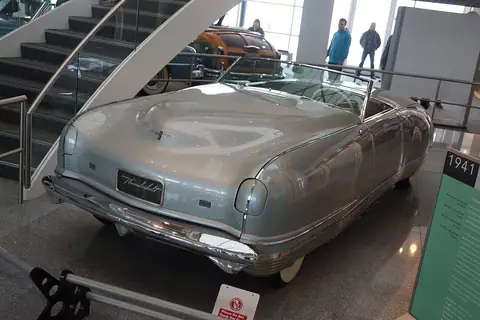 Chrysler Thunderbolt (LeBaron show car) (Wikimedia Commons: Chrysler Thunderbolt)
Photo: Greg Gjerdingen from Willmar, USA · CC BY 2.0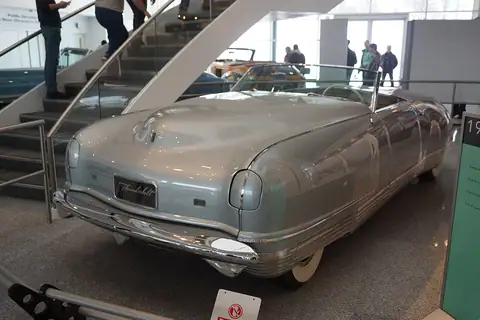 Chrysler Thunderbolt (LeBaron show car) (Wikimedia Commons: Chrysler Thunderbolt)
Photo: Greg Gjerdingen from Willmar, USA · CC BY 2.0


02Production & history
Production
Every figure says what it counts.
| What is counted | Figure | Basis | Status |
|---|---|---|---|
| Total model productionThunderbolts that survive of the five built | 41 | Surviving examples | Independently researched |
| Total model productionbuilt for the show circuit (four remain) | 51,2 | Factory production | Independently researched |
Independent counts (e.g. engine and colour) are never combined into a calculated figure. Surviving examples are never presented as original production.
History
Alex Tremulis, then at LeBaron's parent company Briggs, pitched the concept to LeBaron's Ralph Roberts in 1939, and K.T. Keller and Chrysler division president Dave Wallace approved it. The name came from George Eyston's land speed record car. Five were built on the New Yorker chassis for the show circuit, each in a different body and top colour combination, with Roberts' patented retractable steel top that folded behind the bench seat. Tremulis later worked on the Tucker Torpedo.
Variants
How each version differs from the standard Thunderbolt (LeBaron show car).
No variants documented yet. Have a source? Contribute it.
03Specifications
Technical specifications
Engine
| Engine family | Not yet verified |
|---|---|
| Engine code | Not yet verified |
| Layout | Inline eight-cylinder (Spitfire), dual carburettors3 |
| Displacement | 5,310 cc / 5.3 LFactory: 324 cu in · converted3 Disputed |
| Bore | Not yet verified |
| Stroke | Not yet verified |
| Compression ratio | Not yet verified |
| Valvetrain | L-head ('Spitfire') inline eight4 Independently researched |
| Fuel system | Not yet verified |
| Power | 107 kW / 145 PSFactory: 143 hp · converted3 Disputed |
| Power at | Not yet verified |
| Torque | 346 NmFactory: 255 lb-ft · converted4 Independently researched |
Transmission & drivetrain
| Gearbox | Three-speed Fluid Drive semi-automatic with overdrive3 |
|---|---|
| Gears | Not yet verified |
| Driven wheels | Not yet verified |
Chassis, body & dimensions
| Chassis | Chrysler frame (1940 Crown Imperial per the Imperial Club and Supercars.net; 127.5 in New Yorker chassis per Kustomrama)5,4 Independently researchedSources disagree on the base chassis. |
|---|---|
| Front suspension | Not yet verified |
| Rear suspension | Not yet verified |
| Brakes | Not yet verified |
| Steering | Not yet verified |
| Body construction | aluminium body, steel hood and deck lid, electrically operated retractable steel hardtop4 Independently researched |
| Wheelbase | 3,239 mmFactory: 127.5 in · converted3 |
| Length | Not yet verified |
| Width | Not yet verified |
| Height | Not yet verified |
| Front track | Not yet verified |
| Rear track | Not yet verified |
| Kerb weight | Not yet verified |
| Dry weight | Not yet verified |
Performance
| Maximum speed | Not yet verified |
|---|---|
| 0–100 km/h | Not yet verified |
| Fuel tank | Not yet verified |
“Not yet verified” means no source has been checked for that value yet. Nothing is estimated to fill a gap.
04Colours & options
Factory colours & interiors
Original paint and trim, with the number of cars in each where a source gives it.
Not yet documented. Have a source? Contribute it.
Factory options & codes
Codes are shown exactly as written by the manufacturer.
Not yet documented. Have a source? Contribute it.
05Individual cars
Chassis register
Every documented car, with its colours, history and where it is now. Open a row for the full record. Known chassis are not automatically authenticated originals.
Not yet documented. Have a source? Contribute it.
Competition history
Every race result of the individual cars, in date order. Click a chassis number to open its full record in the register.
Not yet documented. Have a source? Contribute it.
Auction & sale history
Documented public sales of the individual cars. Click a chassis number to open its full record in the register.
Not yet documented. Have a source? Contribute it.
See one in person
Museums where an example of this car can be seen.
No example is documented on public display yet. Have a source? Contribute it.
06Reference
Identification guide
How to tell an original from a replica or later conversion.
Each of the five cars was finished in a unique body and top colour combination, so colour helps identify individual cars. The top is retracted behind the bench seat by one electric switch running three synchronised operations. The catalogued car is chassis 7807943 in Teal Green with its original Spitfire engine.
Sources
Each number links to the exact facts it supports.
-
1
1941 Chrysler Thunderbolt (Frist Art Museum note) Level B Frist Art Museum
- eight Thunderbolts were planned, but only five were built
- only five were built, of which four survive
-
2
RM Sotheby's Monterey 2011 – 1941 Chrysler Thunderbolt Concept Car Level B
- 5 built for the show circuit (four remain)
-
3
1941 Chrysler Thunderbolt Concept Car Level B RM Sotheby's
- 324 cu. in. "Spitfire" inline eight-cylinder engine with dual carburetors
- 143 hp, 324 cu. in. "Spitfire" inline eight
- three-speed Fluid Drive semi-automatic transmission with overdrive
- Wheelbase: 127.5"
-
4
1940 Chrysler Thunderbolt Level B Kustomrama
- 323.5 cubic inch, "Spitfire" L-head inline eight-cylinder engine
- rated at 140 horsepower and 255 foot pounds of torque
- 127.5-inch New Yorker chassis
- With the exception of the steel hood and deck lid, the body was constructed of
-
5
1941 Chrysler Thunderbolt Level B Supercars.net
- built on a 1940 Chrysler Crown Imperial frame with an aluminum body
Keep exploring
More from Chrysler
-
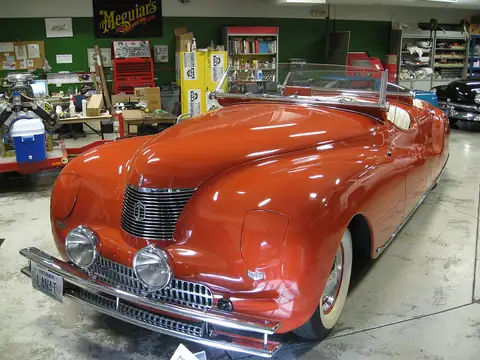
Chrysler · 1940–1941
Newport Dual-Cowl Phaeton (LeBaron show car)
5 Built
-
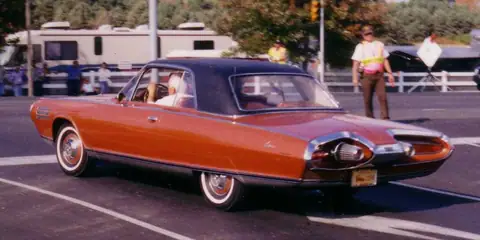
Chrysler · 1963–1964
Turbine Car (Ghia body)
55 Built
-
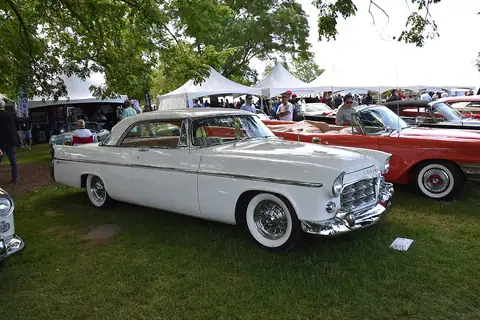
Chrysler · 1956
300B
1,102 Built
-
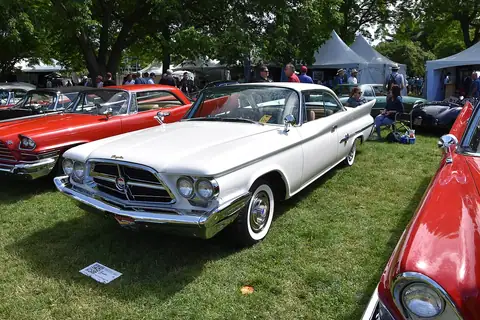
Chrysler · 1960
300F
1,212 Built (all body styles)
More from United States
-
Mercury · 1954
Monterey Sun Valley (1954)
9,761 Built
-
Dodge · 2004
Ram SRT-10
Production not yet verified
-
Pontiac · 1979
Trans Am 10th Anniversary Edition (1979)
7,500 Built
-
Ford
GT40 Mk I (1964-1969)
100 Built
141 other makes from United StatesAC PropulsionAcuraAllstateAMCAmerican LaFranceAmerican MotorsAmerican UnderslungApteraArmstrongArnoltAuburnBaldwin-MotionBantamBarris KustomsBendixBerger ChevroletBill ThomasBollingerBremerBuckeyeBuffumBuickCadillacCallawayCastleCheckerChevroletChristieClenetCodaColumbiaConsulierCordCunninghamCzingerDana ChevroletDean JeffriesDeSotoDetroit ElectricDick HarrellAll makes →