Makes › Ferrari › 250 › 250 GT Cabriolet Series II (Pinin Farina) · Rare production · 1959–1962
Ferrari
250 GT Cabriolet Series II (Pinin Farina)
About 200 examples of the second series
Still being researched: full specifications. Everything shown is checked against the cited sources. Know more? Send us a source.
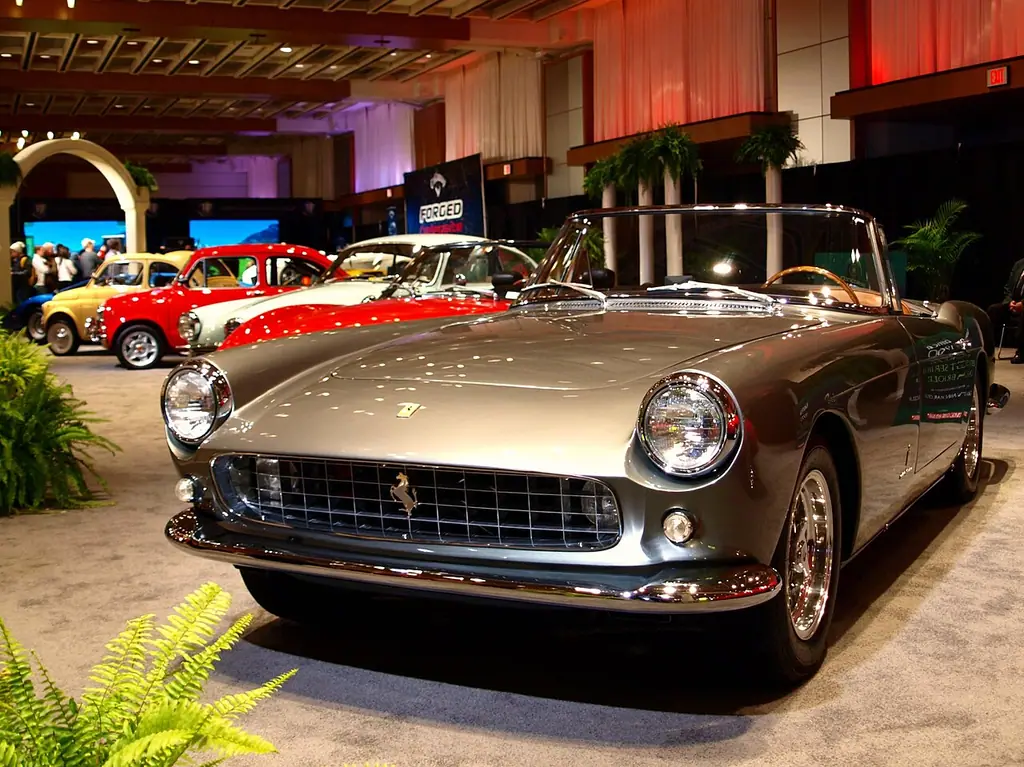
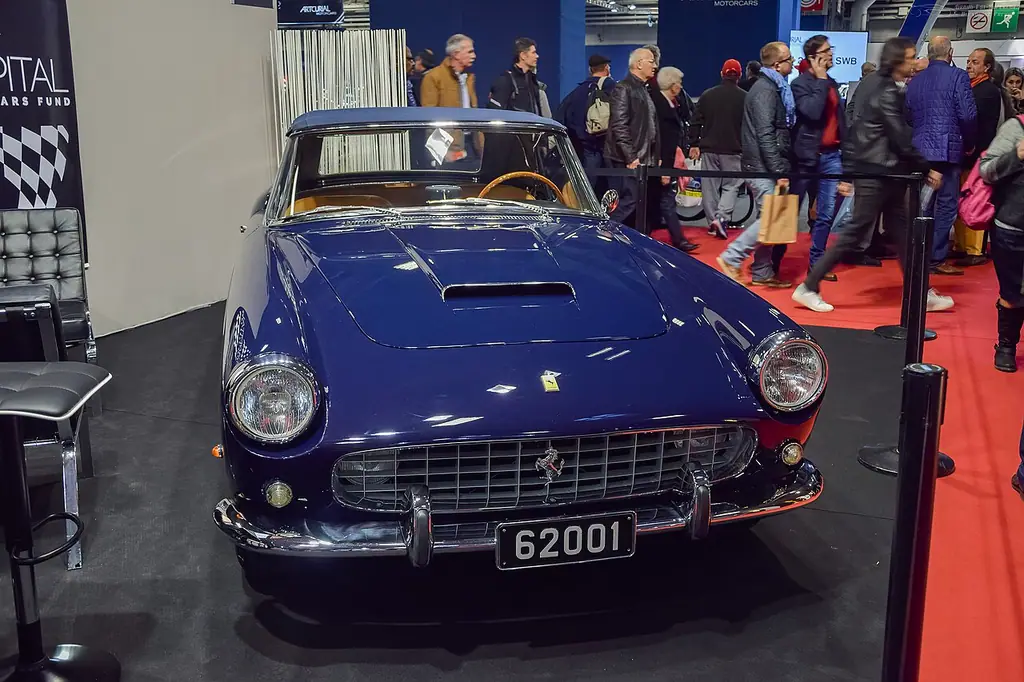
Photo: Michael Gil from Calgary, AB, Canada · CC BY 2.0
Contents
01Overview
At a glance
- Built
- Not yet verified
- Years
- 1959–1962
- Engine
- V12
- Power
- Not yet verified
- Top speed
- Not yet verified
- Body
- Pinin Farina
- Designer
- Pininfarina
- In this archive
- Not yet verified
- Surviving
- Not yet verified
Sources and any conflicting figures are in the sections below.
Why it matters
The Series II was the volume-selling open 250 GT of its day and was set up as a comfortable touring car rather than a sporting one. Pininfarina gave it better trim and sound insulation than the California Spyder and restyled it to resemble the 250 GT coupe, so the two open cars would not be confused. It sold in larger numbers than the Series I, and only the coupe outsold it.
How rare is it?
Six separate kinds of rarity – never combined into one number.
Each kind of rarity is rated separately and never combined.
Photos
Exterior, interior and detail photos with their licences.
 Ferrari 250 GT Cabriolet Series II (Pinin Farina) (Wikimedia Commons search)
Photo: Michael Gil from Calgary, AB, Canada · CC BY 2.0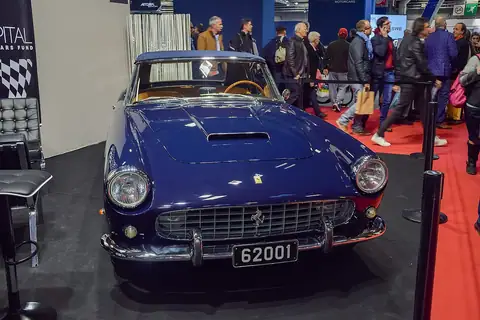 Ferrari 250 GT Cabriolet Series II (Pinin Farina) (Wikimedia Commons search)
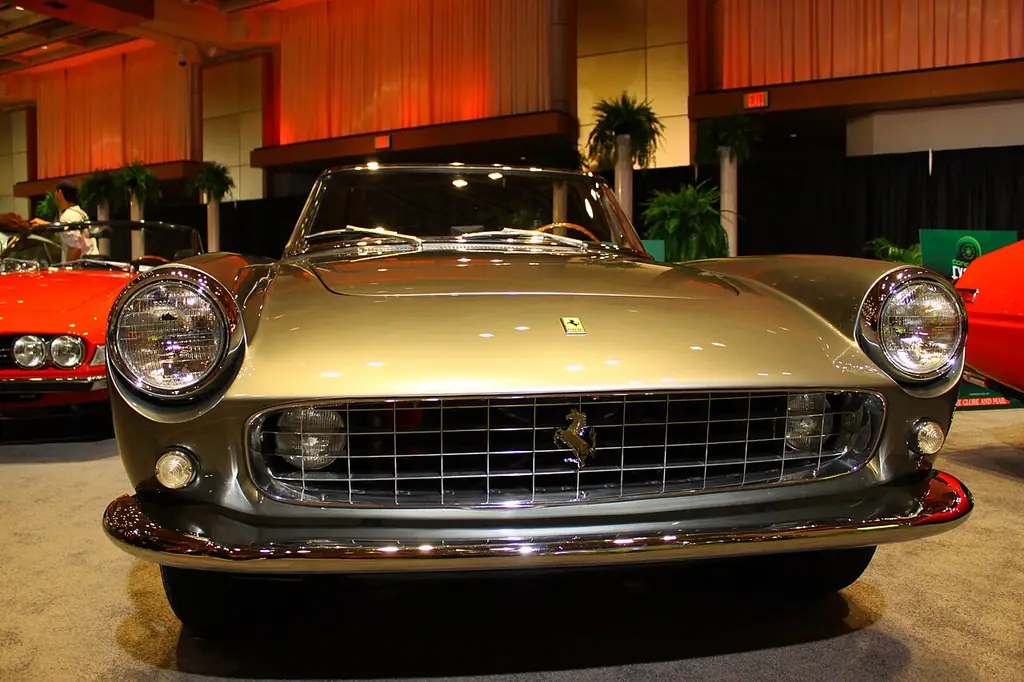
Photo: Alexandre Prevot from Nancy, France · CC BY-SA 2.0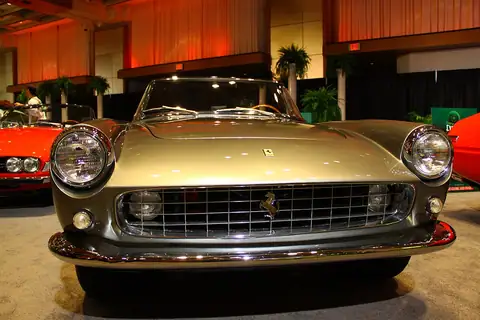 Ferrari 250 GT Cabriolet Series II (Pinin Farina) (Wikimedia Commons search)
Photo: Shane K from Mississauga, Canada · CC BY-SA 2.0


02Production & history
Production
Every figure says what it counts.
No production figures recorded yet.
History
The Series II followed the 40-car Series I cabriolet. It was shown to the public at the Paris Auto Show in October 1959 and stayed in production into 1962. Its styling moved away from the covered-headlight Series I nose to a blunter, open-headlight front with calmer lines.
Mechanically the car changed during its run. Early cars kept the inside-plug engine; later cars had outside-plug engines with twin distributors, tubular shock absorbers replaced lever-type dampers, electric overdrive was added and disc brakes replaced drums late in production.
Variants
How each version differs from the standard 250 GT Cabriolet Series II (Pinin Farina).
No variants documented yet. Have a source? Contribute it.
03Specifications
Technical specifications
Engine
| Engine family | Not yet verified |
|---|---|
| Engine code | Not yet verified |
| Layout | V121 Independently researched |
| Displacement | Not yet verified |
| Bore | Not yet verified |
| Stroke | Not yet verified |
| Compression ratio | Not yet verified |
| Fuel system | Not yet verified |
| Power | Not yet verified |
| Power at | Not yet verified |
| Torque | Not yet verified |
Transmission & drivetrain
| Gearbox | Manual with electric overdrive1 Independently researchedDescribed for a 1961 car; electric overdrive was added during the Series II run. |
|---|---|
| Gears | 41 Independently researchedFour speeds plus overdrive, as described for a 1961 car. |
| Driven wheels | Not yet verified |
Chassis, body & dimensions
| Chassis | Not yet verified |
|---|---|
| Front suspension | Not yet verified |
| Rear suspension | Not yet verified |
| Brakes | Drum brakes on early cars; discs introduced late in production1 Independently researched |
| Steering | Not yet verified |
| Body construction | Not yet verified |
| Wheelbase | Not yet verified |
| Length | Not yet verified |
| Width | Not yet verified |
| Height | Not yet verified |
| Front track | Not yet verified |
| Rear track | Not yet verified |
| Kerb weight | Not yet verified |
| Dry weight | Not yet verified |
Performance
| Maximum speed | Not yet verified |
|---|---|
| 0–100 km/h | Not yet verified |
| Fuel tank | Not yet verified |
“Not yet verified” means no source has been checked for that value yet. Nothing is estimated to fill a gap.
04Colours & options
Factory colours & interiors
Original paint and trim, with the number of cars in each where a source gives it.
Not yet documented. Have a source? Contribute it.
Factory options & codes
Codes are shown exactly as written by the manufacturer.
Not yet documented. Have a source? Contribute it.
05Individual cars
Chassis register
Every documented car, with its colours, history and where it is now. Open a row for the full record. Known chassis are not automatically authenticated originals.
Not yet documented. Have a source? Contribute it.
Competition history
Every race result of the individual cars, in date order. Click a chassis number to open its full record in the register.
Not yet documented. Have a source? Contribute it.
Auction & sale history
Documented public sales of the individual cars. Click a chassis number to open its full record in the register.
Not yet documented. Have a source? Contribute it.
See one in person
Museums where an example of this car can be seen.
No example is documented on public display yet. Have a source? Contribute it.
06Reference
Identification guide
How to tell an original from a replica or later conversion.
Compared with the Series I, the Series II has a blunt, open-headlight nose and a body that follows the 250 GT coupe. The magazine lists the chassis number on the left frame member by the steering box and the engine number at the right rear above the motor mount. Within the series, early cars have inside-plug engines, a single distributor, lever shock absorbers and drum brakes, while late cars have outside-plug engines, twin distributors, tubular shocks, electric overdrive and discs; the magazine prefers a late car with all the updates.
Sources
Each number links to the exact facts it supports.
-
1
1961 250 GT Pininfarina Cabriolet Series II Review and Buyer's Guide Level C Steve Ahlgrim · Sports Car Market, May 2006, archived capture · 2006-05-01
- Powered by a 3-liter V12 engine
- solid four-speed synchromesh transmission with overdrive
- four-speed synchromesh transmission with overdrive
- drum brakes were discarded in favor of discs
Keep exploring
More from Ferrari
-
Ferrari · 1954
375 MM Spider by Pinin Farina ("Ingrid Bergman" car, 0456AM)
1 Built
-
Ferrari · 1970
512 S Modulo (Pininfarina)
1 Built
-
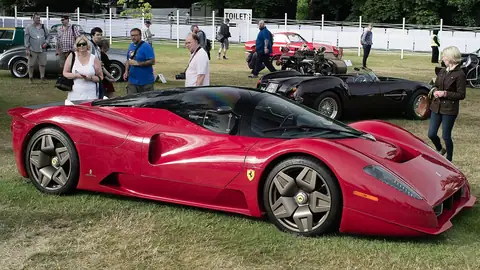
Ferrari · 2005–2006
P4/5 by Pininfarina (2006)
1 Built
-
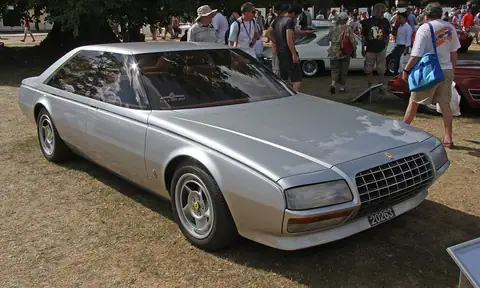
Ferrari · 1980
Pinin
1 Built
More from Italy
-
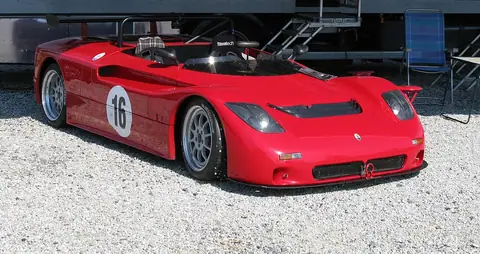
Maserati
Barchetta (1992-1995)
Production not yet verified
-
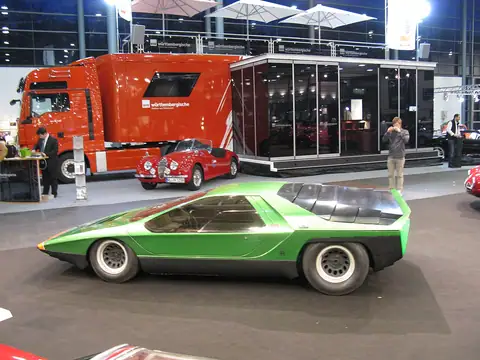
Alfa Romeo · 1968
Carabo (Bertone)
1 Built
-
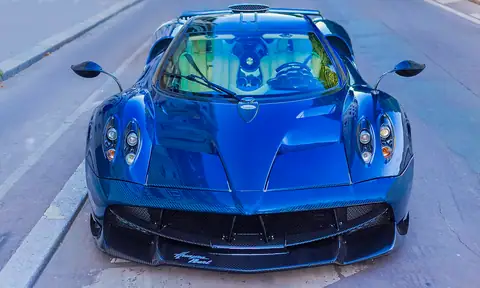
Pagani
Huayra Pearl
Production not yet verified
-
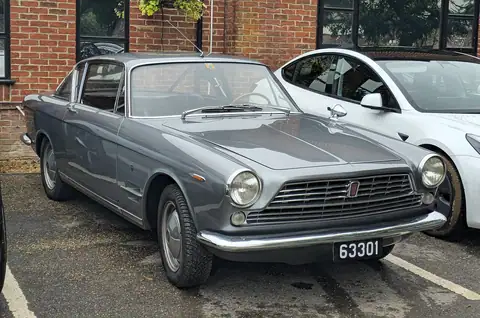
Fiat · 1961–1968
2300 S Coupé (Ghia)
7,000 Built
62 other makes from ItalyAbarthACM AutomobiliAlfa RomeoAres DesignATSAuto Avio CostruzioniAutobianchiAznomB EngineeringBandiniBertoneBizzarriniBrixia-ZüstCagivaCarrozzeria Touring SuperleggeraCeiranoChiribiriCisitaliaCizetaColoniCoviniDallaraDe TomasoDiattoF.I.A.L. LegnanoFervesFiatFissoreFlorentiaGhiaInnocentiIntermeccanicaIsoIsotta FraschiniItalaItaldesignLaffiteLamborghiniLanciaMaseratiAll makes →