Makes › Ferrari › 312 › 312 PB (1971-1973) · Coachbuilt · 1971–1973 Ultra Rare
Ferrari
312 PB (1971-1973)
Sports prototype, 11 or 12 built
Still being researched: full specifications. Everything shown is checked against the cited sources. Know more? Send us a source.
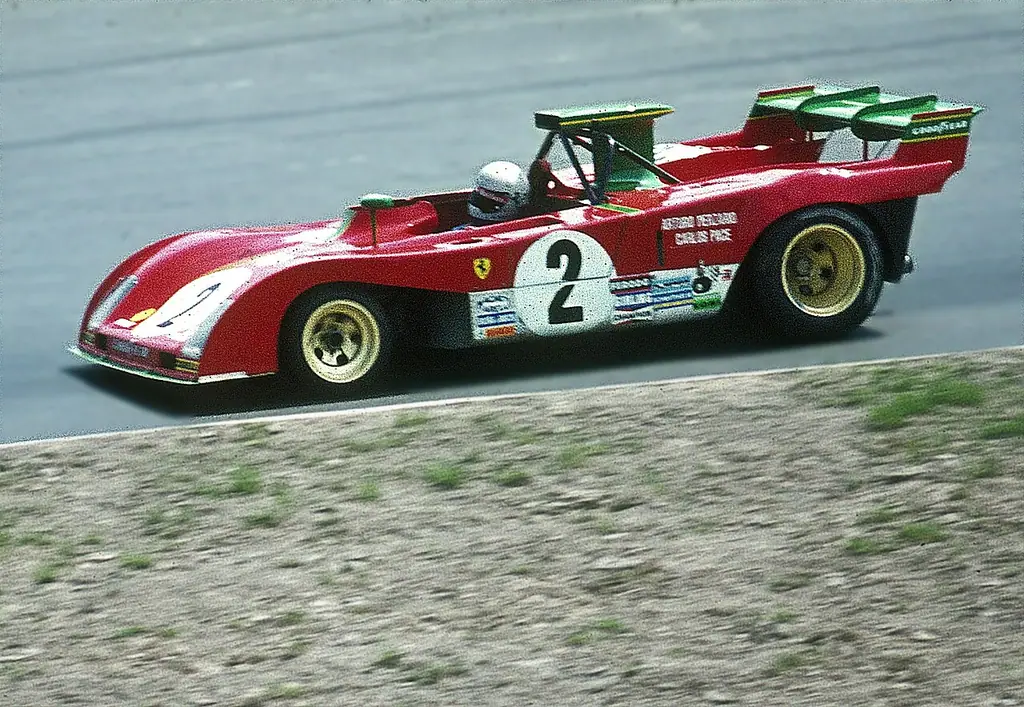
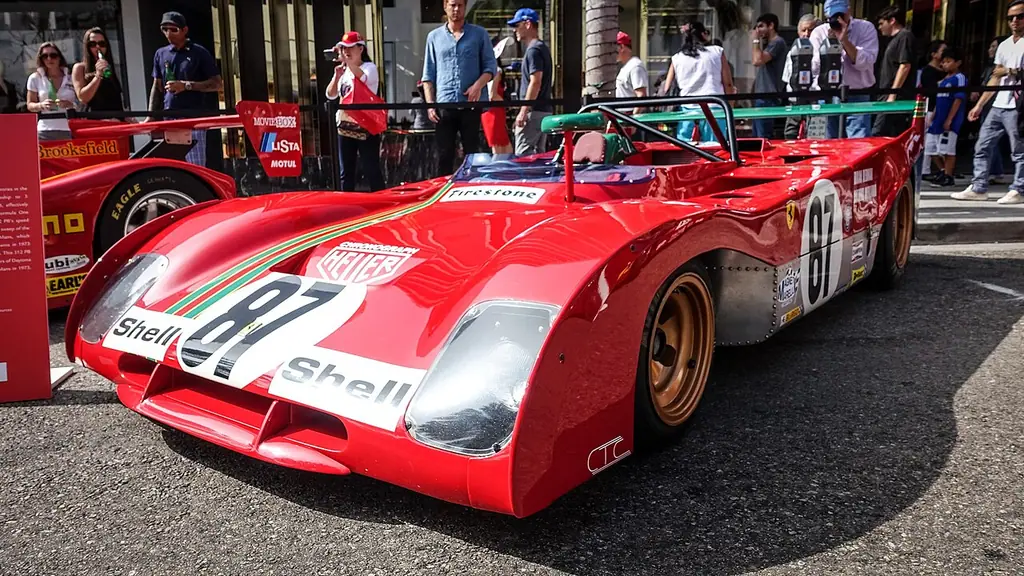
Photo: Spurzem - Lothar Spurzem · CC BY-SA 2.0
Contents
01Overview
At a glance
- Built
- 13 Built
- Years
- 1971–1973
- Engine
- Mid-engined, longitudinal 3.0-litre flat-12
- Power
- 338 kW / 460 PSFactory: 460 PS
- Top speed
- 320 km/hFactory: 320 km/h
- Body
- Not yet verified
- Designer
- Not yet verified
- In this archive
- Not yet verified
- Surviving
- Not yet verified
Sources and any conflicting figures are in the sections below.
Why it matters
The 312 PB was the last prototype Ferrari entered officially in the World Championship for Makes, which it won in 1972 before Ferrari withdrew after the following season.
How rare is it?
Six separate kinds of rarity – never combined into one number.
Each kind of rarity is rated separately and never combined.
Photos
Exterior, interior and detail photos with their licences.
 Ferrari 312 PB (1971-1973) (Wikimedia Commons search)
Photo: Spurzem - Lothar Spurzem · CC BY-SA 2.0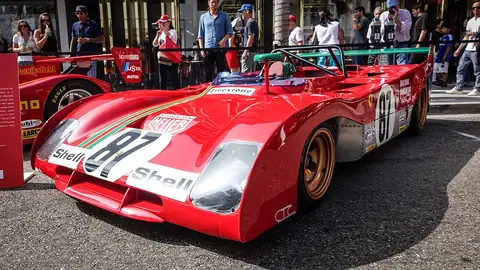 Ferrari 312 PB (1971-1973) (Wikimedia Commons search)
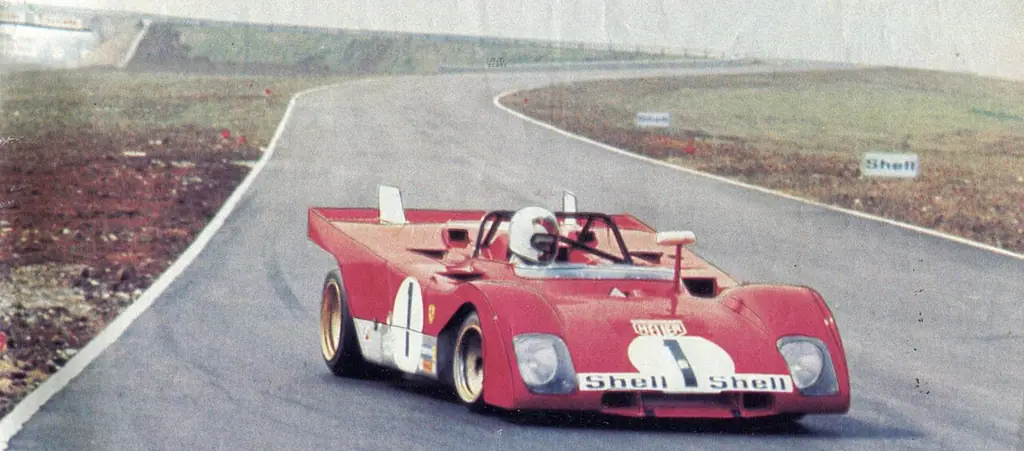
Photo: Marty B from United States of America · CC BY-SA 2.0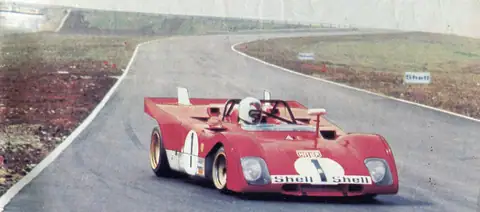 Ferrari 312 PB (1971-1973) (Wikimedia Commons search)
Photo: Unknown authorUnknown author · Public domain


02Production & history
Production
Every figure says what it counts.
| What is counted | Figure | Basis | Status |
|---|---|---|---|
| Total model productionFerrari 312 PB cars built | 131 | Factory production | Independently researched |
Independent counts (e.g. engine and colour) are never combined into a calculated figure. Surviving examples are never presented as original production.
History
Built in Group 6 form from the early 1970s, the 312 PB was essentially the 1970 312 B Formula 1 car with covered wheels and a polyester and fibreglass body. Early tests began in 1970 and it raced from 1971, making its debut at the Buenos Aires 1,000 km on 10 January 1971, where Ignazio Giunti was killed in a collision. In 1972 it won every race it entered. Enzo Ferrari chose not to enter Le Mans because the car was built for 1,000 km races.
Variants
How each version differs from the standard 312 PB (1971-1973).
No variants documented yet. Have a source? Contribute it.
03Specifications
Technical specifications
Engine
| Engine family | Not yet verified |
|---|---|
| Engine code | Not yet verified |
| Layout | Mid-engined, longitudinal 3.0-litre flat-122 Independently researched |
| Cylinders | 123,4 |
| Displacement | Not yet verified |
| Bore | Not yet verified |
| Stroke | Not yet verified |
| Compression ratio | Not yet verified |
| Fuel system | Not yet verified |
| Power | 338 kW / 460 PSFactory: 460 PS2 Independently researchedSource states CV. |
| Power at | Not yet verified |
| Torque | Not yet verified |
Transmission & drivetrain
| Gearbox | Not yet verified |
|---|---|
| Gears | 52 Independently researched |
| Driven wheels | rear wheels4 Independently researched |
Chassis, body & dimensions
| Chassis | aluminium panels riveted to small-diameter tubular spaceframe3Conceptcarz (level C) calls it an aluminum semi-monocoque; the factory wording is used here. |
|---|---|
| Front suspension | Not yet verified |
| Rear suspension | Not yet verified |
| Brakes | vented disc brakes4 Independently researched |
| Steering | Not yet verified |
| Body construction | Not yet verified |
| Wheelbase | Not yet verified |
| Length | Not yet verified |
| Width | Not yet verified |
| Height | Not yet verified |
| Front track | Not yet verified |
| Rear track | Not yet verified |
| Kerb weight | 660 kgFactory: 660 kg4 Independently researchedSource does not say whether this is dry or kerb weight; recorded as kerb_weight for lack of a better field. |
| Dry weight | Not yet verified |
Performance
| Maximum speed | 320 km/hFactory: 320 km/h2 Independently researched |
|---|---|
| 0–100 km/h | Not yet verified |
| Fuel tank | Not yet verified |
“Not yet verified” means no source has been checked for that value yet. Nothing is estimated to fill a gap.
04Colours & options
Factory colours & interiors
Original paint and trim, with the number of cars in each where a source gives it.
Not yet documented. Have a source? Contribute it.
Factory options & codes
Codes are shown exactly as written by the manufacturer.
Not yet documented. Have a source? Contribute it.
05Individual cars
Chassis register
Every documented car, with its colours, history and where it is now. Open a row for the full record. Known chassis are not automatically authenticated originals.
Not yet documented. Have a source? Contribute it.
Competition history
Every race result of the individual cars, in date order. Click a chassis number to open its full record in the register.
Not yet documented. Have a source? Contribute it.
Auction & sale history
Documented public sales of the individual cars. Click a chassis number to open its full record in the register.
Not yet documented. Have a source? Contribute it.
See one in person
Museums where an example of this car can be seen.
No example is documented on public display yet. Have a source? Contribute it.
06Reference
Identification guide
How to tell an original from a replica or later conversion.
Ferrari describes the 1971 car as a flat-12 with aluminium panels riveted to a small-diameter tubular spaceframe. Ferrari never officially used the 'PB' name, which many publications added to the 312 P designation.
Sources
Each number links to the exact facts it supports.
-
1
Ferrari 312PB: quando il Cavallino disse addio all'endurance - Amarsport - Panorama Auto Level C
- 13 Ferrari 312 PB cars built
-
2
Ferrari 312PB: quando il Cavallino disse addio all'endurance - Amarsport - Panorama Auto Level C Amarsport / Panorama Auto
- 3.0 a 12 cilindri a V piatto
- da 460 CV con 1.500 giri in meno
- cambio a cinque marce
- velocità massima di 320 km/h
-
3
Ferrari 312 P (1971) Level A Ferrari S.p.A.
- flat-12 engine
- aluminium panels were riveted to the small-diameter tubular spaceframe
-
4
1972 Ferrari 312 PB Level C conceptcarz.com
- It had a 180-degree angle
- sent power to the rear wheels
- vented disc brakes
- weighed around 660 kilograms
Keep exploring
More from Ferrari
-
Ferrari · 1954
375 MM Spider by Pinin Farina ("Ingrid Bergman" car, 0456AM)
1 Built
-
Ferrari · 1970
512 S Modulo (Pininfarina)
1 Built
-
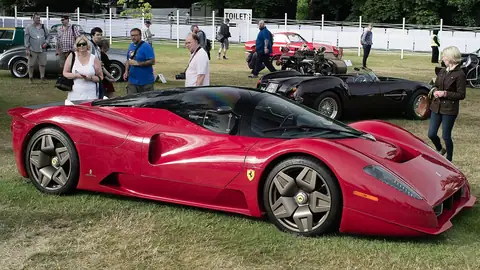
Ferrari · 2005–2006
P4/5 by Pininfarina (2006)
1 Built
-
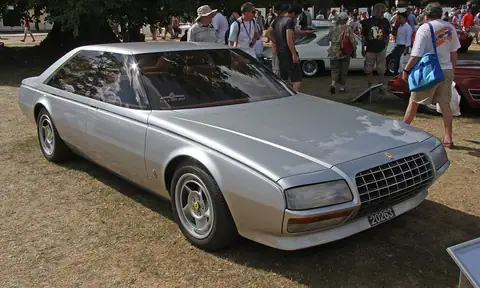
Ferrari · 1980
Pinin
1 Built
More from Italy
-
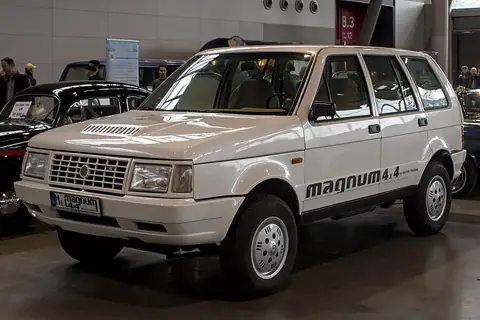
Rayton-Fissore · 1984
Magnum
6,000 Built
-
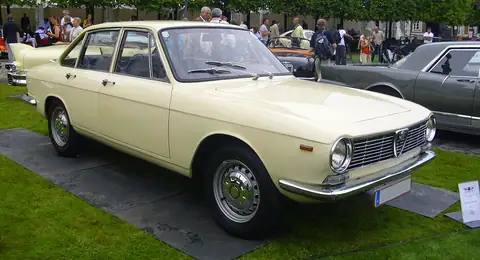
Alfa Romeo · 1965
2600 De Luxe (OSI)
54 Built
-
Pagani
Huayra R
30 Built
-
Maserati · 1935–1936
V8RI
4 Built
62 other makes from ItalyAbarthACM AutomobiliAlfa RomeoAres DesignATSAuto Avio CostruzioniAutobianchiAznomB EngineeringBandiniBertoneBizzarriniBrixia-ZüstCagivaCarrozzeria Touring SuperleggeraCeiranoChiribiriCisitaliaCizetaColoniCoviniDallaraDe TomasoDiattoF.I.A.L. LegnanoFervesFiatFissoreFlorentiaGhiaInnocentiIntermeccanicaIsoIsotta FraschiniItalaItaldesignLaffiteLamborghiniLanciaMaseratiAll makes →