Contents
01Overview
At a glance
- Built
- 1 Built
- Years
- 1966
- Engine
- Mid-mounted V12 · 5,000 cc / 5 LFactory: 5 L
- Power
- 374 kW / 509 PSFactory: 502 hp · converted
- Top speed
- 290 km/hFactory: 180 mph · converted
- Body
- Not yet verified
- Designer
- Malcolm Sayer
- In this archive
- Not yet verified
- Surviving
- 1 (factory reported)
Sources and any conflicting figures are in the sections below.
Why it matters
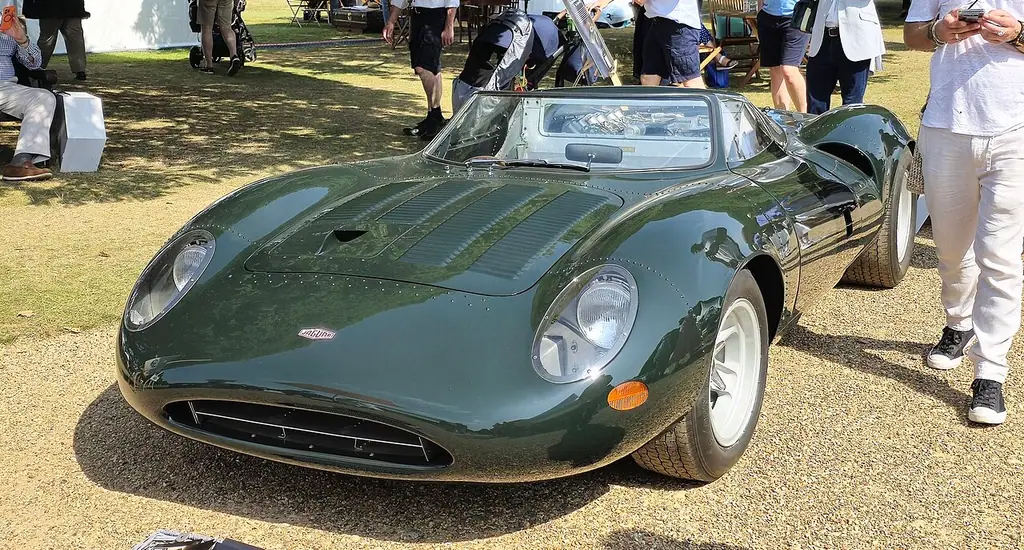
The XJ13 was Jaguar's mid-engined V12 prototype intended for Le Mans, and it is the only one ever built. It never raced, but it previewed Jaguar's V12 engine and is often called one of the most beautiful racing cars ever made.
How rare is it?
Six separate kinds of rarity – never combined into one number.
Each kind of rarity is rated separately and never combined.
Photos
Exterior, interior and detail photos with their licences.
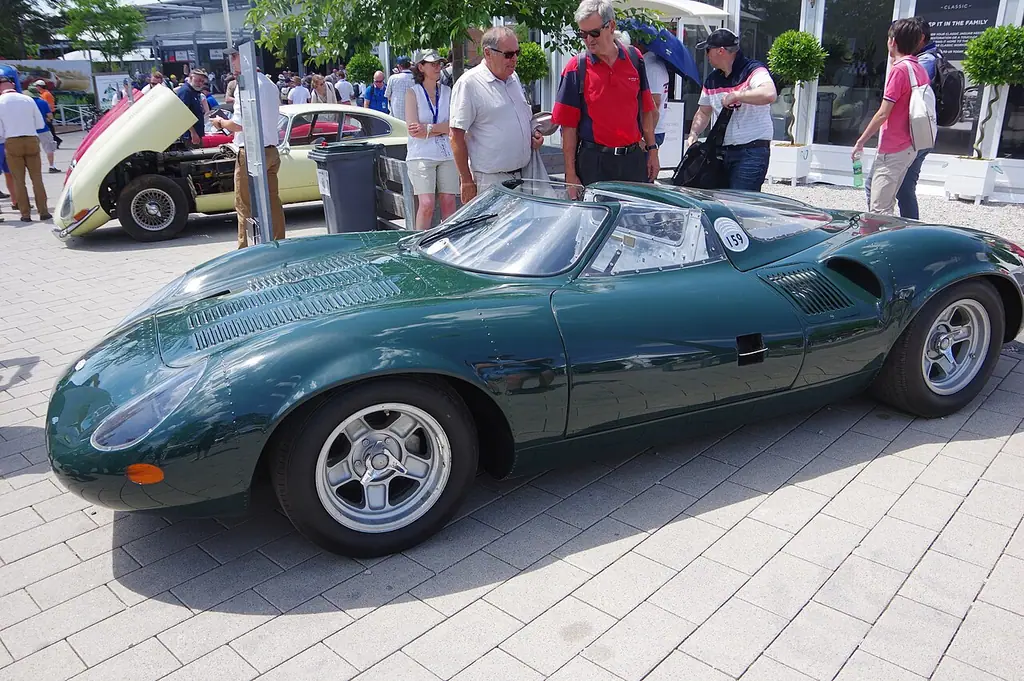
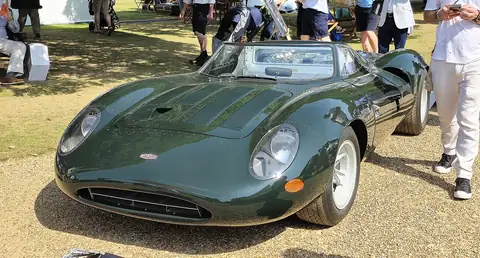 Jaguar XJ13 (Wikimedia Commons: Jaguar XJ13)
Photo: Calreyn88 · CC BY-SA 4.0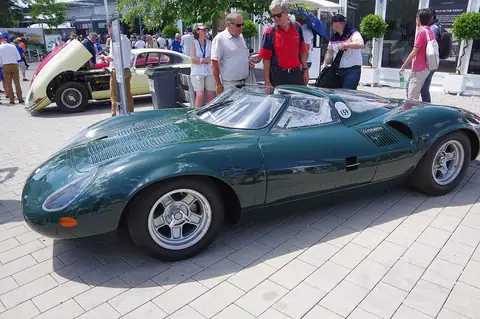 Jaguar XJ13 (Wikimedia Commons: Jaguar XJ13)
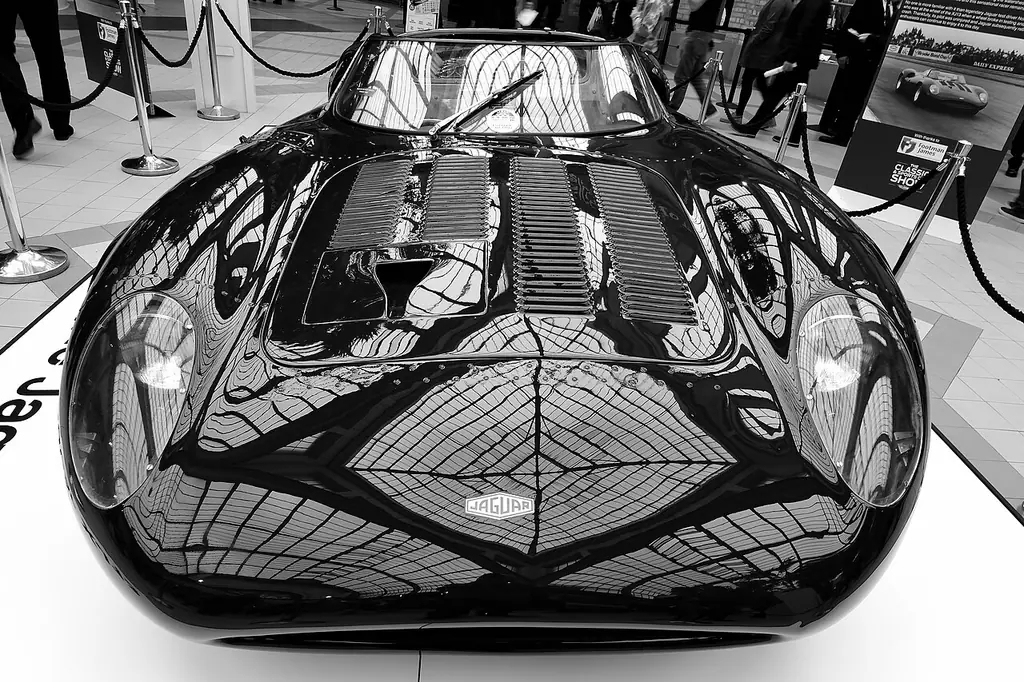
Photo: David Merrett from Daventry, England · CC BY 2.0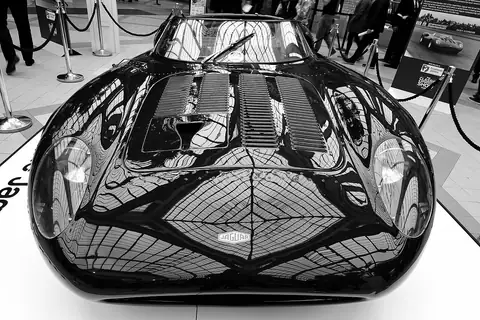 Jaguar XJ13 (Wikimedia Commons: Jaguar XJ13)
Photo: 35mmMan · CC BY 2.0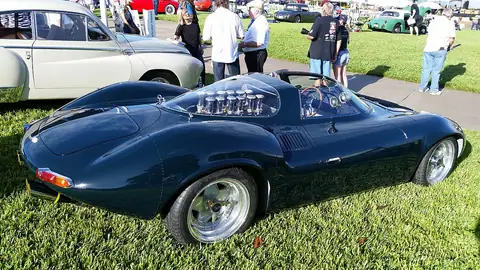 Jaguar XJ13 (Wikimedia Commons: Jaguar XJ13)
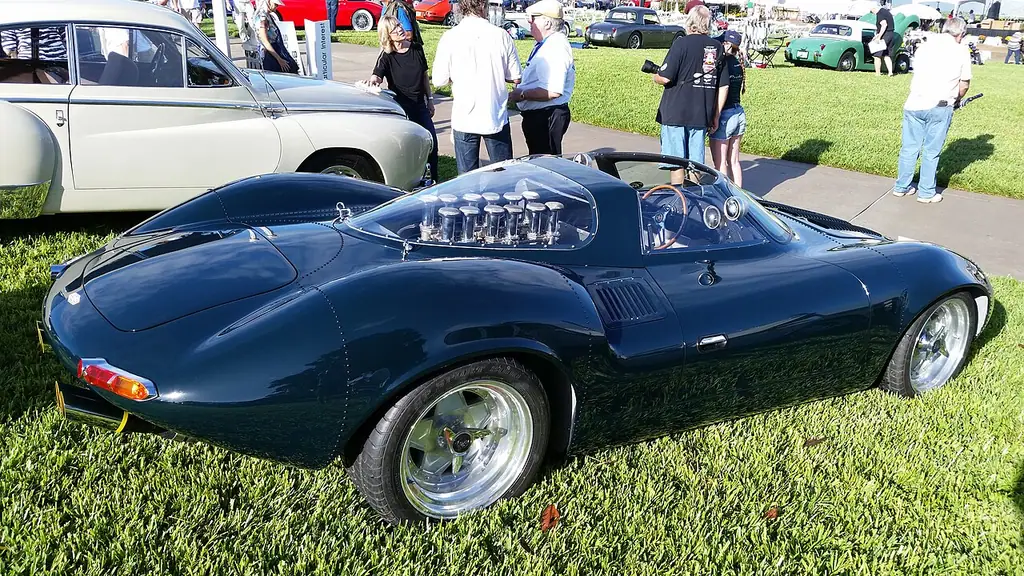
Photo: Michel Curi · CC BY 2.0


02Production & history
Production
Every figure says what it counts.
| What is counted | Figure | Basis | Status |
|---|---|---|---|
| Total model productionthe single XJ13 built | 11 | Surviving examples | Factory reported |
| Total model productiononly XJ13 built | 11,2 | Factory production | Factory reported |
Independent counts (e.g. engine and colour) are never combined into a calculated figure. Surviving examples are never presented as original production.
History
Work on the XJ13 began in 1964, but the project took second place to the XJ6 saloon and was overtaken by rival designs before it could race. Its body was shaped by Malcolm Sayer, with Bill Heynes, Wally Hassan and Derek White contributing under Claude Bailey's direction. In 1971, while being filmed at MIRA, a tyre punctured on the banking and the car crashed into the fence; Norman Dewis escaped with minor bruises. Lofty England decided in 1972 that it should be rebuilt, and it was fully restored again in 2005.
Variants
How each version differs from the standard XJ13.
No variants documented yet. Have a source? Contribute it.
03Specifications
Technical specifications
Engine
| Engine family | Not yet verified |
|---|---|
| Engine code | Not yet verified |
| Layout | Mid-mounted V121 |
| Cylinders | 123 Independently researched |
| Displacement | 5,000 cc / 5 LFactory: 5 L1 |
| Bore | 87 mmFactory: 87 mm3 Independently researched |
| Stroke | 70 mmFactory: 70 mm3 Independently researched |
| Compression ratio | 10.4:13 Independently researched |
| Valvetrain | 4 overhead camshafts, 2 valves per cylinder1 |
| Fuel system | Lucas mechanical fuel injection (initially 3 carburettors per head)1 |
| Power | 374 kW / 509 PSFactory: 502 hp · converted1Source states bhp. |
| Power at | 7,000 rpm3 Independently researchedJaguar Heritage gives 502 BHP for the engine; Ultimatecarpage gives 445 bhp at 7,000 rpm. The existing page value should be compared with these. |
| Torque | 518 NmFactory: 518 Nm3 Independently researched |
| Torque at | 6,300 rpm3 Independently researched |
Transmission & drivetrain
| Manufacturer | ZF1 |
|---|---|
| Gearbox | ZF five-speed transaxle1 |
| Gears | 51 |
| Driven wheels | Not yet verified |
Chassis, body & dimensions
| Chassis | Aluminium monocoque; engine is a stressed member carrying the rear suspension3 Independently researched |
|---|---|
| Front suspension | Double wishbones, coil springs, adjustable Armstrong dampers3 Independently researched |
| Rear suspension | Not yet verified |
| Brakes | Ventilated Girling discs all round3 Independently researched |
| Steering | Rack-and-pinion3 Independently researched |
| Body construction | Riveted aluminium body on monocoque3 Independently researched |
| Wheelbase | 2,410 mmFactory: 2,410 mm3 Independently researched |
| Length | 4,810 mmFactory: 4,810 mm3 Independently researched |
| Width | 1,800 mmFactory: 1,800 mm3 Independently researched |
| Height | 1,000 mmFactory: 1,000 mm3 Independently researched |
| Front track | 1,420 mmFactory: 1,420 mm3 Independently researched |
| Rear track | 1,420 mmFactory: 1,420 mm3 Independently researched |
| Kerb weight | Not yet verified |
| Dry weight | 1,000 kgFactory: 1,000 kg3 Independently researched"Just under" 1000 kg. |
Performance
| Maximum speed | 290 km/hFactory: 180 mph · converted1 Independently researchedCalculated, never measured at Le Mans. |
|---|---|
| 0–100 km/h | Not yet verified |
| Fuel tank | Not yet verified |
“Not yet verified” means no source has been checked for that value yet. Nothing is estimated to fill a gap.
04Colours & options
Factory colours & interiors
Original paint and trim, with the number of cars in each where a source gives it.
Not yet documented. Have a source? Contribute it.
Factory options & codes
Codes are shown exactly as written by the manufacturer.
Not yet documented. Have a source? Contribute it.
05Individual cars
Chassis register
Every documented car, with its colours, history and where it is now. Open a row for the full record. Known chassis are not automatically authenticated originals.
Not yet documented. Have a source? Contribute it.
Competition history
Every race result of the individual cars, in date order. Click a chassis number to open its full record in the register.
Not yet documented. Have a source? Contribute it.
Auction & sale history
Documented public sales of the individual cars. Click a chassis number to open its full record in the register.
Not yet documented. Have a source? Contribute it.
See one in person
Museums where an example of this car can be seen.
No example is documented on public display yet. Have a source? Contribute it.
06Reference
Identification guide
How to tell an original from a replica or later conversion.
There is a single XJ13. Its 5-litre V12 sits behind the driver, suspended from the monocoque and carrying some rear-suspension loads. It has four overhead camshafts, aluminium head and block, Lucas mechanical fuel injection (replacing the original three carburettors per head) and a ZF five-speed transaxle. The body is riveted aluminium on a monocoque. After the 1971 crash at MIRA the car was rebuilt by Abbey Panels using the original jigs and formers, and in 2005 was restored to its 1968 colour.
Sources
Each number links to the exact facts it supports.
-
1
1966 Jaguar XJ13 Level A Jaguar Daimler Heritage Trust
- the single XJ13 built had a 5 litre V12 engine
- There’s only one Jaguar XJ13 in the world
- 5 litre V12 engine ... mid car
- a 5 litre V12 engine
- It had 4 overhead camshafts with 2 valves per cylinder
- replaced with a Lucas mechanical fuel injected system
- 502 BHP
- a 5 speed ZF transaxle gearbox was installed
- 5-speed ZF transaxle gearbox
- 5-speed ZF transaxle
- would have been able to have exceeded 180 mph (289 km/h) down the Mulsanne straight
- 2
-
3
Jaguar XJ13 specifications Level C Ultimatecarpage.com · 2007-11-09
- 60º V12
- Bore / Stroke 87.0 mm / 70.0 mm
- Compression 10.4:1
- 445 bhp / 332 kW @ 7,000 rpm
- 518 Nm / 382 ft lbs @ 6,300 rpm
- @ 6,300 rpm
- the monocoque was constructed from aluminium ... the engine and gearbox carried the rear suspension
- double wishbones, coil springs over adjustable Armstrong shock absorbers
- ventilated Girling discs, all-round
- Steering rack-and-pinion
- riveted aluminium body on monocoque
- 2,410 mm (94.9 in)
- 4,810 mm / 1,800 mm / 1,000 mm
- 1,420 mm / 1,420 mm
- weighed in at just under 1000 kg
Keep exploring
More from Jaguar
-
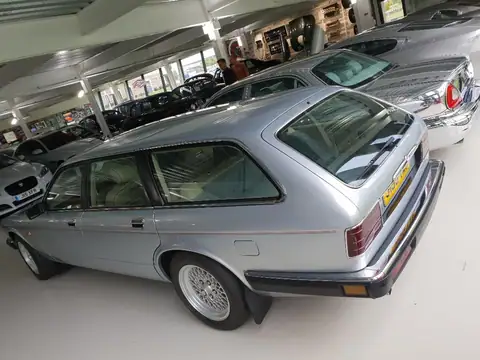
Jaguar · 1992
XJ40 Prototype Shooting Brake (J199 TAC)
1 Built
-
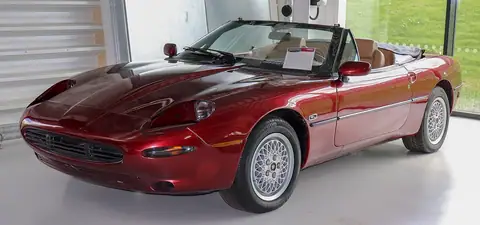
Jaguar · 1988
XJ42 prototype (convertible)
1 Built
-
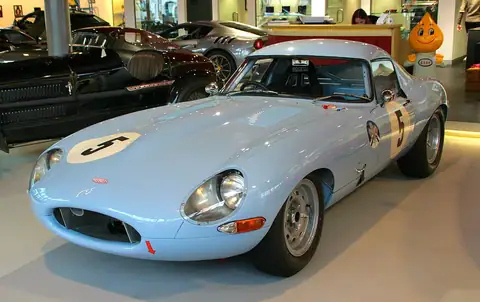
Jaguar · 1962
E-type Low Drag Coupé (CUT 7)
2 Built
-
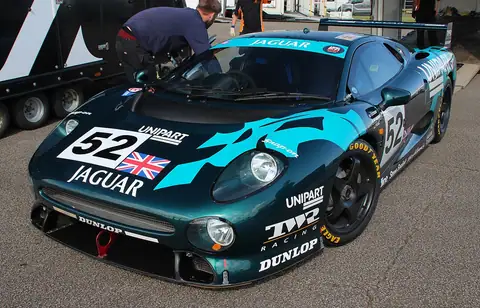
Jaguar · 1993–1994
XJ220 C
3 Built
More from United Kingdom
-
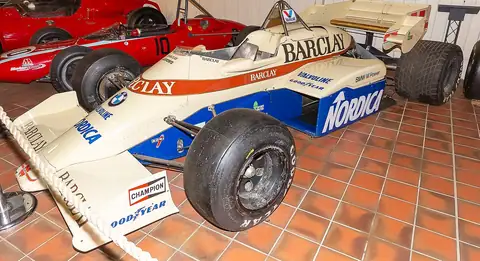
Arrows
A8
Production not yet verified
-
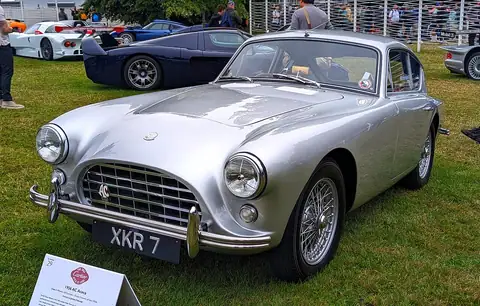
AC
Aceca (AC two-litre six) (1954-1963)
Production not yet verified
-
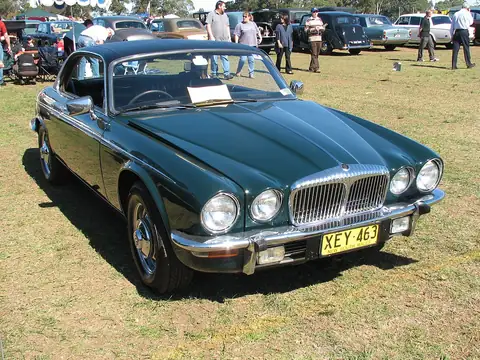
Daimler · 1975–1977
Double-Six Coupé (XJ-C)
407 Built
-
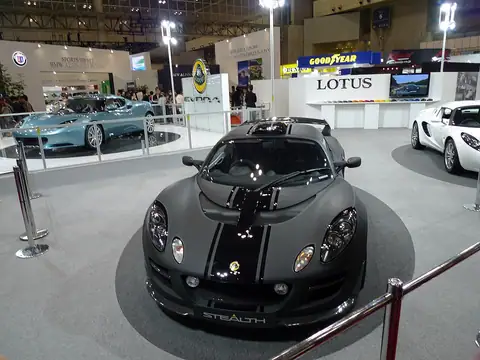
Lotus · 2009
Exige Scura
35 Built
131 other makes from United KingdomACAiredaleAlan Mann RacingAllardAlvisArabArashArielArmstrong SiddeleyArrowsAscariAston MartinAtalantaAtlantisAustinAustin-HealeyBedfordBentleyBerkeleyBluebirdBMCBondBrabhamBristolBritish LeylandBroadspeedBrookeBrough SuperiorCampbell-RailtonCaparoCaterhamChevronConnaughtCooperCrayfordDaimlerDavid BrownDawsonDeLoreanDuttonAll makes →