Makes › Lagonda › Taraf · Rare production · 2015–2016 Extremely Rare
Lagonda
Taraf
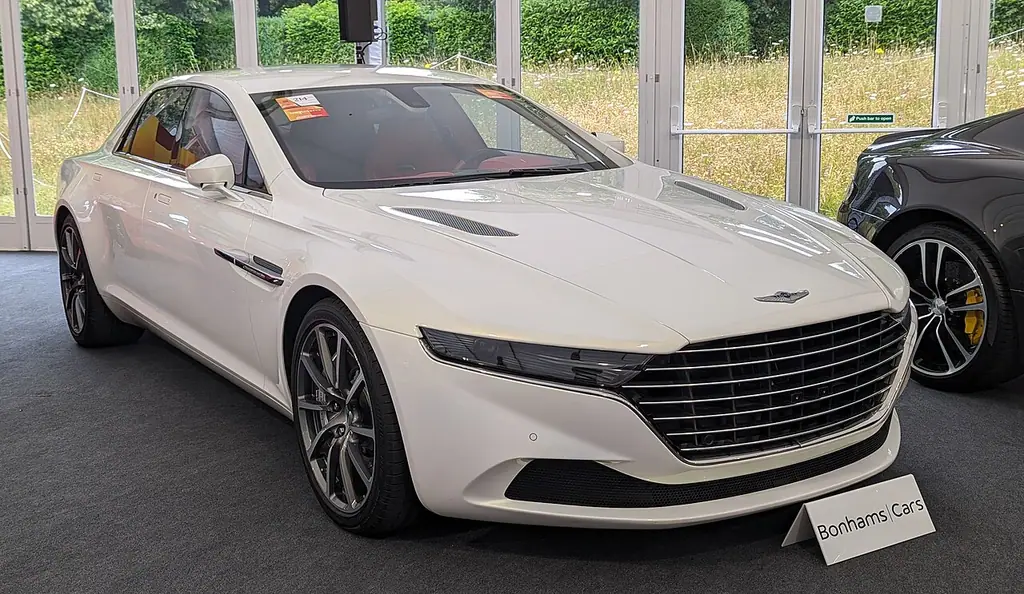
Hand-built, carbon-bodied V12 luxury saloon by Aston Martin's special projects division, limited to 200 units at launch.
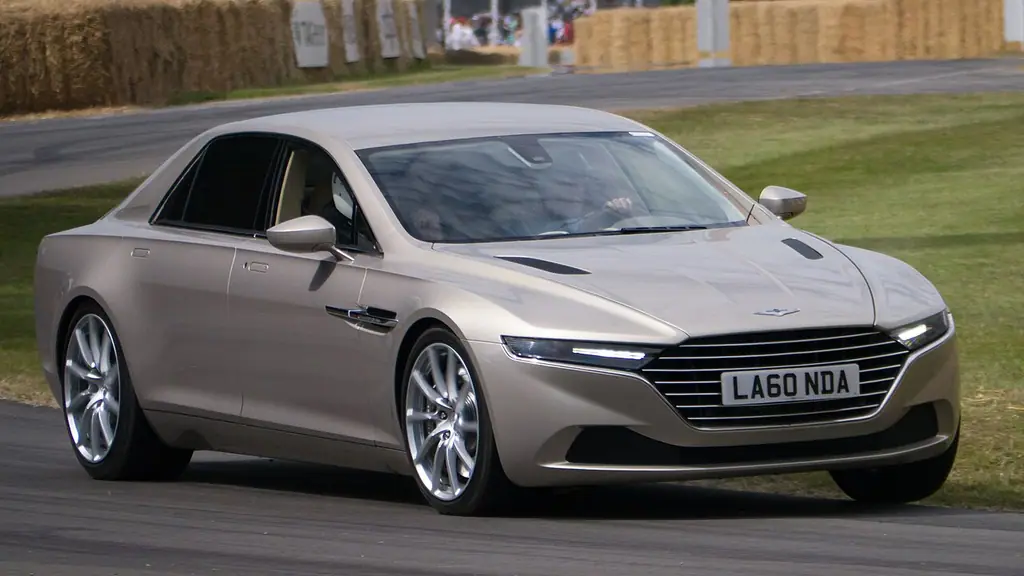
Photo: Edvvc from London, UK · CC BY 2.0
Contents
01Overview
At a glance
- Built
- 200 Built
- Years
- 2015–2016
- Engine
- V12 · 5,935 cc / 5.9 LFactory: 5,935 cc
- Power
- 403 kW / 547 PSFactory: 540 hp · converted
- Top speed
- 314 km/hFactory: 195 mph · converted
- Body
- Not yet verified
- Designer
- Not yet verified
- In this archive
- Not yet verified
- Surviving
- Not yet verified
Sources and any conflicting figures are in the sections below.
Why it matters
The Taraf revived the Lagonda name for a stand-alone super-luxury saloon, built as a limited, hand-finished car rather than a volume model. Aston Martin described it as a toe-in-the-water exercise for a wider Lagonda range, which was still unapproved when the sources were written.
How rare is it?
Six separate kinds of rarity – never combined into one number.
Each kind of rarity is rated separately and never combined.
Photos
Exterior, interior and detail photos with their licences.
 Lagonda Taraf (Wikimedia Commons search)
Photo: Edvvc from London, UK · CC BY 2.0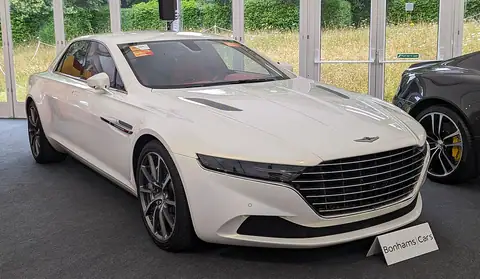 Lagonda Taraf (Wikimedia Commons search)
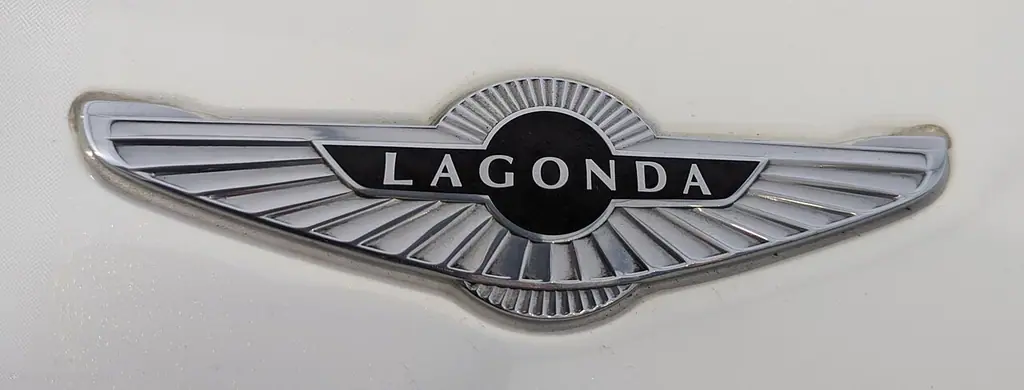
Photo: Calreyn88 · CC BY-SA 4.0 Lagonda Taraf (Wikimedia Commons search)
Photo: Calreyn88 · CC BY-SA 4.0


02Production & history
Production
Every figure says what it counts.
| What is counted | Figure | Basis | Status |
|---|---|---|---|
| Total model productionLimited edition – the stated limit of the run: units announced as the limited run (lead gives an initial 100 for the Middle East) | 2001 | Factory production | Independently researched |
Independent counts (e.g. engine and colour) are never combined into a calculated figure. Surviving examples are never presented as original production.
History
Based on Aston Martin's VH architecture, the V12-powered Taraf is the work of Aston Martin's special projects division, which was also behind the Vulcan and Vantage GT12. Autocar reported a limited run of 200 units; other sources give 100 for the first Middle East release.
Variants
How each version differs from the standard Taraf.
No variants documented yet. Have a source? Contribute it.
03Specifications
Technical specifications
Engine
| Engine family | Not yet verified |
|---|---|
| Engine code | Not yet verified |
| Layout | V122 Independently researched |
| Displacement | 5,935 cc / 5.9 LFactory: 5,935 cc3 Independently researchedMotorTrend (S6) gives 6.0L and the 2015 news (S1) gives 5.9-litre; the 5935 cc spec-box figure is used here. |
| Bore | Not yet verified |
| Stroke | Not yet verified |
| Compression ratio | Not yet verified |
| Valvetrain | DOHC 48-valve V124 Independently researched |
| Fuel system | Not yet verified |
| Induction | naturally aspirated5 Independently researched |
| Power | 403 kW / 547 PSFactory: 540 hp · converted3,4 Independently researchedLaunch news (S1) gave 550bhp. Unit kept as the source writes it (bhp). |
| Power at | 6,650 rpm3 Independently researched |
| Torque | 630 NmFactory: 465 lb-ft · converted3 Independently researched |
| Torque at | 5,500 rpm3 Independently researched |
Transmission & drivetrain
| Gearbox | 8-speed torque converter automatic3 Independently researchedS1 (2015 launch news) says six-speed ZF automatic; S2 and S6 say eight-speed. Eight-speed used here. |
|---|---|
| Gears | 83 Independently researchedSee conflict in transmission.type. |
| Driven wheels | rear3 Independently researched |
Chassis, body & dimensions
| Chassis | stretched version of Aston Martin's VH bonded aluminium architecture3 Independently researched |
|---|---|
| Front suspension | steel springs with switchable dampers3 Independently researchedThe source does not separate front and rear suspension, so the value is recorded once under front. |
| Rear suspension | Not yet verified |
| Brakes | Not yet verified |
| Steering | Not yet verified |
| Body construction | carbon-fibre body panels4 Independently researched |
| Wheelbase | Not yet verified |
| Length | 5,396 mmFactory: 5,396 mm3 Independently researched |
| Width | Not yet verified |
| Height | Not yet verified |
| Front track | Not yet verified |
| Rear track | Not yet verified |
| Kerb weight | 1,995 kgFactory: 1,995 kg3 Independently researchedMotorTrend (S6) gives 4387 lb, labelled a manufacturer estimate. |
| Dry weight | Not yet verified |
Performance
| Maximum speed | 314 km/hFactory: 195 mph · converted3,4 Independently researchedThe 2015 launch news (S1) says around 200mph. |
|---|---|
| 0–100 km/h | Not yet verified |
| 0–60 mph | 4.4 s4Manufacturer claim as reported by MotorTrend. S2 gives 0-62mph 4.4 sec in its spec box. |
| Fuel tank | Not yet verified |
“Not yet verified” means no source has been checked for that value yet. Nothing is estimated to fill a gap.
04Colours & options
Factory colours & interiors
Original paint and trim, with the number of cars in each where a source gives it.
Not yet documented. Have a source? Contribute it.
Factory options & codes
Codes are shown exactly as written by the manufacturer.
Not yet documented. Have a source? Contribute it.
05Individual cars
Chassis register
Every documented car, with its colours, history and where it is now. Open a row for the full record. Known chassis are not automatically authenticated originals.
Not yet documented. Have a source? Contribute it.
Competition history
Every race result of the individual cars, in date order. Click a chassis number to open its full record in the register.
Not yet documented. Have a source? Contribute it.
Auction & sale history
Documented public sales of the individual cars. Click a chassis number to open its full record in the register.
Not yet documented. Have a source? Contribute it.
See one in person
Museums where an example of this car can be seen.
No example is documented on public display yet. Have a source? Contribute it.
06Reference
Identification guide
How to tell an original from a replica or later conversion.
Carbon-fibre body panels on a stretched version of the VH architecture used by the Rapide, with a C-pillar that references the 1976 Towns-designed Lagonda. Each car was hand-built at Aston Martin's Gaydon plant. The 2015 launch news gives a six-speed gearbox, while the 2015-2016 review and MotorTrend give eight speeds, so gearbox details need checking against the car.
Sources
Each number links to the exact facts it supports.
-
1
Lagonda Taraf news item, Autocar Level C
- 200 Limited edition – the stated limit of the run: units announced as the limited run (lead gives an initial 100 for the Middle East)
-
2
Lagonda Taraf (Geneva motor show news) Level C Autocar (Wayback capture)
- the V12-powered Lagonda Taraf
-
3
Aston Martin Lagonda Taraf 2015-2016 review Level C Autocar
- Engine V12, 5935cc, petrol (spec box)
- Power 540bhp at 6650rpm
- Torque 465lb ft at 5500rpm
- Gearbox 8-spd torque converter automatic
- power the back axle through a rear mounted eight-speed transaxle
- a stretched version of Aston's familiar VH bonded aluminium architecture
- still sits on steel springs with switchable dampers
- At 5396mm in length
- Kerb weight 1995kg
- Top speed 195mph-plus
-
4
2016 Lagonda Taraf Review: The $1 Million Hand-Built Sedan Level C MotorTrend
- DOHC 48-valve V-12
- 540-hp version of the 6.0-liter V-12
- clad in unique carbon-fiber body panels
- a top speed of just over 195 mph
- a 0-60-mph time of about 4.4 seconds
-
5
2015 Aston Martin Lagonda priced at £685,000 Level C Autocar
- 5.9-litre naturally aspirated V12
Keep exploring
More from Lagonda
-
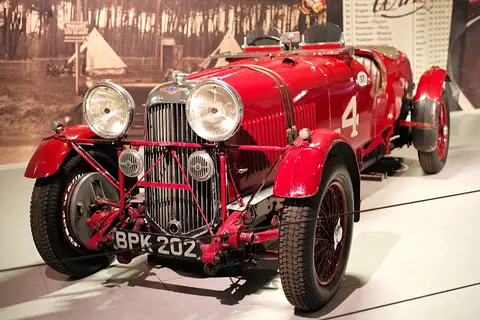
Lagonda · 1935
M45R Rapide (1935 Le Mans winner, BPK 202)
1 Built
-
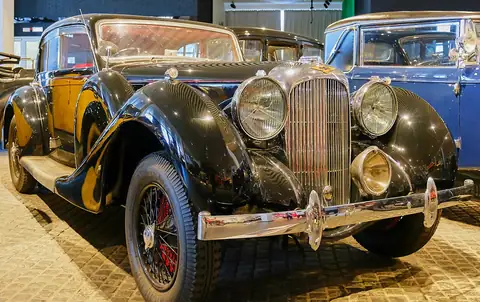
Lagonda · 1938–1939
V12 Rapide
17 Built
-
Lagonda
Rapide (Aston Martin)
55 Built
-
Lagonda · 1938–1939
Lagonda LG6 (1937-1940)
63 Built
More from United Kingdom
-
TVR
TVR 390SE
Production not yet verified
-
AC
Ace (AC two-litre six)
Production not yet verified
-
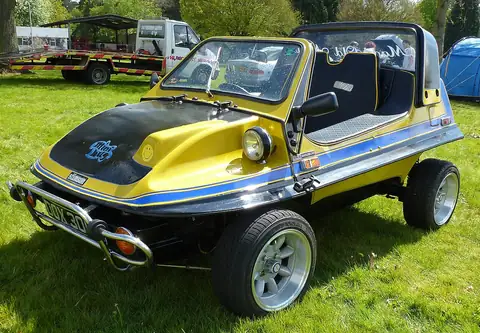
Stimson
Mini Bug
Production not yet verified
-
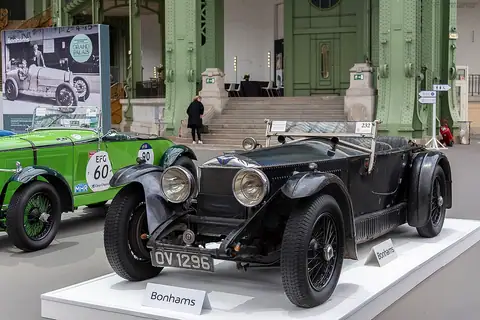
Invicta
4½ Litre S-Type "Low Chassis"
75 Built
134 other makes from United KingdomACAiredaleAlan Mann RacingAllardAlvisArabArashArielArmstrong SiddeleyArrowsAscariAston MartinAtalantaAtlantisAustinAustin-HealeyBedfordBentleyBerkeleyBluebirdBMCBondBrabhamBristolBritish LeylandBroadspeedBrookeBrough SuperiorCampbell-RailtonCaparoCaterhamChevronConnaughtCooperCrayfordDaimlerDavid BrownDawsonDeLoreanDuttonAll makes →