Makes › Lamborghini › Urraco › Urraco · Rare production · 1973
Lamborghini
Urraco
Entry-level V8 Lamborghini; lead gives 791 units from Wikidata.
Still being researched: identification guide. Everything shown is checked against the cited sources. Know more? Send us a source.
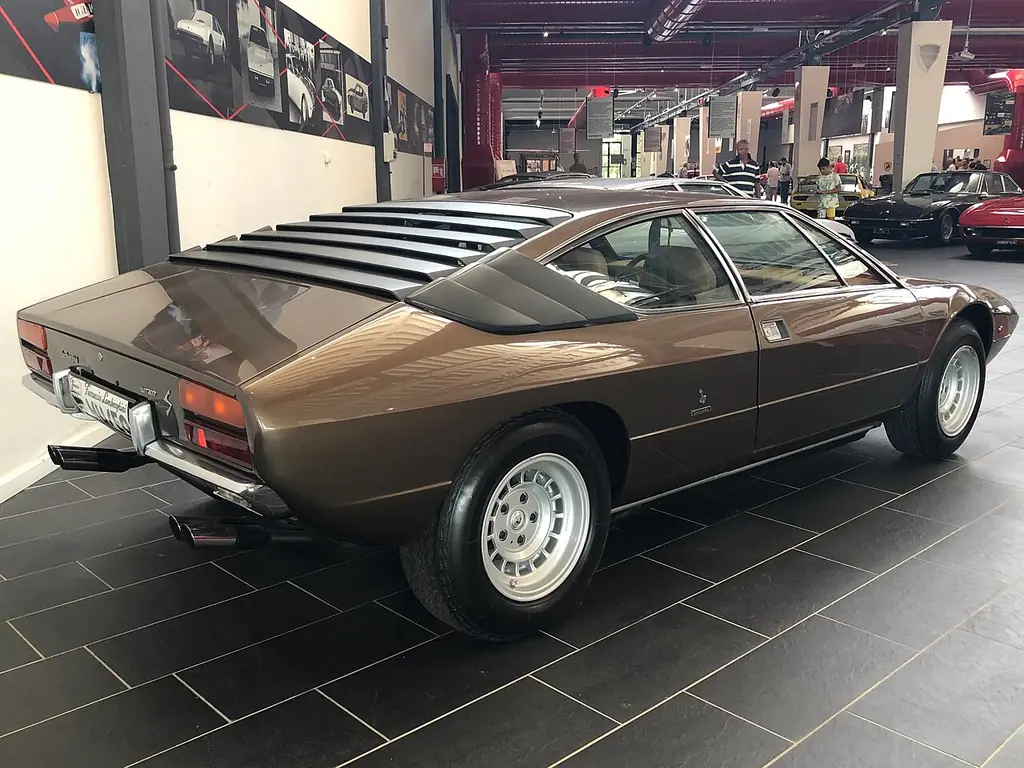
Photo: TKOIII · CC BY-SA 4.0
Contents
01Overview
At a glance
- Built
- Not yet verified
- Years
- 1973
- Engine
- 90° V8, transverse, mid-mounted behind the rear seats · 2,462 cc / 2.5 LFactory: 2,462 cc
- Power
- 164 kW / 223 PSFactory: 220 hp · converted
- Top speed
- Not yet verified
- Body
- Not yet verified
- Designer
- Bertone (Marcello Gandini)
- In this archive
- Not yet verified
- Surviving
- Not yet verified
Sources and any conflicting figures are in the sections below.
Why it matters
The Urraco was Lamborghini's small four-seat GT, aimed at the Porsche 911 and at lower-priced exotic cars. Its shape was by Marcello Gandini at Bertone, and it was the basis for the Silhouette.
How rare is it?
Six separate kinds of rarity – never combined into one number.
Each kind of rarity is rated separately and never combined.
Photos
Exterior, interior and detail photos with their licences.
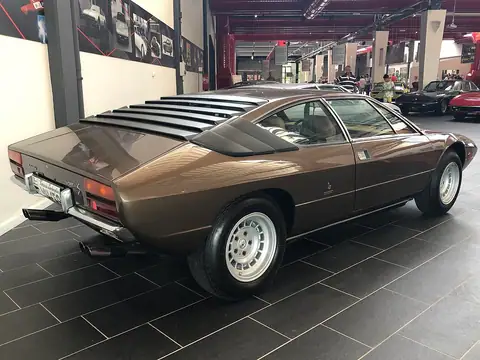 Lamborghini Urraco (Wikimedia Commons search)
Photo: TKOIII · CC BY-SA 4.0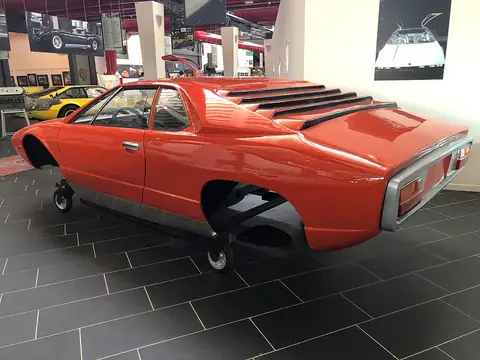 Lamborghini Urraco (Wikimedia Commons search)
Photo: TKOIII · CC BY-SA 4.0
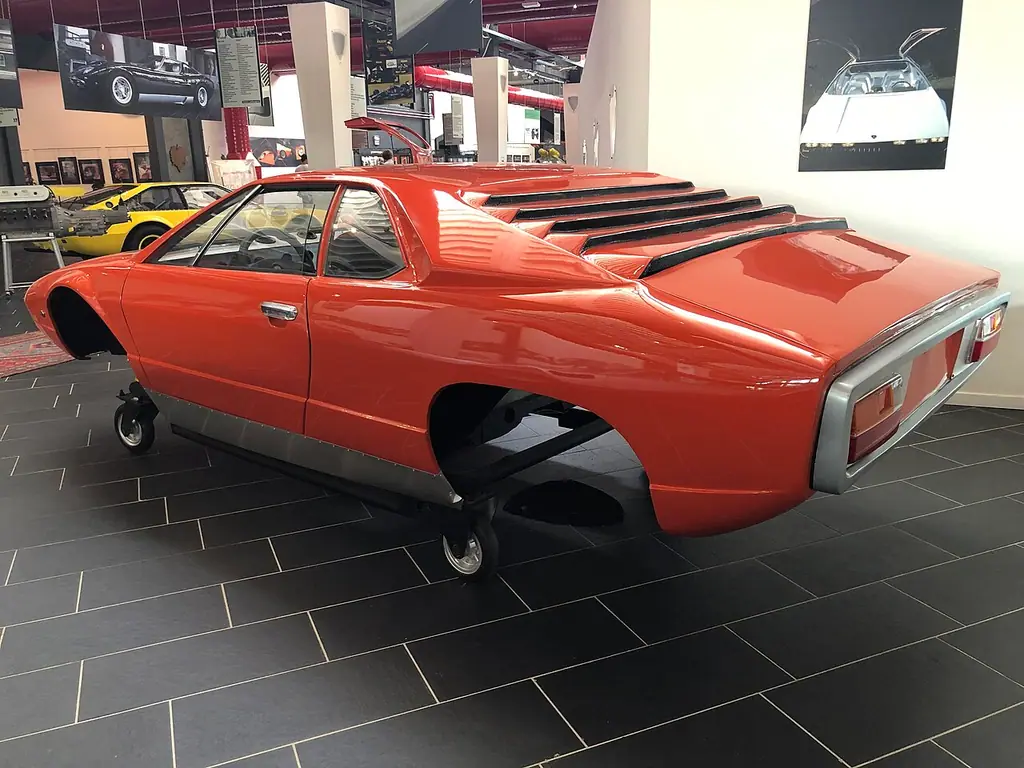


02Production & history
Production
Every figure says what it counts.
No production figures recorded yet.
History
The Urraco was first unveiled at the 1970 Turin show, but production was not destined to start until 1973. Deliveries began that year.
Sales were slow. The P200 (2-litre, for the Italian market) and the P300 (3-litre) were introduced at the 1974 Turin show, and cars were built in three variants.
evo says the Silhouette came from lopping the roof off a Urraco P300.
Variants
How each version differs from the standard Urraco.
No variants documented yet. Have a source? Contribute it.
03Specifications
Technical specifications
Engine
| Engine family | Not yet verified |
|---|---|
| Engine code | Not yet verified |
| Layout | 90° V8, transverse, mid-mounted behind the rear seats1 Independently researched |
| Cylinders | 81 Independently researched |
| Displacement | 2,462 cc / 2.5 LFactory: 2,462 cc1 Independently researchedP250 figure. P200 is 1994 cc and P300 is 2995 cc. The text calls the car 2.5-litre. |
| Bore | 86 mmFactory: 86 mm1 Independently researchedP250 figure. |
| Stroke | 53 mmFactory: 53 mm1 Independently researchedP250 figure. |
| Compression ratio | Not yet verified |
| Valvetrain | SOHC per bank (P250); two chain-driven overhead camshafts per bank (P300)1 Independently researchedRoad & Track (Jalpa article) says a quad-cam V8 was introduced for the Urraco in 1971. Not used. |
| Fuel system | Not yet verified |
| Power | 164 kW / 223 PSFactory: 220 hp · converted1 Independently researchedP250 figure, written bhp in the source. P200 is 182 bhp; P300 is 250 bhp (later 265 bhp). Not converted. |
| Power at | 7,500 rpm1 Independently researched |
| Torque | Not yet verified |
Transmission & drivetrain
| Gearbox | 5-speed manual1 Independently researched |
|---|---|
| Gears | 51 Independently researched |
| Driven wheels | Not yet verified |
Chassis, body & dimensions
| Chassis | Sheet-steel platform chassis, built by Marchesi in Modena2 Independently researched |
|---|---|
| Front suspension | McPherson struts with coil spring/damper units and lower transverse arms, plus anti-roll bar1 Independently researched |
| Rear suspension | McPherson struts with coil spring/damper units and lower transverse arms, plus anti-roll bar1 Independently researched |
| Brakes | Disc brakes all round1 Independently researched |
| Steering | Not yet verified |
| Body construction | Unitary steel1 Independently researched |
| Wheelbase | Not yet verified |
| Length | Not yet verified |
| Width | Not yet verified |
| Height | Not yet verified |
| Front track | 1,460 mmFactory: 1,460 mm1 Independently researched |
| Rear track | 1,460 mmFactory: 1,460 mm1 Independently researched |
| Kerb weight | 1,100 kgFactory: 1,100 kg1 Independently researched |
| Dry weight | Not yet verified |
Performance
| Maximum speed | Not yet verified |
|---|---|
| 0–100 km/h | Not yet verified |
| Fuel tank | Not yet verified |
“Not yet verified” means no source has been checked for that value yet. Nothing is estimated to fill a gap.
04Colours & options
Factory colours & interiors
Original paint and trim, with the number of cars in each where a source gives it.
Not yet documented. Have a source? Contribute it.
Factory options & codes
Codes are shown exactly as written by the manufacturer.
Not yet documented. Have a source? Contribute it.
05Individual cars
Chassis register
Every documented car, with its colours, history and where it is now. Open a row for the full record. Known chassis are not automatically authenticated originals.
Not yet documented. Have a source? Contribute it.
Competition history
Every race result of the individual cars, in date order. Click a chassis number to open its full record in the register.
Not yet documented. Have a source? Contribute it.
Auction & sale history
Documented public sales of the individual cars. Click a chassis number to open its full record in the register.
Not yet documented. Have a source? Contribute it.
See one in person
Museums where an example of this car can be seen.
No example is documented on public display yet. Have a source? Contribute it.
06Reference
Identification guide
How to tell an original from a replica or later conversion.
Not yet documented. Have a source? Contribute it.
Sources
Each number links to the exact facts it supports.
-
1
Lamborghini Urraco, Silhouette & Jalpa Level C Cars From Italy
- mounted transversely behind the rear seats
- all-alloy 2.5-litre 90 degree V8
- P250 : 2462cc (86x53mm) 90deg V8
- sohc (per bank)
- 220bhp @ 7,500rpm
- 5 speed manual
- McPherson struts with coil spring/damper units and lower transverse arms
- disc brakes were fitted all round
- The body was of unitary-construction using steel
- track (front/rear) : 1460mm/1460mm
- 1100kg
-
2
Lamborghini Silhouette: review, history and specs of an icon Level C Henry Catchpole · evo
- its sheet-steel platform chassis was built in Modena by Marchesi
Keep exploring
More from Lamborghini
-
Lamborghini
Lamborghini Cala
1 Built
-
Lamborghini · 1965
3500 GTZ (Zagato)
2 Built
-
Lamborghini · 2013
Veneno (coupé)
4 Built
-
Lamborghini · 1971–1972
Miura SVJ (factory)
5 Built
See all 111 cars by Lamborghini →
More from Italy
-
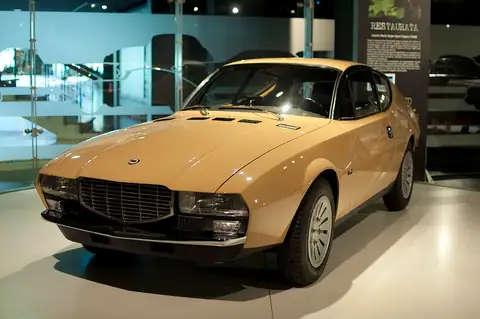
Lancia · 1967–1968
Flavia Super Sport (Zagato prototypes)
2 Built
-
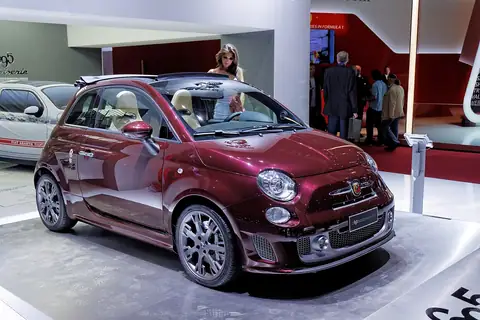
Abarth
695 Edizione Maserati (2011)
Production not yet verified
-
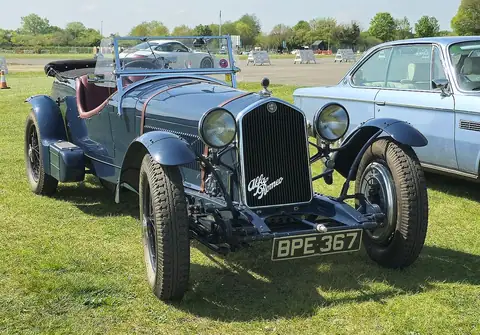
Alfa Romeo
8C 2300 (chassis series)
Production not yet verified
-
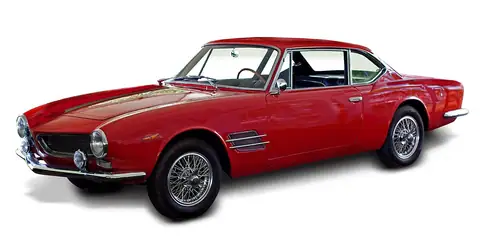
Moretti
Moretti 2500 SS
Production not yet verified
62 other makes from ItalyAbarthACM AutomobiliAlfa RomeoAres DesignATSAuto Avio CostruzioniAutobianchiAznomB EngineeringBandiniBertoneBizzarriniBrixia-ZüstCagivaCarrozzeria Touring SuperleggeraCeiranoChiribiriCisitaliaCizetaColoniCoviniDallaraDe TomasoDiattoF.I.A.L. LegnanoFerrariFervesFiatFissoreFlorentiaGhiaInnocentiIntermeccanicaIsoIsotta FraschiniItalaItaldesignLaffiteLanciaMaseratiAll makes →