Makes › Lanchester › first experimental car · Prototype · 1895 One-off
Lanchester
first experimental car
Frederick Lanchester's first car; claimed first four-wheel petrol car built entirely in the British Isles
Still being researched: identification guide, full specifications. Everything shown is checked against the cited sources. Know more? Send us a source.
Contents
01Overview
At a glance
- Built
- 1 Built
- Years
- 1895
- Engine
- Single cylinder with two balanced cranks, each with its own flywheel and con-rod, kept in phase by bevel gears
- Power
- Not yet verified
- Top speed
- Not yet verified
- Body
- Not yet verified
- Designer
- Frederick Lanchester
- In this archive
- Not yet verified
- Surviving
- Not yet verified
Sources and any conflicting figures are in the sections below.
Why it matters
The first Lanchester of 1895 is described as the first British car. It combined a single-cylinder engine with two balanced cranks, geometrically correct steering and a sprung three-abreast body.
How rare is it?
Six separate kinds of rarity – never combined into one number.
Each kind of rarity is rated separately and never combined.
02Production & history
Production
Every figure says what it counts.
| What is counted | Figure | Basis | Status |
|---|---|---|---|
| Total model productionindividual experimental car (first trials late 1895, on the road 1896) | 11 | Factory production | Independently researched |
Independent counts (e.g. engine and colour) are never combined into a calculated figure. Surviving examples are never presented as original production.
History
Frederick Lanchester built a high-speed petrol engine running at 800 rpm with his own wick carburettor and first used it in an English-built motor boat. The car used pneumatic tyres bought from Dunlop, said to be the first motor-car tyres Dunlop made. The body seated three abreast and was sprung to make up for the lack of springs on the axles.
The original car was later rebuilt with a two-cylinder engine and a second experimental car, the Gold Medal Phaeton, followed, with a third water-cooled example after that.
Variants
How each version differs from the standard first experimental car.
No variants documented yet. Have a source? Contribute it.
03Specifications
Technical specifications
Engine
| Engine family | Not yet verified |
|---|---|
| Engine code | Not yet verified |
| Layout | Single cylinder with two balanced cranks, each with its own flywheel and con-rod, kept in phase by bevel gears2 Independently researched |
| Displacement | Not yet verified |
| Bore | 121 mmFactory: 4.75 in · converted2 Independently researched |
| Stroke | 114 mmFactory: 4.5 in · converted2 Independently researched |
| Compression ratio | Not yet verified |
| Fuel system | Wick carburettor2 Independently researched |
| Power | Not yet verified |
| Power at | Not yet verified |
| Torque | Not yet verified |
| Redline | 800 rpm2 Independently researchedSource says the engine was capable of 800 rpm; engine speed, not a rev limit of the car as such. |
Transmission & drivetrain
| Gearbox | Not yet verified |
|---|---|
| Gears | Not yet verified |
| Driven wheels | Not yet verified |
Chassis, body & dimensions
| Chassis | Not yet verified |
|---|---|
| Front suspension | Not yet verified |
| Rear suspension | Not yet verified |
| Brakes | Not yet verified |
| Steering | Not yet verified |
| Body construction | Not yet verified |
| Wheelbase | Not yet verified |
| Length | Not yet verified |
| Width | Not yet verified |
| Height | Not yet verified |
| Front track | Not yet verified |
| Rear track | Not yet verified |
| Kerb weight | Not yet verified |
| Dry weight | Not yet verified |
Performance
| Maximum speed | Not yet verified |
|---|---|
| 0–100 km/h | Not yet verified |
| Fuel tank | Not yet verified |
“Not yet verified” means no source has been checked for that value yet. Nothing is estimated to fill a gap.
04Colours & options
Factory colours & interiors
Original paint and trim, with the number of cars in each where a source gives it.
Not yet documented. Have a source? Contribute it.
Factory options & codes
Codes are shown exactly as written by the manufacturer.
Not yet documented. Have a source? Contribute it.
05Individual cars
Chassis register
Every documented car, with its colours, history and where it is now. Open a row for the full record. Known chassis are not automatically authenticated originals.
Not yet documented. Have a source? Contribute it.
Competition history
Every race result of the individual cars, in date order. Click a chassis number to open its full record in the register.
Not yet documented. Have a source? Contribute it.
Auction & sale history
Documented public sales of the individual cars. Click a chassis number to open its full record in the register.
Not yet documented. Have a source? Contribute it.
See one in person
Museums where an example of this car can be seen.
No example is documented on public display yet. Have a source? Contribute it.
06Reference
Identification guide
How to tell an original from a replica or later conversion.
Not yet documented. Have a source? Contribute it.
Sources
Each number links to the exact facts it supports.
-
1
Grace's Guide – Lanchester Engine Co Level C
- 1 individual experimental car (first trials late 1895, on the road 1896)
-
2
Lanchester - The First British Car Level B Unique Cars and Parts
- 4¾ in x 4½ in single-cylinder with two balanced cranks
- 4¾ in x 4½ in single-cylinder
- his own design of wick carburetor
- capable of 800 rpm
Keep exploring
More from Lanchester
-
No licensed photo yet
Lanchester · 1936
(Daimler) Royal Straight-Eight limousine and landaulette (JJ 4 / JJ 5)
2 Built
-
No licensed photo yet
Lanchester · 1955–1956
Sprite
Production not yet verified
See all 3 cars by Lanchester →
More from United Kingdom
-
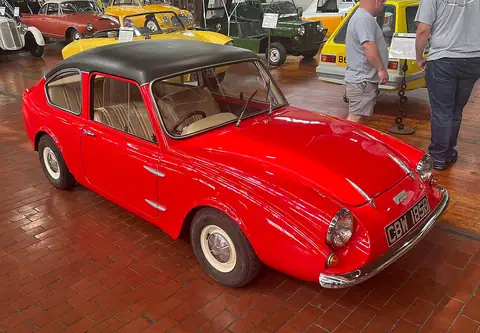
Peel
Viking Sport (1970)
Production not yet verified
-
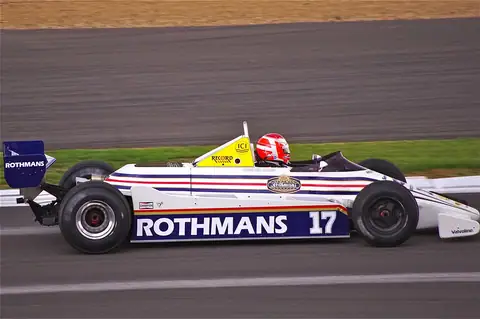
March · 1982
821 (1982)
5 Built
-
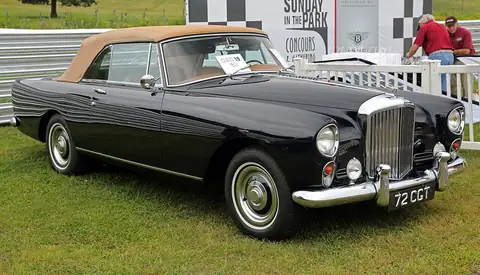
Bentley · 1959–1962
S2 Continental Drophead Coupé by Park Ward (design 991)
65 Built
-
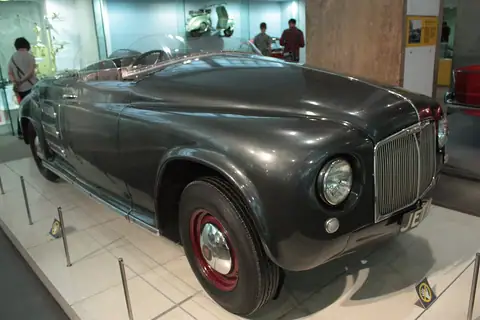
Rover · 1950
JET1
1 Built
134 other makes from United KingdomACAiredaleAlan Mann RacingAllardAlvisArabArashArielArmstrong SiddeleyArrowsAscariAston MartinAtalantaAtlantisAustinAustin-HealeyBedfordBentleyBerkeleyBluebirdBMCBondBrabhamBristolBritish LeylandBroadspeedBrookeBrough SuperiorCampbell-RailtonCaparoCaterhamChevronConnaughtCooperCrayfordDaimlerDavid BrownDawsonDeLoreanDuttonAll makes →