Makes › Lotus › Evija · Rare production · 2020 Extremely Rare
Lotus
Evija
Lotus's first all-electric hypercar.
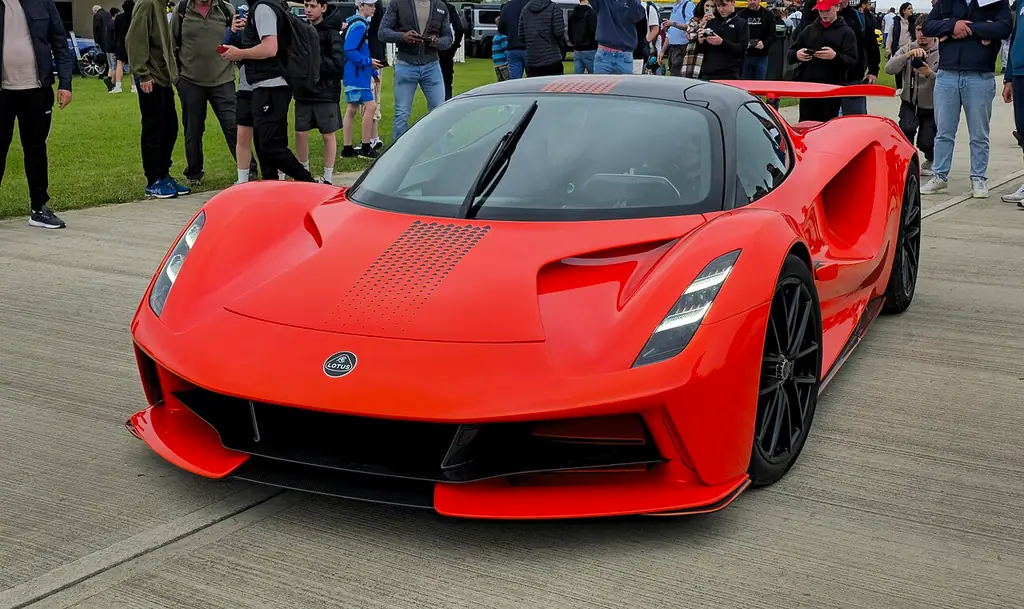
Photo: Calreyn88 · CC BY-SA 4.0
Contents
01Overview
At a glance
- Built
- 130 Built
- Years
- 2020
- Engine
- All-electric: four electric motors (one per wheel), battery mid-mounted behind the driver
- Power
- 1,490 kW / 2,030 PSFactory: 2,000 hp · converted
- Top speed
- 322 km/hFactory: 200 mph · converted
- Body
- Not yet verified
- Designer
- Russell Carr (Lotus design director)
- In this archive
- Not yet verified
- Surviving
- Not yet verified
Sources and any conflicting figures are in the sections below.
Why it matters
The Evija is the first all-new Lotus in more than a decade and Lotus's first electric hypercar. It pairs a carbon-fibre monocoque with four electric motors and a Williams-engineered battery, with a claimed output of about 2,000 horsepower, in a run limited to 130 cars. It marks a departure from Lotus's light-weight philosophy, at around 3,700 lb.
How rare is it?
Six separate kinds of rarity – never combined into one number.
Each kind of rarity is rated separately and never combined.
Photos
Exterior, interior and detail photos with their licences.
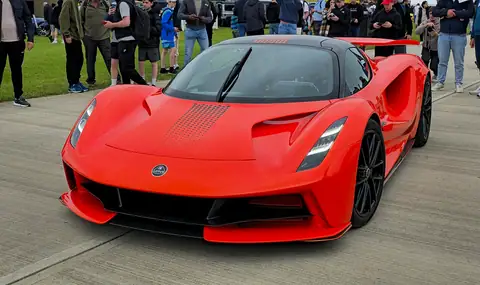 Lotus Evija (Wikimedia Commons: Lotus Evija)
Photo: Calreyn88 · CC BY-SA 4.0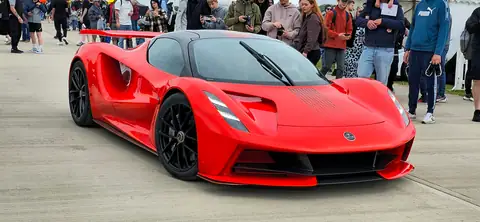 Lotus Evija (Wikimedia Commons: Lotus Evija)
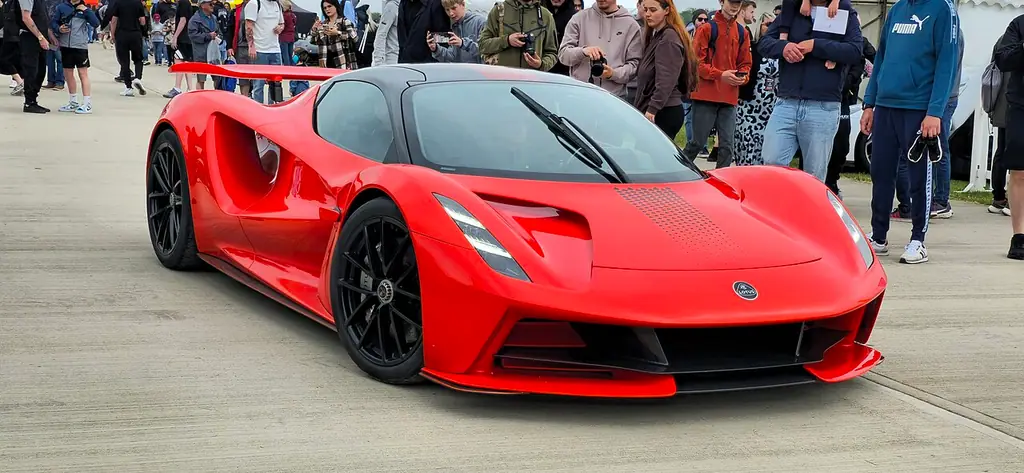
Photo: Calreyn88 · CC BY-SA 4.0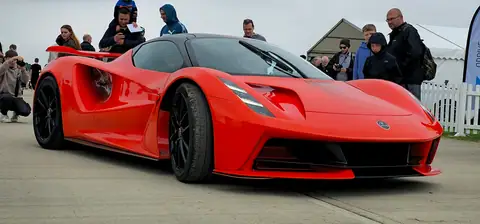 Lotus Evija (Wikimedia Commons: Lotus Evija)
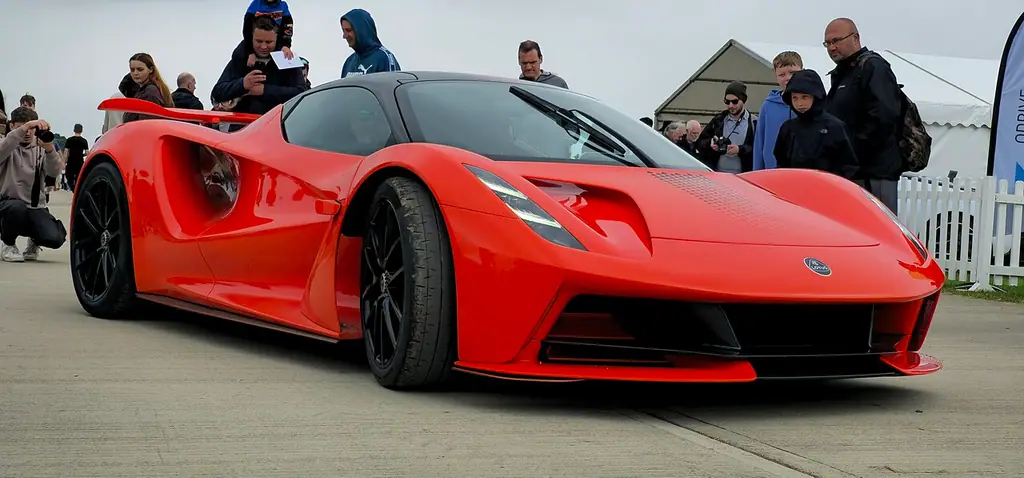
Photo: Calreyn88 · CC BY-SA 4.0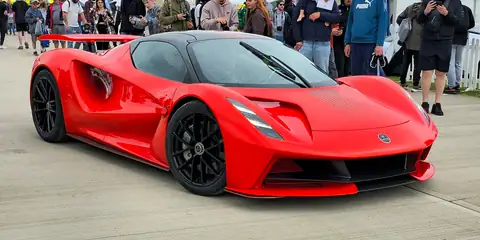 Lotus Evija (Wikimedia Commons: Lotus Evija)
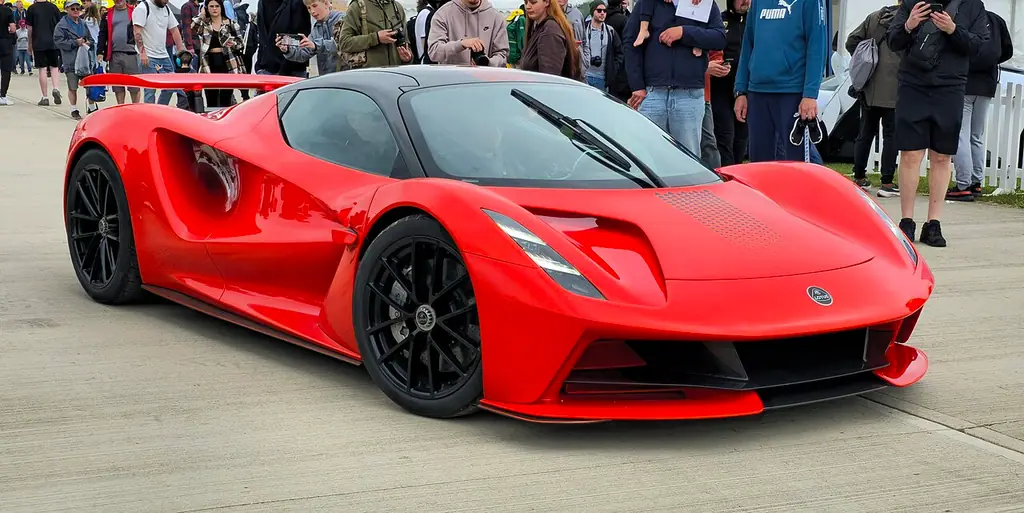
Photo: Calreyn88 · CC BY-SA 4.0


02Production & history
Production
Every figure says what it counts.
| What is counted | Figure | Basis | Status |
|---|---|---|---|
| Total model productionlimited (planned) | 1301 | Factory production | Independently researched |
Independent counts (e.g. engine and colour) are never combined into a calculated figure. Surviving examples are never presented as original production.
History
The car was developed as Project Omega, then Type 130, and was announced at the Shanghai show in 2019. Lotus gave it the name Evija ("the first in existence") in July 2019 and unveiled it in London on 16 July. The electric powertrain was developed jointly with Williams Advanced Engineering.
Production of the 130 customer cars was planned from 2020 on a new line at Hethel, at £1.7 million or about $2.3 million each, with a $315,000 build-slot deposit. A prototype ran at Goodwood in a livery based on Mario Andretti's Lotus 79.
Variants
How each version differs from the standard Evija.
No variants documented yet. Have a source? Contribute it.
03Specifications
Technical specifications
Engine
| Engine family | Not yet verified |
|---|---|
| Engine code | Not yet verified |
| Layout | All-electric: four electric motors (one per wheel), battery mid-mounted behind the driver2 Independently researched |
| Displacement | Not yet verified |
| Bore | Not yet verified |
| Stroke | Not yet verified |
| Compression ratio | Not yet verified |
| Fuel system | Not yet verified |
| Power | 1,490 kW / 2,030 PSFactory: 2,000 hp · converted3,4 Independently researchedClaimed target. Auto Express lists drive modes: Range/City 986 bhp, Tour 1,381 bhp, Sport 1,677 bhp, Track 1,972 bhp. |
| Power at | Not yet verified |
| Torque | 1,699 NmFactory: 1,253 lb-ft · converted2 Independently researchedAuto Express gives 1,700 Nm for Tour mode. |
Transmission & drivetrain
| Gearbox | Four single-speed epicyclic (planetary) gearboxes, one per motor2 Independently researched |
|---|---|
| Gears | 12 Independently researched |
| Driven wheels | All four2 Independently researched |
Chassis, body & dimensions
| Chassis | Carbon-fibre monocoque (supplied by CPC of Modena), about 284 lb2 Independently researched |
|---|---|
| Front suspension | Not yet verified |
| Rear suspension | Pushrod-operated5 Independently researched |
| Brakes | Carbon-ceramic discs with AP Racing calipers2 Independently researched |
| Steering | Not yet verified |
| Body construction | Carbon-fibre body panels4 Independently researched |
| Wheelbase | Not yet verified |
| Length | Not yet verified |
| Width | 1,980 mmFactory: 78 in · converted5 Independently researchedStated by the design director for the pre-production styling model ("about 78 inches"). |
| Height | Not yet verified |
| Front track | Not yet verified |
| Rear track | Not yet verified |
| Kerb weight | 1,680 kgFactory: 3,700 lb · converted2 Independently researchedPre-production target weight as stated by Road & Track. |
| Dry weight | Not yet verified |
Performance
| Maximum speed | 322 km/hFactory: 200 mph · converted2 Independently researched"200+ mile an hour" claim: more than 200 mph. |
|---|---|
| 0–100 km/h | Not yet verified |
| 0–60 mph | 3 s2 Independently researchedLotus claim "sub three" seconds. |
| Fuel tank | Not yet verified |
“Not yet verified” means no source has been checked for that value yet. Nothing is estimated to fill a gap.
04Colours & options
Factory colours & interiors
Original paint and trim, with the number of cars in each where a source gives it.
Not yet documented. Have a source? Contribute it.
Factory options & codes
Codes are shown exactly as written by the manufacturer.
Not yet documented. Have a source? Contribute it.
05Individual cars
Chassis register
Every documented car, with its colours, history and where it is now. Open a row for the full record. Known chassis are not automatically authenticated originals.
Not yet documented. Have a source? Contribute it.
Competition history
Every race result of the individual cars, in date order. Click a chassis number to open its full record in the register.
Not yet documented. Have a source? Contribute it.
Auction & sale history
Documented public sales of the individual cars. Click a chassis number to open its full record in the register.
Not yet documented. Have a source? Contribute it.
See one in person
Museums where an example of this car can be seen.
No example is documented on public display yet. Have a source? Contribute it.
06Reference
Identification guide
How to tell an original from a replica or later conversion.
The Evija has two air tunnels through the rear bodywork whose light elements wrap around the exits and are meant to look like afterburners, an active rear spoiler with a drag-reduction flap, an open front that passes air through the wheel arches, a carbon-fibre monocoque with carbon body panels, magnesium wheels (20 in front, 21 in rear) with carbon-ceramic brakes, and laser headlights. The battery sits behind the seats rather than under the floor.
Sources
Each number links to the exact facts it supports.
- 1
-
2
Lotus Evija electric hypercar photos, specs, info, price Level C Road & Track
- pair of e-motors on each axle; battery behind the driver
- 1253 foot pounds of torque
- four single-speed, helical gear ground planetary gearboxes
- single-speed gearboxes
- four-wheel drive EV
- carbon fibre monocoque chassis supplied by CPC of Modena weighs only 284 lbs
- carbon ceramics, AP Racing forged aluminum pistons
- four-wheel drive EV weighing 3700 lbs
- a 200+ mile an hour affair
- blasting to sixty in sub three
-
3
Watch the 2000-HP Lotus Evija on the move for the first time Level C Road & Track
- a claimed 2000 horsepower and all-wheel drive
-
4
Lotus Evija name confirmed for new electric hypercar Level C Auto Express
- Sport and Track mode 1,677bhp and 1,972bhp
- cloaked in carbon-fibre body panels
-
5
Lotus Type 130 electric hypercar confirmed (Evija) Level C Car and Driver
- pushrod-operated rear suspension
- will measure about 78 inches across
Keep exploring
More from Lotus
-
Lotus · 1966–1967
43
2 Built
-
Lotus · 1990–1991
Esprit X180R
3 Built
-
Lotus · 1967–1968
48
4 Built
-
Lotus
38
8 Built
More from United Kingdom
-
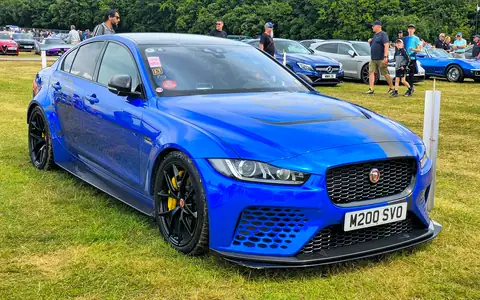
Jaguar
XE SV Project 8
300 Built
-
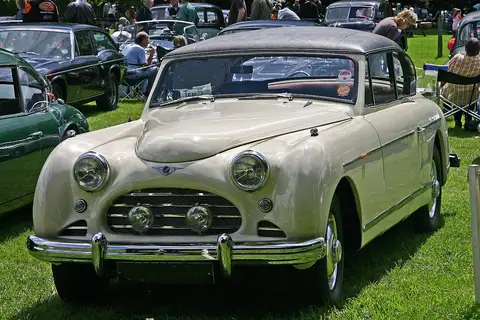
Jensen
Interceptor (1950)
Production not yet verified
-
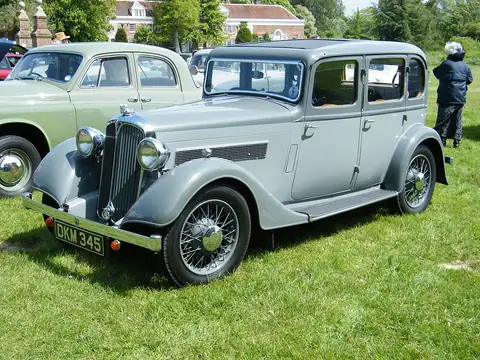
Rover
Light Six
Production not yet verified
-
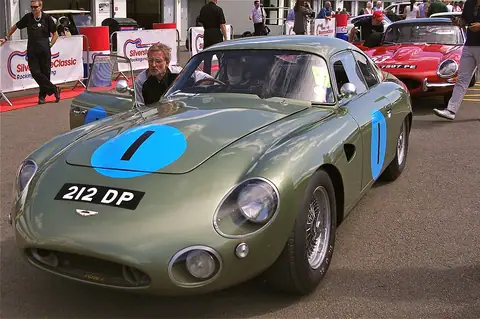
Aston Martin · 1962
DP212
1 Built
134 other makes from United KingdomACAiredaleAlan Mann RacingAllardAlvisArabArashArielArmstrong SiddeleyArrowsAscariAston MartinAtalantaAtlantisAustinAustin-HealeyBedfordBentleyBerkeleyBluebirdBMCBondBrabhamBristolBritish LeylandBroadspeedBrookeBrough SuperiorCampbell-RailtonCaparoCaterhamChevronConnaughtCooperCrayfordDaimlerDavid BrownDawsonDeLoreanDuttonAll makes →