Makes › Mercedes-Benz › C 111 experimental vehicles · Prototype
Mercedes-Benz
C 111 experimental vehicles
Running Wankel, diesel and V8 research cars used for engine development and Nardò speed records
Still being researched: full specifications. Everything shown is checked against the cited sources. Know more? Send us a source.
Contents
01Overview
At a glance
- Built
- Not yet verified
- Years
- Not yet verified
- Engine
- Three-rotor Wankel engine (C 111-I) · 1,800 cc / 1.8 LFactory: 1.8 L
- Power
- Not yet verified
- Top speed
- 300 km/hFactory: 300 km/h
- Body
- Not yet verified
- Designer
- Not yet verified
- In this archive
- Not yet verified
- Surviving
- Not yet verified
Sources and any conflicting figures are in the sections below.
Why it matters
The C 111 was an experimental sports car that Mercedes-Benz never put into series production. The first car, the C 111-I of 1969, was the first of four prototype models built to develop technology for future production vehicles, and it carried a Wankel rotary engine that Mercedes-Benz engineers designed in-house to judge whether such an engine could be built in large numbers.
How rare is it?
Six separate kinds of rarity – never combined into one number.
Each kind of rarity is rated separately and never combined.
02Production & history
Production
Every figure says what it counts.
No production figures recorded yet.
History
The C 111-I made its debut at the Frankfurt motor show, and many visitors offered to buy it from the stand. Mercedes-Benz refused and kept the prototype for testing and development. The car combined an aerodynamic fibreglass body with several experimental steering, suspension and transmission layouts, and during testing it was fitted with different engines, including a diesel and a petrol V8. The car shown at the Petersen Automotive Museum is described as the first fully finished C 111-I and still has its original Wankel engine.
A C 111-II of 1970 from the Mercedes-Benz collection, with a four-rotor Wankel engine and a quoted top speed of 300 km/h, was brought back to life by Mercedes-Benz Classic in 2024. It led the Pebble Beach Tour d'Elegance on 15 August 2024 and was shown out of competition in the "Wedge Shaped Concept Cars & Prototypes" class at the Pebble Beach Concours on 18 August.
Variants
How each version differs from the standard C 111 experimental vehicles.
No variants documented yet. Have a source? Contribute it.
03Specifications
Technical specifications
Engine
| Engine family | Not yet verified |
|---|---|
| Engine code | Not yet verified |
| Layout | Three-rotor Wankel engine (C 111-I)1 Independently researchedApplies to the C 111-I of 1969; the C 111-II used a four-rotor Wankel according to the Mercedes-Benz press release. |
| Displacement | 1,800 cc / 1.8 LFactory: 1.8 L1 Independently researchedApplies to the C 111-I of 1969, as stated by the museum. |
| Bore | Not yet verified |
| Stroke | Not yet verified |
| Compression ratio | Not yet verified |
| Fuel system | Not yet verified |
| Power | Not yet verified |
| Power at | Not yet verified |
| Torque | Not yet verified |
Transmission & drivetrain
| Gearbox | Not yet verified |
|---|---|
| Gears | Not yet verified |
| Driven wheels | Not yet verified |
Chassis, body & dimensions
| Chassis | Not yet verified |
|---|---|
| Front suspension | Not yet verified |
| Rear suspension | Not yet verified |
| Brakes | Not yet verified |
| Steering | Not yet verified |
| Body construction | Aerodynamic fibreglass bodywork (C 111-I)1 Independently researched |
| Wheelbase | Not yet verified |
| Length | Not yet verified |
| Width | Not yet verified |
| Height | Not yet verified |
| Front track | Not yet verified |
| Rear track | Not yet verified |
| Kerb weight | Not yet verified |
| Dry weight | Not yet verified |
Performance
| Maximum speed | 300 km/hFactory: 300 km/h2Described for the C 111-II of 1970; stated in a manufacturer press release, not a measured test result. |
|---|---|
| 0–100 km/h | Not yet verified |
| Fuel tank | Not yet verified |
“Not yet verified” means no source has been checked for that value yet. Nothing is estimated to fill a gap.
04Colours & options
Factory colours & interiors
Original paint and trim, with the number of cars in each where a source gives it.
Not yet documented. Have a source? Contribute it.
Factory options & codes
Codes are shown exactly as written by the manufacturer.
Not yet documented. Have a source? Contribute it.
05Individual cars
Chassis register
Every documented car, with its colours, history and where it is now. Open a row for the full record. Known chassis are not automatically authenticated originals.
Not yet documented. Have a source? Contribute it.
Competition history
Every race result of the individual cars, in date order. Click a chassis number to open its full record in the register.
Not yet documented. Have a source? Contribute it.
Auction & sale history
Documented public sales of the individual cars. Click a chassis number to open its full record in the register.
Not yet documented. Have a source? Contribute it.
See one in person
Museums where an example of this car can be seen.
No example is documented on public display yet. Have a source? Contribute it.
06Reference
Identification guide
How to tell an original from a replica or later conversion.
The cached pages describe the C 111 series by its roman-numeral generations rather than by chassis numbers. The C 111-I of 1969 has aerodynamic fibreglass bodywork and a 1.8-litre three-rotor Wankel engine, although it was tested with other engines. The C 111-II of 1970 is described by Mercedes-Benz as having a four-rotor ("Vierscheiben") Wankel engine. No chassis numbers are given in these sources.
Sources
Each number links to the exact facts it supports.
-
1
1969 Mercedes-Benz C 111-I Level B Petersen Automotive Museum
- Engine: 1.8-liter 3-rotor Wankel
- combined aerodynamic fiberglass bodywork with multiple experimental steering, suspension, and transmission designs
-
2
Sternstunden bei der Pebble Beach Automotive Week 2024: Mercedes-Benz C 111-II mit Wankelmotor Level A Mercedes-Benz Group AG (Mercedes-Benz Media) · 2024-08-20
- Der 300 km/h schnelle, futuristische Supersportwagen mit Vierscheiben-Wankelmotor
Keep exploring
More from Mercedes-Benz
-
Mercedes-Benz · 1980
230 G Popemobile (W 460)
1 Built
-
Mercedes-Benz · 1938
540 K Stromlinienwagen (Streamliner)
1 Built
-
Mercedes-Benz · 1932
770 (W 07) Cabriolet F of Kaiser Wilhelm II
1 Built
-
Mercedes-Benz · 1991
C 112
1 Built
See all 212 cars by Mercedes-Benz →
More from Germany
-
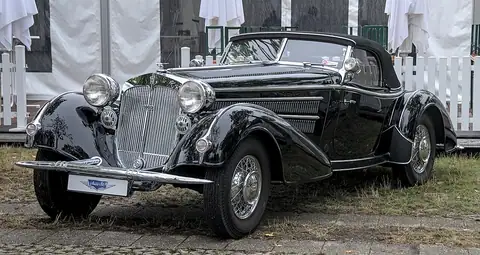
Horch · 1938–1939
855 Spezial-Roadster
Production not yet verified
-
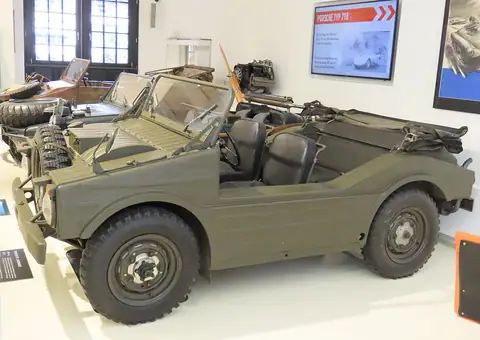
Porsche
597 Jagdwagen
Production not yet verified
-
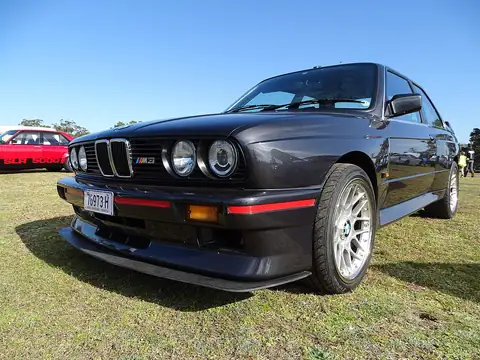
BMW · 1989–1990
M3 Sport Evolution (E30)
600 Built
-
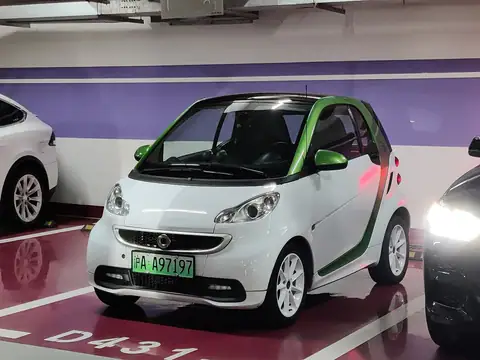
smart · 2010
fortwo electric drive (second generation, 2010 limited initial run)
1,500 Built
71 other makes from Germany9ffAC SchnitzerAdlerAgria-WerkeAlbertAlpinaAMOAmphicarApolloArtegaAudiAuto UnionAutomobili PininfarinaBayerische AutowerkeBitterBMWBohseBoldmenBorgwardBovensiepenBrennaborBrütschChampionDauerDKWFMR (Messerschmitt)FuldamobilGemballaGepardGlasGoggomobilGoliathGumpertGutbrodHanomagHeinkelHorchHyundaiIFAIrmscherAll makes →