Makes › Mitsubishi › PX33 prototype · Prototype · 1935–1937 Ultra Rare
Mitsubishi
PX33 prototype
Four-wheel-drive prototype commissioned by the Japanese Army Automobile School; four finished vehicles were built in July 1937 and it never entered production.
Still being researched: full specifications. Everything shown is checked against the cited sources. Know more? Send us a source.
Contents
01Overview
At a glance
- Built
- 4 Built
- Years
- 1935–1937
- Engine
- Not yet verified
- Power
- Not yet verified
- Top speed
- Not yet verified
- Body
- Not yet verified
- Designer
- Not yet verified
- In this archive
- Not yet verified
- Surviving
- 0 (factory reported)
Sources and any conflicting figures are in the sections below.
Why it matters
The PX33 was Mitsubishi's early four-wheel-drive passenger-vehicle project, built for open battle commanders, and is the ancestor the company cites for its later 4WD tradition. Only four finished vehicles were completed and none survives.
How rare is it?
Six separate kinds of rarity – never combined into one number.
Each kind of rarity is rated separately and never combined.
02Production & history
Production
Every figure says what it counts.
| What is counted | Figure | Basis | Status |
|---|---|---|---|
| Total model productionoriginal PX33 vehicles known to survive (Mitsubishi) | 02 | Surviving examples | Factory reported |
| Total model productionfully finished PX33 vehicles built in July 1937 | 41 | Factory production | Independently researched |
Independent counts (e.g. engine and colour) are never combined into a calculated figure. Surviving examples are never presented as original production.
History
The Japanese Army Automobile School commissioned the project in 1935. The first prototype, the PSF 33, was completed in 1935 with an S6-type engine, and a stage-two prototype with the X-type military engine followed in 1936. Four fully finished vehicles were built in July 1937, but the PX33 never went into mass production.
The original vehicles no longer exist. In 1988 the French company Sonauto built a replica on a Pajero base, which was entered in and finished the 1989 Paris–Dakar Rally.
Variants
How each version differs from the standard PX33 prototype.
No variants documented yet. Have a source? Contribute it.
03Specifications
Technical specifications
Engine
| Engine family | Not yet verified |
|---|---|
| Engine code | X-type military engine (stage-two prototype); S6-type in first prototype2 |
| Layout | Not yet verified |
| Displacement | Not yet verified |
| Bore | Not yet verified |
| Stroke | Not yet verified |
| Compression ratio | Not yet verified |
| Fuel system | Not yet verified |
| Power | Not yet verified |
| Power at | Not yet verified |
| Torque | Not yet verified |
Transmission & drivetrain
| Gearbox | Not yet verified |
|---|---|
| Gears | Not yet verified |
| Driven wheels | four-wheel drive2 |
Chassis, body & dimensions
| Chassis | Not yet verified |
|---|---|
| Front suspension | Not yet verified |
| Rear suspension | Not yet verified |
| Brakes | Not yet verified |
| Steering | Not yet verified |
| Body construction | Not yet verified |
| Wheelbase | Not yet verified |
| Length | Not yet verified |
| Width | Not yet verified |
| Height | Not yet verified |
| Front track | Not yet verified |
| Rear track | Not yet verified |
| Kerb weight | Not yet verified |
| Dry weight | Not yet verified |
Performance
| Maximum speed | Not yet verified |
|---|---|
| 0–100 km/h | Not yet verified |
| Fuel tank | Not yet verified |
“Not yet verified” means no source has been checked for that value yet. Nothing is estimated to fill a gap.
04Colours & options
Factory colours & interiors
Original paint and trim, with the number of cars in each where a source gives it.
Not yet documented. Have a source? Contribute it.
Factory options & codes
Codes are shown exactly as written by the manufacturer.
Not yet documented. Have a source? Contribute it.
05Individual cars
Chassis register
Every documented car, with its colours, history and where it is now. Open a row for the full record. Known chassis are not automatically authenticated originals.
Not yet documented. Have a source? Contribute it.
Competition history
Every race result of the individual cars, in date order. Click a chassis number to open its full record in the register.
Not yet documented. Have a source? Contribute it.
Auction & sale history
Documented public sales of the individual cars. Click a chassis number to open its full record in the register.
Not yet documented. Have a source? Contribute it.
See one in person
Museums where an example of this car can be seen.
No example is documented on public display yet. Have a source? Contribute it.
06Reference
Identification guide
How to tell an original from a replica or later conversion.
No original PX33 survives according to Mitsubishi. The car shown at events since 1988 is the Sonauto replica built on a Pajero base, not one of the four 1937 vehicles.
Sources
Each number links to the exact facts it supports.
-
1
Mitsubishi Motors – Car History Level A
- 4 fully finished PX33 vehicles built in July 1937
-
2
Car History Level A Mitsubishi Motors Corporation
- The original vehicle is no longer in existence
- stage-two prototype used the X-type military engine
- prototype four-wheel-drive vehicle
Keep exploring
More from Mitsubishi
-
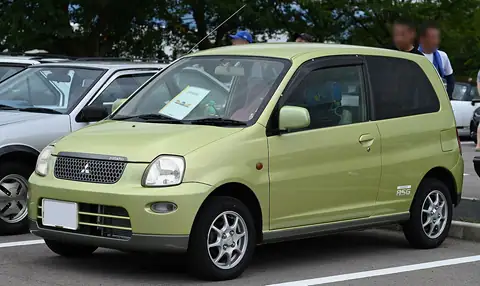
Mitsubishi
Pistachio (1999)
50 Built
-
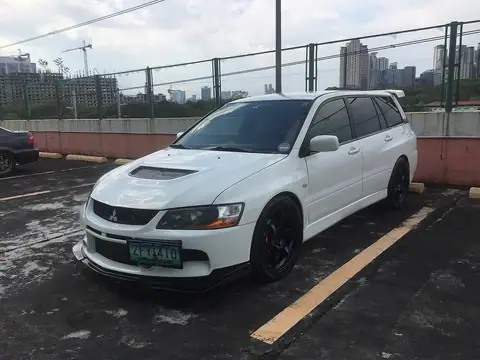
Mitsubishi · 2006–2007
Lancer Evolution Wagon MR (CT9W)
401 Built
-
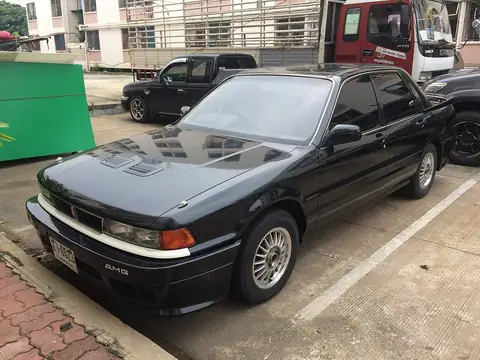
Mitsubishi
Galant AMG (E33A)
500 Built
-
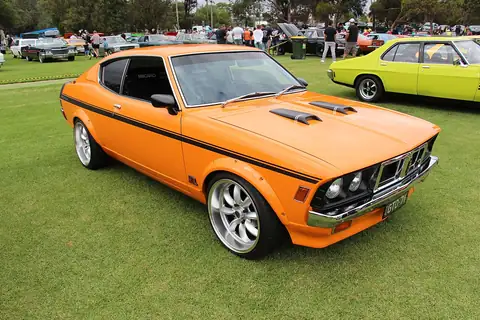
Mitsubishi · 1970–1972
Colt Galant GTO MR
835 Built
See all 52 cars by Mitsubishi →
More from Japan
-
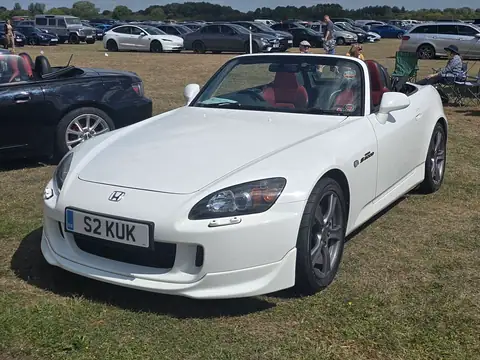
Honda
S2000 GT Edition 100
Production not yet verified
-
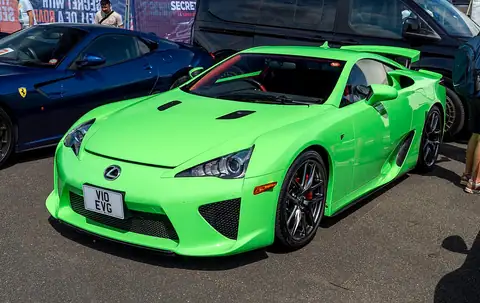
Lexus · 2010–2012
LFA
500 Built
-
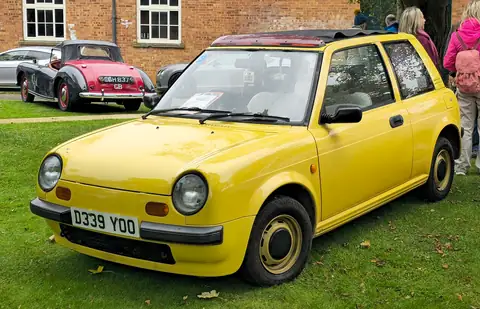
Nissan · 1987
Be-1 (BK10)
10,000 Built
-
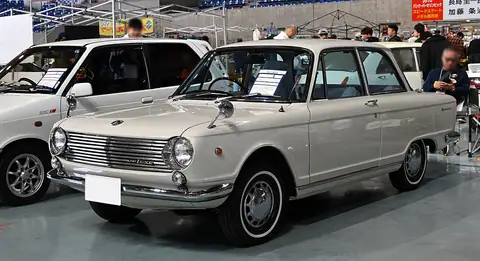
Suzuki
Fronte 800 (1965-1969)
Production not yet verified
31 other makes from JapanAriaAsparkAutechAutozamDaihatsuDatsunDomeHinoHondaInfinitiIsuzuJiottoKuroganeLexusMazdaMazdaspeedMitsuokaMossMugenNismoNissanOrcaPrinceScionSubaruSuzukiTommykairaToyotaTRDVemacYamaha