Makes › Panhard › CD › CD (Le Mans 1962) · Factory competition · 1962 Ultra Rare
Panhard
CD (Le Mans 1962)
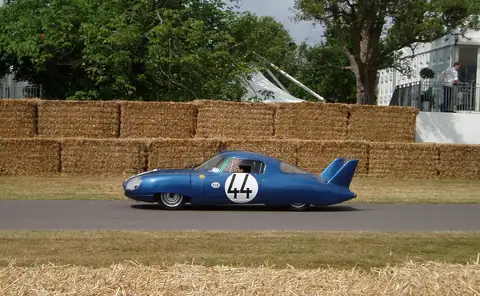
Charles Deutsch’s low-drag Le Mans coupés; Index of Performance win 1962.
Still being researched: full specifications. Everything shown is checked against the cited sources. Know more? Send us a source.
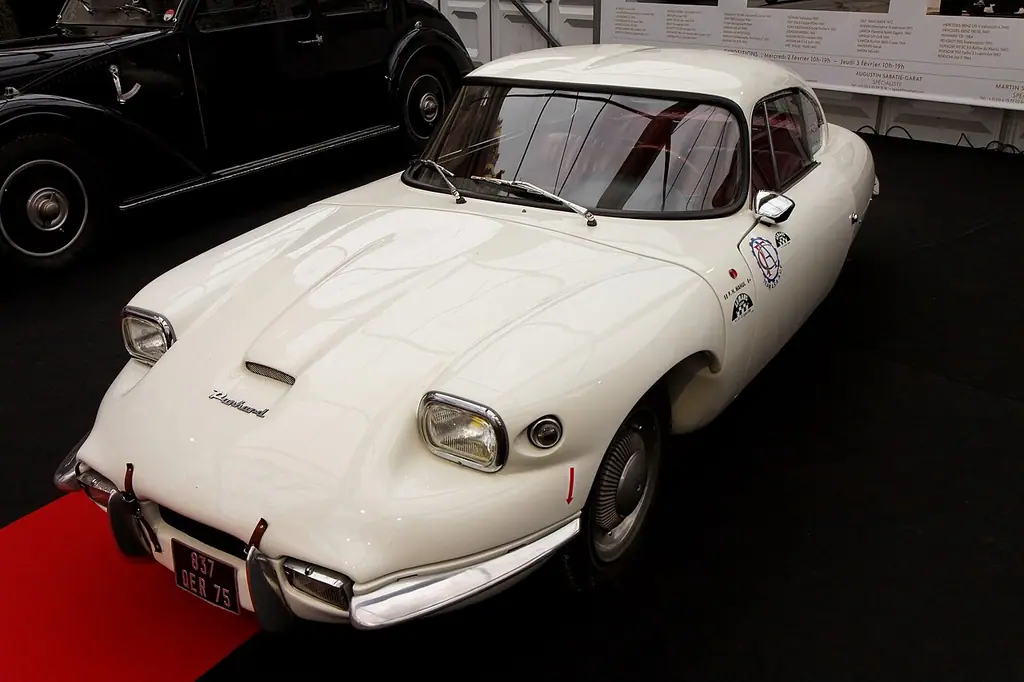
Photo: Thesupermat · CC BY-SA 3.0
Contents
01Overview
At a glance
- Built
- 4 Built
- Years
- 1962
- Engine
- Air-cooled flat-twin · 702 cc / 0.7 LFactory: 702 cc
- Power
- Not yet verified
- Top speed
- 207 km/hFactory: 207 km/h
- Body
- Not yet verified
- Designer
- Charles Deutsch with aerodynamicist Romani
- In this archive
- Not yet verified
- Surviving
- Not yet verified
Sources and any conflicting figures are in the sections below.
Why it matters
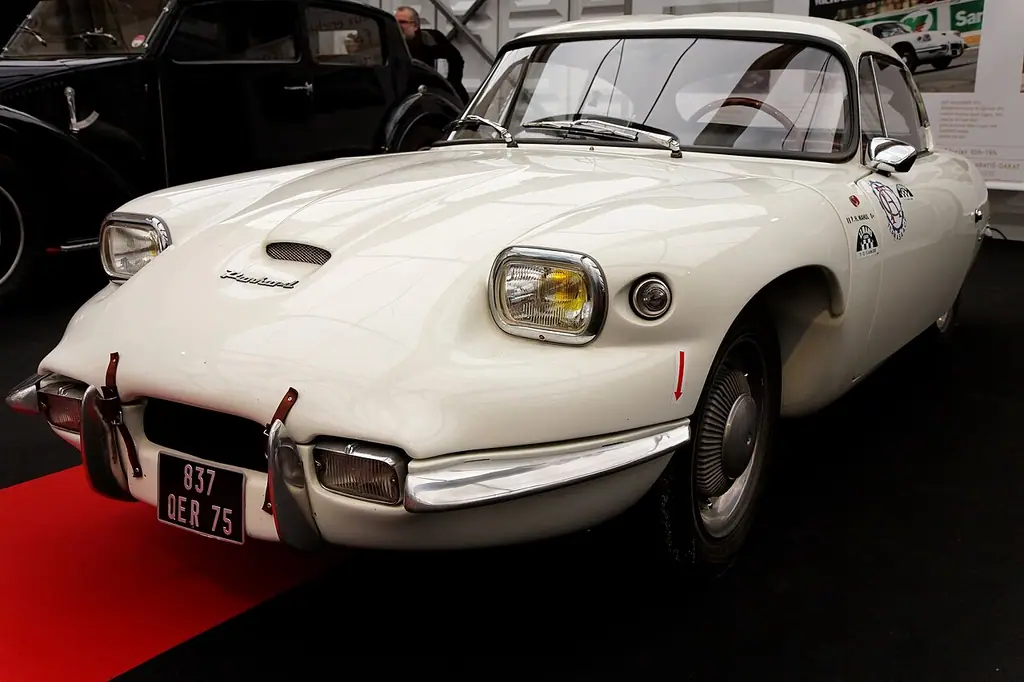
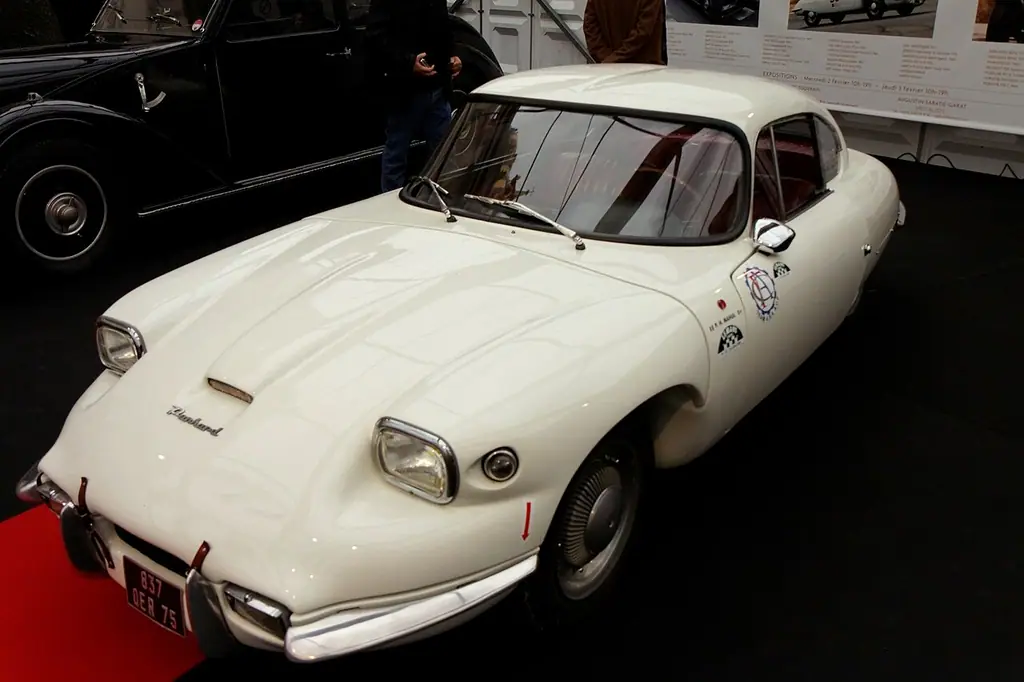
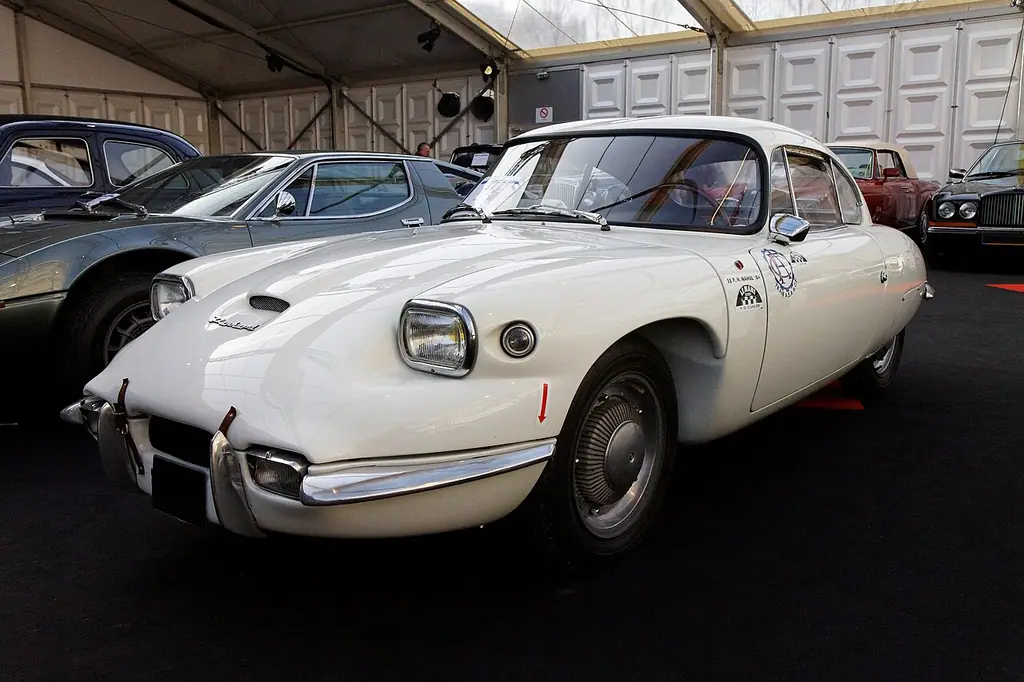
The Panhard CD coupés were Charles Deutsch's low-drag, small-engined prototypes built to win Le Mans efficiency prizes. In 1962 chassis 103 won the Index of Performance, and the cars' successes helped Panhard to the French Sports Car Championship.
How rare is it?
Six separate kinds of rarity – never combined into one number.
Each kind of rarity is rated separately and never combined.
Photos
Exterior, interior and detail photos with their licences.
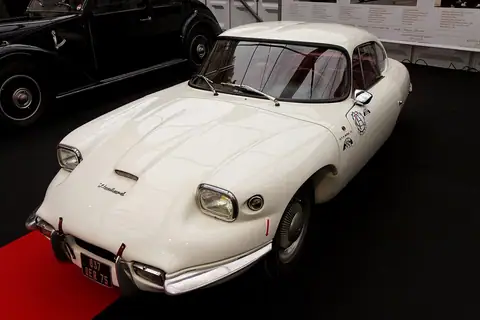 Panhard CD (Le Mans 1962) (Wikimedia Commons: Panhard CD)
Photo: Thesupermat · CC BY-SA 3.0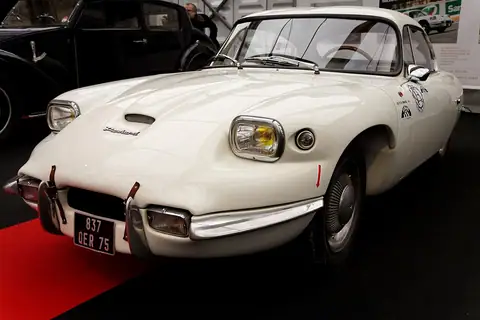 Panhard CD (Le Mans 1962) (Wikimedia Commons: Panhard CD)
Photo: Thesupermat · CC BY-SA 3.0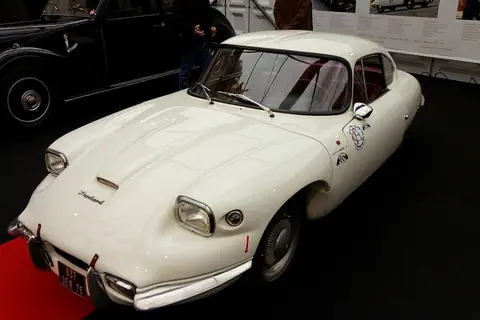 Panhard CD (Le Mans 1962) (Wikimedia Commons: Panhard CD)
Photo: Thesupermat · CC BY-SA 3.0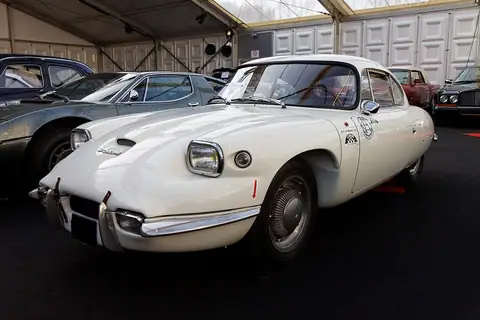 Panhard CD (Le Mans 1962) (Wikimedia Commons: Panhard CD)
Photo: Thesupermat · CC BY-SA 3.0


02Production & history
Production
Every figure says what it counts.
| What is counted | Figure | Basis | Status |
|---|---|---|---|
| Total model productionfibreglass-bodied cars built (chassis 102–105; five ordered, 101–105) | 41 | Factory production | Independently researched |
Independent counts (e.g. engine and colour) are never combined into a calculated figure. Surviving examples are never presented as original production.
History
Deutsch developed the project with aerodynamicist Romani, using Panhard's air-cooled flat twin engineered under Louis Delagarde. Five prototypes were made (101 to 105): 101 with steel bodywork, 102 to 105 with fibreglass and polyester bodies by Chappe & Gessalin. At Le Mans 1962 the Tigre engines were reduced to 702 cc; No. 53 won the Index of Performance while Nos. 54 and 55 retired. Later in 1962 a car reached 207 km/h on the Hunaudières straight during the Tour de France Automobile.
Variants
How each version differs from the standard CD (Le Mans 1962).
No variants documented yet. Have a source? Contribute it.
03Specifications
Technical specifications
Engine
| Engine family | Not yet verified |
|---|---|
| Engine code | Not yet verified |
| Layout | Air-cooled flat-twin2 Independently researched |
| Displacement | 702 cc / 0.7 LFactory: 702 cc2 Independently researched |
| Bore | Not yet verified |
| Stroke | Not yet verified |
| Compression ratio | Not yet verified |
| Fuel system | Not yet verified |
| Power | Not yet verified |
| Power at | Not yet verified |
| Torque | Not yet verified |
Transmission & drivetrain
| Gearbox | Not yet verified |
|---|---|
| Gears | Not yet verified |
| Driven wheels | Not yet verified |
Chassis, body & dimensions
| Chassis | Not yet verified |
|---|---|
| Front suspension | Not yet verified |
| Rear suspension | Not yet verified |
| Brakes | Not yet verified |
| Steering | Not yet verified |
| Body construction | Not yet verified |
| Wheelbase | Not yet verified |
| Length | Not yet verified |
| Width | Not yet verified |
| Height | Not yet verified |
| Front track | Not yet verified |
| Rear track | Not yet verified |
| Kerb weight | Not yet verified |
| Dry weight | Not yet verified |
Performance
| Maximum speed | 207 km/hFactory: 207 km/h2 Independently researched |
|---|---|
| 0–100 km/h | Not yet verified |
| Fuel tank | Not yet verified |
“Not yet verified” means no source has been checked for that value yet. Nothing is estimated to fill a gap.
04Colours & options
Factory colours & interiors
Original paint and trim, with the number of cars in each where a source gives it.
Not yet documented. Have a source? Contribute it.
Factory options & codes
Codes are shown exactly as written by the manufacturer.
Not yet documented. Have a source? Contribute it.
05Individual cars
Chassis register
Every documented car, with its colours, history and where it is now. Open a row for the full record. Known chassis are not automatically authenticated originals.
Not yet documented. Have a source? Contribute it.
Competition history
Every race result of the individual cars, in date order. Click a chassis number to open its full record in the register.
Not yet documented. Have a source? Contribute it.
Auction & sale history
Documented public sales of the individual cars. Click a chassis number to open its full record in the register.
Not yet documented. Have a source? Contribute it.
See one in person
Museums where an example of this car can be seen.
No example is documented on public display yet. Have a source? Contribute it.
06Reference
Identification guide
How to tell an original from a replica or later conversion.
Works cars are numbered 101 to 105; 101 had a steel body, 102 to 105 fibreglass/polyester bodies by Chappe & Gessalin. Chassis 105 in factory 1962 configuration has an 848 cc flat twin with two inverted double-barrel carburettors.
Sources
Each number links to the exact facts it supports.
-
1
1962 Panhard Type CD Coupé Le Mans | Artcurial Level B
- 4 fibreglass-bodied cars built (chassis 102–105; five ordered, 101–105)
-
2
1962 Panhard CD Le Mans, chassis 105 Level B Artcurial
- air-cooled, flat-opposed twin
- Tigre engines reduced to 702 cc for Le Mans (105 now 848 cc)
- 207 km/h on the Hunaudières straight
Keep exploring
More from Panhard
-
Panhard
CD LM64
2 Built
-
Panhard · 1948
Dynavia prototype
2 Built
-
Panhard · 1936–1940
Dynamic
2,581 Built
-
Panhard · 1952–1956
Dyna Junior
4,700 Built
More from France
-
Farman
A6B
Production not yet verified
-
Peugeot
Type 31
Production not yet verified
-
Alpine
A110 Berlinette (Dieppe, 1962-1977)
Production not yet verified
-
Citroën · 1984
Visa 1000 Pistes
200 Built
69 other makes from FranceACMAAixamAlcatelAlpineAmilcarArzensAvions VoisinBACBallotBerlietBolloreBuccialiBugattiCGCharron, Girardot et VoigtChenard-WalckerCitroënClément-PanhardDAMSDarracqDBDB (Deutsch-Bonnet)De DietrichDe Dion-BoutonDe Dion, Bouton et TrépardouxDe La ChapelleDelageDelahayeDelaunay-BellevilleDerbyDSExagonFacel VegaFarmanFord FranceGentyGordiniHommellHopiumHotchkissAll makes →