Makes › Peugeot › 905 · Factory competition · 1990–1993
Peugeot
905
Works Group C prototype, Le Mans winner 1992/93
Still being researched: identification guide. Everything shown is checked against the cited sources. Know more? Send us a source.
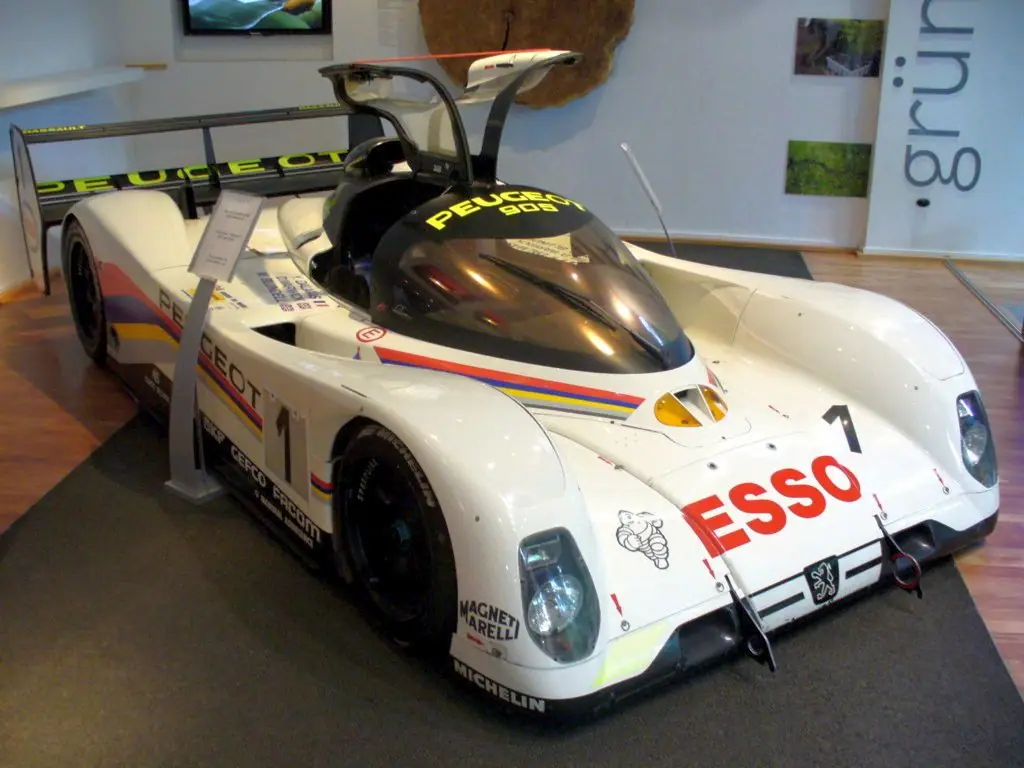
Photo: Thomas doerfer · CC BY-SA 3.0

Contents
01Overview
At a glance
- Built
- Not yet verified
- Years
- 1990–1993
- Engine
- V10, 80 degree V-angle, light alloy · 3,499 cc / 3.5 LFactory: 3,499 cc
- Power
- 500 kW / 679 PSFactory: 670 hp · converted
- Top speed
- Not yet verified
- Body
- Not yet verified
- Designer
- Andre de Cortanze (Peugeot Sport)
- In this archive
- Not yet verified
- Surviving
- Not yet verified
Sources and any conflicting figures are in the sections below.
Why it matters
The 905 was Peugeot's Group C sports-prototype for the 3.5-litre formula, built after the company left rallying and aimed at winning Le Mans. It used a newly developed V10 and a carbon-fibre monocoque from Dassault Aerospace, and its layout resembled a contemporary Formula 1 car.
How rare is it?
Six separate kinds of rarity – never combined into one number.
Each kind of rarity is rated separately and never combined.
02Production & history
Production
Every figure says what it counts.
No production figures recorded yet.
History
After Group B ended in 1986, Peugeot Sport under Jean Todt chose sports-car racing under the new 3.5-litre regulations, which banned turbo engines. The 905 was unveiled at Magny-Cours in mid-1990 and a single car ran the last rounds of that year's World Sports Car Championship, retiring from the debut race after 22 laps with a fuel-pump failure.
In 1991 the Jaguar XJR-14 was the quickest car and reliability was again poor. Peugeot took a win at Suzuka, but at Le Mans the longest-surviving car completed only 68 laps despite a front-row start.
Variants
How each version differs from the standard 905.
No variants documented yet. Have a source? Contribute it.
03Specifications
Technical specifications
Engine
| Engine family | Not yet verified |
|---|---|
| Engine code | SA35-A11 Independently researched |
| Layout | V10, 80 degree V-angle, light alloy1 Independently researched |
| Cylinders | 102 Independently researched |
| Displacement | 3,499 cc / 3.5 LFactory: 3,499 cc2 Independently researchedEvo 1 Bis specification. |
| Bore | 91 mmFactory: 91 mm2 Independently researched |
| Stroke | 53.8 mmFactory: 53.8 mm2 Independently researched |
| Compression ratio | Not yet verified |
| Valvetrain | Four valves per cylinder, twin cam1 Independently researched |
| Fuel system | Fuel injection, dry sump2 Independently researched |
| Induction | Naturally aspirated2 Independently researched |
| Power | 500 kW / 679 PSFactory: 670 hp · converted2 Independently researchedEvo 1 Bis per Ultimatecarpage; Road & Track says over 640 hp at 12,500 rpm for the 1993 Evo; Jalopnik quotes about 715 hp via another source. |
| Power at | 12,500 rpm2 Independently researched |
| Torque | Not yet verified |
Transmission & drivetrain
| Gearbox | 6-speed manual, triple-plate carbon clutch2 Independently researched |
|---|---|
| Gears | 61 Independently researched |
| Driven wheels | Rear2 Independently researched |
Chassis, body & dimensions
| Chassis | Carbon-fibre monocoque engineered by Dassault Aerospace, engine semi-stressed1 Independently researched |
|---|---|
| Front suspension | Double wishbones, push-rod actuated coil springs and dampers, anti-roll bar2 Independently researched |
| Rear suspension | Double wishbones, rocker-actuated coil springs over dampers, anti-roll bar2 Independently researched |
| Brakes | Carbon ceramic discs, all round2 Independently researched |
| Steering | Rack and pinion, power assisted2 Independently researched |
| Body construction | Not yet verified |
| Materials | Carbon-fibre composite body, carbon-fibre monocoque (Dassault-engineered)2,1 Independently researched |
| Wheelbase | 2,800 mmFactory: 2,800 mm2 Independently researched |
| Length | 4,800 mmFactory: 4,800 mm2 Independently researched |
| Width | 1,960 mmFactory: 1,960 mm2 Independently researched |
| Height | 1,040 mmFactory: 1,040 mm2 Independently researched |
| Front track | 1,630 mmFactory: 1,630 mm2 Independently researched |
| Rear track | 1,550 mmFactory: 1,550 mm2 Independently researched |
| Kerb weight | 750 kgFactory: 750 kg2 Independently researchedListed as "Weight". |
| Dry weight | Not yet verified |
Performance
| Maximum speed | Not yet verified |
|---|---|
| 0–100 km/h | Not yet verified |
| Fuel tank | 100 LFactory: 100 L2 Independently researched |
“Not yet verified” means no source has been checked for that value yet. Nothing is estimated to fill a gap.
04Colours & options
Factory colours & interiors
Original paint and trim, with the number of cars in each where a source gives it.
Not yet documented. Have a source? Contribute it.
Factory options & codes
Codes are shown exactly as written by the manufacturer.
Not yet documented. Have a source? Contribute it.
05Individual cars
Chassis register
Every documented car, with its colours, history and where it is now. Open a row for the full record. Known chassis are not automatically authenticated originals.
Not yet documented. Have a source? Contribute it.
Competition history
Every race result of the individual cars, in date order. Click a chassis number to open its full record in the register.
Not yet documented. Have a source? Contribute it.
Auction & sale history
Documented public sales of the individual cars. Click a chassis number to open its full record in the register.
Not yet documented. Have a source? Contribute it.
See one in person
Museums where an example of this car can be seen.
No example is documented on public display yet. Have a source? Contribute it.
06Reference
Identification guide
How to tell an original from a replica or later conversion.
Not yet documented. Have a source? Contribute it.
Sources
Each number links to the exact facts it supports.
-
1
1992 Peugeot 905 Evo 1 Bis (article) Level C Ultimatecarpage.com
- The rest of the 'SA35-A1' followed a familiar pattern
- V10 engine with a rather unconventional 80 degree V-angle
- four valves per cylinder, twin cam layout
- Mated to a six speed gearbox
- bolted as a semi-stressed to a Dassault Aerospace engineered carbon-fibre monocoque
- Dassault Aerospace engineered carbon-fibre monocoque
-
2
Peugeot 905 Evo 1 Bis (specifications) Level C Ultimatecarpage.com
- SA35-A2 80 deg V10
- Displacement 3,499 cc
- Bore / Stroke 91.0 mm / 53.8 mm
- Fuel feed Fuel Injection ... Lubrication Dry sump
- Aspiration Naturally Aspirated
- Power 670 bhp / 500 kW @ 12,500 rpm
- 670 bhp @ 12,500 rpm
- Gearbox 6 speed Manual ... Clutch Triple-plate carbon
- Drive Rear wheel drive
- Front suspension double wishbones, push-rod actuated coil springs
- Rear suspension double wishbones, rocker-actuated coil springs
- Brakes carbon ceramic discs, all-round
- Steering rack-and-pinion, power assisted
- Body carbon-fibre composite
- Wheelbase 2,800 mm
- Length 4,800 mm
- Width 1,960 mm
- Height 1,040 mm
- Track 1,630 mm / 1,550 mm
- Weight 750 kilo
- Fuel tank 100 Litre
Keep exploring
More from Peugeot
-
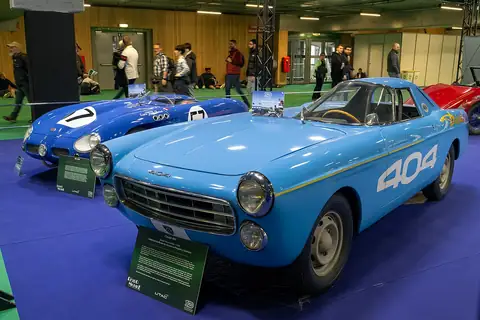
Peugeot · 1965
404 Diesel Record
1 Built
-
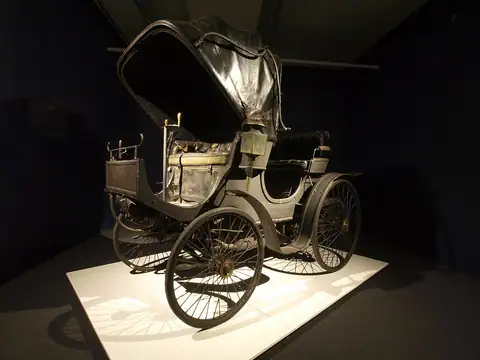
Peugeot · 1894
Type 6 phaeton (unrestored 1894 car)
1 Built
-
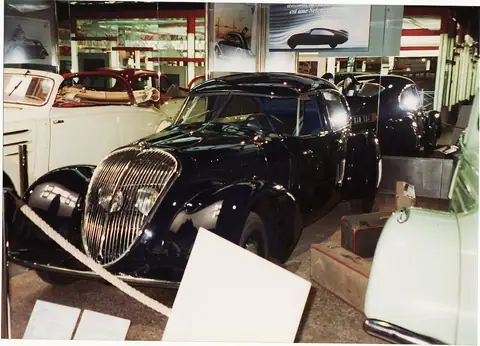
Peugeot · 1936
402 Andreau (prototype)
5 Built
-
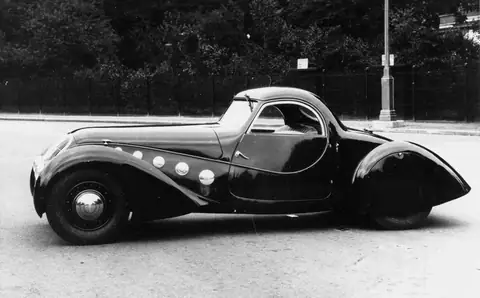
Peugeot · 1937–1938
402 Darl’mat Spécial Sport (Pourtout)
105 Built
More from France
-
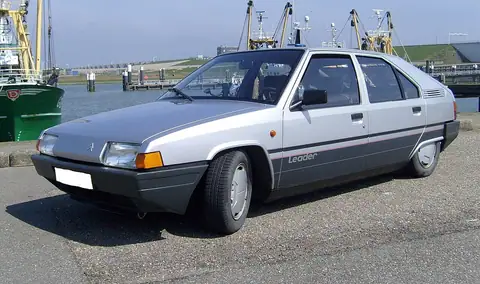
Citroën
BX Leader (limited series, 1985)
Production not yet verified
-
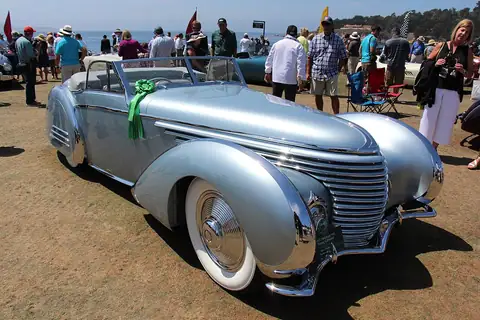
Delahaye · 1937
145 Cabriolet by Franay
1 Built
-
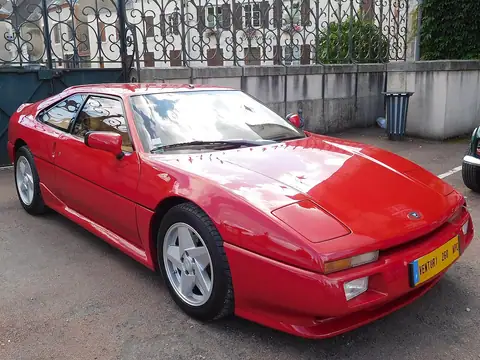
Venturi
Coupe 260 APC (1990-1996)
Production not yet verified
-
Bugatti · 1931
Type 51 Coupé by Dubos
1 Built
70 other makes from FranceACMAAixamAlcatelAlpineAmilcarArzensAvions VoisinBACBallotBerlietBolloreBuccialiBugattiCGCharron, Girardot et VoigtChenard-WalckerCitroënClément-PanhardDAMSDarracqDBDB (Deutsch-Bonnet)De DietrichDe Dion-BoutonDe Dion, Bouton et TrépardouxDe La ChapelleDelageDelahayeDelaunay-BellevilleDerbyDSExagonFacel VegaFarmanFord FranceGentyGordiniHommellHopiumHotchkissAll makes →