Makes › Peugeot › VLV · Rare production · 1941–1943 Very Rare
Peugeot
VLV
Wartime two-seat electric city car (Voiture Légère de Ville).
Still being researched: full specifications. Everything shown is checked against the cited sources. Know more? Send us a source.
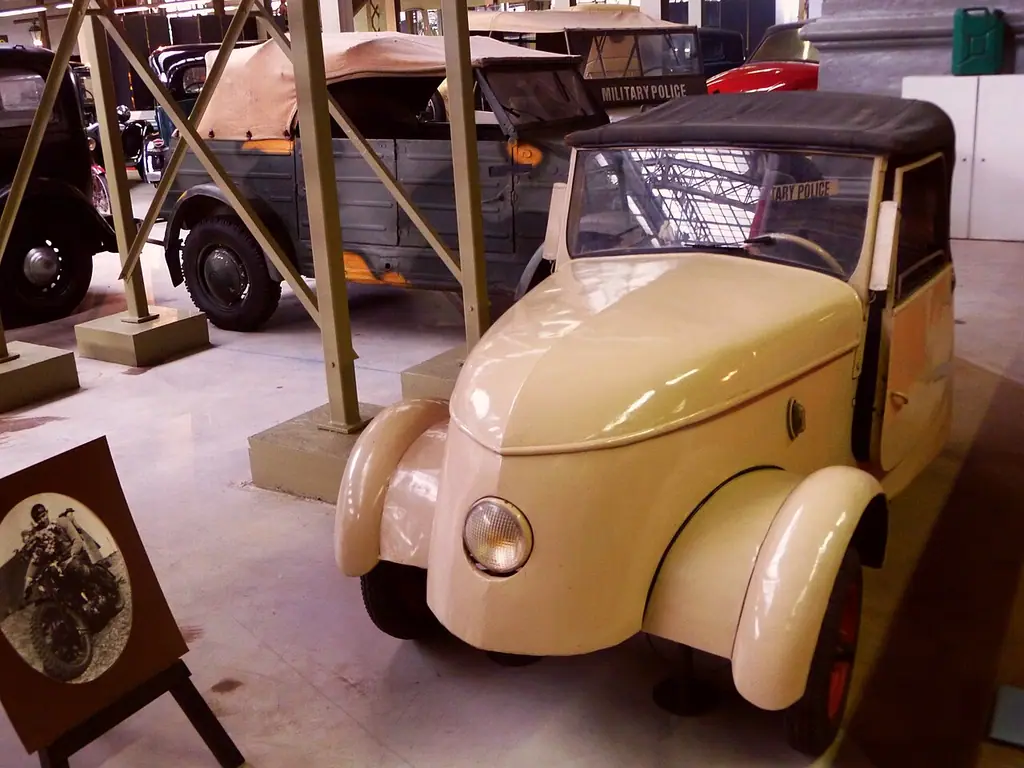
Photo: stephanemat · CC BY-SA 3.0
Contents
01Overview
At a glance
- Built
- 377 Built
- Years
- 1941–1943
- Engine
- Electric motor driving the two rear wheels, four 12 V batteries at the front
- Power
- 0.969 kW / 1.32 PSFactory: 1.3 hp · converted
- Top speed
- 35 km/hFactory: 35 km/h
- Body
- Not yet verified
- Designer
- Not yet verified
- In this archive
- Not yet verified
- Surviving
- Not yet verified
Sources and any conflicting figures are in the sections below.
Why it matters
The VLV was a wartime electric city car, Peugeot's answer to petrol rationing under the German occupation. It is an early production battery car with a very narrow rear axle, aimed at postmen, doctors and city dwellers.
How rare is it?
Six separate kinds of rarity – never combined into one number.
Each kind of rarity is rated separately and never combined.
Photos
Exterior, interior and detail photos with their licences.
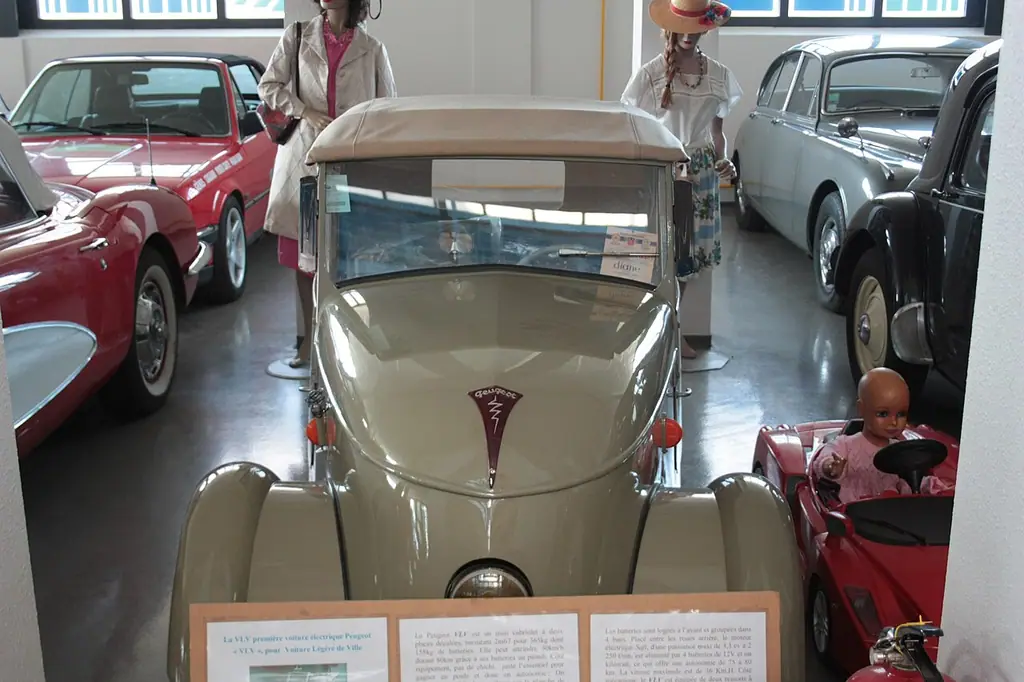
 Peugeot VLV (Wikimedia Commons: Peugeot VLV)
Photo: stephanemat · CC BY-SA 3.0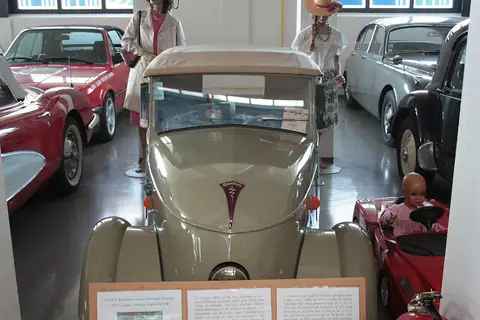 Peugeot VLV (Wikimedia Commons: Peugeot VLV)
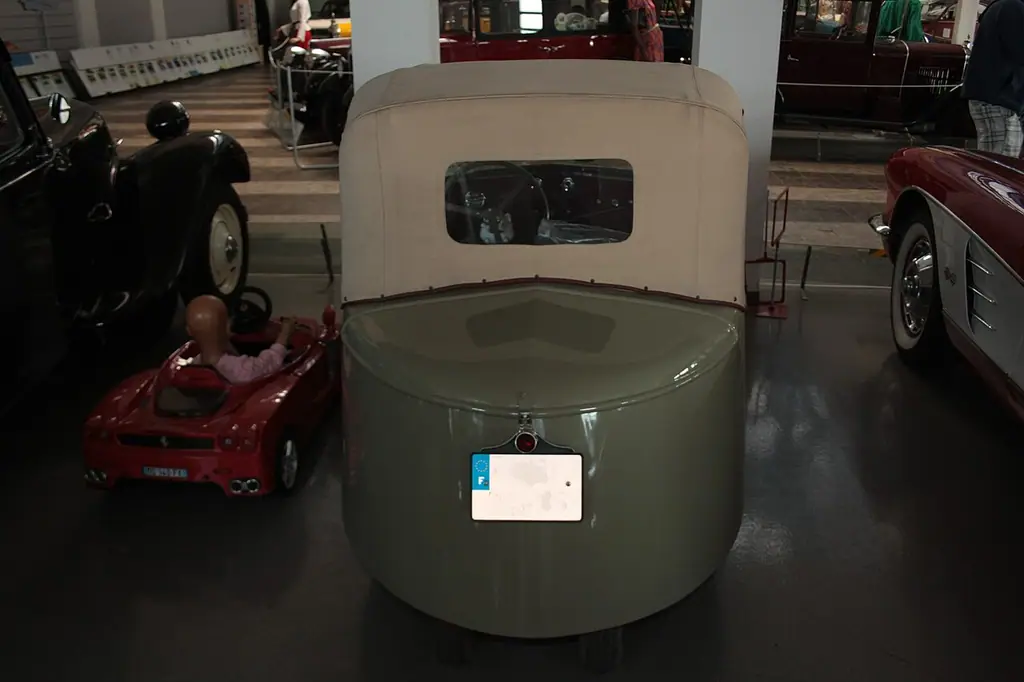
Photo: MakotoVRC · CC BY-SA 4.0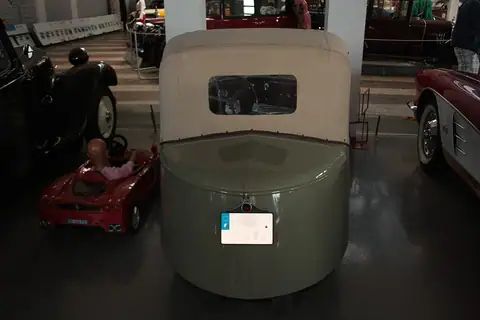 Peugeot VLV (Wikimedia Commons: Peugeot VLV)
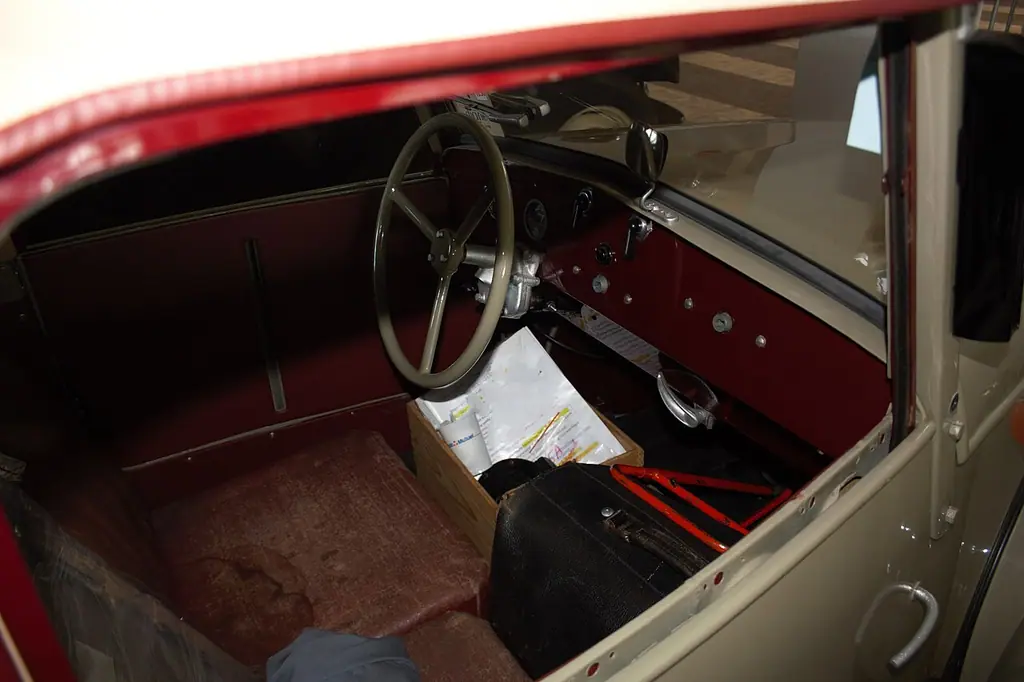
Photo: MakotoVRC · CC BY-SA 4.0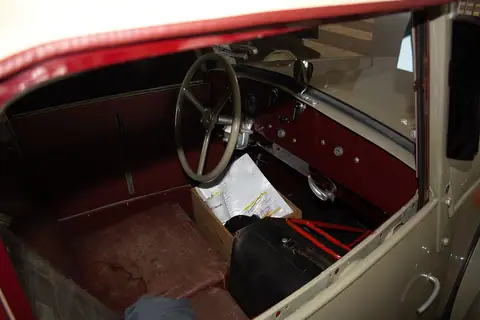 Peugeot VLV (Wikimedia Commons: Peugeot VLV)
Photo: MakotoVRC · CC BY-SA 4.0


02Production & history
Production
Every figure says what it counts.
| What is counted | Figure | Basis | Status |
|---|---|---|---|
| Total model productionunits produced | 3771 | Factory production | Independently researched |
Independent counts (e.g. engine and colour) are never combined into a calculated figure. Surviving examples are never presented as original production.
History
Peugeot presented the Voiture Legere de Ville (light city vehicle) in 1941. A 1.3 hp electric motor under the rear drove the two rear wheels, and four 12-volt batteries sat in front of the passenger compartment, giving a range of up to 80 km and a top speed of about 35 km/h. The batteries could be recharged at a normal socket. Production at the La Garenne factory reached 377 cars by 1943, when it was stopped.
Variants
How each version differs from the standard VLV.
No variants documented yet. Have a source? Contribute it.
03Specifications
Technical specifications
Engine
| Engine family | Not yet verified |
|---|---|
| Engine code | Not yet verified |
| Layout | Electric motor driving the two rear wheels, four 12 V batteries at the front2 Independently researched |
| Displacement | Not yet verified |
| Bore | Not yet verified |
| Stroke | Not yet verified |
| Compression ratio | Not yet verified |
| Fuel system | Not yet verified |
| Power | 0.969 kW / 1.32 PSFactory: 1.3 hp · converted2 Independently researched |
| Power at | Not yet verified |
| Torque | Not yet verified |
Transmission & drivetrain
| Gearbox | Not yet verified |
|---|---|
| Gears | Not yet verified |
| Driven wheels | Rear2 Independently researched |
Chassis, body & dimensions
| Chassis | Not yet verified |
|---|---|
| Front suspension | Not yet verified |
| Rear suspension | Not yet verified |
| Brakes | Not yet verified |
| Steering | Not yet verified |
| Body construction | Not yet verified |
| Wheelbase | Not yet verified |
| Length | Not yet verified |
| Width | Not yet verified |
| Height | Not yet verified |
| Front track | Not yet verified |
| Rear track | Not yet verified |
| Kerb weight | Not yet verified |
| Dry weight | Not yet verified |
Performance
| Maximum speed | 35 km/hFactory: 35 km/h2 Independently researchedAuto Express says 20 mph and 50 miles range. |
|---|---|
| 0–100 km/h | Not yet verified |
| Fuel tank | Not yet verified |
“Not yet verified” means no source has been checked for that value yet. Nothing is estimated to fill a gap.
04Colours & options
Factory colours & interiors
Original paint and trim, with the number of cars in each where a source gives it.
Not yet documented. Have a source? Contribute it.
Factory options & codes
Codes are shown exactly as written by the manufacturer.
Not yet documented. Have a source? Contribute it.
05Individual cars
Chassis register
Every documented car, with its colours, history and where it is now. Open a row for the full record. Known chassis are not automatically authenticated originals.
Not yet documented. Have a source? Contribute it.
Competition history
Every race result of the individual cars, in date order. Click a chassis number to open its full record in the register.
Not yet documented. Have a source? Contribute it.
Auction & sale history
Documented public sales of the individual cars. Click a chassis number to open its full record in the register.
Not yet documented. Have a source? Contribute it.
See one in person
Museums where an example of this car can be seen.
No example is documented on public display yet. Have a source? Contribute it.
06Reference
Identification guide
How to tell an original from a replica or later conversion.
A genuine VLV is a two-seat open car with a fabric soft top that folds back, a very narrow rear track, the electric motor mounted under the rear instead of a trunk, and four batteries in front of the cabin.
Sources
Each number links to the exact facts it supports.
-
1
L'argus – Peugeot : les modèles les moins produits de l'histoire Level B
- 377 units produced
-
2
Peugeot VLV Level C Matthias Kierse · Secret Classics · 2020-07-21
- 1.3 hp electric motor that drove the two rear wheels
- the 1.3 hp electric motor
- electric motor that drove the two rear wheels
- a topspeed of 35 kph
Keep exploring
More from Peugeot
-
Peugeot · 1965
404 Diesel Record
1 Built
-
Peugeot · 1894
Type 6 phaeton (unrestored 1894 car)
1 Built
-
Peugeot · 1936
402 Andreau (prototype)
5 Built
-
Peugeot · 1937–1938
402 Darl’mat Spécial Sport (Pourtout)
105 Built
More from France
-
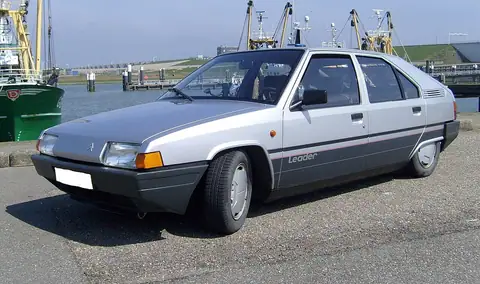
Citroën
BX Leader (limited series, 1985)
Production not yet verified
-
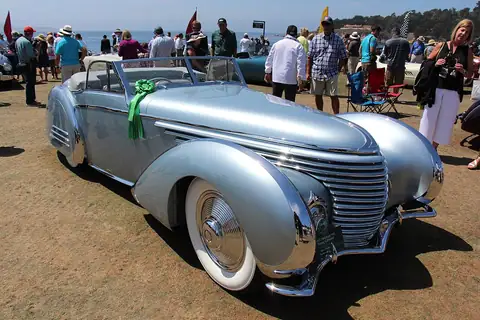
Delahaye · 1937
145 Cabriolet by Franay
1 Built
-
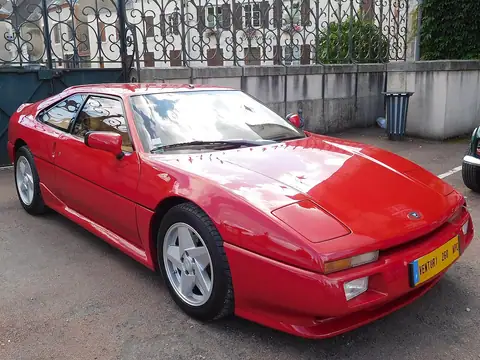
Venturi
Coupe 260 APC (1990-1996)
Production not yet verified
-
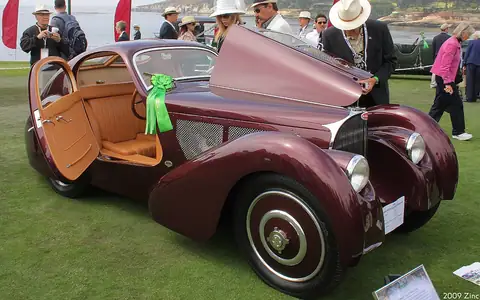
Bugatti · 1931
Type 51 Coupé by Dubos
1 Built
70 other makes from FranceACMAAixamAlcatelAlpineAmilcarArzensAvions VoisinBACBallotBerlietBolloreBuccialiBugattiCGCharron, Girardot et VoigtChenard-WalckerCitroënClément-PanhardDAMSDarracqDBDB (Deutsch-Bonnet)De DietrichDe Dion-BoutonDe Dion, Bouton et TrépardouxDe La ChapelleDelageDelahayeDelaunay-BellevilleDerbyDSExagonFacel VegaFarmanFord FranceGentyGordiniHommellHopiumHotchkissAll makes →