Makes › Porsche › 356 › 356 "No. 1" Roadster (Sport 356/1) · Historically significant · 1948
Porsche
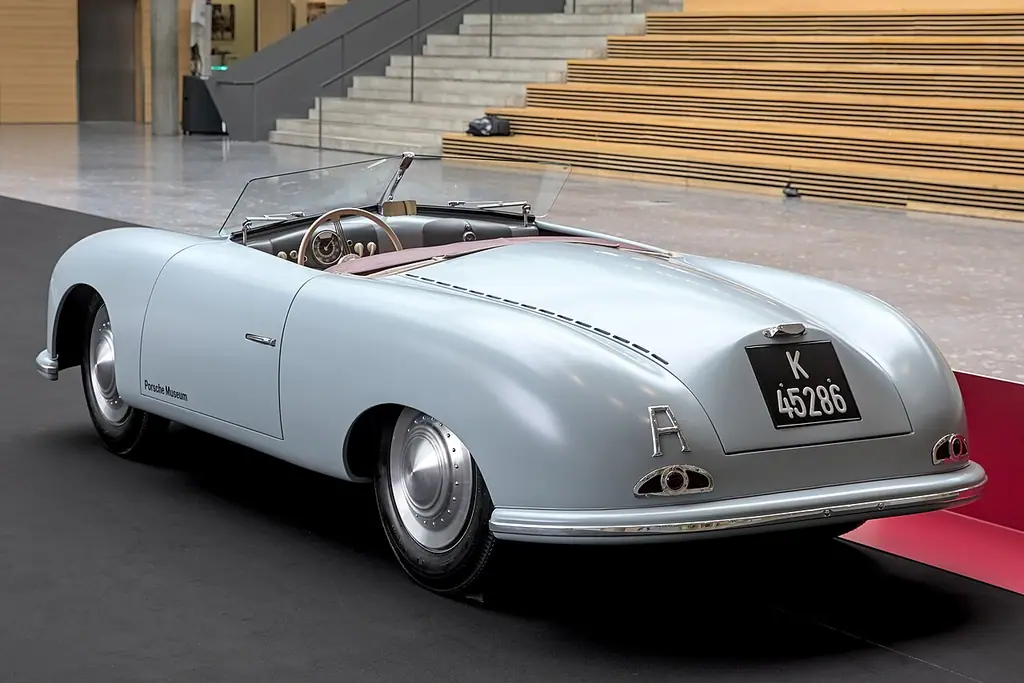
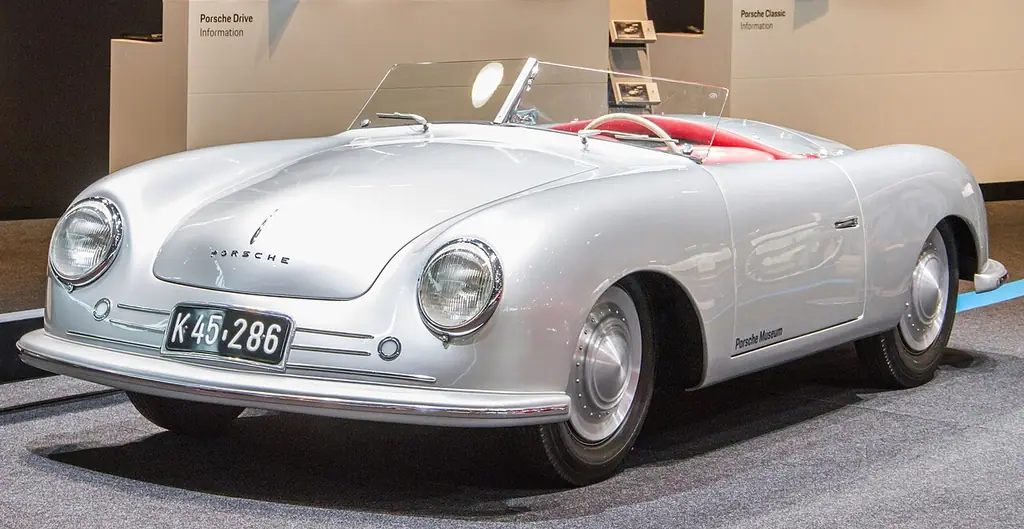
356 "No. 1" Roadster (Sport 356/1)
The first car to carry the Porsche name; mid-engined roadster with general operating permit of 8 June 1948, a one-off.
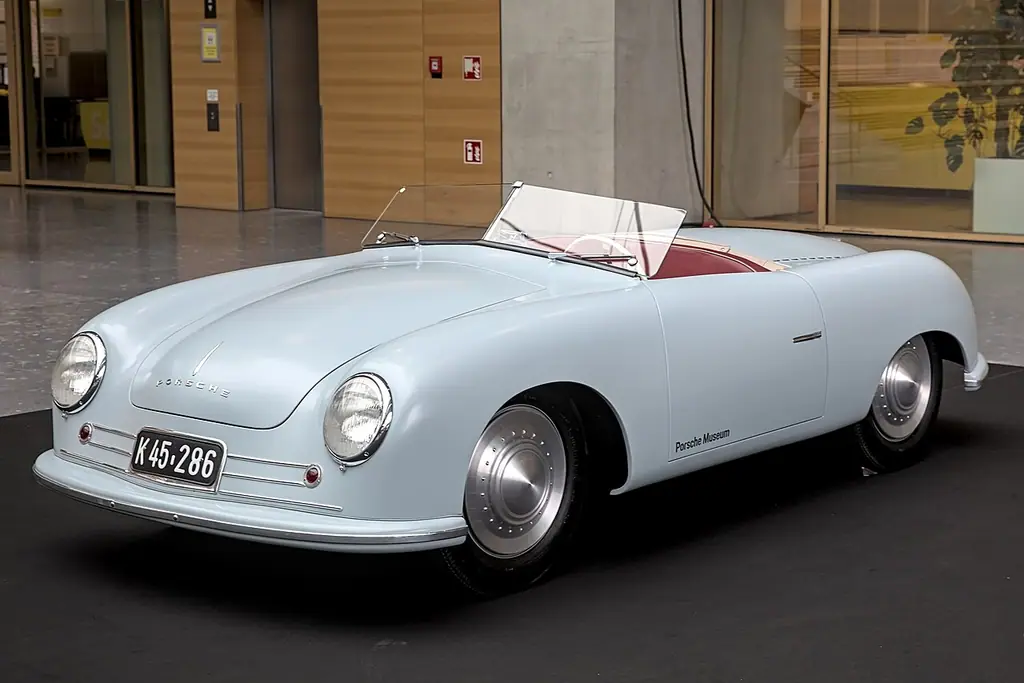
Photo: Alexander Migl · CC BY-SA 4.0
Contents
01Overview
At a glance
- Built
- 1 Built
- Years
- 1948
- Engine
- Mid-mounted four-cylinder (VW-derived) · 1,131 cc / 1.1 LFactory: 1,131 cc
- Power
- 25.7 kW / 35 PSFactory: 35 PS
- Top speed
- 135 km/hFactory: 135 km/h
- Body
- Not yet verified
- Designer
- Ferry Porsche (overall design)
- In this archive
- Not yet verified
- Surviving
- 1 (independently researched)
Sources and any conflicting figures are in the sections below.
Why it matters
The No. 1 Roadster is the first car to carry the Porsche name and the only mid-engined 356. It received its general operating permit on 8 June 1948, the date Porsche counts as the birth of its sports cars, and it remained a one-off.
How rare is it?
Six separate kinds of rarity – never combined into one number.
Each kind of rarity is rated separately and never combined.
Photos
Exterior, interior and detail photos with their licences.
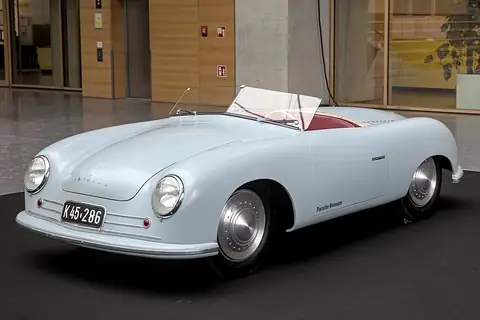 Porsche 356 "No. 1" Roadster (Sport 356/1) (Wikimedia Commons: Porsche 356 No. 1 Roadster)
Photo: Alexander Migl · CC BY-SA 4.0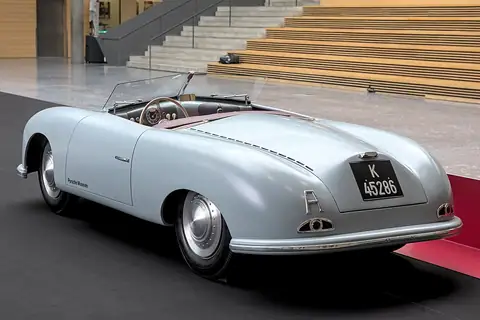 Porsche 356 "No. 1" Roadster (Sport 356/1) (Wikimedia Commons: Porsche 356 No. 1 Roadster)
Photo: Alexander Migl · CC BY-SA 4.0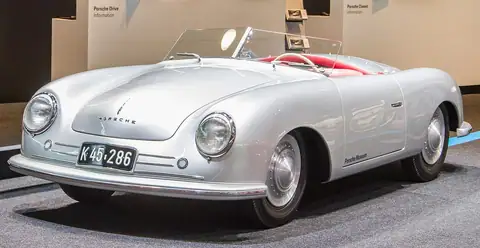 Porsche 356 "No. 1" Roadster (Sport 356/1) (Wikimedia Commons: Porsche 356 No. 1 Roadster)
Photo: Alexander Migl · CC BY-SA 4.0


02Production & history
Production
Every figure says what it counts.
| What is counted | Figure | Basis | Status |
|---|---|---|---|
| Total model productionThe one-off original, returned to Porsche in 1958 and since restored for road use; a 2018 show-car reconstruction also exists | 12,3 | Surviving examples | Independently researched |
| Total model productionone-off ("It remained a one-off") | 11 | Factory production | Independently researched |
Independent counts (e.g. engine and colour) are never combined into a calculated figure. Surviving examples are never presented as original production.
History
Built in Gmünd, Austria, the car, chassis 356.001, was first called the VW Sport. Ferry Porsche drove it for the first time on 5 February 1948, and it received its operating permit on 8 June 1948. It used a tubular steel frame with a hand-formed aluminium body and took its engine, transmission, front axle and other parts from the Volkswagen Beetle, with tuning that lifted output to 35 PS.
The car was sold to a first owner in Zurich, who later fitted hydraulic brakes; a subsequent owner converted the engine to 1.5 litres. Porsche bought it back in 1958 in exchange for a 356 Speedster and restored it for road use in 2018.
Variants
How each version differs from the standard 356 "No. 1" Roadster (Sport 356/1).
No variants documented yet. Have a source? Contribute it.
03Specifications
Technical specifications
Engine
| Engine family | Not yet verified |
|---|---|
| Engine code | Not yet verified |
| Layout | Mid-mounted four-cylinder (VW-derived)2 |
| Displacement | 1,131 cc / 1.1 LFactory: 1,131 cc2 |
| Bore | Not yet verified |
| Stroke | Not yet verified |
| Compression ratio | 7.0:14 Independently researched |
| Fuel system | Solex 26 VFI downdraught carburettor4 Independently researched |
| Power | 25.7 kW / 35 PSFactory: 35 PS2 |
| Power at | 4,000 rpm4 Independently researched |
| Torque | 69.1 NmFactory: 51 lb-ft · converted4 Independently researchedStated as unchanged from the 356/1 to the 356/2. |
| Torque at | 2,600 rpm4 Independently researched |
Transmission & drivetrain
| Gearbox | Unsynchronised four-speed manual (from VW)5 |
|---|---|
| Gears | 42 |
| Driven wheels | Not yet verified |
Chassis, body & dimensions
| Chassis | Tubular steel frame2 |
|---|---|
| Front suspension | Not yet verified |
| Rear suspension | Not yet verified |
| Brakes | Cable-actuated drum brakes from the VW Beetle (converted to hydraulic by the first private owner)2Brake conversion refers to the first private owner; the original car is therefore no longer in factory configuration. |
| Steering | From the VW Beetle2 |
| Body construction | Aluminium2 |
| Wheelbase | Not yet verified |
| Length | Not yet verified |
| Width | Not yet verified |
| Height | Not yet verified |
| Front track | Not yet verified |
| Rear track | Not yet verified |
| Kerb weight | 585 kgFactory: 585 kg2,5Source says "vehicle weight"; type is not specified. |
| Dry weight | Not yet verified |
Performance
| Maximum speed | 135 km/hFactory: 135 km/h2,5 |
|---|---|
| 0–100 km/h | Not yet verified |
| Fuel tank | Not yet verified |
“Not yet verified” means no source has been checked for that value yet. Nothing is estimated to fill a gap.
04Colours & options
Factory colours & interiors
Original paint and trim, with the number of cars in each where a source gives it.
Not yet documented. Have a source? Contribute it.
Factory options & codes
Codes are shown exactly as written by the manufacturer.
Not yet documented. Have a source? Contribute it.
05Individual cars
Chassis register
Every documented car, with its colours, history and where it is now. Open a row for the full record. Known chassis are not automatically authenticated originals.
Not yet documented. Have a source? Contribute it.
Competition history
Every race result of the individual cars, in date order. Click a chassis number to open its full record in the register.
Not yet documented. Have a source? Contribute it.
Auction & sale history
Documented public sales of the individual cars. Click a chassis number to open its full record in the register.
Not yet documented. Have a source? Contribute it.
See one in person
Museums where an example of this car can be seen.
No example is documented on public display yet. Have a source? Contribute it.
06Reference
Identification guide
How to tell an original from a replica or later conversion.
Chassis number 356.001. The car is unique: mid-mounted engine, tubular steel frame and aluminium body, and its engine still bears its original number.
Sources
Each number links to the exact facts it supports.
- 1
-
2
356 "No. 1" Roadster: the "Number 1" lives on Level A Porsche Newsroom · 2018-07-17
- "Number 1" was returned to Porsche in 1958
- centrally located 1,131 cc four-cylinder
- 1,131 cc
- increasing its power output to 35 PS
- unsynchronised four-speed transmission
- The tubular frame made of steel supported a body made of aluminium
- axles, steering, wheels and brakes all originated from the VW Beetle
- Kaiser replaced the cable-actuated brakes with a hydraulic mechanism
- supported a body made of aluminium
- engine needs to move just 585 kilogrammes of vehicle weight
- top speed 135 km/h
-
3
Touring Party – 356 No. 1 Roadster world tour Level A Porsche Newsroom
- show car was proposed ... reveal exactly what the original looked like
-
4
Guide: Porsche 356/2 Gmund - a Historical & Technical Appraisal Level B Supercar Nostalgia · 2020-03-23
- Like the 356/1, compression was increased from 5.8:1 to 7.0:1
- original Solex 26 VFI downdraught carburettor fitted to the 356/1
- 35bhp at 4000rpm (on the 356/1)
- torque rating was unchanged with 51lb-ft at 2600rpm
- 51lb-ft at 2600rpm
-
5
Made in Austria – the history of the Porsche 356 Level A Porsche Newsroom · 2019-11-06
- unsynchronised four-speed gearbox
- vehicle with a weight of only 585 kilograms
- top speed of at least 135 km/h
Keep exploring
More from Porsche
-
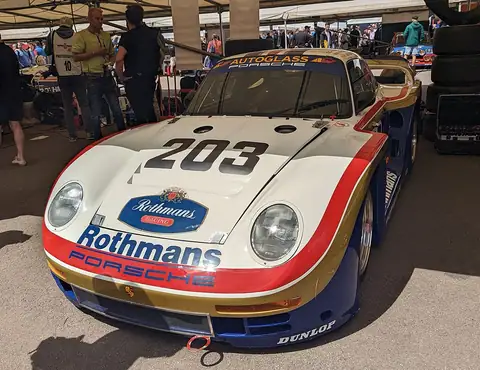
Porsche · 1986–1987
961
1 Built
-
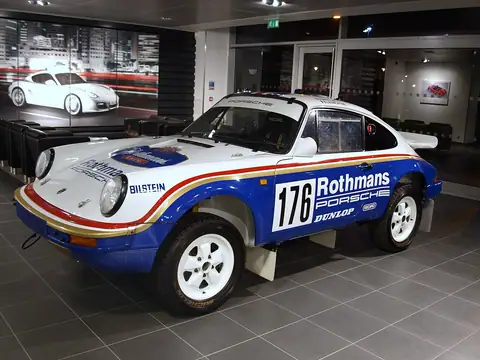
Porsche · 1984
953 (911 4x4 Paris–Dakar)
3 Built
-
Porsche · 1939–1940
Type 64 (60K10) "Berlin–Rome"
3 Built
-
Porsche · 1974
911 Carrera RSR Turbo 2.1
4 Built
More from Germany
-
Brütsch
Mopetta (1956)
Production not yet verified
-
BMW
525iX (E34)
Production not yet verified
-
Opel
Manta A GT/E
Production not yet verified
-
Mercedes-Benz · 1975–1980
450 SEL 6.9 (W 116)
7,380 Built
73 other makes from GermanyAC SchnitzerAdlerAgria-WerkeAlbertAlpinaAMGAMOAmphicarApolloArtegaAudiAuto UnionAutomobili PininfarinaBayerische AutowerkeBenzBenz & Cie.BitterBMWBohseBoldmenBorgwardBovensiepenBrabusBrennaborBrütschCarlssonChampionDaimler-Motoren-GesellschaftDKWFMR (Messerschmitt)FuldamobilGepardGlasGoggomobilGoliathGumpertGutbrodHanomagHeinkelHorchAll makes →