Makes › Porsche › Type 64 (60K10) "Berlin–Rome" · Historically significant · 1939–1940
Porsche
Type 64 (60K10) "Berlin–Rome"
Ferdinand Porsche's streamlined VW-based car for the cancelled Berlin–Rome race; direct ancestor of the Porsche 356; one of three survives
Still being researched: full specifications. Everything shown is checked against the cited sources. Know more? Send us a source.
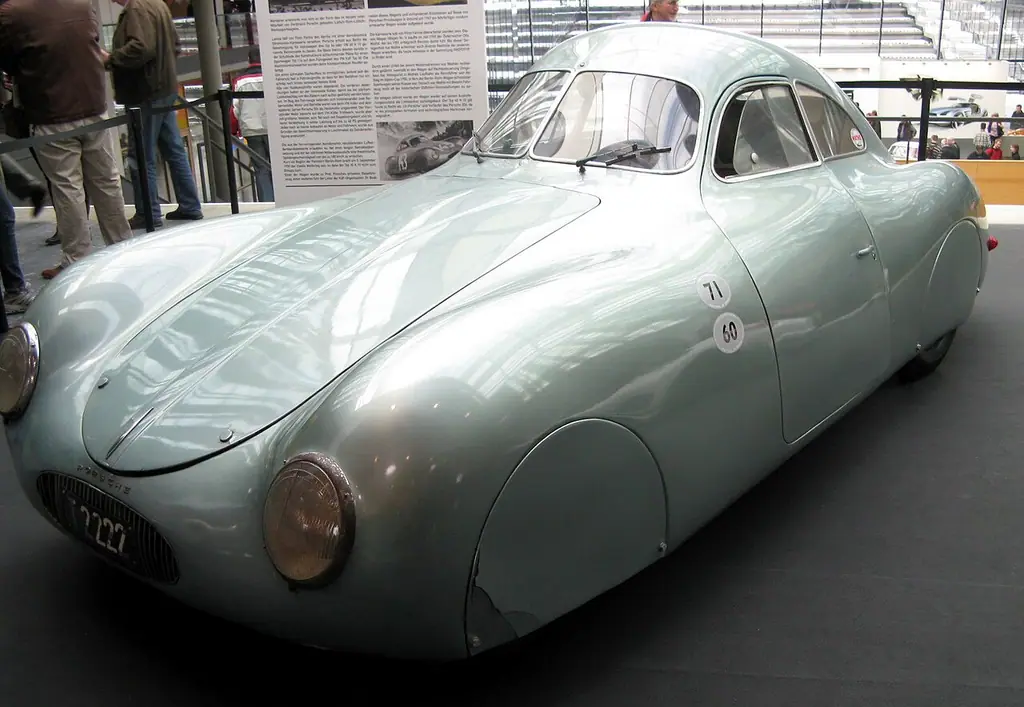
Photo: MartinHansV · CC BY 3.0
Contents
01Overview
At a glance
- Built
- 3 Built
- Years
- 1939–1940
- Engine
- 985 cc / 1.0 LFactory: 985 cc
- Power
- 23.5 kW / 32 PSFactory: 32 PS
- Top speed
- 145 km/hFactory: 145 km/h
- Body
- Not yet verified
- Designer
- Ferdinand Porsche; body plans by Karl Froelich under Erwin Komenda
- In this archive
- Not yet verified
- Surviving
- 1 (independently researched)
Sources and any conflicting figures are in the sections below.
Why it matters
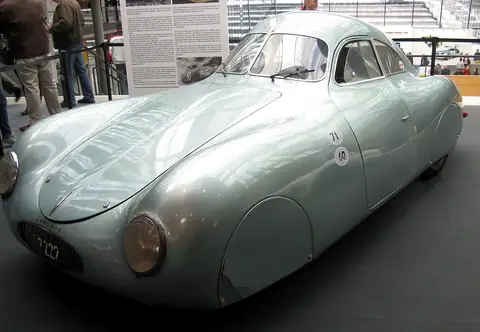
The Type 64, also called 60K10, was Ferdinand Porsche's 1939 sports car based on the KdF-Wagen, prepared for the Berlin-Rome race. Its aerodynamic body and riveted aluminium construction anticipate the later Gmünd 356. The auction house calls it the ancestor of all Porsches.
How rare is it?
Six separate kinds of rarity – never combined into one number.
Each kind of rarity is rated separately and never combined.
Photos
Exterior, interior and detail photos with their licences.
 Porsche Type 64 (60K10) "Berlin–Rome" (Wikimedia Commons search)
Photo: MartinHansV · CC BY 3.0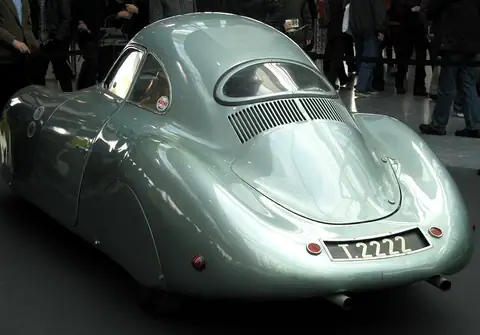 Porsche Type 64 (60K10) "Berlin–Rome" (Wikimedia Commons search)
Photo: MartinHansV · CC BY 3.0


02Production & history
Production
Every figure says what it counts.
| What is counted | Figure | Basis | Status |
|---|---|---|---|
| Total model productionchassis 38/41, sole survivor of the three Type 64 cars believed completed | 12 | Surviving examples | Independently researched |
| Total model productionType 64 cars built for the Berlin–Rome race | 31 | Factory production | Independently researched |
Independent counts (e.g. engine and colour) are never combined into a calculated figure. Surviving examples are never presented as original production.
History
In September 1938 Porsche proposed a sports version of the Beetle; Volkswagen then commissioned a similar car as the Type 60K10, which Porsche internally called the Type 64. Erwin Komenda supervised, Karl Froelich drafted the plans and Josef Mickl wind-tunnel tested a scale model. After the 1939 Berlin-Rome race was announced, the NSKK ordered three cars; the first was completed in August 1939 and the race was cancelled when the war began.
The second car was finished in December 1939 and ended up wrecked by US troops; a third body was completed in June 1940. Chassis 38/41 survived, was used by Ferdinand and later Ferry Porsche, and was sold in 1949 to an Austrian racing driver who kept it for 46 years.
Variants
How each version differs from the standard Type 64 (60K10) "Berlin–Rome".
No variants documented yet. Have a source? Contribute it.
03Specifications
Technical specifications
Engine
| Engine family | Not yet verified |
|---|---|
| Engine code | Not yet verified |
| Layout | Not yet verified |
| Displacement | 985 cc / 1.0 LFactory: 985 cc2 Independently researchedBase engine; later raced with modified displacement. |
| Bore | Not yet verified |
| Stroke | Not yet verified |
| Compression ratio | Not yet verified |
| Fuel system | Dual Solex carburettors2 Independently researched |
| Power | 23.5 kW / 32 PSFactory: 32 PS3 Independently researchedPorsche states 32 PS for the Type 64 engine fitted to a VW 39 test car; RM Sotheby's gives 32-40 hp for the Type 64 against 23.5 hp standard. |
| Power at | Not yet verified |
| Torque | Not yet verified |
Transmission & drivetrain
| Gearbox | Not yet verified |
|---|---|
| Gears | Not yet verified |
| Driven wheels | Not yet verified |
Chassis, body & dimensions
| Chassis | Pressed-steel KdF backbone with rectangular duralumin tubular frames and alloy floor2 Independently researched |
|---|---|
| Front suspension | Not yet verified |
| Rear suspension | Not yet verified |
| Brakes | Not yet verified |
| Steering | Not yet verified |
| Body construction | Lightweight alloy body riveted to the frame, two-seat cockpit2 Independently researched |
| Wheelbase | Not yet verified |
| Length | Not yet verified |
| Width | Not yet verified |
| Height | Not yet verified |
| Front track | Not yet verified |
| Rear track | Not yet verified |
| Kerb weight | 610.5 kgFactory: 1,346 lb · converted2 Independently researched |
| Dry weight | Not yet verified |
Performance
| Maximum speed | 145 km/hFactory: 145 km/h3 Independently researchedStated for the VW 39 prototype fitted with the Type 64 engine. |
|---|---|
| 0–100 km/h | Not yet verified |
| Fuel tank | Not yet verified |
“Not yet verified” means no source has been checked for that value yet. Nothing is estimated to fill a gap.
04Colours & options
Factory colours & interiors
Original paint and trim, with the number of cars in each where a source gives it.
Not yet documented. Have a source? Contribute it.
Factory options & codes
Codes are shown exactly as written by the manufacturer.
Not yet documented. Have a source? Contribute it.
05Individual cars
Chassis register
Every documented car, with its colours, history and where it is now. Open a row for the full record. Known chassis are not automatically authenticated originals.
Not yet documented. Have a source? Contribute it.
Competition history
Every race result of the individual cars, in date order. Click a chassis number to open its full record in the register.
Not yet documented. Have a source? Contribute it.
Auction & sale history
Documented public sales of the individual cars. Click a chassis number to open its full record in the register.
Not yet documented. Have a source? Contribute it.
See one in person
Museums where an example of this car can be seen.
No example is documented on public display yet. Have a source? Contribute it.
06Reference
Identification guide
How to tell an original from a replica or later conversion.
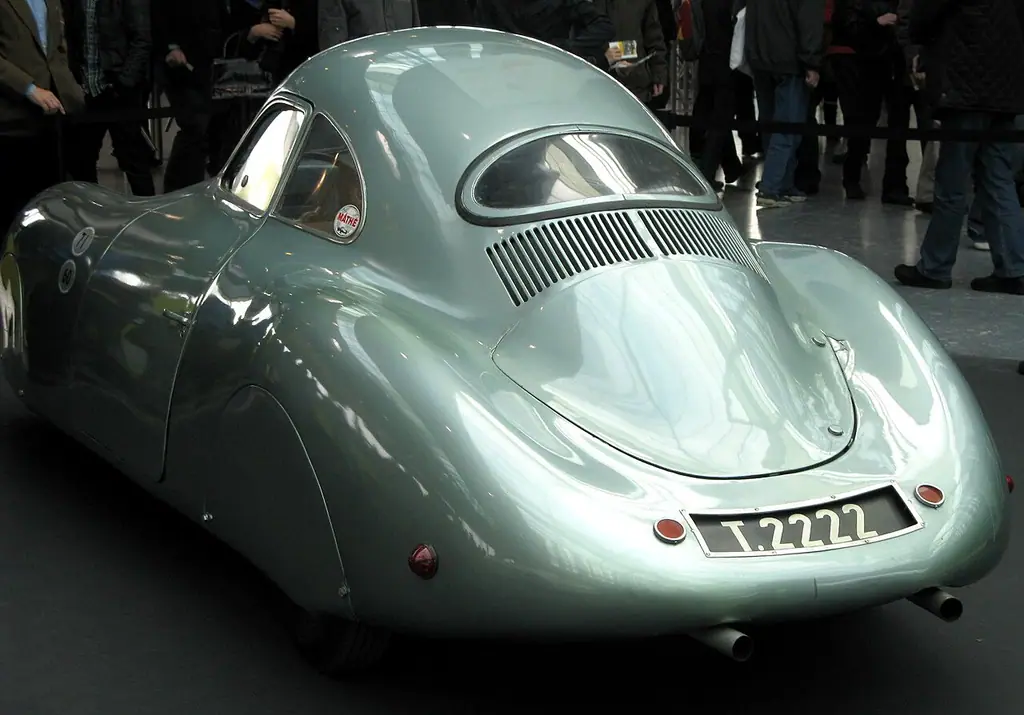
The surviving car carries chassis number 38/41 and engine number 38/43, the engine having been kept by a later owner and reunited with the car. The chassis starts from a pressed-steel KdF backbone flanked by rectangular tubular duralumin frames with an alloy floor, and the lightweight alloy body is riveted with more than 2,000 rivets. Distinguishing details are a split windscreen, sliding-door windows, wheel spats front and rear and a dual spare-wheel compartment under the front lid. A specialist found all key components original to 1939/1940. The Pretzel Beetle (VW 39) is a different car: 14 were built, one survives, and one of them used a Type 64 engine.
Sources
Each number links to the exact facts it supports.
-
1
Motor Sport magazine archive, July 2019 Level C
- 3 Type 64 cars built for the Berlin–Rome race
-
2
1939 Porsche Type 64 (Monterey 2019, lot 362) Level C RM Sotheby's
- 38/41 would become the sole surviving example of the three planned cars
- standard 985 cc VW engine was rebuilt with dual Solex carburetors
- dual Solex carburetors, larger valves, and higher compression
- flanked by rectangular tubular frames made of aircraft-gauge duralumin
- lightweight body, smoothly fastened to the outer skin in a series of more than 2,000
- A low curb weight of just 1,346 pounds
-
3
The Volkswagen that was a Porsche Level A Porsche Newsroom · 2019-04-04
- The engine power had been increased to 32 PS
- the vehicle achieved the outstanding top speed for the time of 145 km/h
Keep exploring
More from Porsche
-
Porsche · 1948
356 "No. 1" Roadster (Sport 356/1)
1 Built
-
Porsche · 1986–1987
961
1 Built
-
Porsche · 1984
953 (911 4x4 Paris–Dakar)
3 Built
-
Porsche · 1974
911 Carrera RSR Turbo 2.1
4 Built
More from Germany
-
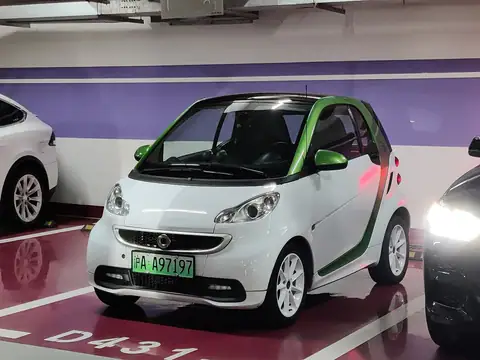
smart · 2010
fortwo electric drive (second generation, 2010 limited initial run)
1,500 Built
-
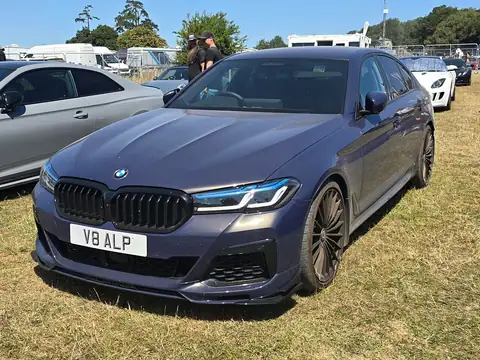
Alpina
B5 GT
Production not yet verified
-
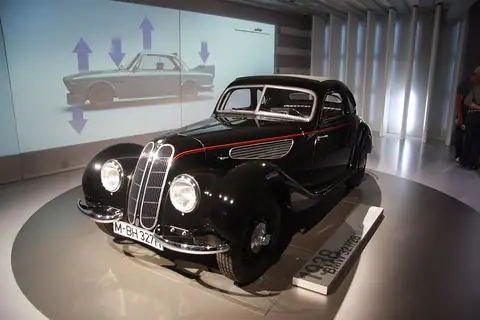
BMW
327/28
Production not yet verified
-
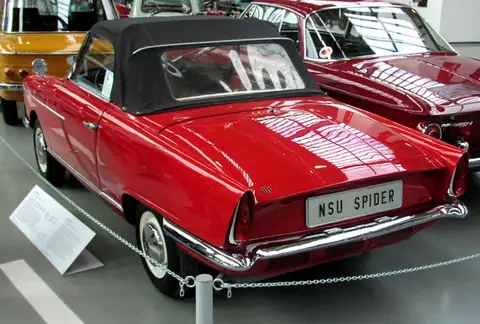
NSU · 1964–1967
Wankel Spider
2,375 Built
73 other makes from GermanyAC SchnitzerAdlerAgria-WerkeAlbertAlpinaAMGAMOAmphicarApolloArtegaAudiAuto UnionAutomobili PininfarinaBayerische AutowerkeBenzBenz & Cie.BitterBMWBohseBoldmenBorgwardBovensiepenBrabusBrennaborBrütschCarlssonChampionDaimler-Motoren-GesellschaftDKWFMR (Messerschmitt)FuldamobilGepardGlasGoggomobilGoliathGumpertGutbrodHanomagHeinkelHorchAll makes →