Makes › Renault › Étoile Filante · Prototype · 1956 Ultra Rare
Renault
Étoile Filante
Gas-turbine record car; turbine land-speed record at Bonneville, September 1956.
Still being researched: identification guide. Everything shown is checked against the cited sources. Know more? Send us a source.
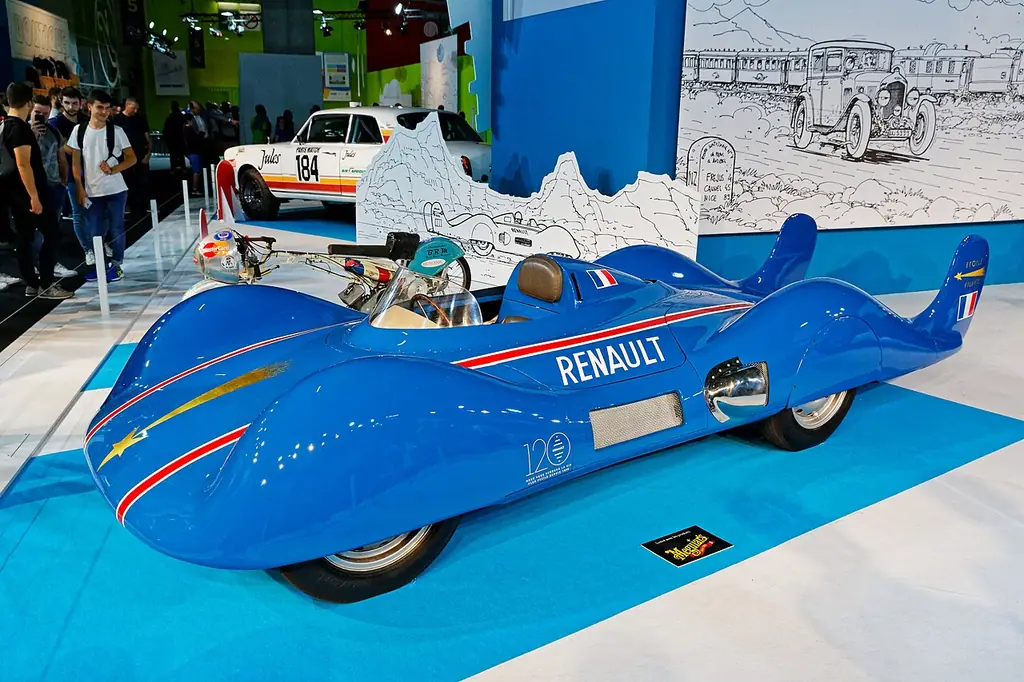
Photo: Thesupermat · CC BY-SA 4.0
Contents
01Overview
At a glance
- Built
- 2 Built
- Years
- 1956
- Engine
- Gas turbine behind the driver, kerosene fuel
- Power
- 201 kW / 274 PSFactory: 270 hp · converted
- Top speed
- 308.9 km/hFactory: 308.9 km/h
- Body
- Not yet verified
- Designer
- Fernand Picard, Albert Lory and Jean Hébert (Renault team)
- In this archive
- Not yet verified
- Surviving
- Not yet verified
Sources and any conflicting figures are in the sections below.
Why it matters
The Étoile Filante was a turbine-powered record car built to promote the gas turbine and to raise Renault's profile in the United States ahead of the Dauphine export launch. At Bonneville on 5 September 1956 it set speed records that Renault says have not been bettered for its category. It was explicitly a prototype and a travelling laboratory, not a preview of a production car.
How rare is it?
Six separate kinds of rarity – never combined into one number.
Each kind of rarity is rated separately and never combined.
Photos
Exterior, interior and detail photos with their licences.
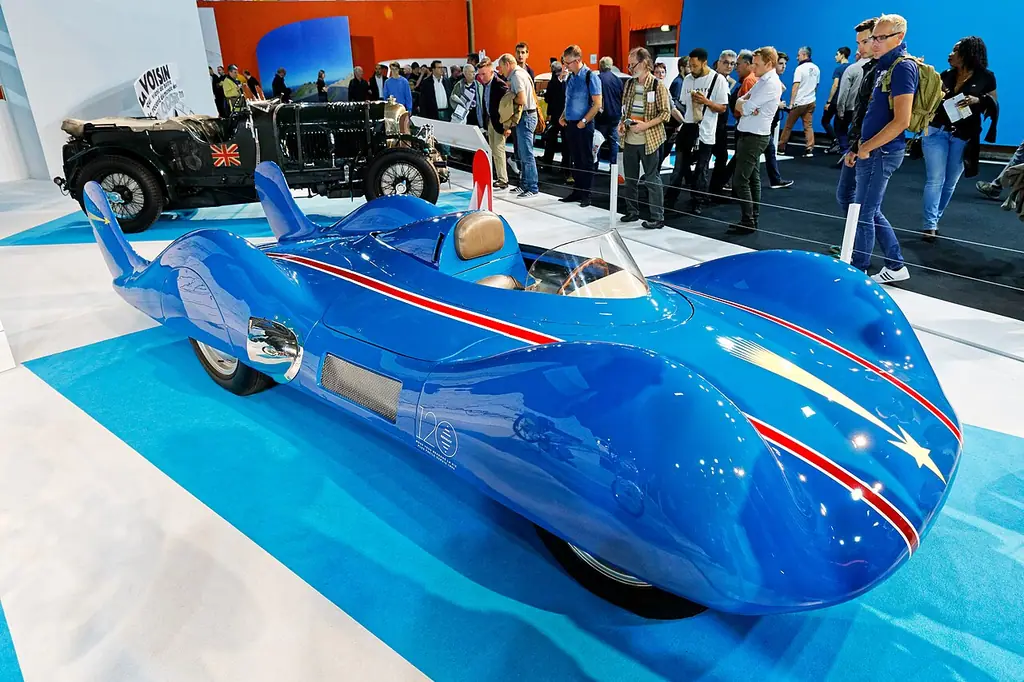
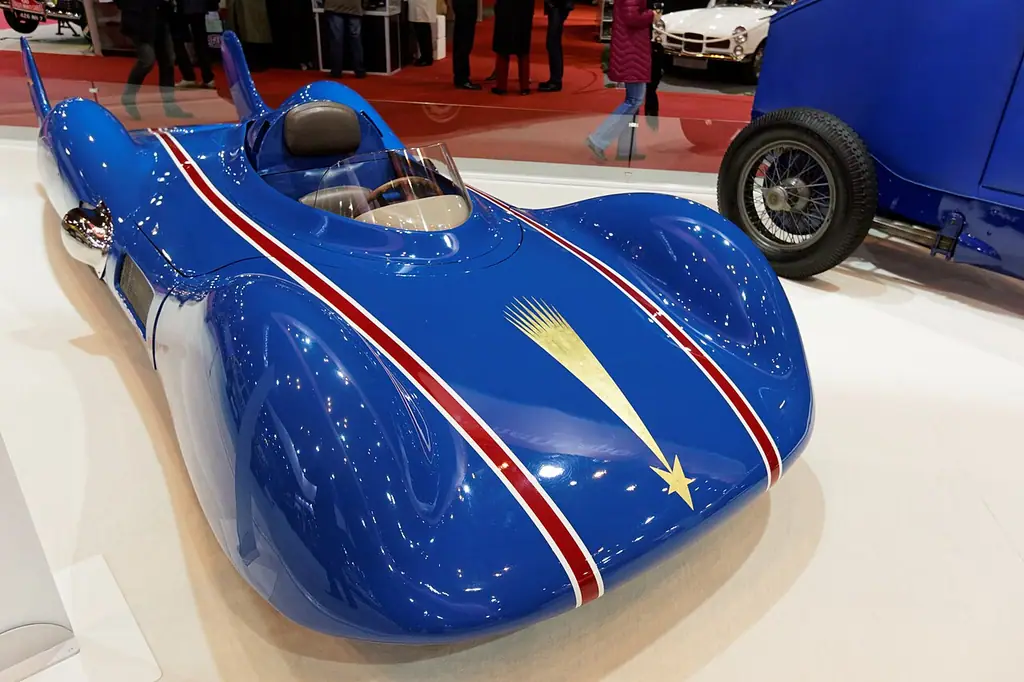
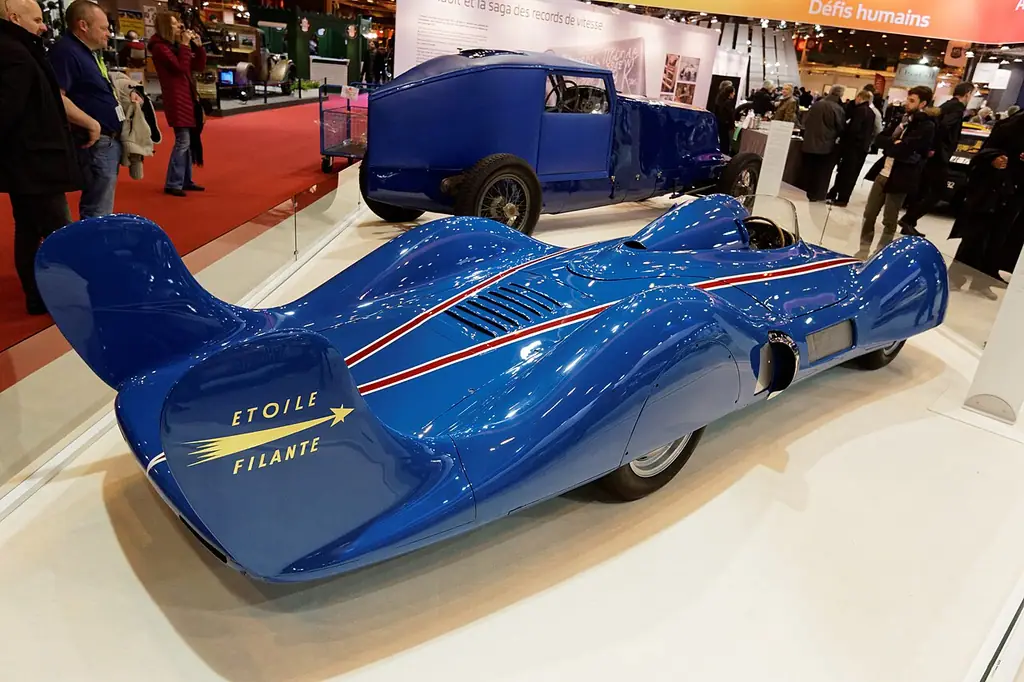
 Renault Étoile Filante (Wikimedia Commons: Renault Étoile filante)
Photo: Thesupermat · CC BY-SA 4.0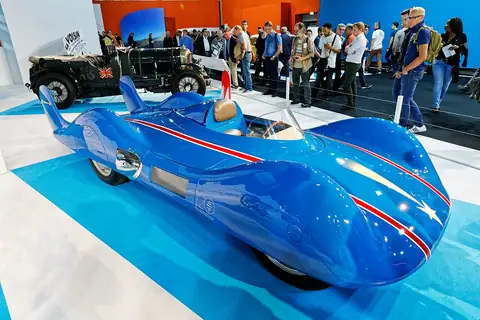 Renault Étoile Filante (Wikimedia Commons: Renault Étoile filante)
Photo: Thesupermat · CC BY-SA 4.0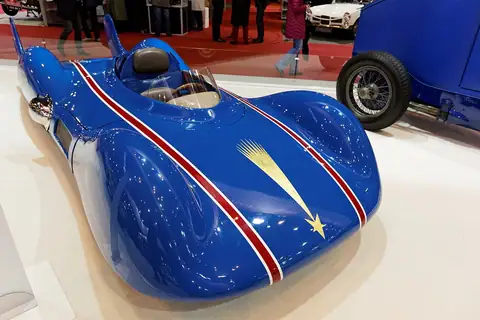 Renault Étoile Filante (Wikimedia Commons: Renault Étoile filante)
Photo: Thesupermat · CC BY-SA 4.0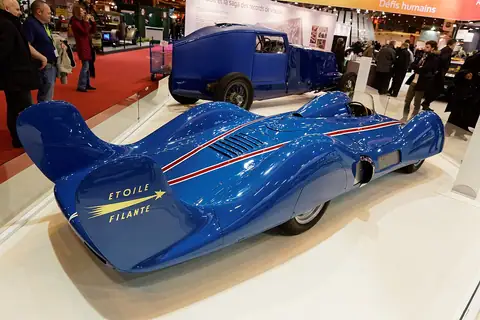 Renault Étoile Filante (Wikimedia Commons: Renault Étoile filante)
Photo: Thesupermat · CC BY-SA 4.0


02Production & history
Production
Every figure says what it counts.
| What is counted | Figure | Basis | Status |
|---|---|---|---|
| Total model productionexamples built, per Renault Group 2016 60th-anniversary press release quoted on the page ("There were only two examples!") | 21,2 | Factory production | Factory reported |
Independent counts (e.g. engine and colour) are never combined into a calculated figure. Surviving examples are never presented as original production.
History
Joseph Szydlowski of the turbine maker Turboméca approached Renault in 1954, and Renault chief Pierre Lefaucheux backed a team of Fernand Picard, Albert Lory and Jean Hébert. A scale model was tested in a wind tunnel in 1954-55, the turbine was first run in April 1956, and the car was presented to the press at Montlhéry on 22 June 1956. On 5 September 1956 Hébert drove it at Bonneville, Utah, to a top speed of 308.9 km/h; the turbine ran on kerosene.
Variants
How each version differs from the standard Étoile Filante.
No variants documented yet. Have a source? Contribute it.
03Specifications
Technical specifications
Engine
| Engine manufacturer | Turboméca1,3 |
|---|---|
| Engine family | Not yet verified |
| Engine code | Turmo 13 Independently researchedVelocetoday spells it 'Type Turbo 1'. |
| Layout | Gas turbine behind the driver, kerosene fuel3,1 Independently researched |
| Displacement | Not yet verified |
| Bore | Not yet verified |
| Stroke | Not yet verified |
| Compression ratio | Not yet verified |
| Fuel system | Not yet verified |
| Power | 201 kW / 274 PSFactory: 270 hp · converted1Rating: manufacturerRenault English page: hp; French sources: ch (cv). |
| Power at | 28,000 rpm1 |
| Torque | Not yet verified |
Transmission & drivetrain
| Gearbox | Reduction gear 28,000 to 2,500 rpm, Transfluide transmission1Velocetoday describes a three-speed gear reduction system. |
|---|---|
| Gears | Not yet verified |
| Driven wheels | Not yet verified |
Chassis, body & dimensions
| Chassis | Tubular chrome-molybdenum steel chassis frame1 |
|---|---|
| Front suspension | Trailing arms with torsion bars4 Independently researched |
| Rear suspension | Not yet verified |
| Brakes | Four disc brakes4 Independently researched |
| Steering | Not yet verified |
| Body construction | Polyester-clad body with two aircraft-style fins1 |
| Wheelbase | Not yet verified |
| Length | 4.84 mFactory: 4.84 m3 Independently researchedRenault Group says 'over five meters'; Velocetoday 'almost five meters'. |
| Width | Not yet verified |
| Height | 1.1 mFactory: 1.1 m3 Independently researched |
| Front track | Not yet verified |
| Rear track | Not yet verified |
| Kerb weight | Not yet verified |
| Dry weight | 950 kgFactory: 950 kg3 Independently researchedStated as weight below one tonne, 950 kg. |
Performance
| Maximum speed | 308.9 km/hFactory: 308.9 km/h1Record of 5 September 1956 (Jean Hébert, Bonneville). Renault also gives 306.9 km/h over 1 km and 308.85 km/h over 5 km; Rare Cars Only lists 306.902 km/h (1 km) and 307.707 km/h (1 mile). |
|---|---|
| 0–100 km/h | Not yet verified |
| Fuel tank | Not yet verified |
“Not yet verified” means no source has been checked for that value yet. Nothing is estimated to fill a gap.
04Colours & options
Factory colours & interiors
Original paint and trim, with the number of cars in each where a source gives it.
Not yet documented. Have a source? Contribute it.
Factory options & codes
Codes are shown exactly as written by the manufacturer.
Not yet documented. Have a source? Contribute it.
05Individual cars
Chassis register
Every documented car, with its colours, history and where it is now. Open a row for the full record. Known chassis are not automatically authenticated originals.
Not yet documented. Have a source? Contribute it.
Competition history
Every race result of the individual cars, in date order. Click a chassis number to open its full record in the register.
Not yet documented. Have a source? Contribute it.
Auction & sale history
Documented public sales of the individual cars. Click a chassis number to open its full record in the register.
Not yet documented. Have a source? Contribute it.
See one in person
Museums where an example of this car can be seen.
No example is documented on public display yet. Have a source? Contribute it.
06Reference
Identification guide
How to tell an original from a replica or later conversion.
Not yet documented. Have a source? Contribute it.
Sources
Each number links to the exact facts it supports.
-
1
The Renault Etoile Filante, fastest car in the world Level A Renault Group
- Just 2 units of the vehicle were ever produced
- powered by an ultra-powerful turbine engine
- it ran on kerosene
- Maximum power: 270 hp at 28,000 rpm
- 270 hp at 28,000 rpm
- Reduction gear from 28,000 rpm to 2,500 rpm; Transfluide transmission
- chassis-frame in chrome-molybdenum steel tubing
- tubular, polyester-clad body and two large aircraft-like fins
- Top speed: 308.9 km/h, record set on September 5, 1956
-
2
The Étoile Filante, the ancestor of the Alpine Alpenglow? | Lignes Auto Level C
- 2 examples built, per Renault Group 2016 60th-anniversary press release quoted on the page ("There were only two examples!")
-
3
Renault Etoile-Filante: elle pulvérise des records de vitesse grâce à une turbine Level B Loic Ferriere · Planète Renault · 2025-02-12
- Turbine Turbomeca
- Turbine Turbomeca, Type Turmo 1
- Positionnée derrière le pilote, la turbine développe 270 ch
- longueur de 4,84 mètres
- Très basse (1,10 mètre de hauteur)
- poids inférieur à la tonne (950 kg)
-
4
Renault Streamliner hits 190mph in 1956 Level B Velocetoday
- front, trailing-arm suspension and torsion-bar springs
- braking by four discs
Keep exploring
More from Renault
-
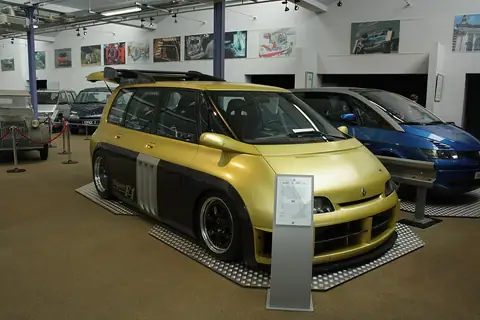
Renault
Espace F1
1 Built
-
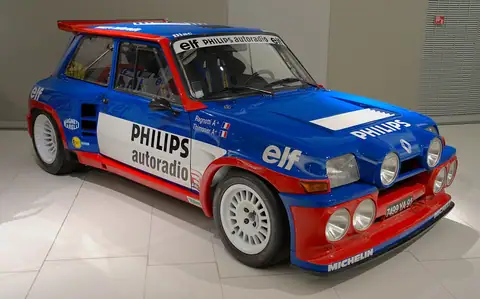
Renault · 1985
5 Maxi Turbo
20 Built
-
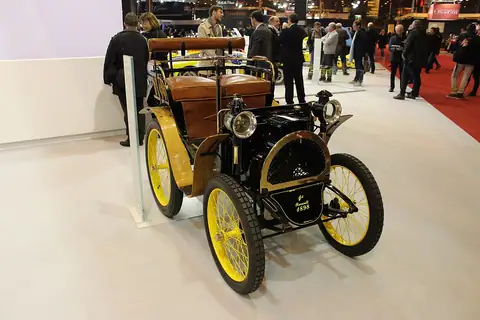
Renault · 1898
Type A Voiturette
71 Built
-
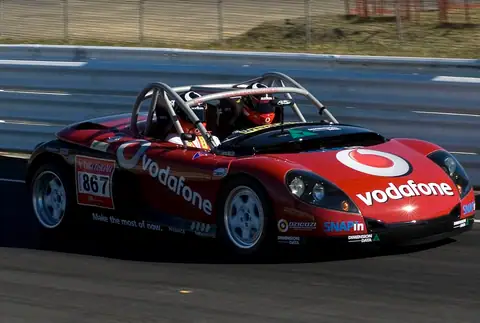
Renault
Sport Spider Trophy
80 Built
More from France
-
Peugeot · 1907–1908
Type 91 (1907-1908)
Production not yet verified
-
Alpine · 1963–1970
GT4 (1964-1969)
261 Built
-
Voisin
Voisin C1
Production not yet verified
-
Ligier
JS P3
Production not yet verified
70 other makes from FranceACMAAixamAlcatelAlpineAmilcarArzensAvions VoisinBACBallotBerlietBolloreBuccialiBugattiCGCharron, Girardot et VoigtChenard-WalckerCitroënClément-PanhardDAMSDarracqDBDB (Deutsch-Bonnet)De DietrichDe Dion-BoutonDe Dion, Bouton et TrépardouxDe La ChapelleDelageDelahayeDelaunay-BellevilleDerbyDSExagonFacel VegaFarmanFord FranceGentyGordiniHommellHopiumHotchkissAll makes →