Makes › Saab › 9000 Turbo 'Long Run' Talladega record cars · Historically significant · 1986
Saab
9000 Turbo 'Long Run' Talladega record cars
Three standard 9000 Turbos that set endurance/speed world records for standard cars (100,000 km) at Talladega
Still being researched: identification guide, full specifications. Everything shown is checked against the cited sources. Know more? Send us a source.
Contents
01Overview
At a glance
- Built
- 3 Built
- Years
- 1986
- Engine
- 2,000 cc / 2 LFactory: 2 L
- Power
- 130 kW / 177 PSFactory: 175 hp · converted
- Top speed
- Not yet verified
- Body
- Not yet verified
- Designer
- Not yet verified
- In this archive
- Not yet verified
- Surviving
- Not yet verified
Sources and any conflicting figures are in the sections below.
Why it matters
The Long Run was Saab's 1986 public durability demonstration for the new 9000 Turbo. Three cars taken from the production line ran 100,000 km at Talladega at an average of more than 210 km/h and set international and world records.
How rare is it?
Six separate kinds of rarity – never combined into one number.
Each kind of rarity is rated separately and never combined.
02Production & history
Production
Every figure says what it counts.
| What is counted | Figure | Basis | Status |
|---|---|---|---|
| Total model productionrecord cars in the 1986 test | 31,2 | Factory production | Factory reported |
Independent counts (e.g. engine and colour) are never combined into a calculated figure. Surviving examples are never presented as original production.
History
Saab selected the cars from the Trollhattan production line under supervision of FISA, the sporting authority, sealed them before shipment, and ran them at the Talladega speedway in Alabama in October 1986. Motor Sport reports the run lasting from 8 to 26 October, while the Saab Museum dates the start to 7 October. According to Motor Sport the plan came from Olle Granlund, Saab engines and transmissions chief, in 1984. SaabPlanet counts 25 drivers, mostly Saab engineers; the museum counts 31.
The fastest car covered 100,000 km at a mean 213.299 km/h, the other two averaging about 210 and 208 km/h. Motor Sport says heavy rain hindered the early running. The cars needed little beyond routine service: the main problem was fuel starvation on the banking when tanks ran low, so two cars needed exhaust valve repairs and one a fuel pump.
Variants
How each version differs from the standard 9000 Turbo 'Long Run' Talladega record cars.
No variants documented yet. Have a source? Contribute it.
03Specifications
Technical specifications
Engine
| Engine family | Not yet verified |
|---|---|
| Engine code | Not yet verified |
| Layout | Not yet verified |
| Displacement | 2,000 cc / 2 LFactory: 2 L3 Independently researchedMotor Sport describes the 16-valve turbo 2-litre engine of the 9000 Turbo 16. |
| Bore | Not yet verified |
| Stroke | Not yet verified |
| Compression ratio | Not yet verified |
| Fuel system | Not yet verified |
| Power | 130 kW / 177 PSFactory: 175 hp · converted3 Independently researchedMotor Sport quotes 175 bhp at 5,300 rpm as the production figure; the US-emission version is given as 160 bhp. The page does not say which applied to the Long Run cars. |
| Power at | Not yet verified |
| Torque | Not yet verified |
Transmission & drivetrain
| Gearbox | Not yet verified |
|---|---|
| Gears | Not yet verified |
| Driven wheels | Not yet verified |
Chassis, body & dimensions
| Chassis | Not yet verified |
|---|---|
| Front suspension | Not yet verified |
| Rear suspension | Not yet verified |
| Brakes | Not yet verified |
| Steering | Not yet verified |
| Body construction | Not yet verified |
| Wheelbase | Not yet verified |
| Length | Not yet verified |
| Width | Not yet verified |
| Height | Not yet verified |
| Front track | Not yet verified |
| Rear track | Not yet verified |
| Kerb weight | Not yet verified |
| Dry weight | Not yet verified |
Performance
| Maximum speed | Not yet verified |
|---|---|
| 0–100 km/h | Not yet verified |
| Fuel tank | Not yet verified |
“Not yet verified” means no source has been checked for that value yet. Nothing is estimated to fill a gap.
04Colours & options
Factory colours & interiors
Original paint and trim, with the number of cars in each where a source gives it.
Not yet documented. Have a source? Contribute it.
Factory options & codes
Codes are shown exactly as written by the manufacturer.
Not yet documented. Have a source? Contribute it.
05Individual cars
Chassis register
Every documented car, with its colours, history and where it is now. Open a row for the full record. Known chassis are not automatically authenticated originals.
Not yet documented. Have a source? Contribute it.
Competition history
Every race result of the individual cars, in date order. Click a chassis number to open its full record in the register.
Not yet documented. Have a source? Contribute it.
Auction & sale history
Documented public sales of the individual cars. Click a chassis number to open its full record in the register.
Not yet documented. Have a source? Contribute it.
See one in person
Museums where an example of this car can be seen.
No example is documented on public display yet. Have a source? Contribute it.
06Reference
Identification guide
How to tell an original from a replica or later conversion.
Not yet documented. Have a source? Contribute it.
Sources
Each number links to the exact facts it supports.
-
1
Rally successes Level A The Saab Museum (independent enthusiast archive)
- three Saab 9000 Turbo 16s, in guaranteed standard condition
-
2
Saab Car Museum – 'Saab Turbo – In the Long Run' exhibition Level A
- 3 record cars in the 1986 test
-
3
The Long Run Level B Motor Sport Magazine · 1987-01-01
- usual iron block 2-litres
- production 175 bhp at 5,300 revs
Keep exploring
More from Saab
-
Saab · 1964–1965
Catherina prototype (Sixten Sason)
1 Built
-
Saab · 1964–1965
MFI13
1 Built
-
Saab · 1981
900 Safari (Nilssons estate)
2 Built
-
Saab · 1960
Formula Junior
2 Built
More from Sweden
-
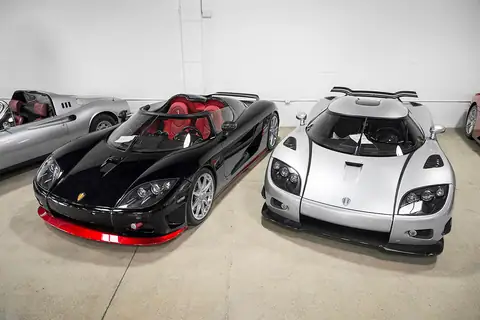
Koenigsegg · 2009
CCXR Trevita
2 Built
-
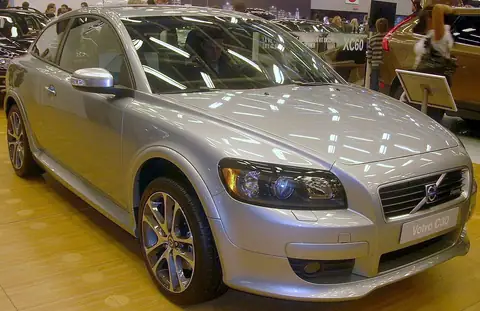
Volvo
C30 R-Design (North America)
Production not yet verified
-
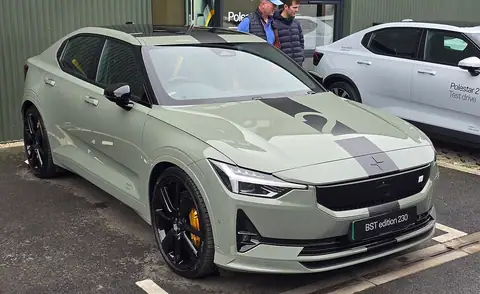
Polestar
2 BST Edition 230 (2022)
Production not yet verified
-
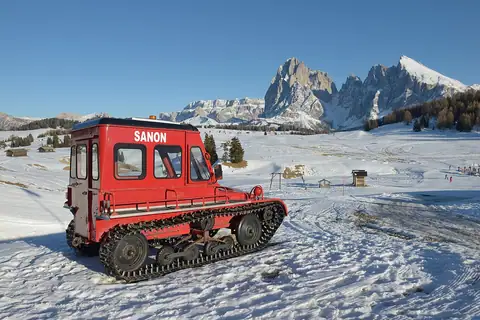
Snow Trac · 1957–1980
Snow Trac
Production not yet verified
7 other makes from SwedenJosse CarKoenigseggLeopardOBCPolestarSnow TracVolvo