Makes › Studebaker › Avanti › Avanti · Rare production · 1962–1964 Rare
Studebaker
Avanti
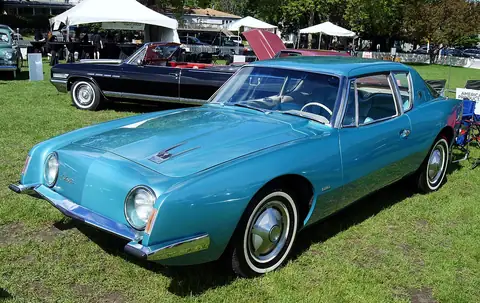
Raymond Loewy-styled fiberglass GT – low-volume model
Still being researched: full specifications. Everything shown is checked against the cited sources. Know more? Send us a source.
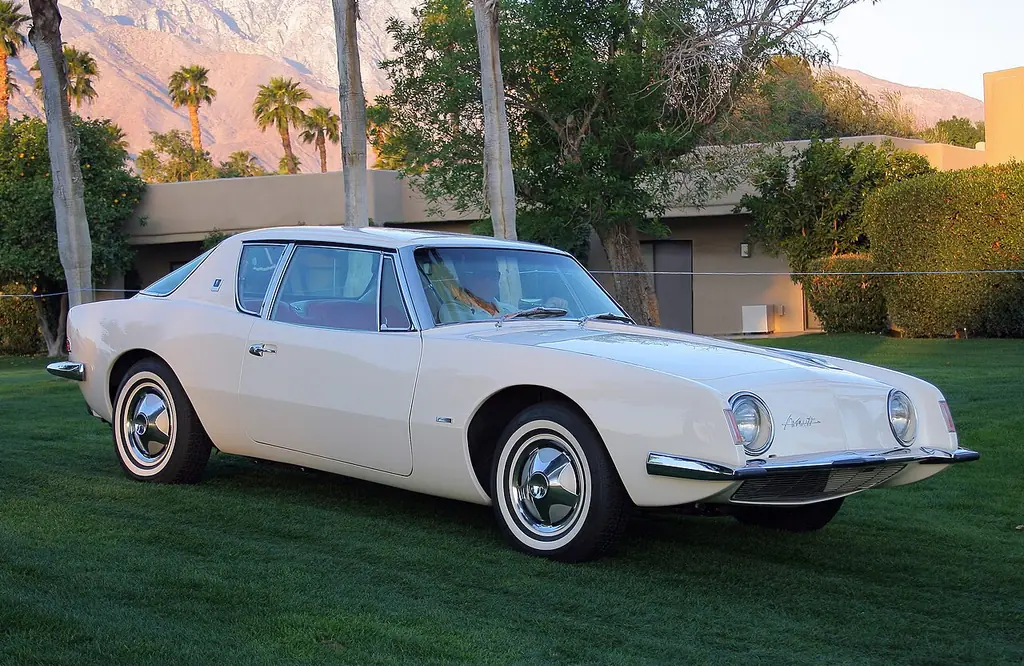
Photo: Rex Gray · CC BY 2.0
Contents
01Overview
At a glance
- Built
- 4,647 Built
- Years
- 1962–1964
- Engine
- Front-mounted V8 (Studebaker)
- Power
- Not yet verified
- Top speed
- Not yet verified
- Body
- Not yet verified
- Designer
- Raymond Loewy studio (Tom Kellogg, Bob Andrews, John Ebstein)
- In this archive
- Not yet verified
- Surviving
- Not yet verified
Sources and any conflicting figures are in the sections below.
Why it matters
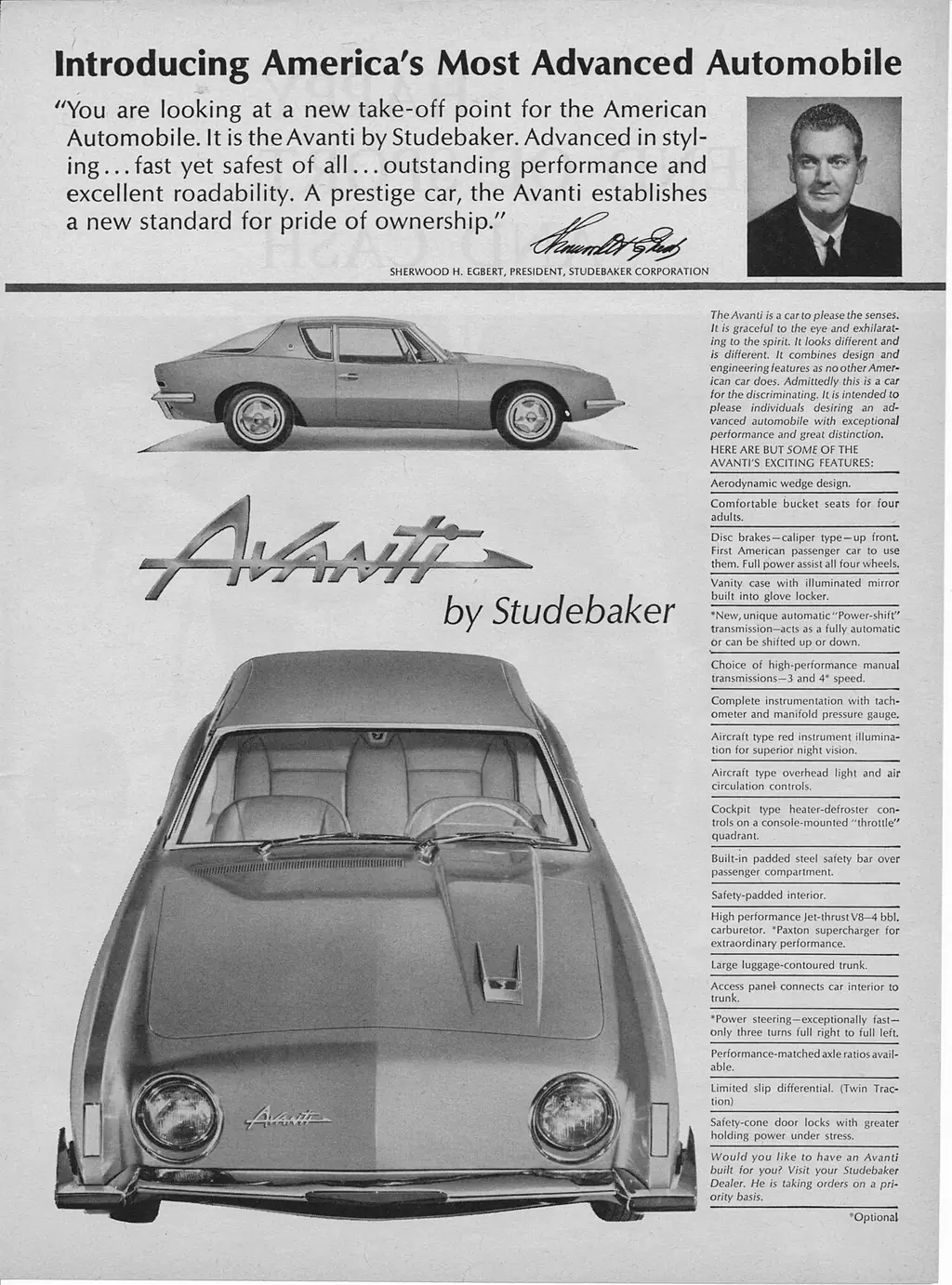
The Avanti was Studebaker's 1960s fibreglass-bodied sporting coupe, styled by Raymond Loewy's studio. It combined a Studebaker V8 (naturally aspirated R1 or Paxton-supercharged R2) with a sharp-edged "Coke-bottle" shape, and its design continued in production under other owners after Studebaker stopped building it.
How rare is it?
Six separate kinds of rarity – never combined into one number.
Each kind of rarity is rated separately and never combined.
Photos
Exterior, interior and detail photos with their licences.
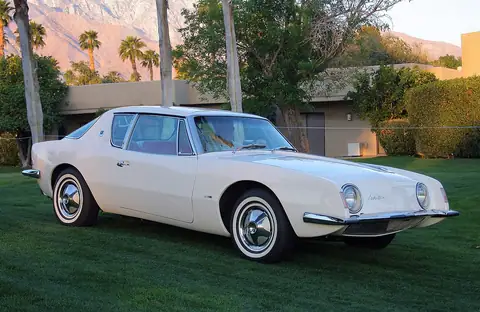 Studebaker Avanti (Wikimedia Commons: search)
Photo: Rex Gray · CC BY 2.0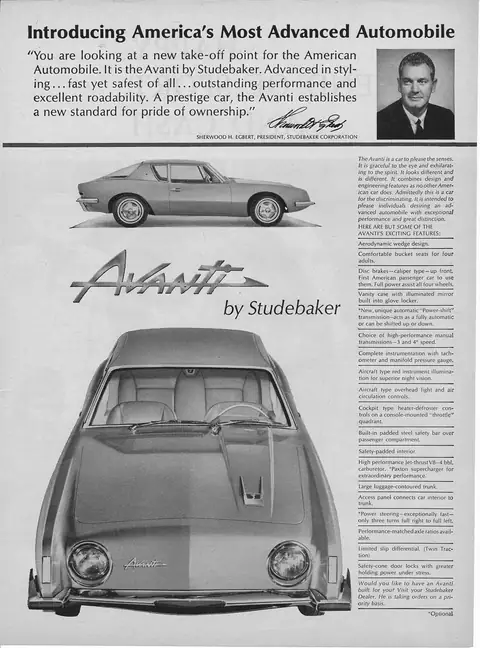 Studebaker Avanti (Wikipedia article: Studebaker Avanti)
Photo: ChicagoAreaTom · Public domain


02Production & history
Production
Every figure says what it counts.
| What is counted | Figure | Basis | Status |
|---|---|---|---|
| Total model productionAvantis produced by Studebaker during the whole production period (June 1962 – Dec 1963, 1963 and 1964 model years); other counts give 4,643 | 4,6471 | Factory production | Independently researched |
Independent counts (e.g. engine and colour) are never combined into a calculated figure. Surviving examples are never presented as original production.
History
Loewy's team, with Tom Kellogg and Bob Andrews under studio chief John Ebstein, worked on the design at Palm Springs. Egbert of Studebaker wanted something "California-ish"; Kellogg's four-passenger theme was approved, and Loewy urged a simple large opening under the thin front bumper in place of a conventional grille.
The production car was built on a modified Lark chassis with a 109-inch wheelbase. The success of the car did not save Studebaker, and its own production ended in 1965 according to Ultimatecarpage.
Variants
How each version differs from the standard Avanti.
No variants documented yet. Have a source? Contribute it.
03Specifications
Technical specifications
Engine
| Engine family | Studebaker V8 (R1 naturally aspirated; R2 with Paxton supercharger)2 Independently researched |
|---|---|
| Engine code | Not yet verified |
| Layout | Front-mounted V8 (Studebaker)3 Independently researched |
| Displacement | Not yet verified |
| Bore | Not yet verified |
| Stroke | Not yet verified |
| Compression ratio | Not yet verified |
| Fuel system | Not yet verified |
| Induction | R1 naturally aspirated; R2 Paxton supercharger3 Independently researched |
| Power | Not yet verified |
| Power at | Not yet verified |
| Torque | Not yet verified |
Transmission & drivetrain
| Gearbox | Not yet verified |
|---|---|
| Gears | Not yet verified |
| Driven wheels | Not yet verified |
Chassis, body & dimensions
| Chassis | Modified Lark chassis4 Independently researched |
|---|---|
| Front suspension | Not yet verified |
| Rear suspension | Not yet verified |
| Brakes | four-wheel disc brakes2 Independently researchedThe source makes a 'first American car' claim. Not checked against a second source. |
| Steering | Not yet verified |
| Body construction | Fibreglass body3 Independently researched |
| Wheelbase | 2,770 mmFactory: 109 in · converted4 Independently researched |
| Length | 4,887 mmFactory: 192.4 in · converted4 Independently researched |
| Width | 1,790 mmFactory: 70.3 in · converted4 Independently researched |
| Height | 1,370 mmFactory: 53.8 in · converted4 Independently researched |
| Front track | Not yet verified |
| Rear track | Not yet verified |
| Kerb weight | Not yet verified |
| Dry weight | Not yet verified |
Performance
| Maximum speed | Not yet verified |
|---|---|
| 0–100 km/h | Not yet verified |
| Fuel tank | Not yet verified |
“Not yet verified” means no source has been checked for that value yet. Nothing is estimated to fill a gap.
04Colours & options
Factory colours & interiors
Original paint and trim, with the number of cars in each where a source gives it.
Not yet documented. Have a source? Contribute it.
Factory options & codes
Codes are shown exactly as written by the manufacturer.
Not yet documented. Have a source? Contribute it.
05Individual cars
Chassis register
Every documented car, with its colours, history and where it is now. Open a row for the full record. Known chassis are not automatically authenticated originals.
Not yet documented. Have a source? Contribute it.
Competition history
Every race result of the individual cars, in date order. Click a chassis number to open its full record in the register.
Not yet documented. Have a source? Contribute it.
Auction & sale history
Documented public sales of the individual cars. Click a chassis number to open its full record in the register.
Not yet documented. Have a source? Contribute it.
See one in person
Museums where an example of this car can be seen.
No example is documented on public display yet. Have a source? Contribute it.
06Reference
Identification guide
How to tell an original from a replica or later conversion.
The Avanti has a fibreglass body, a built-in roll bar and a Coke-bottle waist with blade-like front fenders, and an opening beneath the front bumper rather than a grille. It rides on a modified 109-inch Lark chassis with a length of 192.4 in, a width of 70.3 in and a height of 53.8 in. The R1 engine is naturally aspirated and the R2 has a Paxton supercharger.
Sources
Each number links to the exact facts it supports.
-
1
Avanti Owners Association International – Avanti 50th Anniversary: 1963 production Level B
- 4647 Avantis produced by Studebaker during the whole production period (June 1962 – Dec 1963, 1963 and 1964 model years); other counts give 4,643
-
2
1963 - 1964 Studebaker Avanti Level C Ultimate Car Page · 2005-01-02
- the normally aspirated R1 and the R2 fitted with a Paxton Supercharger
- The Avanti was the first American car to feature disc brakes all round.
-
3
1963-1964 Studebaker Avanti Level C Ultimatecarpage
- two variants of the Studebaker V8 engine
- the normally aspirated R1 and the R2 fitted with a Paxton Supercharger
- body was completely constructed from fiberglass
-
4
The Production of the Studebaker Avanti Level D HowStuffWorks · 2016-07-23
- built on a modified 109-inch-wheel-base Lark chassis
- 109-inch-wheel-base
- Total length was 192.4 inches
- 70.3 inches wide
- stood 53.8 inches high
Keep exploring
More from Studebaker
-
Studebaker · 1964
Avanti R2 (1964)
281 Built
-
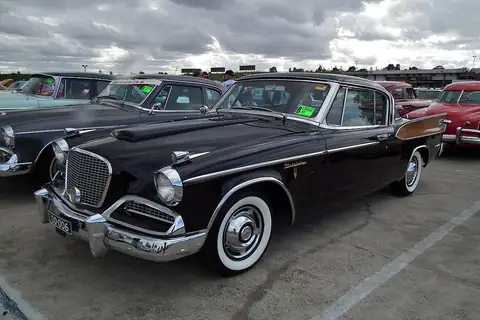
Studebaker · 1958
Golden Hawk (1958)
878 Built
-
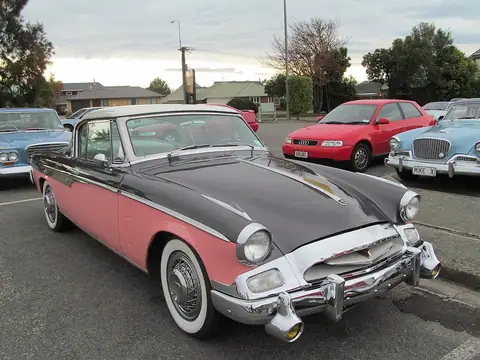
Studebaker · 1955
President Speedster
2,215 Built
-
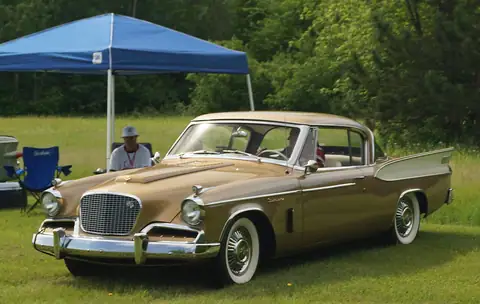
Studebaker · 1957
Golden Hawk (1957)
4,356 Built
See all 15 cars by Studebaker →
More from United States
-
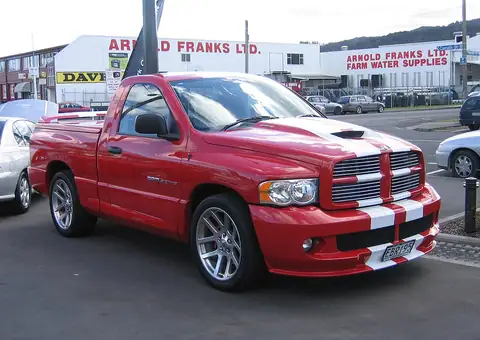
Dodge · 2004
Ram SRT-10
Production not yet verified
-
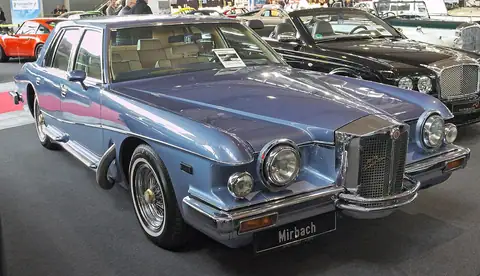
Stutz
IV-Porte
Production not yet verified
-
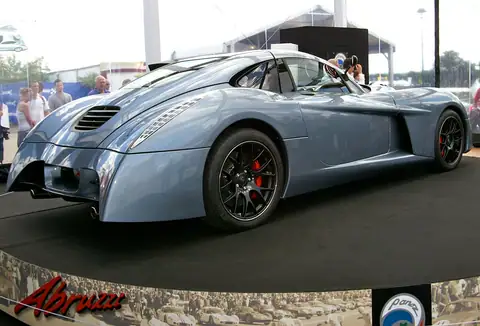
Panoz
Abruzzi
Production not yet verified
-
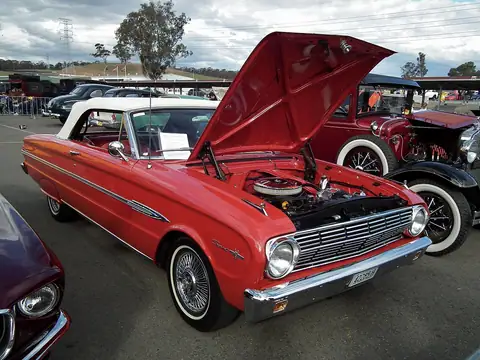
Ford · 1963
Falcon Sprint convertible (1963½)
4,602 Built
141 other makes from United StatesAC PropulsionAcuraAllstateAMCAmerican LaFranceAmerican MotorsAmerican UnderslungApteraArmstrongArnoltAuburnBaldwin-MotionBantamBarris KustomsBendixBerger ChevroletBill ThomasBollingerBremerBuckeyeBuffumBuickCadillacCallawayCastleCheckerChevroletChristieChryslerClenetCodaColumbiaConsulierCordCunninghamCzingerDana ChevroletDean JeffriesDeSotoDetroit ElectricAll makes →