Makes › Weymann · Coachbuilder (carrozzeria) – bodies, not complete cars · France
Weymann
Weymann was the coachbuilding business of aviator Charles Terres Weymann, built around a patented flexible fabric-covered body system launched in 1921. It operated in Paris, England and Indianapolis, and was used by marques including Stutz and Bugatti before metal bodies overtook it.1,2,3
Cars with bodies by Weymann
The car itself is credited to its chassis manufacturer. Open a car to see its individual chassis.
Key facts
History
Charles Terres Weymann launched his flexible fabric-body invention at the 1921 Paris Motor Show, and by 1923 the company had facilities in Paris and London, the British works being at Addlestone, Surrey. In 1926 he set up the Weymann American Body Company in Indianapolis, mainly to build coachwork for Stutz, which operated until the end of 1931 as metal fabrication and high-gloss finishes eroded fabric's advantages. The Paris firm rebodied Bugatti Royale chassis 41.110 as a two-door fixed-head coupé. The British company later evolved into the bus-body maker Metro Cammell Weymann.
1,2,3Milestones
Sources
Each number links to the exact facts it supports.
-
1
Charles Weymann Level B Indianapolis Encyclopedia (IUPUI/Polis Center)
- "1921 Paris Motor Show"
- founded in 1926 to build coachwork for Stutz
- invention launched at the "1921 Paris Motor Show"
- Indianapolis factory on East 22nd Street
- operated from 1926 until the end of 1931
- 1921 Paris launch; Indianapolis 1926–1931; Stutz; reasons for decline
-
2
Charles Weymann Part 1: Aviator, Coachbuilder Level C Simanaitis Says
- 1932 Stutz DV-32 Super Bearcat: Weymann coachwork
- Charles Terres Weymann devised the fabric coachwork technique
- facilities in Paris and London by 1923; British works at "Addlestone, Surrey"
- "evolved into Metro Cammell Weymann"
- Paris and London by 1923; Addlestone; Metro Cammell Weymann
-
3
Bugatti Royale Level C Motor Car History (motor-car.net)
- 41.110 "rebodied by Paris coach builder Weymann"
Beyond Weymann · Keep exploring
More from France
Rare cars by other makes from France – not by Weymann.
-
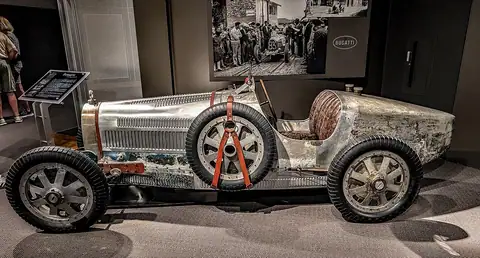
Bugatti · 1924–1931
Type 35 Grand Prix (35 / 35B / 35C / 35T family)
210 Built
-
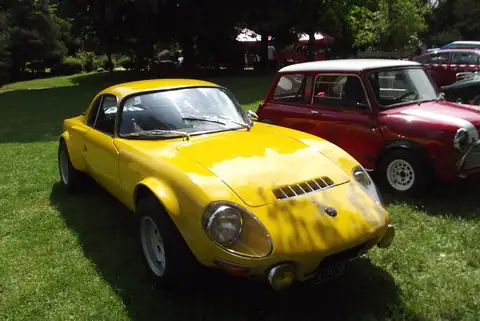
Matra · 1962
Djet
1,495 Built
-
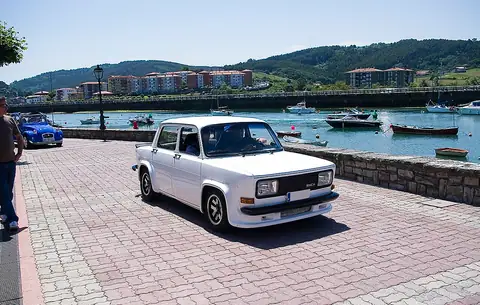
Simca · 1977–1978
1000 Rallye 3
1,000 Built
-
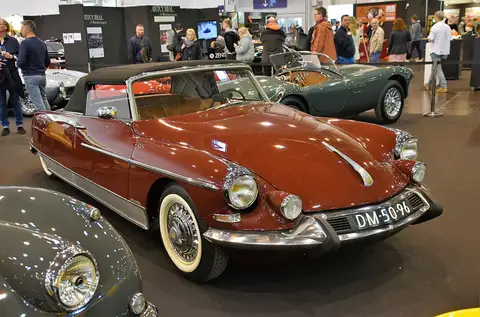
Citroën · 1959–1968
DS "Le Caddy" Cabriolet by Henri Chapron
34 Built
71 other makes from FranceACMAAixamAlcatelAlpineAmilcarArzensAvions VoisinBACBallotBerlietBolloreBuccialiBugattiCGCharron, Girardot et VoigtChenard-WalckerCitroënClément-PanhardDAMSDarracqDBDB (Deutsch-Bonnet)De DietrichDe Dion-BoutonDe Dion, Bouton et TrépardouxDe La ChapelleDelageDelahayeDelaunay-BellevilleDerbyDSExagonFacel VegaFarmanFord FranceGentyGordiniHommellHopiumHotchkissAll makes →