Makes › Aston Martin › 2 Litre › 2 Litre Speed Model · Rare production · 1936–1940 Ultra Rare
Aston Martin
2 Litre Speed Model
Short-run competition-orientated 2-litre model
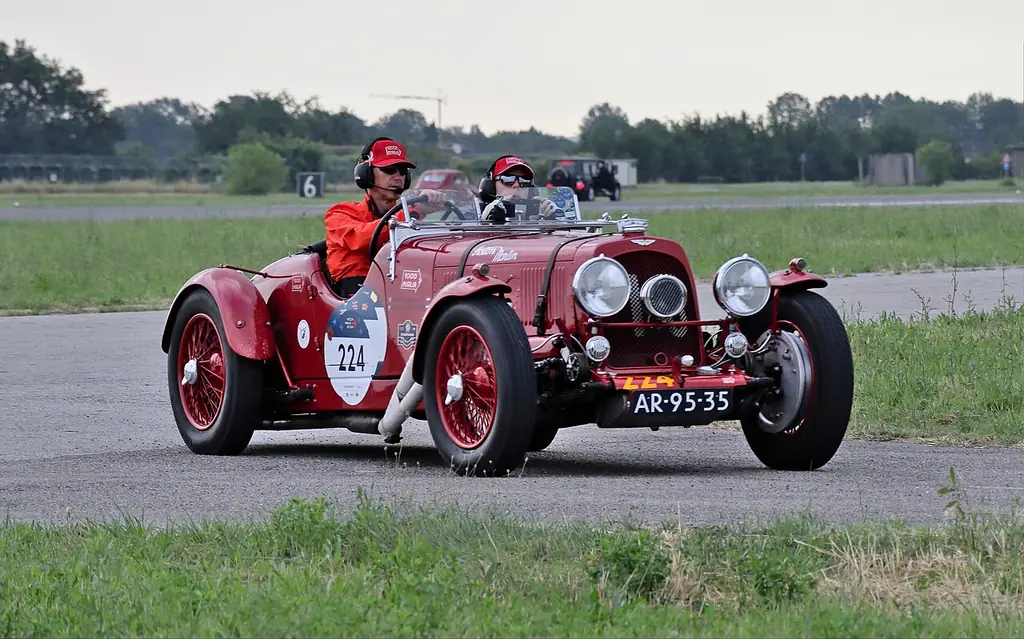
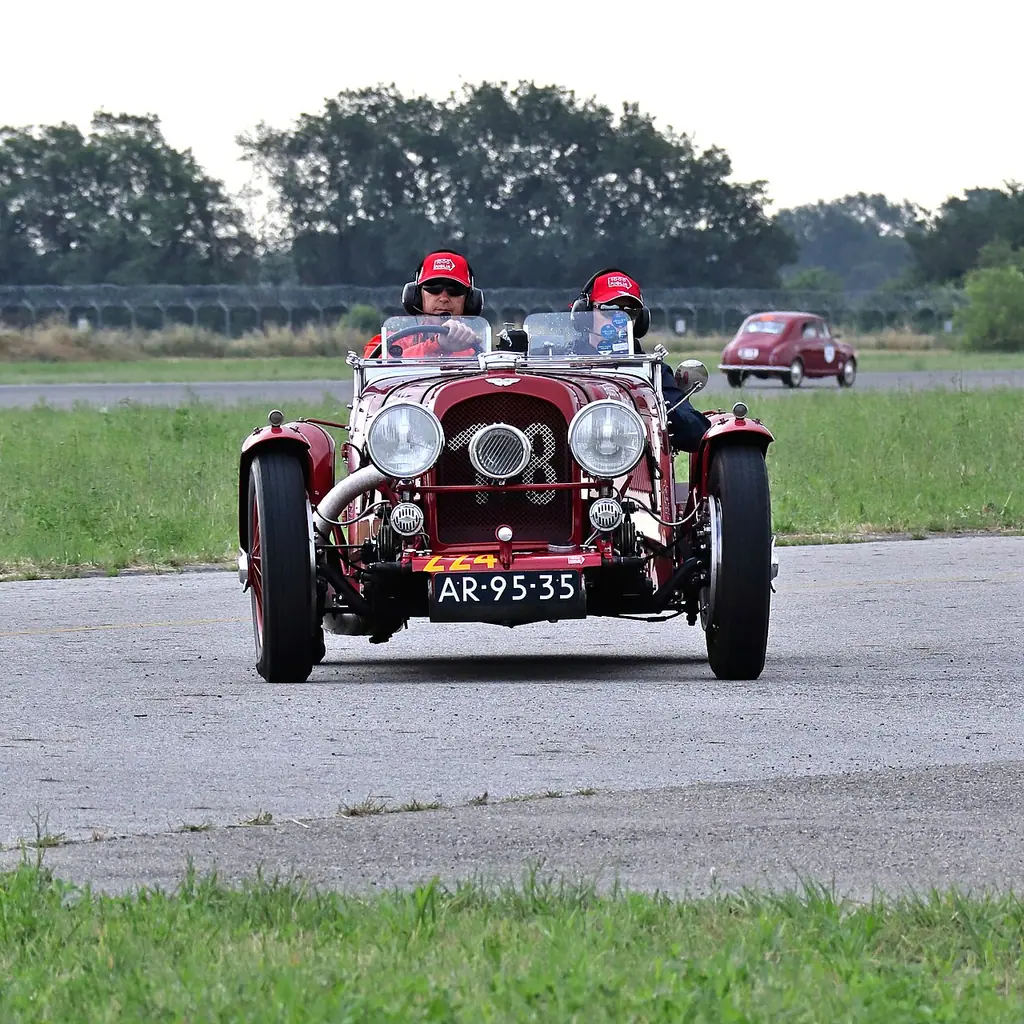
Photo: Terragio67 · CC BY-SA 4.0
Contents
01Overview
At a glance
- Built
- 23 Built
- Years
- 1936–1940
- Engine
- Single overhead camshaft, 8-valve, dry-sump four-cylinder · 1,949.57 cc / 1.9 LFactory: 1,949.57 cc
- Power
- 82 kW / 112 PSFactory: 110 hp · converted
- Top speed
- Not yet verified
- Body
- Not yet verified
- Designer
- Claude Hill (engine)
- In this archive
- Not yet verified
- Surviving
- Not yet verified
Sources and any conflicting figures are in the sections below.
Why it matters
The 2 Litre Speed Model was the competition-orientated car of Aston Martin's Sutherland era, built in a run of only 23 cars. Jock Horsfall's example won the Belgian Grand Prix, which the source calls the only Grand Prix win by an Aston Martin, and his racing car is described as the fastest unsupercharged pre-war Aston Martin.
How rare is it?
Six separate kinds of rarity – never combined into one number.
Each kind of rarity is rated separately and never combined.
Photos
Exterior, interior and detail photos with their licences.
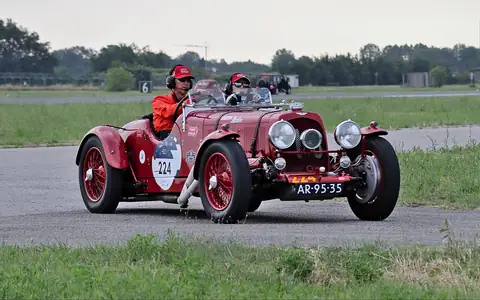 Aston Martin 2 Litre Speed Model (Wikimedia Commons search)
Photo: Terragio67 · CC BY-SA 4.0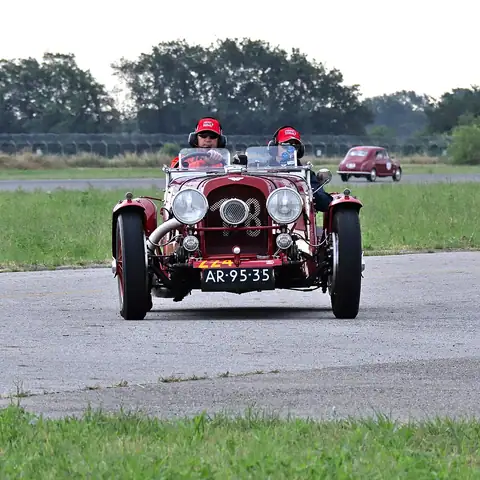 Aston Martin 2 Litre Speed Model (Wikimedia Commons search)
Photo: Terragio67 · CC BY-SA 4.0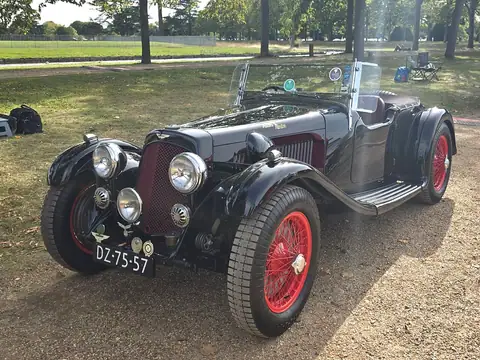 Aston Martin 2 Litre Speed Model (Wikimedia Commons search)
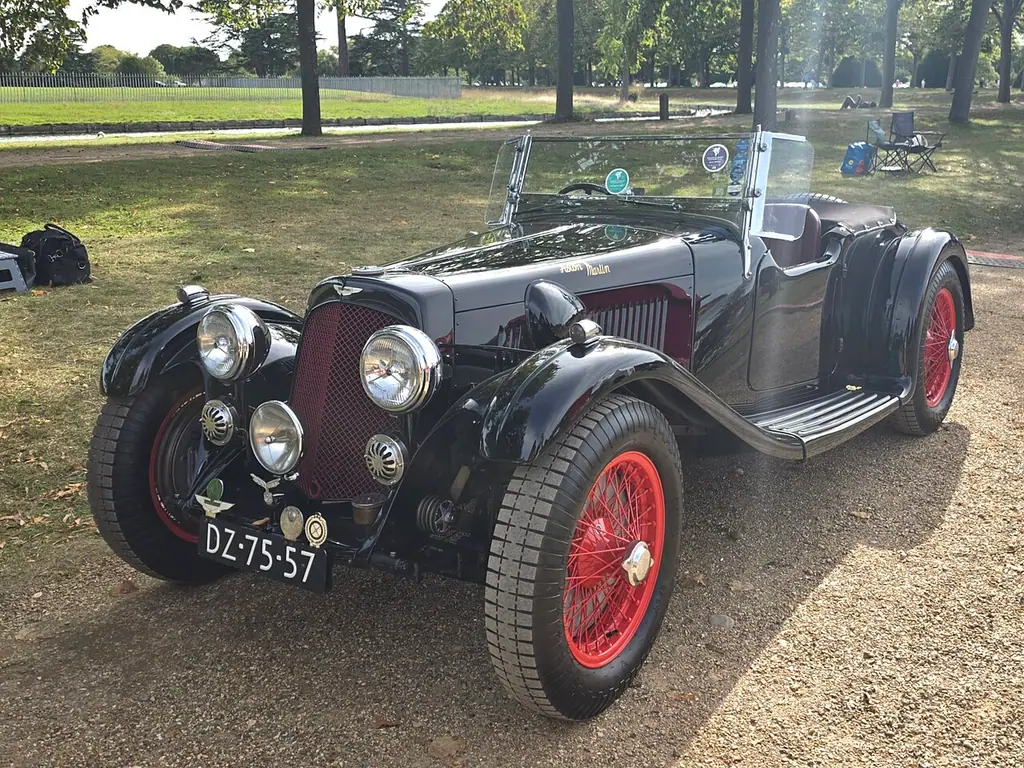
Photo: Calreyn88 · CC BY-SA 4.0


02Production & history
Production
Every figure says what it counts.
| What is counted | Figure | Basis | Status |
|---|---|---|---|
| Total model productioncars in the production run | 231 | Factory production | Independently researched |
Independent counts (e.g. engine and colour) are never combined into a calculated figure. Surviving examples are never presented as original production.
History
The Speed Model used Claude Hill's 1,949.57 cc single-overhead-camshaft, eight-valve dry-sump engine and an Aston Martin-designed racing crash gearbox. Its first season coincided with the cancellation of the 1936 Le Mans race through French industrial action; two new works team cars were designated LM22 and LM23. Cars received three body styles, Type A, B and C, the streamlined Type C prototype being nicknamed 'The Flying Banana'. After the war Jock Horsfall's car took second in class and fourth overall at Spa in 1949.
Variants
How each version differs from the standard 2 Litre Speed Model.
No variants documented yet. Have a source? Contribute it.
03Specifications
Technical specifications
Engine
| Engine family | Not yet verified |
|---|---|
| Engine code | Not yet verified |
| Layout | Single overhead camshaft, 8-valve, dry-sump four-cylinder2 Independently researched |
| Cylinders | 43 Independently researched |
| Displacement | 1,949.57 cc / 1.9 LFactory: 1,949.57 cc2 Independently researched |
| Bore | 78 mmFactory: 78 mm2 Independently researched |
| Stroke | 102 mmFactory: 102 mm2 Independently researched |
| Compression ratio | Not yet verified |
| Valvetrain | Overhead camshaft4 Independently researched |
| Fuel system | Twin SU carburettors3 Independently researched |
| Power | 82 kW / 112 PSFactory: 110 hp · converted2 Independently researchedSource gives bhp, approximate; works engines eventually 125 bhp. |
| Power at | 5,250 rpm2 Independently researched |
| Torque | 149 NmFactory: 110 lb-ft · converted2 Independently researched |
Transmission & drivetrain
| Gearbox | Aston Martin-designed racing crash gearbox, straight-cut close-ratio gears, Borg and Beck dry-plate clutch2 Independently researched |
|---|---|
| Gears | 43 Independently researchedWording is from the 727U lot; Bonhams (Red Dragon) describes the gearbox as in unit with the engine. |
| Driven wheels | Not yet verified |
Chassis, body & dimensions
| Chassis | Mark II-type frame, down-swept beneath the rear axle and upswept over the front; wider and more rigidly cross-braced5 Independently researched |
|---|---|
| Front suspension | Live front axle on Silentbloc-bushed trunnions; torque reaction controlled by tension cables5,3 Independently researched |
| Rear suspension | Not yet verified |
| Brakes | Four-wheel hydraulic drum brakes (Lockheed, twin master cylinders)5,3 Independently researched |
| Steering | Not yet verified |
| Body construction | Not yet verified |
| Wheelbase | 2,590 mmFactory: 102 in · converted5 Independently researched |
| Length | Not yet verified |
| Width | Not yet verified |
| Height | Not yet verified |
| Front track | Not yet verified |
| Rear track | Not yet verified |
| Kerb weight | Not yet verified |
| Dry weight | Not yet verified |
Performance
| Maximum speed | Not yet verified |
|---|---|
| 0–100 km/h | Not yet verified |
| Fuel tank | Not yet verified |
“Not yet verified” means no source has been checked for that value yet. Nothing is estimated to fill a gap.
04Colours & options
Factory colours & interiors
Original paint and trim, with the number of cars in each where a source gives it.
Not yet documented. Have a source? Contribute it.
Factory options & codes
Codes are shown exactly as written by the manufacturer.
Not yet documented. Have a source? Contribute it.
05Individual cars
Chassis register
Every documented car, with its colours, history and where it is now. Open a row for the full record. Known chassis are not automatically authenticated originals.
Not yet documented. Have a source? Contribute it.
Competition history
Every race result of the individual cars, in date order. Click a chassis number to open its full record in the register.
Not yet documented. Have a source? Contribute it.
Auction & sale history
Documented public sales of the individual cars. Click a chassis number to open its full record in the register.
Not yet documented. Have a source? Contribute it.
See one in person
Museums where an example of this car can be seen.
No example is documented on public display yet. Have a source? Contribute it.
06Reference
Identification guide
How to tell an original from a replica or later conversion.
Speed Model chassis numbers carry the same 'U' suffix as the 1½-litre Ulster. Bodies were Type A (E. Bertelli Ltd 2/4-seater), Type B (Abbey Coachworks two-seater) or Type C (steel-framed streamlined body). The two 1936 works team cars were numbered LM22 and LM23.
Sources
Each number links to the exact facts it supports.
- 1
-
2
2 Litre Speed Model Level B Ecurie Bertelli
- single overhead camshaft, 8 valve engine with dry sump
- Bore 78 mm, stroke 102 mm, 1949.57 cc
- Bore 78 mm, stroke 102 mm
- approximately 110 bhp at 5250 rpm
- approximately 110 lbft at 5500 rpm
- Aston Martin designed racing crash gearbox
-
3
1939 Aston Martin 2-Litre 'Brooklands' Speed Model, Salon Prive, lot 130 Level C RM Sotheby's
- inline four-cylinder Speed-Model engine
- twin SU carburettors
- four-speed manual competition gearbox
- live front and rear axles
- four-wheel hydraulic drum brakes
-
4
1936 Aston Martin 2-Litre Speed Model Competition Two-Seater, chassis L6/713/U Level C Bonhams
- new overhead-camshaft 2-Litre model
-
5
1936 Aston Martin 2-Litre Speed Model 'Red Dragon', chassis H6/711/U Level C Bonhams · 2016-09-10
- It was wider, and more rigidly cross-braced
- front axle was mounted via 'Silentbloc' bushed trunnions
- Lockheed hydraulic brakes with twin master cylinders were adopted
- 102-inches, 260cm, wheelbase matched the Ulster's
Keep exploring
More from Aston Martin
-
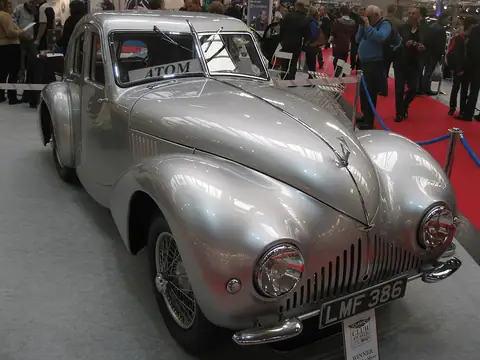
Aston Martin · 1939–1940
Atom
1 Built
-
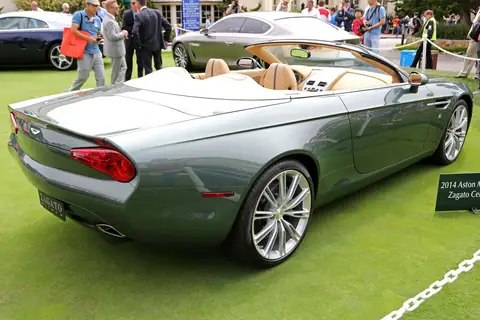
Aston Martin · 2013
DB9 Spyder Zagato Centennial
1 Built
-
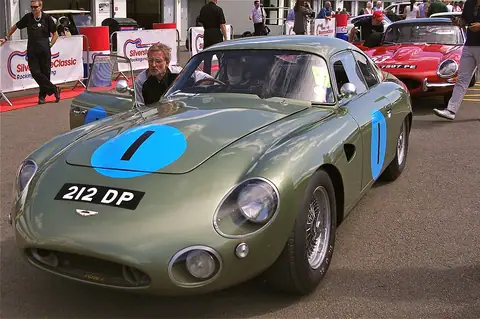
Aston Martin · 1962
DP212
1 Built
-
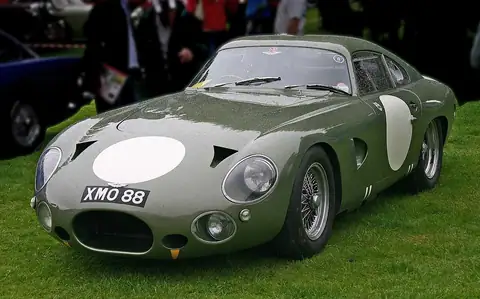
Aston Martin · 1963
DP215
1 Built
See all 183 cars by Aston Martin →
More from United Kingdom
-
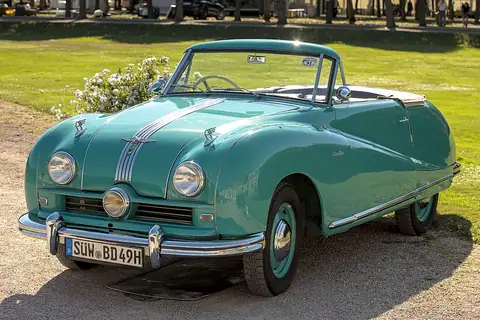
Austin · 1948–1952
A90 Atlantic
7,981 Built
-
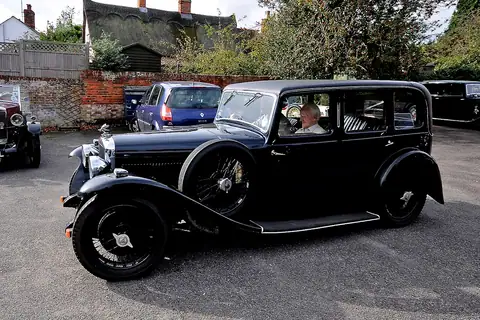
Alvis · 1931–1932
12/60
229 Built
-
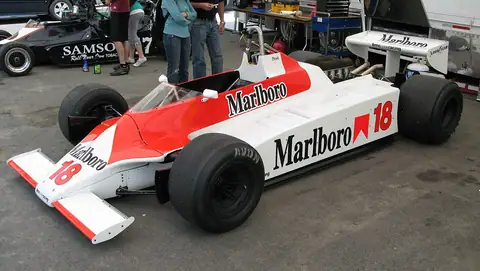
McLaren
M30 (1980)
Production not yet verified
-
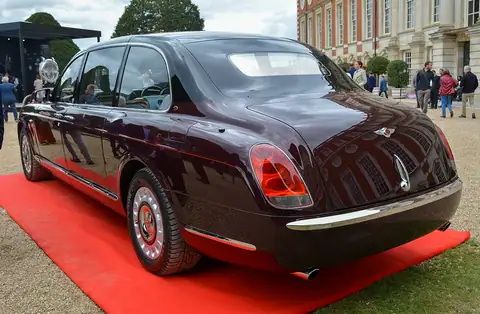
Bentley · 2002
State Limousine
2 Built
134 other makes from United KingdomACAiredaleAlan Mann RacingAllardAlvisArabArashArielArmstrong SiddeleyArrowsAscariAtalantaAtlantisAustinAustin-HealeyBedfordBentleyBerkeleyBluebirdBMCBondBrabhamBristolBritish LeylandBroadspeedBrookeBrough SuperiorCampbell-RailtonCaparoCaterhamChevronConnaughtCooperCrayfordDaimlerDavid BrownDawsonDeLoreanDuttonElvaAll makes →