Makes › Aston Martin › AMR1 · Factory competition · 1989 Ultra Rare
Aston Martin
AMR1
Factory Group C prototype of Aston Martin's 1989 World Sportscar Championship return.
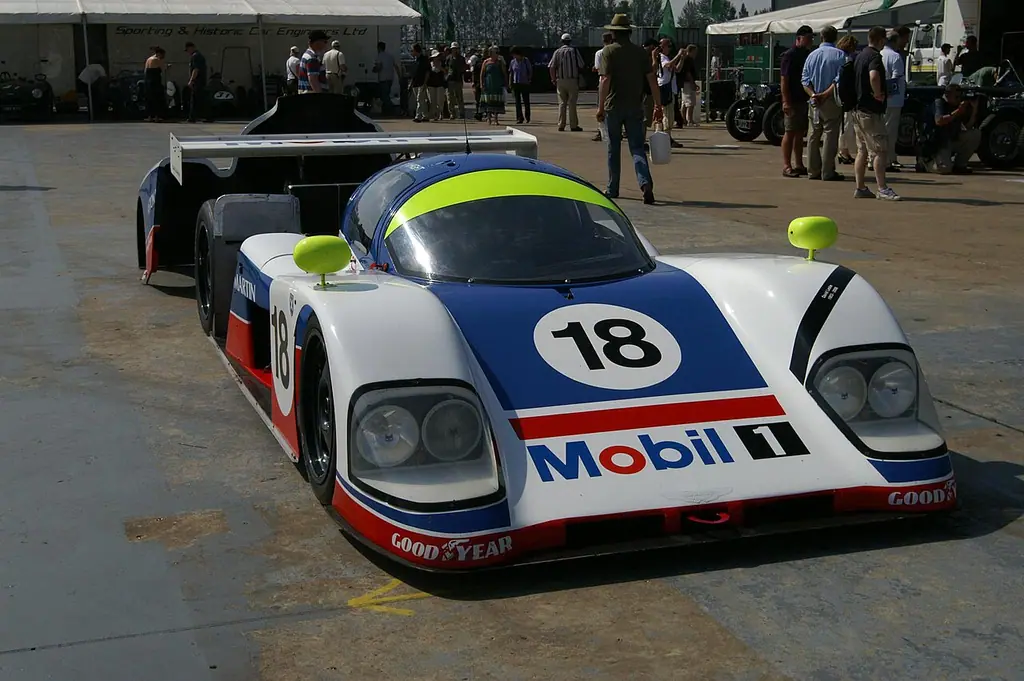
Photo: David Merrett from Daventry, England · CC BY 2.0

Contents
01Overview
At a glance
- Built
- 5 Built
- Years
- 1989
- Engine
- Mid-mounted, longitudinal 90º V8 (Aston Martin / Callaway) · 6,300 cc / 6.3 LFactory: 6,300 cc
- Power
- 522 kW / 710 PSFactory: 700 hp · converted
- Top speed
- 350 km/hFactory: 350 km/h
- Body
- Not yet verified
- Designer
- Max Boxstrom
- In this archive
- Not yet verified
- Surviving
- 4 (independently researched)
Sources and any conflicting figures are in the sections below.
Why it matters
The AMR1 was Aston Martin's 1989 factory sports-prototype racing car, of which five were built. It combined a carbon fibre monocoque with a mid-mounted 6.3-litre V8 developed with Callaway, rated at 700 bhp.
How rare is it?
Six separate kinds of rarity – never combined into one number.
Each kind of rarity is rated separately and never combined.
02Production & history
Production
Every figure says what it counts.
| What is counted | Figure | Basis | Status |
|---|---|---|---|
| Total model productionRM Sotheby's calls chassis 04 one of only four AMR1s in existence | 43 | Surviving examples | Independently researched |
| Total model productionbuilt (chassis 01–05) | 51,2 | Factory production | Registry reported |
Independent counts (e.g. engine and colour) are never combined into a calculated figure. Surviving examples are never presented as original production.
History
The AMR1 came out of a plan made in 1987 to bring Aston Martin back to top-level sports car racing. A joint venture with Ecurie Ecosse built a Group C car, managed by Proteus Technology under Richard Williams and Ray Mallock and backed by Peter Livanos. The prototype, chassis 01, was shown to the Aston Martin board in October 1988 and the car debuted at Dijon in May 1989, finishing 17th.
It ran in the 1989 World Sports-Prototype Championship, took fourth at Brands Hatch with the lightweight chassis 04, and helped Aston Martin to sixth in the standings. Changes to Group C regulations and the cost of a new engine ended the programme in early 1990, before the planned AMR2 raced.
Variants
How each version differs from the standard AMR1.
No variants documented yet. Have a source? Contribute it.
03Specifications
Technical specifications
Engine
| Engine manufacturer | Callaway Engineering (Reeves Callaway)1 Independently researched |
|---|---|
| Engine family | Not yet verified |
| Engine code | RDP871 Independently researched |
| Layout | Mid-mounted, longitudinal 90º V8 (Aston Martin / Callaway)4 Independently researched |
| Cylinders | 81 Independently researched |
| Displacement | 6,300 cc / 6.3 LFactory: 6,300 cc4 Independently researched |
| Bore | Not yet verified |
| Stroke | Not yet verified |
| Compression ratio | Not yet verified |
| Valvetrain | Chain-driven four-cam, 32 valves1 Independently researched |
| Fuel system | Not yet verified |
| Induction | Naturally aspirated1 Independently researched |
| Power | 522 kW / 710 PSFactory: 700 hp · converted4 Independently researched |
| Power at | 8,000 rpm4 Independently researched |
| Torque | Not yet verified |
Transmission & drivetrain
| Manufacturer | Aston Martin special casing around Hewland VGC internals5 Independently researched |
|---|---|
| Gearbox | 5-speed manual4 Independently researched |
| Gears | 54 Independently researched |
| Driven wheels | Rear4 Independently researched |
Chassis, body & dimensions
| Chassis | Carbon fibre monocoque4 Independently researched |
|---|---|
| Front suspension | Independent double wishbones, coil springs and dampers5 Independently researched |
| Rear suspension | Independent double wishbones, inboard coil springs and dampers5 Independently researched |
| Brakes | Cross-drilled ventilated AP discs5 Independently researched |
| Steering | Not yet verified |
| Body construction | Not yet verified |
| Wheelbase | 2,896 mmFactory: 2,896 mm5 Independently researched |
| Length | Not yet verified |
| Width | Not yet verified |
| Height | Not yet verified |
| Front track | 1,600 mmFactory: 1,600 mm5 Independently researched |
| Rear track | 1,524 mmFactory: 1,524 mm5 Independently researched |
| Kerb weight | Not yet verified |
| Dry weight | 980 kgFactory: 980 kg5 Independently researchedInitial weight of the early car; chassis 04 is recorded at about 920 kg and the brochure quotes about 900 kg. |
Performance
| Maximum speed | 350 km/hFactory: 350 km/h4 Independently researched |
|---|---|
| 0–100 km/h | Not yet verified |
| Fuel tank | 100 LFactory: 100 L3 Independently researchedSupercar Nostalgia gives a 50-litre tank in each sill (two tanks). |
“Not yet verified” means no source has been checked for that value yet. Nothing is estimated to fill a gap.
04Colours & options
Factory colours & interiors
Original paint and trim, with the number of cars in each where a source gives it.
Not yet documented. Have a source? Contribute it.
Factory options & codes
Codes are shown exactly as written by the manufacturer.
Not yet documented. Have a source? Contribute it.
05Individual cars
Chassis register
Every documented car, with its colours, history and where it is now. Open a row for the full record. Known chassis are not automatically authenticated originals.
Not yet documented. Have a source? Contribute it.
Competition history
Every race result of the individual cars, in date order. Click a chassis number to open its full record in the register.
Not yet documented. Have a source? Contribute it.
Auction & sale history
Documented public sales of the individual cars. Click a chassis number to open its full record in the register.
Not yet documented. Have a source? Contribute it.
See one in person
Museums where an example of this car can be seen.
No example is documented on public display yet. Have a source? Contribute it.
06Reference
Identification guide
How to tell an original from a replica or later conversion.
Chassis are numbered AMR1/01 to AMR1/04 (chassis 02 was written off in a test crash). AMR1/04 is described as the Lightweight at about 920 kg, against a brochure weight of about 900 kg, while the prototype 01 was much heavier. Genuine cars use the carbon-fibre and Kevlar monocoque with aluminium honeycomb floors, a Callaway-developed 32-valve four-cam V8, a five-speed transaxle with unequal-length driveshafts in a Hewland VGC-based casing, and the engine and gearbox tilted at the rear to suit the underbody venturis. Sources disagree on how many were built, so any claimed fifth chassis needs documents.
Sources
Each number links to the exact facts it supports.
-
1
1989 Aston Martin AMR1 Level B Supercars.net
- five AMR1 chassis were constructed in 1989
- developed by Reeves Callaway's Callaway Engineering
- The engine was the RDP87
- Aston Martin V8 enlarged to 6.0 liters
- chain-driven four-cam layout with 32 valves
- the Aston V8 was naturally aspirated
- 2
-
3
1989 Aston Martin AMR1 Group C (chassis AMR1/04) Level C RM Sotheby's, Monterey 2017
- one of only four AMR1s in existence
- A 100-liter fuel cell
-
4
Aston Martin AMR1 specifications Level C Ultimatecarpage.com
- Aston Martin / Callaway 90º V8
- 6,300 cc / 384.4 cu in
- 700 bhp / 522 kW @ 8,000 rpm
- 5 speed Manual
- rear wheel drive
- carbon fibre monocoque
- 350 km/h (217 mph)
-
5
Guide: Aston Martin AMR1 - a Historical & Technical Appraisal Level B Supercar Nostalgia
- custom gearbox casing designed around Hewland VGC internals
- independent double wishbone suspension
- coil springs and dampers (inboard at the rear)
- cross-drilled and ventilated AP disc brakes
- wheelbase was 2896mm
- Track was 1600mm up front
- 1524mm at the rear
- Weight was initially 980kg
Keep exploring
More from Aston Martin
-
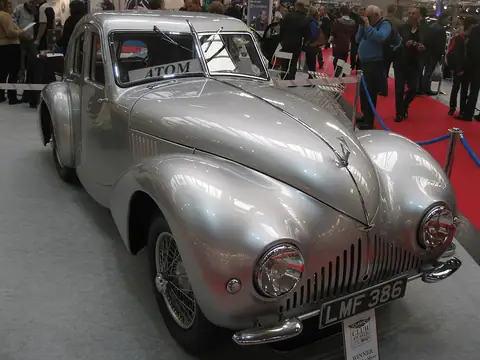
Aston Martin · 1939–1940
Atom
1 Built
-
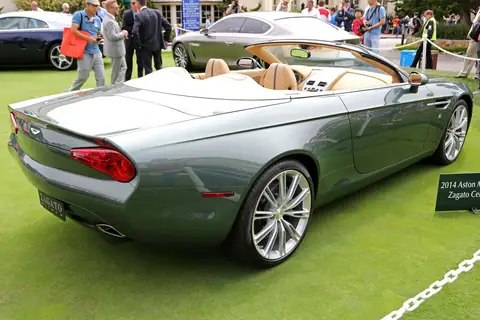
Aston Martin · 2013
DB9 Spyder Zagato Centennial
1 Built
-
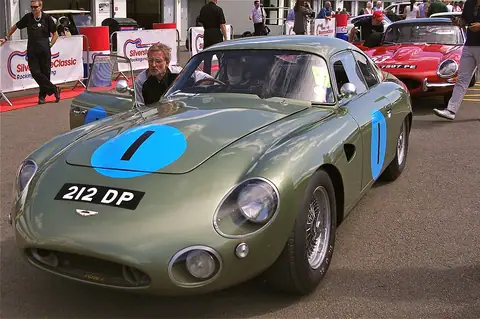
Aston Martin · 1962
DP212
1 Built
-
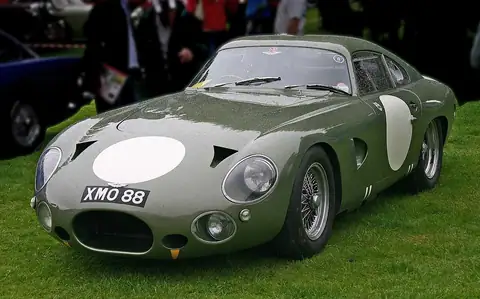
Aston Martin · 1963
DP215
1 Built
See all 183 cars by Aston Martin →
More from United Kingdom
-
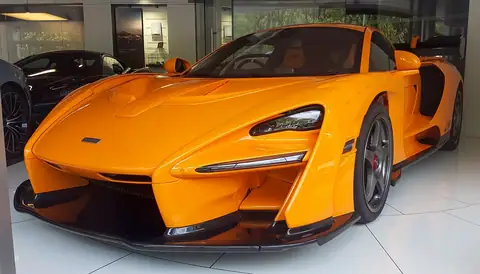
McLaren · 2019–2020
Senna LM
20 Built
-
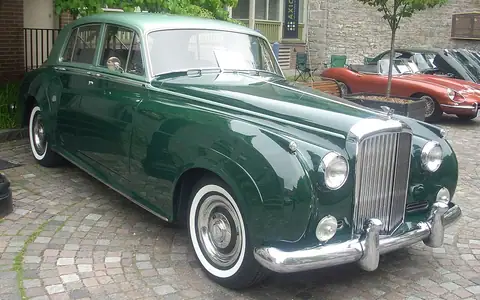
Bentley
S1 (1955-1959)
Production not yet verified
-
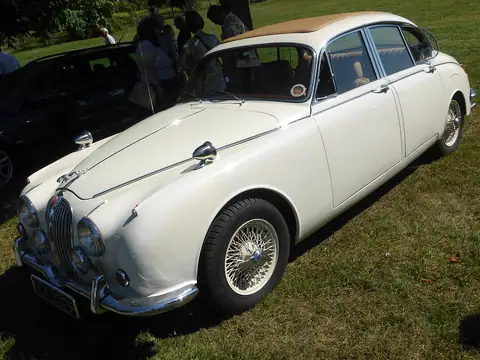
Jaguar
Jaguar 340
Production not yet verified
-
Peel
Viking Sport (1970)
Production not yet verified
134 other makes from United KingdomACAiredaleAlan Mann RacingAllardAlvisArabArashArielArmstrong SiddeleyArrowsAscariAtalantaAtlantisAustinAustin-HealeyBedfordBentleyBerkeleyBluebirdBMCBondBrabhamBristolBritish LeylandBroadspeedBrookeBrough SuperiorCampbell-RailtonCaparoCaterhamChevronConnaughtCooperCrayfordDaimlerDavid BrownDawsonDeLoreanDuttonElvaAll makes →