Makes › Aston Martin › DBR9 · Coachbuilt · 2005
Aston Martin
DBR9
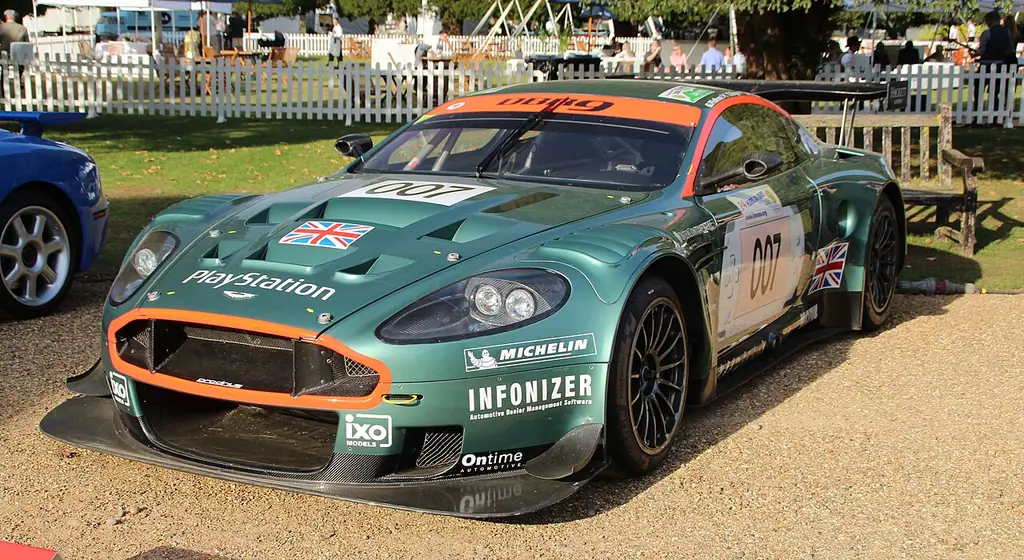
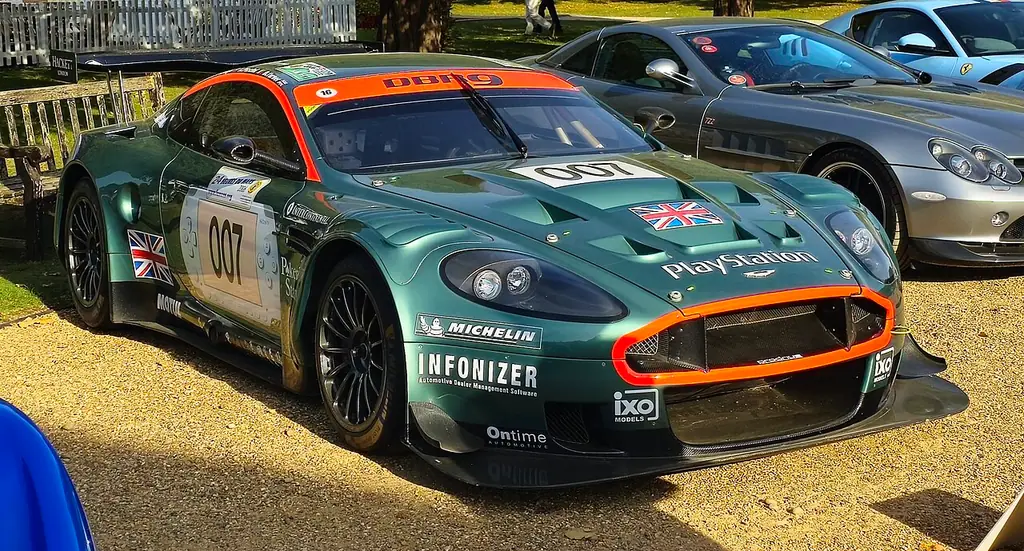
GT1 racing car of Aston Martin Racing.
Still being researched: full specifications. Everything shown is checked against the cited sources. Know more? Send us a source.
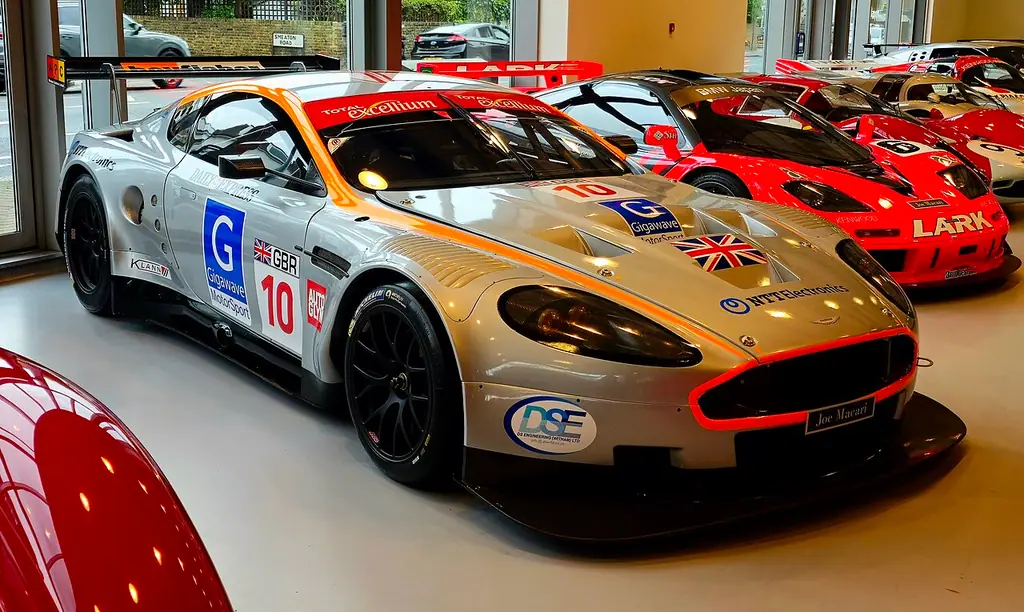
Photo: Calreyn88 · CC BY-SA 4.0
Contents
01Overview
At a glance
- Built
- Not yet verified
- Years
- 2005
- Engine
- Not yet verified
- Power
- 447 kW / 608 PSFactory: 600 hp · converted
- Top speed
- Not yet verified
- Body
- Not yet verified
- Designer
- Aston Martin Racing drawing office, led by Ian Ludgate
- In this archive
- Not yet verified
- Surviving
- Not yet verified
Sources and any conflicting figures are in the sections below.
Why it matters
The DBR9 was Aston Martin's GT1 racing car, a race-built version of the DB9 developed with Prodrive for Aston Martin Racing. Only 32 were planned, so it was a small run, yet it was the best rival of the Corvette C6.R and won its class at Le Mans in 2007.
How rare is it?
Six separate kinds of rarity – never combined into one number.
Each kind of rarity is rated separately and never combined.
Photos
Exterior, interior and detail photos with their licences.
 Aston Martin DBR9 (Wikimedia Commons search)
Photo: Calreyn88 · CC BY-SA 4.0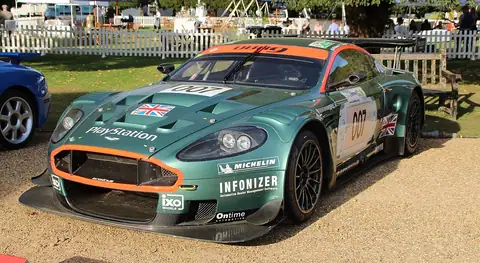 Aston Martin DBR9 (Wikimedia Commons search)
Photo: Calreyn88 · CC BY-SA 4.0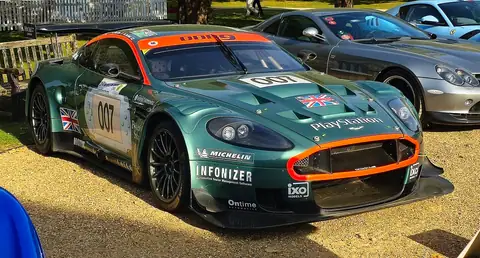 Aston Martin DBR9 (Wikimedia Commons search)
Photo: Calreyn88 · CC BY-SA 4.0


02Production & history
Production
Every figure says what it counts.
No production figures recorded yet.
History
Aston Martin Racing, a joint venture between the vehicle manufacturer and Prodrive, built the cars at Prodrive's Banbury operation. The team converted a DB9 into a racer by keeping its bonded aluminium chassis cab in near standard form, and the body was carbon fibre and aluminium.
The programme was planned as 12 works cars and 20 customer cars. The first outing gave a GT1 class win at the 12 Hours of Sebring, and later works cars were run by privateers under factory conditions. The first chassis began its career with a win, according to the endurance-series history.
Chassis number 10 won the 2007 Le Mans 24 Hours in the LM GT1 class and finished fifth overall. In 2010 customer teams such as Hexis Racing raced the cars in the FIA GT1 World Championship.
Variants
How each version differs from the standard DBR9.
No variants documented yet. Have a source? Contribute it.
03Specifications
Technical specifications
Engine
| Engine family | Not yet verified |
|---|---|
| Engine code | Not yet verified |
| Layout | Not yet verified |
| Displacement | Not yet verified |
| Bore | Not yet verified |
| Stroke | Not yet verified |
| Compression ratio | Not yet verified |
| Fuel system | Not yet verified |
| Power | 447 kW / 608 PSFactory: 600 hp · converted1 Independently researchedMagazine figure for the racing version, stated as 600bhp; no rating standard given. |
| Power at | Not yet verified |
| Torque | Not yet verified |
Transmission & drivetrain
| Gearbox | Not yet verified |
|---|---|
| Gears | Not yet verified |
| Driven wheels | Not yet verified |
Chassis, body & dimensions
| Chassis | Bonded aluminium chassis cab from the DB9, used in near standard form1 Independently researched |
|---|---|
| Front suspension | Not yet verified |
| Rear suspension | Not yet verified |
| Brakes | Not yet verified |
| Steering | Not yet verified |
| Body construction | Carbon fibre and aluminium body1 Independently researched |
| Wheelbase | Not yet verified |
| Length | Not yet verified |
| Width | Not yet verified |
| Height | Not yet verified |
| Front track | Not yet verified |
| Rear track | Not yet verified |
| Kerb weight | Not yet verified |
| Dry weight | Not yet verified |
Performance
| Maximum speed | Not yet verified |
|---|---|
| 0–100 km/h | Not yet verified |
| Fuel tank | Not yet verified |
“Not yet verified” means no source has been checked for that value yet. Nothing is estimated to fill a gap.
04Colours & options
Factory colours & interiors
Original paint and trim, with the number of cars in each where a source gives it.
Not yet documented. Have a source? Contribute it.
Factory options & codes
Codes are shown exactly as written by the manufacturer.
Not yet documented. Have a source? Contribute it.
05Individual cars
Chassis register
Every documented car, with its colours, history and where it is now. Open a row for the full record. Known chassis are not automatically authenticated originals.
Not yet documented. Have a source? Contribute it.
Competition history
Every race result of the individual cars, in date order. Click a chassis number to open its full record in the register.
Not yet documented. Have a source? Contribute it.
Auction & sale history
Documented public sales of the individual cars. Click a chassis number to open its full record in the register.
Not yet documented. Have a source? Contribute it.
See one in person
Museums where an example of this car can be seen.
No example is documented on public display yet. Have a source? Contribute it.
06Reference
Identification guide
How to tell an original from a replica or later conversion.
Being verified against factory or registry sources before it is published. Have a source? Contribute it.
Sources
Each number links to the exact facts it supports.
-
1
Aston Martin DBR9 Level C Ian Wagstaff · Racecar Engineering · 2007-12-19
- a 600bhp carbon fibre and aluminium version of the DB9
- bonded aluminium chassis cab is used in near standard form
Keep exploring
More from Aston Martin
-
Aston Martin · 1939–1940
Atom
1 Built
-
Aston Martin · 2013
DB9 Spyder Zagato Centennial
1 Built
-
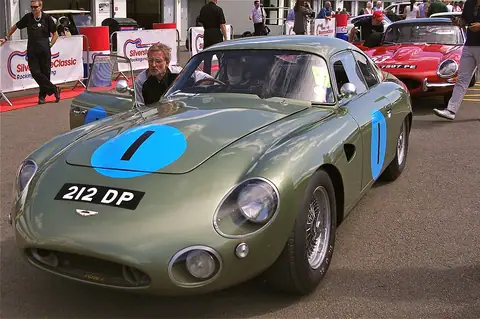
Aston Martin · 1962
DP212
1 Built
-
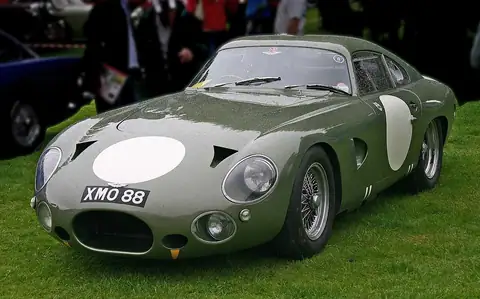
Aston Martin · 1963
DP215
1 Built
See all 183 cars by Aston Martin →
More from United Kingdom
-
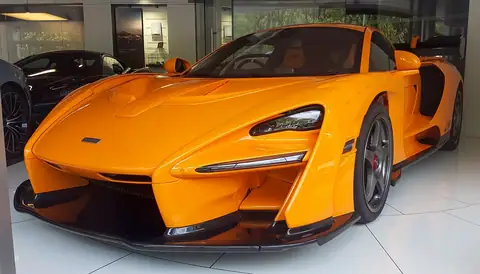
McLaren · 2019–2020
Senna LM
20 Built
-
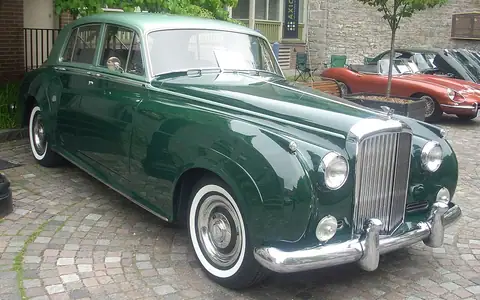
Bentley
S1 (1955-1959)
Production not yet verified
-
Jaguar
Jaguar 340
Production not yet verified
-
Peel
Viking Sport (1970)
Production not yet verified
134 other makes from United KingdomACAiredaleAlan Mann RacingAllardAlvisArabArashArielArmstrong SiddeleyArrowsAscariAtalantaAtlantisAustinAustin-HealeyBedfordBentleyBerkeleyBluebirdBMCBondBrabhamBristolBritish LeylandBroadspeedBrookeBrough SuperiorCampbell-RailtonCaparoCaterhamChevronConnaughtCooperCrayfordDaimlerDavid BrownDawsonDeLoreanDuttonElvaAll makes →