Makes › Aston Martin › DP214 · Factory competition · 1963 Ultra Rare
Aston Martin
DP214
Two DB4GT-numbered works GT prototypes for 1963
Still being researched: full specifications. Everything shown is checked against the cited sources. Know more? Send us a source.
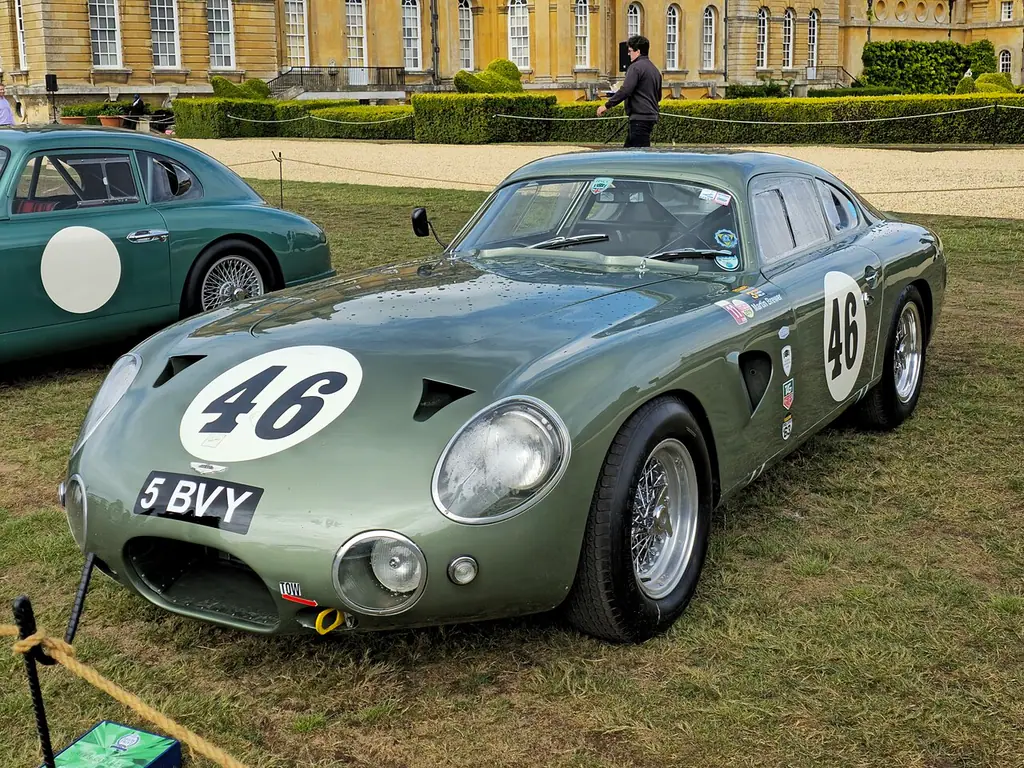
Photo: Calreyn88 · CC BY-SA 4.0
Contents
01Overview
At a glance
- Built
- 2 Built
- Years
- 1963
- Engine
- 3,760 cc / 3.8 LFactory: 3,760 cc
- Power
- 236 kW / 321 PSFactory: 317 hp · converted
- Top speed
- 299 km/hFactory: 186 mph · converted
- Body
- Not yet verified
- Designer
- Ted Cutting
- In this archive
- Not yet verified
- Surviving
- 1 (independently researched)
Sources and any conflicting figures are in the sections below.
Why it matters
The two DP214s were Aston Martin works GT cars built to take on Ferrari's GT entries. Although each carried a DB4GT chassis number to satisfy the regulations, the chassis was entirely different from standard. At Monza, Roy Salvadori's DP214 beat the works Ferrari 250 GTO.
How rare is it?
Six separate kinds of rarity – never combined into one number.
Each kind of rarity is rated separately and never combined.
Photos
Exterior, interior and detail photos with their licences.
 Aston Martin DP214 (Wikimedia Commons: Aston Martin DP214)
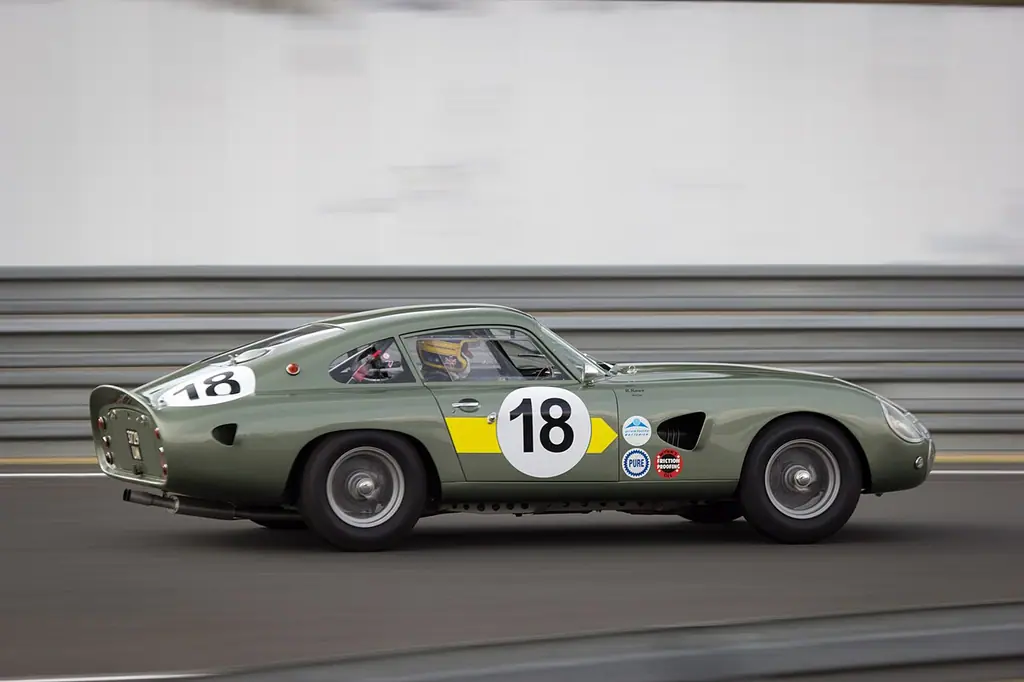
Photo: Calreyn88 · CC BY-SA 4.0 Aston Martin DP214 (Wikimedia Commons: Aston Martin DP214)
Photo: Kevin Decherf from Nantes, France · CC BY-SA 2.0


02Production & history
Production
Every figure says what it counts.
| What is counted | Figure | Basis | Status |
|---|---|---|---|
| Total model productionOf the two works DP214s (chassis 0194 and 0195) only 0194 survives, in a private collection; 0195 was destroyed after a 1964 crash | 13 | Surviving examples | Independently researched |
| Total model productionDP214 project cars created | 21,2 | Factory production | Independently researched |
Independent counts (e.g. engine and colour) are never combined into a calculated figure. Surviving examples are never presented as original production.
History
The DP214s followed DP212 with a further enlarged engine moved back eight inches, a David Brown S432 four-speed gearbox, and a weight 13 kg below DP212. Both cars raced through the 1963 and 1964 seasons. They won the Coppa Inter-Europa and the Coupes de Paris, and at Monza in the three-hour race supporting the Italian GP Salvadori's car beat the works 250 GTO.
Variants
How each version differs from the standard DP214.
No variants documented yet. Have a source? Contribute it.
03Specifications
Technical specifications
Engine
| Engine family | Not yet verified |
|---|---|
| Engine code | Not yet verified |
| Layout | Not yet verified |
| Displacement | 3,760 cc / 3.8 LFactory: 3,760 cc3 Independently researchedCapacity of the engine in the surviving car 0194 as stated by Bonhams; the replica is built to about 3.8 L with the permitted 1 mm Le Mans overbore. RM states only that capacity was increased over DP212. |
| Bore | Not yet verified |
| Stroke | Not yet verified |
| Compression ratio | Not yet verified |
| Fuel system | Not yet verified |
| Power | 236 kW / 321 PSFactory: 317 hp · converted1 Independently researchedStated as bhp. |
| Power at | Not yet verified |
| Torque | Not yet verified |
Transmission & drivetrain
| Gearbox | David Brown S432 four-speed4 Independently researched |
|---|---|
| Gears | 44 Independently researched |
| Driven wheels | Not yet verified |
Chassis, body & dimensions
| Chassis | Box-section frame, drilled for lightness, with aluminium floorpans5 Independently researched |
|---|---|
| Front suspension | Not yet verified |
| Rear suspension | Not yet verified |
| Brakes | Not yet verified |
| Steering | Not yet verified |
| Body construction | Not yet verified |
| Wheelbase | Not yet verified |
| Length | Not yet verified |
| Width | Not yet verified |
| Height | Not yet verified |
| Front track | Not yet verified |
| Rear track | Not yet verified |
| Kerb weight | Not yet verified |
| Dry weight | Not yet verified |
Performance
| Maximum speed | 299 km/hFactory: 186 mph · converted6 Independently researchedMulsanne speed at Le Mans, per Supercars.net. |
|---|---|
| 0–100 km/h | Not yet verified |
| Fuel tank | Not yet verified |
“Not yet verified” means no source has been checked for that value yet. Nothing is estimated to fill a gap.
04Colours & options
Factory colours & interiors
Original paint and trim, with the number of cars in each where a source gives it.
Not yet documented. Have a source? Contribute it.
Factory options & codes
Codes are shown exactly as written by the manufacturer.
Not yet documented. Have a source? Contribute it.
05Individual cars
Chassis register
Every documented car, with its colours, history and where it is now. Open a row for the full record. Known chassis are not automatically authenticated originals.
Not yet documented. Have a source? Contribute it.
Competition history
Every race result of the individual cars, in date order. Click a chassis number to open its full record in the register.
Not yet documented. Have a source? Contribute it.
Auction & sale history
Documented public sales of the individual cars. Click a chassis number to open its full record in the register.
Not yet documented. Have a source? Contribute it.
See one in person
Museums where an example of this car can be seen.
No example is documented on public display yet. Have a source? Contribute it.
06Reference
Identification guide
How to tell an original from a replica or later conversion.
The two works cars carried DB4 GT chassis numbers, 0194 and 0195, to satisfy GT regulations, although the frames were not standard DB4 GT items: the box-section chassis was drilled and fitted with aluminium floorpans, and the engine sat eight inches further back. The bodywork has a low nose cone with a smaller radiator opening and a large Kamm tail. At Daytona in 1964 chassis 0195 wore a pale orange nose and door stripes to tell it from 0194. Only 0194 survives; 0195 was scrapped after its 1964 Nurburgring crash. Three replicas exist: one built in 1991 and wrongly presented as a rebuilt 0195, and a 2010-2014 build on a 1961 DB4 (DB4/618/R) that carries that DB4's chassis number and registration. A car offered as a DP214 therefore has to trace to 0194.
Sources
Each number links to the exact facts it supports.
-
1
1963 Aston Martin DP214 - Images, Specifications and Information Level B ultimatecarpage.com
- Numbers built: 2
- 3.7 litre version of the familiar straight six, which produced a hefty 317 bhp
-
2
RM Sotheby's lot catalogue: 1963 Aston Martin DP215 (Monterey 2018) Level B
- 2 DP214 project cars created
-
3
1961 Aston Martin DP214 Replica GT Competition Coupe, lot 38 Level C Bonhams · 2017-03-19
- The only surviving DP214 (chassis '0194') is in a private collection
- surviving DP214 ... has a 3,760cc unit
-
4
1963 Aston Martin DP215 Grand Touring Competition Prototype Level B RM Sotheby's
- fitted with a David Brown S432 four-speed gearbox
- David Brown S432 four-speed gearbox
-
5
1963 Aston Martin DP215 Grand Touring Competition Prototype, Monterey 2018 Level C RM Sotheby's
- box-section chassis was drilled, aluminum floorpans attached
-
6
1963 Aston Martin DP214 Level B Supercars.net
- 317bhp car to achieve 186mph down the Mulsanne straight
Keep exploring
More from Aston Martin
-
Aston Martin · 1939–1940
Atom
1 Built
-
Aston Martin · 2013
DB9 Spyder Zagato Centennial
1 Built
-
Aston Martin · 1962
DP212
1 Built
-
Aston Martin · 1963
DP215
1 Built
See all 183 cars by Aston Martin →
More from United Kingdom
-
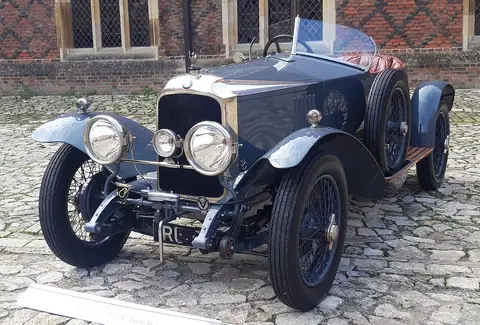
Vauxhall
30-98 OE Wensum
12 Built
-
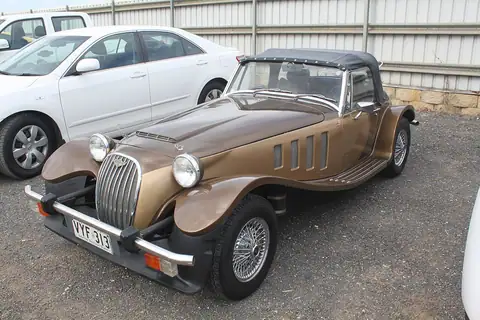
Panther
Lima (1976-1982)
Production not yet verified
-
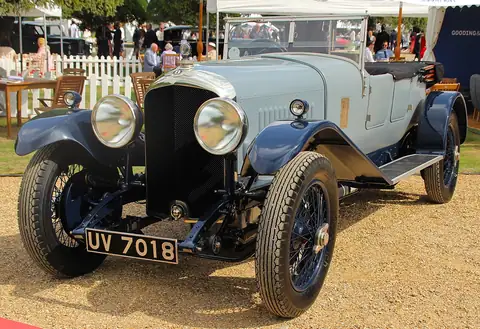
Bentley
Bentley 4.5 Litre
Production not yet verified
-
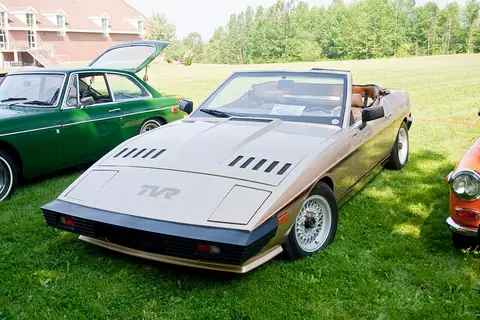
TVR · 1980–1987
Tasmin (1980-1987)
Production not yet verified
134 other makes from United KingdomACAiredaleAlan Mann RacingAllardAlvisArabArashArielArmstrong SiddeleyArrowsAscariAtalantaAtlantisAustinAustin-HealeyBedfordBentleyBerkeleyBluebirdBMCBondBrabhamBristolBritish LeylandBroadspeedBrookeBrough SuperiorCampbell-RailtonCaparoCaterhamChevronConnaughtCooperCrayfordDaimlerDavid BrownDawsonDeLoreanDuttonElvaAll makes →