Makes › Aston Martin › Works team › Works team cars LM3 & LM4 · Factory competition · 1929–1930 Ultra Rare
Aston Martin
Works team cars LM3 & LM4
International-based works cars raced in the Double Twelve, Irish GP and Ards TT
Still being researched: full specifications. Everything shown is checked against the cited sources. Know more? Send us a source.
Contents
01Overview
At a glance
- Built
- 2 Built
- Years
- 1929–1930
- Engine
- Not yet verified
- Power
- Not yet verified
- Top speed
- Not yet verified
- Body
- Not yet verified
- Designer
- A. C. (Bert) Bertelli; coachwork by Harry (Enrico) Bertelli
- In this archive
- Not yet verified
- Surviving
- Not yet verified
Sources and any conflicting figures are in the sections below.
Why it matters
LM3 and LM4 were the second pair of Aston Martin works team cars, built in 1929 and 1930. LM3 is presented as the first lightweight car, and the pair showed the gearing and wheel changes that the works developed at Le Mans and Brooklands.
How rare is it?
Six separate kinds of rarity – never combined into one number.
Each kind of rarity is rated separately and never combined.
02Production & history
Production
Every figure says what it counts.
| What is counted | Figure | Basis | Status |
|---|---|---|---|
| Total model productionAs stated: “Two further team cars were built in 1929 and 1930, LM3 and LM4.” | 21,2 | Factory production | Independently researched |
Independent counts (e.g. engine and colour) are never combined into a calculated figure. Surviving examples are never presented as original production.
History
Both cars raced at Brooklands in the Double Twelve and at the Irish Grand Prix. LM3 was also run by the works in the RAC Tourist Trophy at Ards, where it crashed at the first corner and later retired.
LM3 then had four different bodies in three years, including a stub-tailed two-seater 'Sports Model' used as a works demonstrator, a long-tailed racing body in 1930 and, in 1932, a four-seater 'International' coachwork under which it was sold. Its chassis number was over-stamped so that it could be sold like a standard car.
Variants
How each version differs from the standard Works team cars LM3 & LM4.
No variants documented yet. Have a source? Contribute it.
03Specifications
Technical specifications
Engine
| Engine family | Not yet verified |
|---|---|
| Engine code | Not yet verified |
| Layout | Not yet verified |
| Displacement | Not yet verified |
| Bore | Not yet verified |
| Stroke | Not yet verified |
| Compression ratio | Not yet verified |
| Fuel system | Not yet verified |
| Power | Not yet verified |
| Power at | Not yet verified |
| Torque | Not yet verified |
Transmission & drivetrain
| Gearbox | Not yet verified |
|---|---|
| Gears | Not yet verified |
| Driven wheels | Not yet verified |
Chassis, body & dimensions
| Chassis | Not yet verified |
|---|---|
| Front suspension | Not yet verified |
| Rear suspension | Not yet verified |
| Brakes | Drum brakes, 14-inch drums (LM3)3 Independently researched |
| Steering | Not yet verified |
| Body construction | Not yet verified |
| Wheelbase | Not yet verified |
| Length | Not yet verified |
| Width | Not yet verified |
| Height | Not yet verified |
| Front track | Not yet verified |
| Rear track | Not yet verified |
| Kerb weight | Not yet verified |
| Dry weight | Not yet verified |
Performance
| Maximum speed | Not yet verified |
|---|---|
| 0–100 km/h | Not yet verified |
| Fuel tank | Not yet verified |
“Not yet verified” means no source has been checked for that value yet. Nothing is estimated to fill a gap.
04Colours & options
Factory colours & interiors
Original paint and trim, with the number of cars in each where a source gives it.
Not yet documented. Have a source? Contribute it.
Factory options & codes
Codes are shown exactly as written by the manufacturer.
Not yet documented. Have a source? Contribute it.
05Individual cars
Chassis register
Every documented car, with its colours, history and where it is now. Open a row for the full record. Known chassis are not automatically authenticated originals.
Not yet documented. Have a source? Contribute it.
Competition history
Every race result of the individual cars, in date order. Click a chassis number to open its full record in the register.
Not yet documented. Have a source? Contribute it.
Auction & sale history
Documented public sales of the individual cars. Click a chassis number to open its full record in the register.
Not yet documented. Have a source? Contribute it.
See one in person
Museums where an example of this car can be seen.
No example is documented on public display yet. Have a source? Contribute it.
06Reference
Identification guide
How to tell an original from a replica or later conversion.
The LM3 and LM4 chassis numbers carry the works LM prefix, and LM3 was later over-stamped with a different chassis number when sold as an ordinary car, so number checks need care. LM3 had a third gear only a few hundred revs different from fourth for fast changes, and LM4 onwards ran 19-inch wheels. LM3 shows 14-inch brake drums that almost match the diameter of the wheels.
Sources
Each number links to the exact facts it supports.
-
1
Team cars LM1 to LM7 Level B Ecurie Bertelli
- Two further team cars were built in 1929 and 1930, LM3 and LM4
-
2
Ecurie Bertelli – Team cars LM1–LM7 Level B
- 2 As stated: “Two further team cars were built in 1929 and 1930, LM3 and LM4.”
-
3
1929 Aston Martin LM3 - The First Lightweight Level B Supercars.net
- 14-inch brake drums that almost match the diameter of the wheels
Keep exploring
More from Aston Martin
-
Aston Martin · 1939–1940
Atom
1 Built
-
Aston Martin · 2013
DB9 Spyder Zagato Centennial
1 Built
-
Aston Martin · 1962
DP212
1 Built
-
Aston Martin · 1963
DP215
1 Built
See all 183 cars by Aston Martin →
More from United Kingdom
-
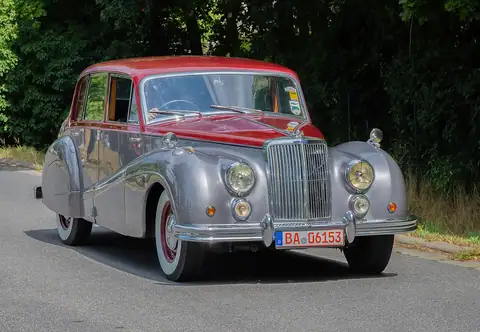
Armstrong Siddeley
Sapphire
Production not yet verified
-

Land Rover
Defender 90 NAS (North American Specification, US)
7,059 Built
-
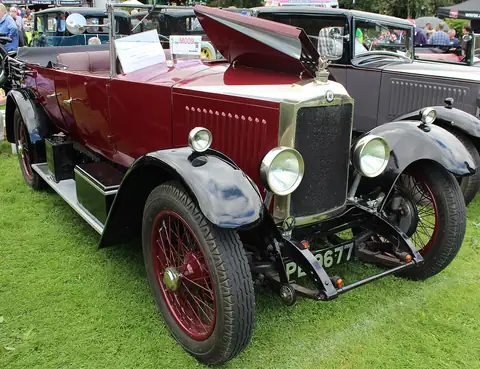
Vauxhall
14-40 (1920s)
Production not yet verified
-
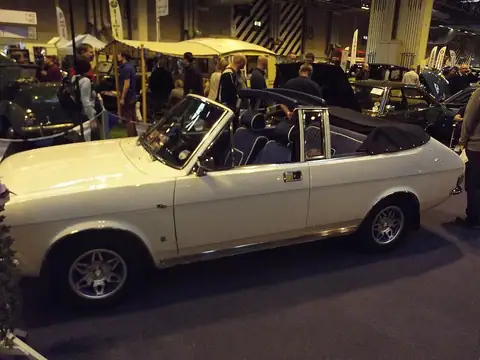
Morris
Marina Convertible (Mumford)
Production not yet verified
134 other makes from United KingdomACAiredaleAlan Mann RacingAllardAlvisArabArashArielArmstrong SiddeleyArrowsAscariAtalantaAtlantisAustinAustin-HealeyBedfordBentleyBerkeleyBluebirdBMCBondBrabhamBristolBritish LeylandBroadspeedBrookeBrough SuperiorCampbell-RailtonCaparoCaterhamChevronConnaughtCooperCrayfordDaimlerDavid BrownDawsonDeLoreanDuttonElvaAll makes →