Makes › Bolwell › Nagari · Specialist manufacturer
Bolwell
Nagari
Australian fibreglass V8 sports car (coupé and roadster)
Still being researched: identification guide, full specifications. Everything shown is checked against the cited sources. Know more? Send us a source.
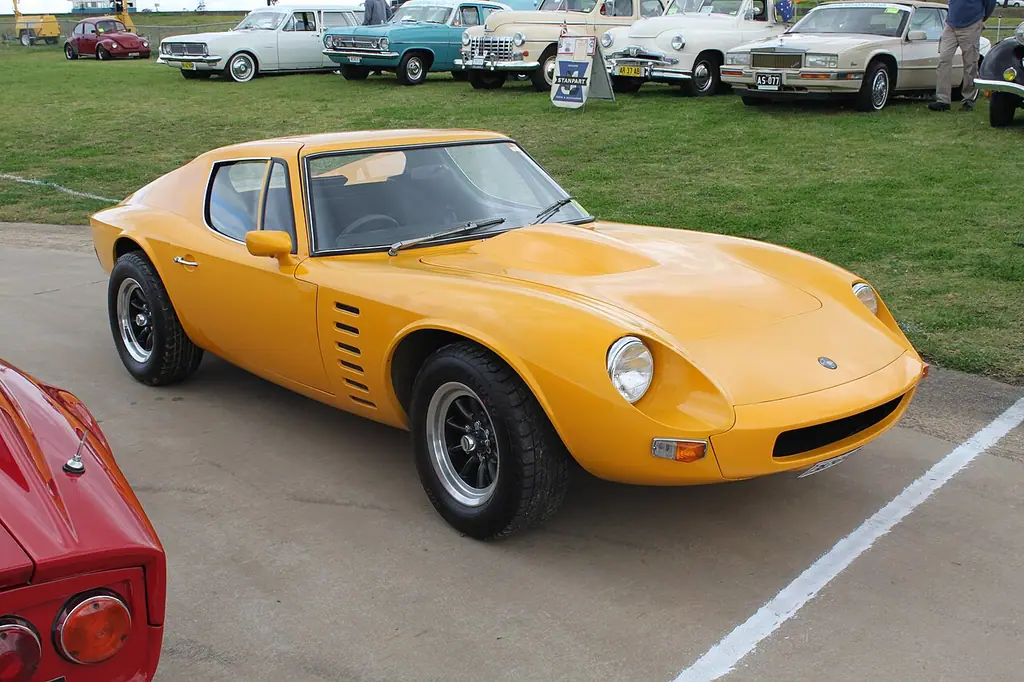
Photo: Jeremy from Sydney, Australia · CC BY 2.0
Contents
01Overview
At a glance
- Built
- Not yet verified
- Years
- Not yet verified
- Engine
- 5 L V8, front-mounted (original 1970s Nagari) · 3,500 cc / 3.5 LFactory: 3.5 L
- Power
- 250 kW / 340 PSFactory: 250 kW
- Top speed
- Not yet verified
- Body
- Not yet verified
- Designer
- Campbell Bolwell (with Graeme Bolwell)
- In this archive
- Not yet verified
- Surviving
- Not yet verified
Sources and any conflicting figures are in the sections below.
Why it matters
The Nagari name was first used in 1969 on the Bolwell Mark 8, which became the company's most successful car. It is the best-known model of Campbell Bolwell's Australian fibreglass sports-car business, and Bolwell revived the name for a mid-engined car shown in 2008.
How rare is it?
Six separate kinds of rarity – never combined into one number.
Each kind of rarity is rated separately and never combined.
Photos
Exterior, interior and detail photos with their licences.
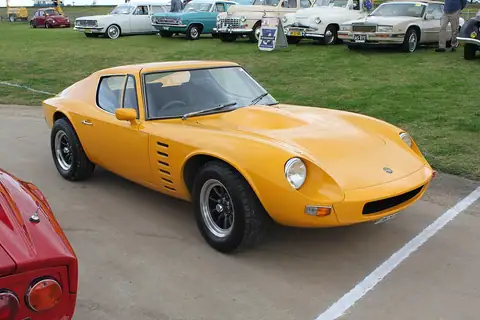 Bolwell Nagari (Wikipedia article: Bolwell Nagari)
Photo: Jeremy from Sydney, Australia · CC BY 2.0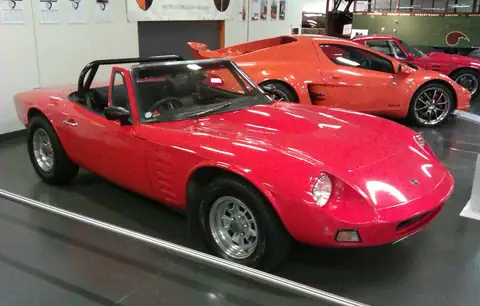 Bolwell Nagari (Wikipedia article: Bolwell Nagari)
Photo: GTHO · CC BY-SA 3.0
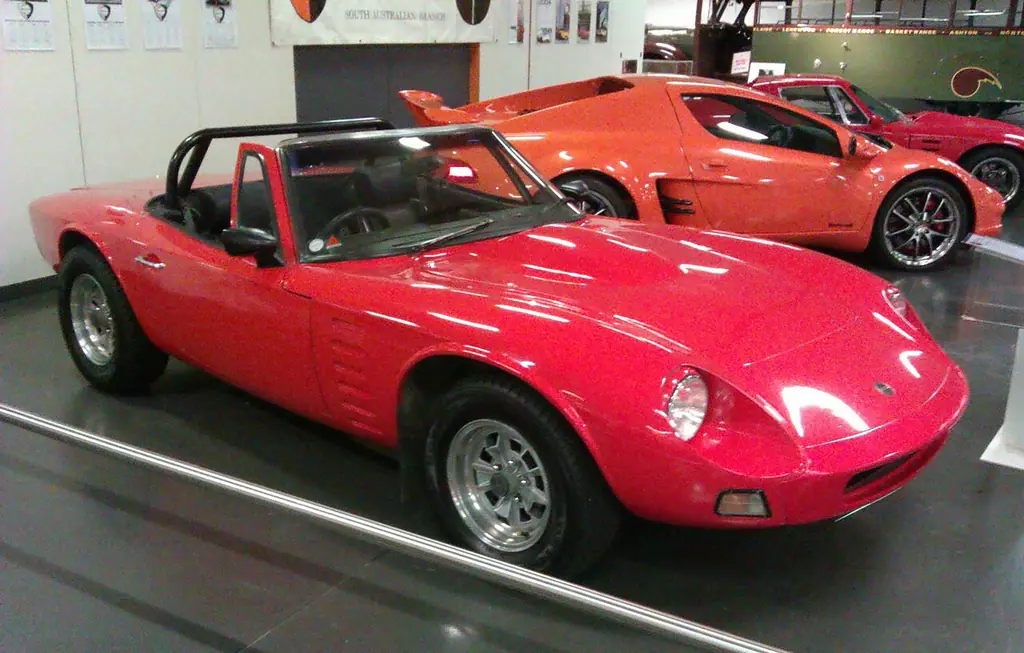


02Production & history
Production
Every figure says what it counts.
No production figures recorded yet.
History
The original Nagari was built in the 1970s by Campbell Bolwell in collaboration with his brother Graeme. It carried a 5-litre V8 up front in a steel backbone chassis clad in fibreglass. A mid-engined successor with a supercharged 3.5-litre V6 was announced for the 2008 Melbourne motor show; the cached page is mostly about that later car.
Variants
How each version differs from the standard Nagari.
No variants documented yet. Have a source? Contribute it.
03Specifications
Technical specifications
Engine
| Engine family | Not yet verified |
|---|---|
| Engine code | Not yet verified |
| Layout | 5 L V8, front-mounted (original 1970s Nagari)1 Independently researched |
| Displacement | 3,500 cc / 3.5 LFactory: 3.5 L2 Independently researchedShow-car engine. Production engine not chosen at the time of the article. |
| Bore | Not yet verified |
| Stroke | Not yet verified |
| Compression ratio | Not yet verified |
| Fuel system | Not yet verified |
| Power | 250 kW / 340 PSFactory: 250 kW2 Independently researchedApproximate ('in the region of'); the source says it could be more. |
| Power at | Not yet verified |
| Torque | Not yet verified |
Transmission & drivetrain
| Gearbox | Not yet verified |
|---|---|
| Gears | Not yet verified |
| Driven wheels | Not yet verified |
Chassis, body & dimensions
| Chassis | Steel backbone chassis (original Nagari)1 Independently researched |
|---|---|
| Front suspension | Not yet verified |
| Rear suspension | Not yet verified |
| Brakes | Not yet verified |
| Steering | Not yet verified |
| Body construction | Fibreglass body (original Nagari)1 Independently researched |
| Wheelbase | Not yet verified |
| Length | Not yet verified |
| Width | Not yet verified |
| Height | Not yet verified |
| Front track | Not yet verified |
| Rear track | Not yet verified |
| Kerb weight | 920 kgFactory: 920 kg2Claimed by the company, as reported before production. |
| Dry weight | Not yet verified |
Performance
| Maximum speed | Not yet verified |
|---|---|
| 0–100 km/h | Not yet verified |
| Fuel tank | Not yet verified |
“Not yet verified” means no source has been checked for that value yet. Nothing is estimated to fill a gap.
04Colours & options
Factory colours & interiors
Original paint and trim, with the number of cars in each where a source gives it.
Not yet documented. Have a source? Contribute it.
Factory options & codes
Codes are shown exactly as written by the manufacturer.
Not yet documented. Have a source? Contribute it.
05Individual cars
Chassis register
Every documented car, with its colours, history and where it is now. Open a row for the full record. Known chassis are not automatically authenticated originals.
Not yet documented. Have a source? Contribute it.
Competition history
Every race result of the individual cars, in date order. Click a chassis number to open its full record in the register.
Not yet documented. Have a source? Contribute it.
Auction & sale history
Documented public sales of the individual cars. Click a chassis number to open its full record in the register.
Not yet documented. Have a source? Contribute it.
See one in person
Museums where an example of this car can be seen.
No example is documented on public display yet. Have a source? Contribute it.
06Reference
Identification guide
How to tell an original from a replica or later conversion.
Not yet documented. Have a source? Contribute it.
Sources
Each number links to the exact facts it supports.
-
1
Bolwell Nagari (2008 press release, with notes on the original car) Level B Ultimatecarpage.com
- original Nagari carried its 5 litre V8 up front
- steel backbone chassis clad in fibreglass
- clad in fibreglass
-
2
Melbourne Motor Show 2008 - Bolwell Nagari Level C Wheels
- supercharged 3.5-litre V6 taken from the Toyota Aurion
- in the region of 250kW
- claimed kerb weight of 920kg
Keep exploring
More from Bolwell
This is the only Bolwell documented so far.
More from Australia
-
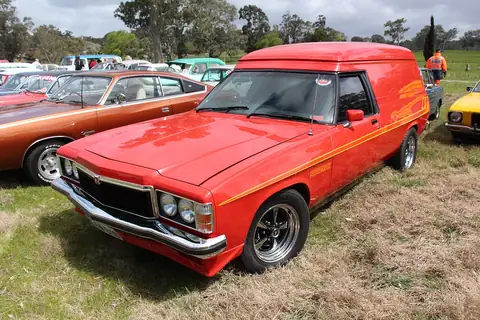
Holden
Sandman (1970s)
Production not yet verified
-
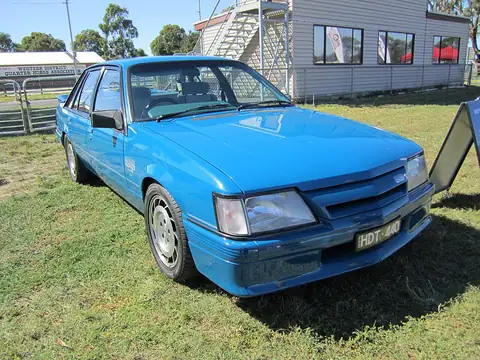
HDT · 1985
VK Commodore SS Group A ('Blue Meanie')
500 Built
-
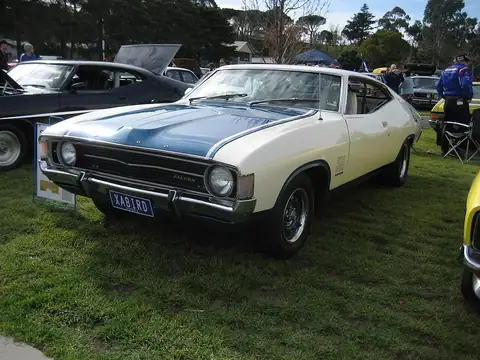
Ford Australia · 1972–1973
Falcon XA Superbird
750 Built
-
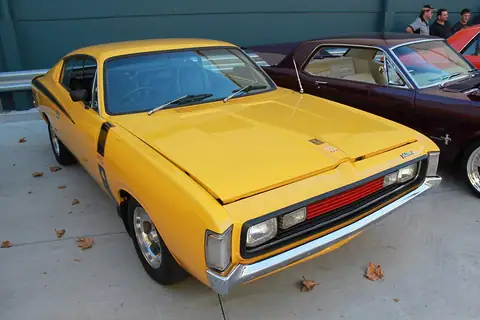
Chrysler Australia · 1972
Valiant Charger R/T E49
149 Built
13 other makes from AustraliaAscortChrysler AustraliaContinental CoachworkElfinEmpireFord AustraliaHDTHoldenHSVLeyland AustraliaPurvisSchuppanVeskanda