Makes › Ford › Sierra and Capri › Capri RS3100 · Factory competition · 1973–1974 Extremely Rare
Ford
Capri RS3100
Homologation special of the Capri Mk I with 3091cc Essex V6 and ducktail spoiler, built at Halewood in November 1973
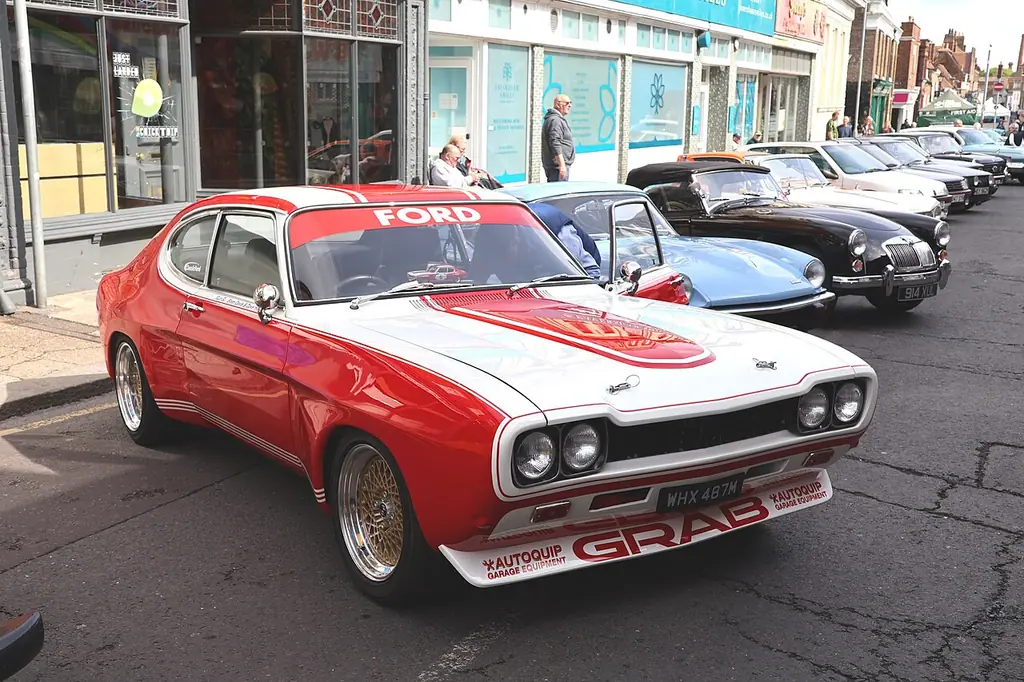
Photo: hugh llewelyn · CC BY-SA 4.0

Contents
01Overview
At a glance
- Built
- 250 Built
- Years
- 1973–1974
- Engine
- V6 · 3,091 cc / 3.1 LFactory: 3,091 cc
- Power
- 110 kW / 150 PSFactory: 148 hp · converted
- Top speed
- 201 km/hFactory: 125 mph · converted
- Body
- Not yet verified
- Designer
- Ford Advanced Vehicle Operations (AVO), with Cosworth for the engine
- In this archive
- Not yet verified
- Surviving
- Not yet verified
Sources and any conflicting figures are in the sections below.
Why it matters
The RS3100 was the road-going homologation version of the Capri racer for 1974, built after the BMW 3.0 CSL had overtaken the RS2600 in touring car racing. It combined a bored-out 3.1-litre Essex V6 developed with Cosworth with Ford's first homologated aerodynamic aids on a Capri: a ducktail rear spoiler and a front lip spoiler. Fewer than 250 road cars were built, all right-hand drive.
How rare is it?
Six separate kinds of rarity – never combined into one number.
Each kind of rarity is rated separately and never combined.
02Production & history
Production
Every figure says what it counts.
| What is counted | Figure | Basis | Status |
|---|---|---|---|
| Total model productioncars built at Halewood (Nov 1973) | 2501 | Factory production | Independently researched |
Independent counts (e.g. engine and colour) are never combined into a calculated figure. Surviving examples are never presented as original production.
History
Ford's early touring-car success with the RS2600 ended in the later part of the 1973 season when the BMW 3.0 CSL beat it. A mid-1973 FIA rule change allowed road-homologated wings for racing, and Ford Advanced Vehicle Operations (AVO) developed the RS3100 as the homologation car. With the Weslake RS2600 engine programme at its limit, Ford moved to the 3-litre Essex V6 and agreed with Cosworth that a bored-out 3.1-litre unit was a good base for the racing engine.
Production began in November 1973 at Halewood and, according to the auction catalogue, was finished by January 1974, when the model was homologated; it overlapped with the Mk2 Capri due in February 1974. At GBP 2,450 and during the oil crisis it sold slowly. A pre-series prototype built at AVO South Ockendon in 1972 survives as a one-owner car and was the last RS3100 to be registered, in 1975.
Variants
How each version differs from the standard Capri RS3100.
No variants documented yet. Have a source? Contribute it.
03Specifications
Technical specifications
Engine
| Engine family | Essex V6 (Cosworth-developed)2 Independently researched |
|---|---|
| Engine code | Not yet verified |
| Layout | V62 Independently researched |
| Displacement | 3,091 cc / 3.1 LFactory: 3,091 cc3 Registry reportedAuction catalogues describe it as a bored-out 3.1-litre engine. |
| Bore | Not yet verified |
| Stroke | Not yet verified |
| Compression ratio | Not yet verified |
| Fuel system | Weber 38DGAS twin-choke carburettor2 Independently researched |
| Power | 110 kW / 150 PSFactory: 148 hp · converted4 Independently researchedSource states bhp. |
| Power at | 5,200 rpm4 Independently researched |
| Torque | 254 NmFactory: 187 lb-ft · converted4 Independently researched |
| Torque at | 3,000 rpm4 Independently researched |
Transmission & drivetrain
| Gearbox | Manual2 Independently researched |
|---|---|
| Gears | 42 Independently researched |
| Driven wheels | Rear2 Independently researched |
Chassis, body & dimensions
| Chassis | Not yet verified |
|---|---|
| Front suspension | Modified front cross-member moving arms outwards for negative camber (-30 min +/- 30 min); stiffer front springs; Bilstein gas dampers4 Independently researched |
| Rear suspension | Competition single-leaf rear springs; uprated Bilstein gas dampers; special bump rubbers and spacer blocks4 Independently researched |
| Brakes | Ventilated front discs; 9 in rear drums (shared with RS2600)2,4 Independently researched |
| Steering | Not yet verified |
| Body construction | Not yet verified |
| Wheelbase | Not yet verified |
| Length | Not yet verified |
| Width | Not yet verified |
| Height | Not yet verified |
| Front track | Not yet verified |
| Rear track | Not yet verified |
| Kerb weight | Not yet verified |
| Dry weight | Not yet verified |
Performance
| Maximum speed | 201 km/hFactory: 125 mph · converted4 Independently researchedRS Owners Club overview lists 124 mph. |
|---|---|
| 0–100 km/h | Not yet verified |
| 0–60 mph | 7.3 s4 Independently researchedRS Owners Club overview lists 8 s, which looks copied from the RS2600 entry. |
| Fuel tank | Not yet verified |
“Not yet verified” means no source has been checked for that value yet. Nothing is estimated to fill a gap.
04Colours & options
Factory colours & interiors
Original paint and trim, with the number of cars in each where a source gives it.
Not yet documented. Have a source? Contribute it.
Factory options & codes
Codes are shown exactly as written by the manufacturer.
Not yet documented. Have a source? Contribute it.
05Individual cars
Chassis register
Every documented car, with its colours, history and where it is now. Open a row for the full record. Known chassis are not automatically authenticated originals.
Not yet documented. Have a source? Contribute it.
Competition history
Every race result of the individual cars, in date order. Click a chassis number to open its full record in the register.
Not yet documented. Have a source? Contribute it.
Auction & sale history
Documented public sales of the individual cars. Click a chassis number to open its full record in the register.
Not yet documented. Have a source? Contribute it.
See one in person
Museums where an example of this car can be seen.
No example is documented on public display yet. Have a source? Contribute it.
06Reference
Identification guide
How to tell an original from a replica or later conversion.
Distinguishing features are the large matt black ducktail rear spoiler, front bib spoiler, dummy louvres, flared front arches and the unique colour schemes. Seven colours were used: 60 Diamond White, 49 Daytona Yellow, 59 Sebring Red, 25 Modena Green, 20 Stardust Silver, 27 Olympic Blue and 10 Marine Blue, all with gold decals around the power bulge, rear panel and a triple line down the sides. The engine has blue-painted rocker covers, and production cars use BBECND-series chassis numbers. Interior is from the UK 3000 GXL with a 130 mph speedometer; AVO four-spoke alloys, black quarter front bumpers, a full-width black rear bumper and quad headlamps complete the look. The prototype differs: fixed rear quarter windows, flat three-spoke wheel, black rocker covers and the unique chassis number BFECRK.
Sources
Each number links to the exact facts it supports.
-
1
Ford RS Owners Club – Capri RS3100 Level B
- 250 cars built at Halewood (Nov 1973)
-
2
1974 Ford Capri RS3100, lot 218 Level C Iconic Auctioneers · 2025-11-08
- 3.1-litre 'Essex' V6, co-developed with Cosworth
- 3.1-litre 'Essex' V6
- fuelled by a Weber 38DGAS twin-choke carburettor
- 4-speed manual gearbox to the rear wheels
- 4-speed manual gearbox
- through a 4-speed manual gearbox to the rear wheels
- ventilated front disc brakes, 9" rear drums
-
3
Ford RS Owners Club, RS models overview Level B The Ford RS Owners Club
- Capri RS3100 Engine cc: 3091cc (RS models overview)
-
4
1973 Ford Capri RS3100, lot 202 Level C Iconic Auctioneers · 2023-11-11
- 148bhp at 5,200rpm and 187lb/ft of torque at 3,000rpm
- 148bhp at 5,200rpm
- 187lb/ft of torque at 3,000rpm
- modified front cross-member ... negative camber ... Bilsten gas dampers
- competition single leaf rear springs combined with uprated Bilsten gas dampers
- shared its brakes ... with the RS2600
- top speed of 125mph
- 0 - 60mph in 7.3 seconds
Keep exploring
More from Ford
-
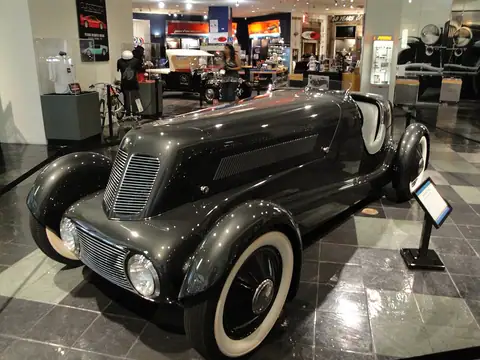
Ford · 1934
Edsel Ford 1934 Model 40 Special Speedster
1 Built
-
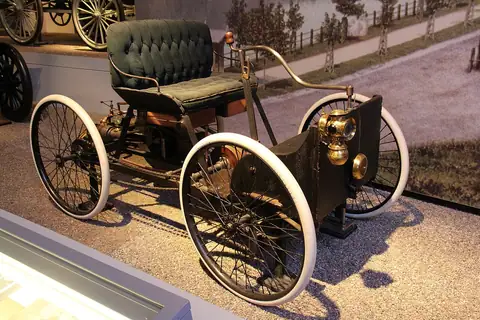
Ford · 1896
Quadricycle
1 Built
-
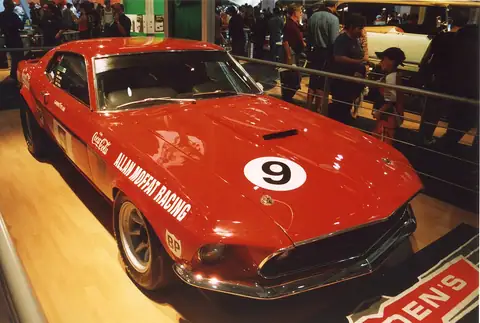
Ford · 1969
Mustang Boss 302 Trans-Am (Shelby team, 1969)
3 Built
-
Ford
Mustang GTP (1983-1985)
3 Built
More from United States
-
Chevrolet · 1969
Corvair Monza convertible (1969)
521 Built
-
Dodge
Dodge 3700 (Serra, Spain)
Production not yet verified
-
Chrysler · 1960
300F
1,212 Built (all body styles)
-
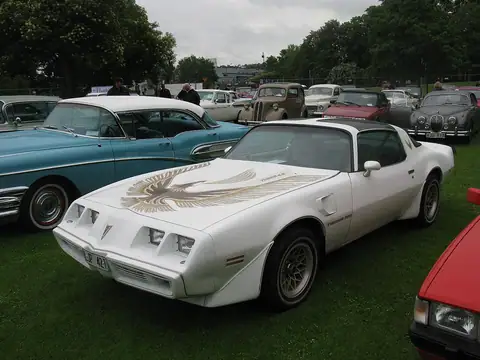
Pontiac
Firebird Trans Am Turbo (Smokey and the Bandit II hero and stunt cars)
Production not yet verified
140 other makes from United StatesAC PropulsionAcuraAllstateAMCAmerican LaFranceAmerican MotorsAmerican UnderslungApteraArmstrongArnoltAuburnBaldwin-MotionBantamBarris KustomsBendixBerger ChevroletBill ThomasBollingerBremerBuckeyeBuffumBuickCadillacCallawayCastleCheckerChevroletChristieChryslerClenetCodaColumbiaConsulierCordCunninghamCzingerDana ChevroletDean JeffriesDeSotoDetroit ElectricAll makes →