Makes › Jaguar › XJR-15 · Factory competition · 1990–1992 Extremely Rare
Jaguar
XJR-15
JaguarSport/TWR carbon-fibre derivative of the XJR-9 for the Intercontinental Challenge one-make series; road and track versions.
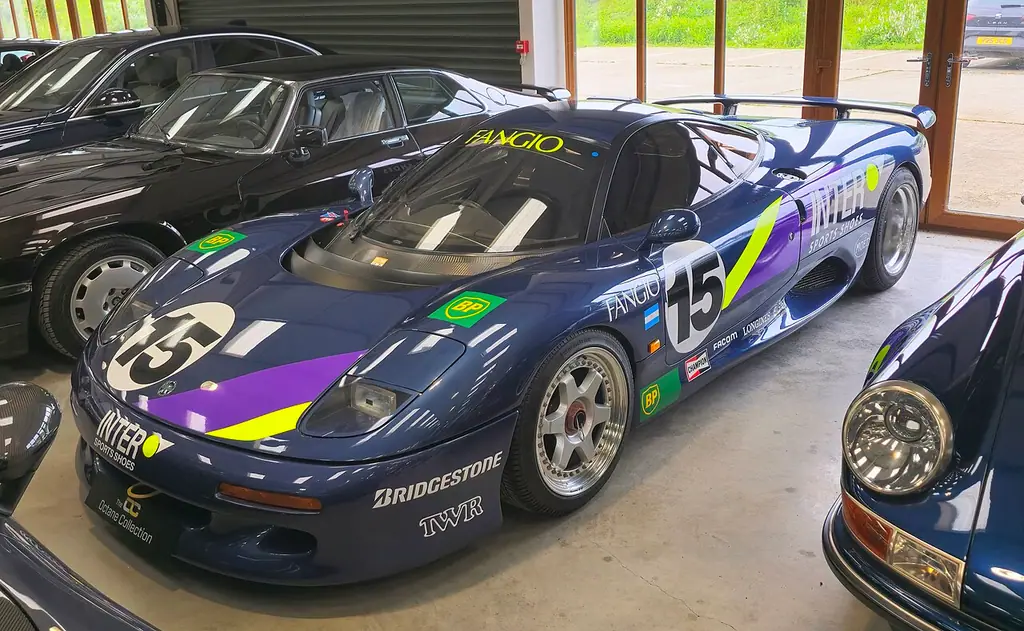
Photo: Calreyn88 · CC BY-SA 4.0
Contents
01Overview
At a glance
- Built
- 53 Built
- Years
- 1990–1992
- Engine
- V12 · 6,000 cc / 6 LFactory: 6 L
- Power
- 336 kW / 456 PSFactory: 450 hp · converted
- Top speed
- 307 km/hFactory: 191 mph · converted
- Body
- Not yet verified
- Designer
- Peter Stevens
- In this archive
- Not yet verified
- Surviving
- Not yet verified
Sources and any conflicting figures are in the sections below.
Why it matters
The XJR-15 was a road-going car derived directly from the XJR-9 and XJR-12 Group C racers, built by Jaguar Sport and TWR. A one-make series, the Jaguar Sport International Challenge, was run for it in 1991 as a Formula 1 support race.
How rare is it?
Six separate kinds of rarity – never combined into one number.
Each kind of rarity is rated separately and never combined.
Photos
Exterior, interior and detail photos with their licences.
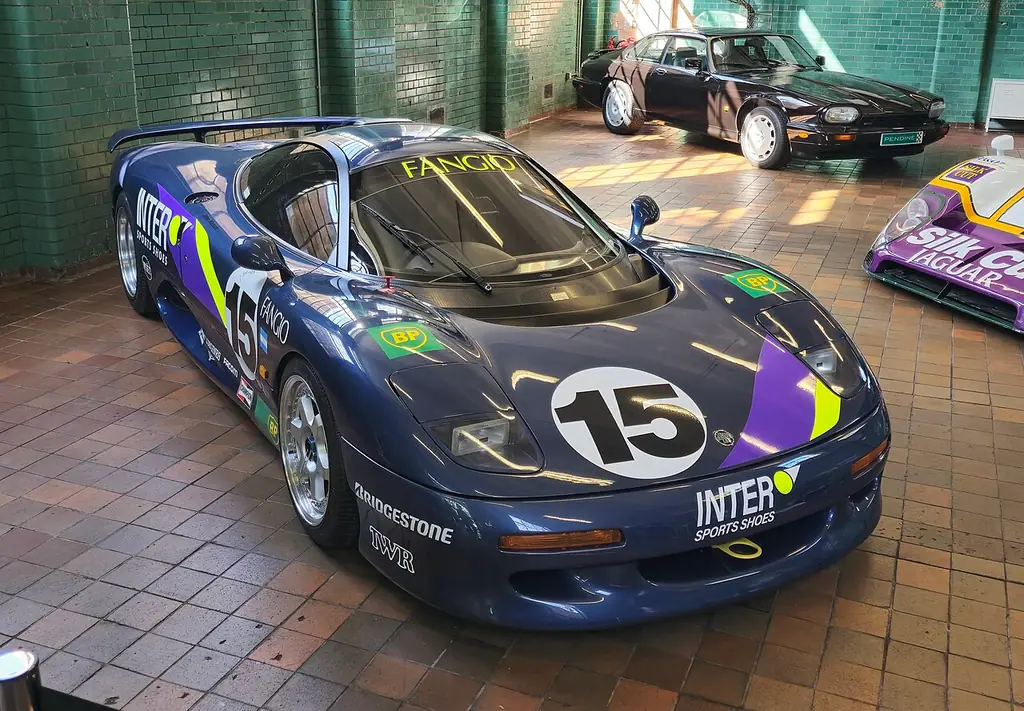
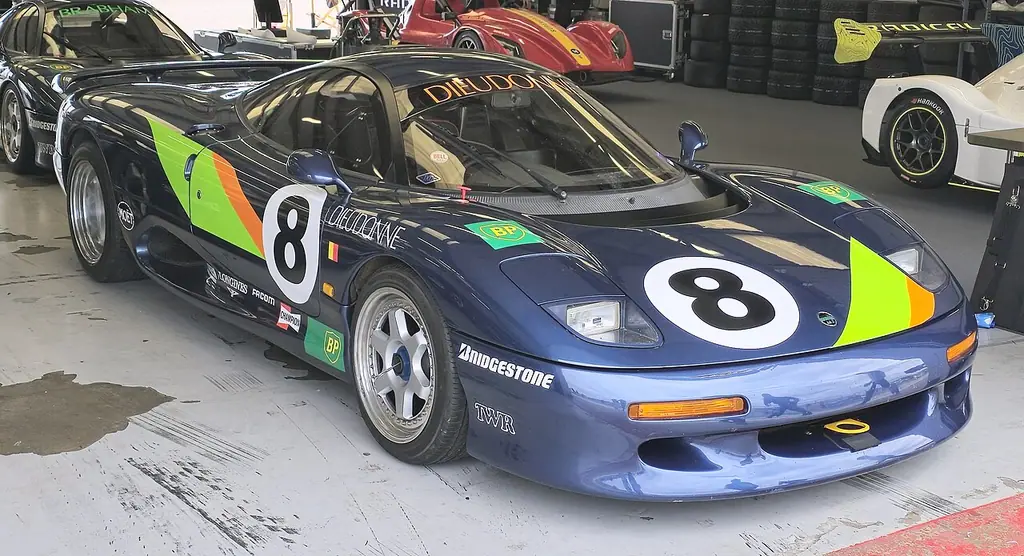
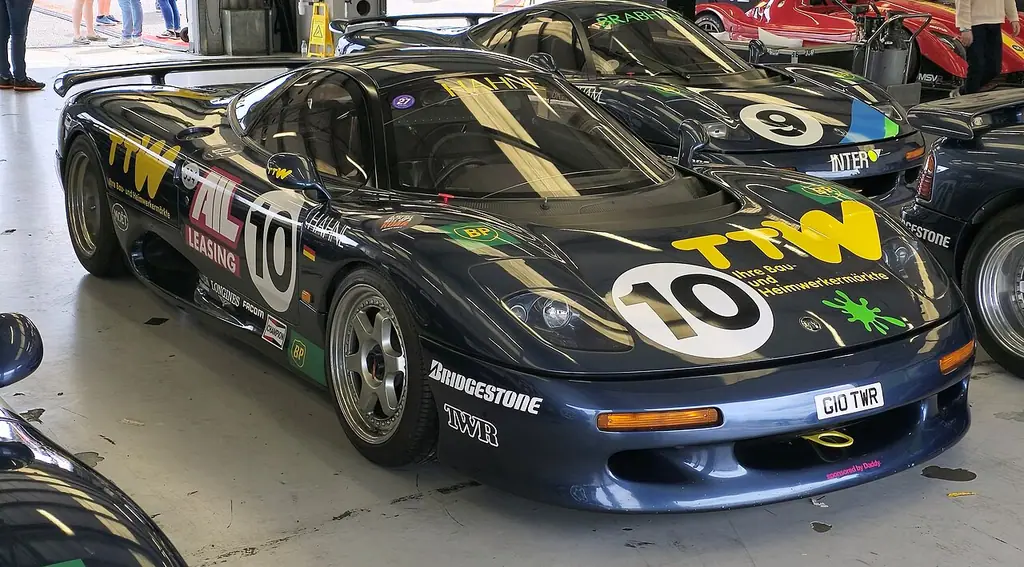
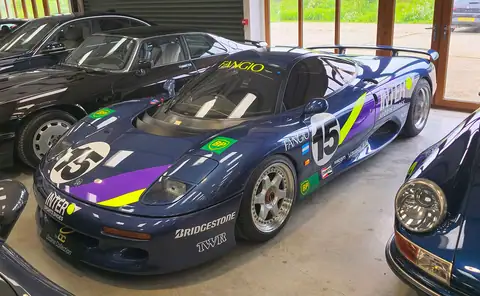 Jaguar XJR-15 (Wikimedia Commons: Jaguar XJR-15)
Photo: Calreyn88 · CC BY-SA 4.0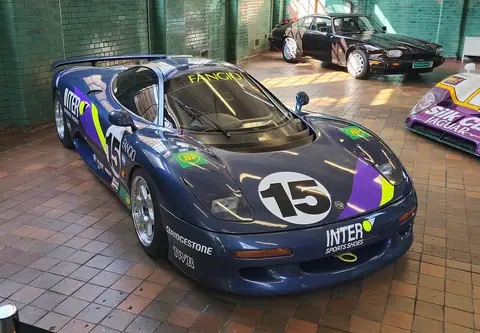 Jaguar XJR-15 (Wikimedia Commons: Jaguar XJR-15)
Photo: Calreyn88 · CC BY-SA 4.0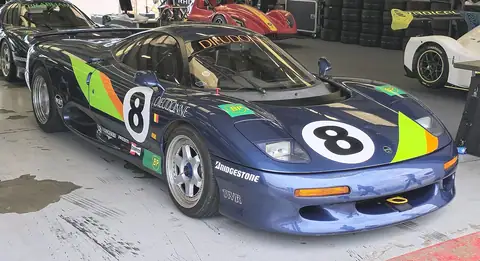 Jaguar XJR-15 (Wikimedia Commons: Jaguar XJR-15)
Photo: MrWalkr · CC BY-SA 4.0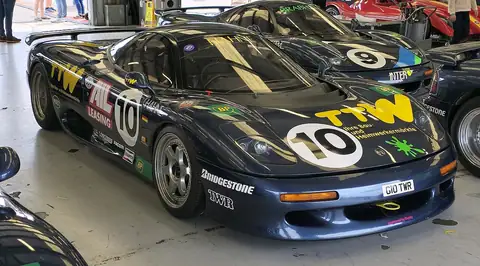 Jaguar XJR-15 (Wikimedia Commons: Jaguar XJR-15)
Photo: MrWalkr · CC BY-SA 4.0


02Production & history
Production
Every figure says what it counts.
| What is counted | Figure | Basis | Status |
|---|---|---|---|
| Total model productionXJR-15s made, of which 27 left in roadgoing specification | 531,2 | Factory production | Disputed |
Sources differ: RM Sotheby's says 53 XJR-15s made (27 roadgoing), Ultimatecarpage lists 50 numbers built.
Independent counts (e.g. engine and colour) are never combined into a calculated figure. Surviving examples are never presented as original production.
History
After the 1988 Le Mans win, Jaguar Sport and TWR chose to develop a racing car for the road. The car was first meant to be called XJR-9R. Its carbon-fibre monocoque and running gear were virtually the same as the XJR-9, and a six-litre V12 based on a production engine gave about 450 bhp.
The first body followed the XJR-9 but was impractical for the road, so Peter Stevens was hired to draw a body suited to both road and competition, with more glass, proper doors and a small rear wing.
Variants
How each version differs from the standard XJR-15.
No variants documented yet. Have a source? Contribute it.
03Specifications
Technical specifications
Engine
| Engine family | Not yet verified |
|---|---|
| Engine code | Not yet verified |
| Layout | V122 Independently researched |
| Cylinders | 123 Independently researched |
| Displacement | 6,000 cc / 6 LFactory: 6 L2 Independently researched |
| Bore | Not yet verified |
| Stroke | Not yet verified |
| Compression ratio | Not yet verified |
| Valvetrain | SOHC per bank, two valves per cylinder, chain driven3 Independently researched |
| Fuel system | Zytec electronic engine management3 Independently researched |
| Induction | Naturally aspirated3 Independently researched |
| Power | 336 kW / 456 PSFactory: 450 hp · converted2 Independently researchedSource says "around 450 bhp". |
| Power at | 6,250 rpm4 Independently researched |
| Torque | 610 NmFactory: 450 lb-ft · converted4 Independently researched |
| Torque at | 4,500 rpm4 Independently researched |
Transmission & drivetrain
| Manufacturer | TWR5 Independently researched |
|---|---|
| Gearbox | TWR six-speed gearbox; optional five-speed all-synchromesh2 Independently researched |
| Gears | 66 Independently researched |
| Gear ratios | 3.48:1, 2.23:1, 1.59:1, 1.19:1, 0.94:1, 0.77:16 Independently researched |
| Driven wheels | Not yet verified |
Chassis, body & dimensions
| Chassis | Carbon-fibre composite monocoque, virtually identical to the XJR-92 Independently researched |
|---|---|
| Front suspension | Independent, pushrod to horizontally mounted spring/damper units3 Independently researched |
| Rear suspension | Independent, double wishbones, outboard spring/damper units3 Independently researched |
| Brakes | AP four-pot calipers, 13 in ventilated cast-iron discs3 Independently researched |
| Steering | Not yet verified |
| Body construction | Lightweight composite and carbon-fibre reinforced body with ground-effect venturi channels3 Independently researched |
| Wheelbase | Not yet verified |
| Length | Not yet verified |
| Width | Not yet verified |
| Height | Not yet verified |
| Front track | 1,537 mmFactory: 1,537 mm3 Independently researched |
| Rear track | 1,575 mmFactory: 1,575 mm3 Independently researched |
| Kerb weight | 1,050 kgFactory: 1,050 kg4 Independently researchedMotor Sport (1991) also gives 1050 kg. |
| Dry weight | Not yet verified |
Performance
| Maximum speed | 307 km/hFactory: 191 mph · converted4 Independently researchedMotor Sport (1991) quoted 185 mph at launch. |
|---|---|
| 0–100 km/h | Not yet verified |
| 0–60 mph | 3.9 s4 Independently researchedMotor Sport (1991) reported 3.2 s for the prototype. |
| Fuel tank | Not yet verified |
“Not yet verified” means no source has been checked for that value yet. Nothing is estimated to fill a gap.
04Colours & options
Factory colours & interiors
Original paint and trim, with the number of cars in each where a source gives it.
Not yet documented. Have a source? Contribute it.
Factory options & codes
Codes are shown exactly as written by the manufacturer.
Not yet documented. Have a source? Contribute it.
05Individual cars
Chassis register
Every documented car, with its colours, history and where it is now. Open a row for the full record. Known chassis are not automatically authenticated originals.
Not yet documented. Have a source? Contribute it.
Competition history
Every race result of the individual cars, in date order. Click a chassis number to open its full record in the register.
Not yet documented. Have a source? Contribute it.
Auction & sale history
Documented public sales of the individual cars. Click a chassis number to open its full record in the register.
Not yet documented. Have a source? Contribute it.
See one in person
Museums where an example of this car can be seen.
No example is documented on public display yet. Have a source? Contribute it.
06Reference
Identification guide
How to tell an original from a replica or later conversion.
The XJR-15 is a Group C-derived car with a Peter Stevens body of carbon fibre and Kevlar composite, a composite monocoque with the 60 degree V12 acting as a stressed rear member, and ground-effect venturi channels under the body. It sits on OZ forged alloy wheels, 9.5 x 17 in at the front and 13 x 17 in at the rear, with Pirelli P Zero 250/30 R17 and 320/35 R17 tyres. Road cars were fitted with bumpers and indicators and a raised ride height. A press report of the launch says the cars would be built in Kidlington, with 30 built in the first winter and no more than 50 in total.
Sources
Each number links to the exact facts it supports.
-
1
1991 Jaguar XJR-15 | Monterey 2021 | RM Sotheby's Level B
- 53 XJR-15s made, of which 27 left in roadgoing specification
-
2
1990 - 1992 Jaguar XJR-15 Level B Ultimatecarpage.com
- Numbers built: 50
- a six-litre V12 that was based on a production engine
- six-litre V12
- produced around 450 bhp
- TWR six-speed gearbox ... five-speed, all synchromesh gearbox was also available
- carbon-fibre composite monocoque and running were virtually identical to the XJR-9
-
3
Jaguar XJR-15 specifications and detail Level B Jaguar Enthusiasts' Club · 2010-07-23
- 60º V12 overhead cam
- two valves per cylinder operated by single chain-driven overhead camshaft per bank
- Fuel System: Zytec electronic engine management
- 60º V12 overhead cam, naturally aspirated
- independent with aluminium hub-carriers and wide-based pushrods
- independent with double wishbones actuating spring/damper units mounted outboard
- AP four-pot calipers with 13 inch diameter cast-iron ventilated discs
- lightweight composite and carbon fibre reinforced body
- Track: 60.5 in (1537mm) front
- 62.0 in (1575 mm ) rear
-
4
A-Z supercars: Jaguar XJR-15 Level C evo
- Max power 450bhp @ 6250rpm
- Torque 450lb ft @ 4500rpm
- Weighing just 1050kg
- geared for a top speed of 191mph
- 0-60mph 3.9sec
-
5
Winner takes all (JaguarSport XJR-15 launch report) Level C Motor Sport Magazine · 1991-01
- TWR 6-speed gearbox
-
6
Jaguar XJR-15 Level C supercars.net
- 3.48:1, 2.23:1, 1.59:1, 1.19:1, 0.94:1, 0.77:1
Keep exploring
More from Jaguar
-
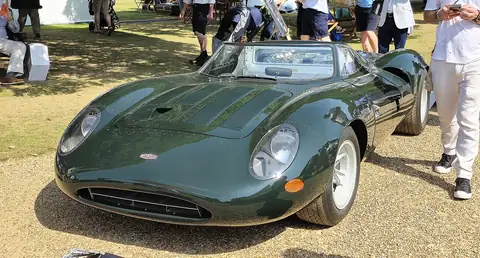
Jaguar · 1966
XJ13
1 Built
-
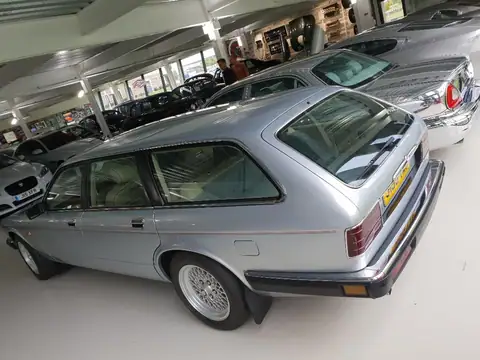
Jaguar · 1992
XJ40 Prototype Shooting Brake (J199 TAC)
1 Built
-
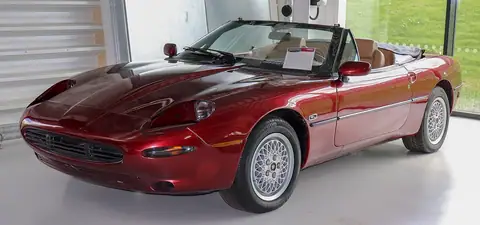
Jaguar · 1988
XJ42 prototype (convertible)
1 Built
-
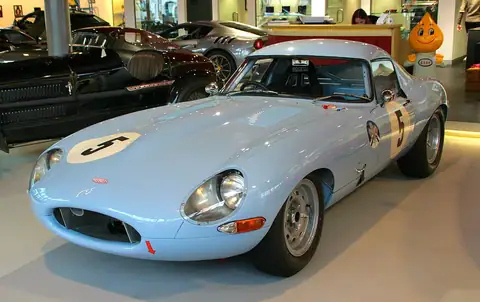
Jaguar · 1962
E-type Low Drag Coupé (CUT 7)
2 Built
More from United Kingdom
-
Lotus
23
Production not yet verified
-
MG · 1934–1935
PA Midget Airline Coupé
28 Built
-
Humber
Snipe staff car "Old Faithful" of Field Marshal Montgomery
Production not yet verified
-
Aston Martin
V8 Series 2 (1972-1973)
Production not yet verified
131 other makes from United KingdomACAiredaleAlan Mann RacingAllardAlvisArabArashArielArmstrong SiddeleyArrowsAscariAston MartinAtalantaAtlantisAustinAustin-HealeyBedfordBentleyBerkeleyBluebirdBMCBondBrabhamBristolBritish LeylandBroadspeedBrookeBrough SuperiorCampbell-RailtonCaparoCaterhamChevronConnaughtCooperCrayfordDaimlerDavid BrownDawsonDeLoreanDuttonAll makes →