Makes › Jaguar › XJR-8 · Coachbuilt · 1987 Ultra Rare
Jaguar
XJR-8
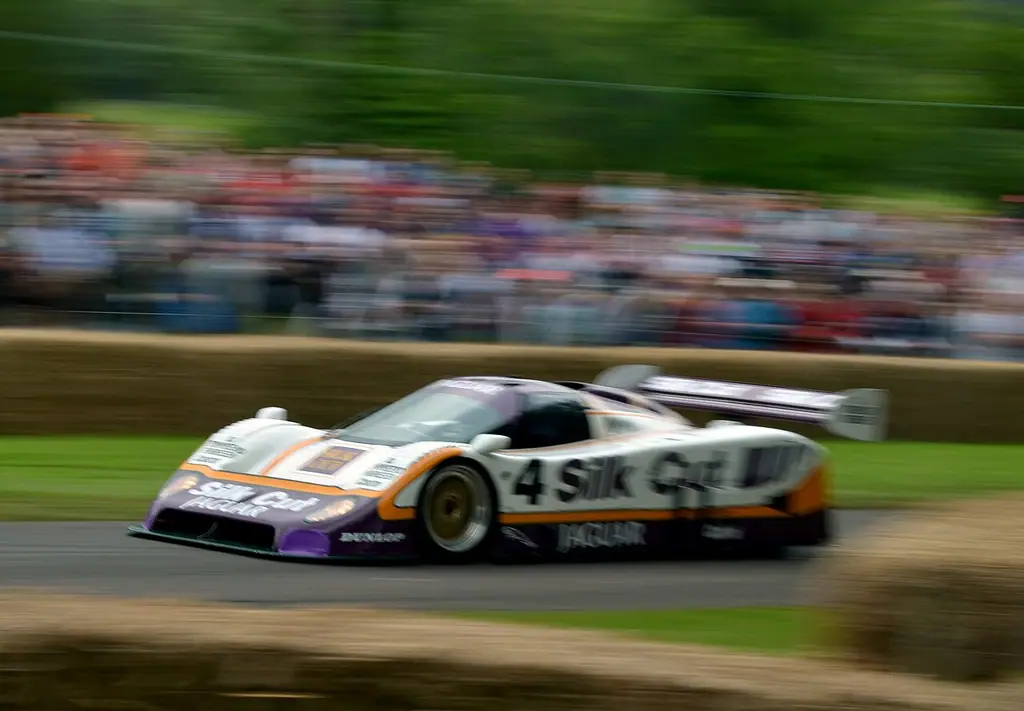
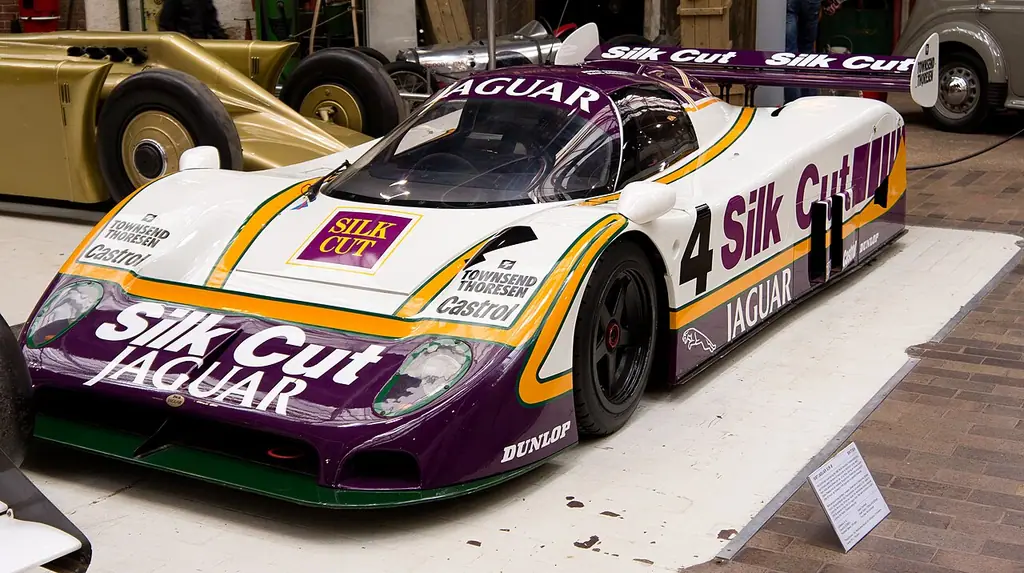
Group C sports prototype built by TWR for Jaguar in 1987; three new cars plus three converted XJR-6 chassis.
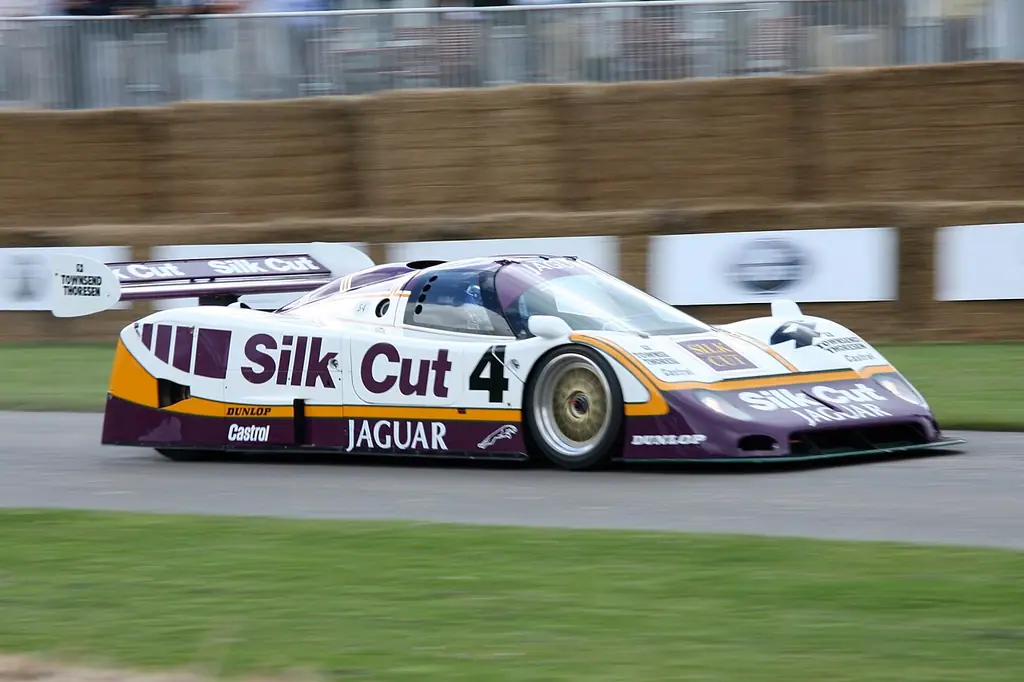
Photo: Brian Snelson from Hockley, Essex, England · CC BY 2.0
Contents
01Overview
At a glance
- Built
- 6 Built
- Years
- 1987
- Engine
- Mid-mounted V12 · 7,000 cc / 7 LFactory: 7 L
- Power
- 537 kW / 730 PSFactory: 720 hp · converted
- Top speed
- 354 km/hFactory: 220 mph · converted
- Body
- Not yet verified
- Designer
- Tony Southgate for TWR
- In this archive
- Not yet verified
- Surviving
- Not yet verified
Sources and any conflicting figures are in the sections below.
Why it matters
The XJR-8 is one of the most successful race cars in Jaguar's motorsport history. It won eight of ten rounds of the 1987 World Sportscar Championship and gave its owners the driver and team titles, but it did not win Le Mans.
How rare is it?
Six separate kinds of rarity – never combined into one number.
Each kind of rarity is rated separately and never combined.
Photos
Exterior, interior and detail photos with their licences.
 Jaguar XJR-8 (Wikimedia Commons search)
Photo: Brian Snelson from Hockley, Essex, England · CC BY 2.0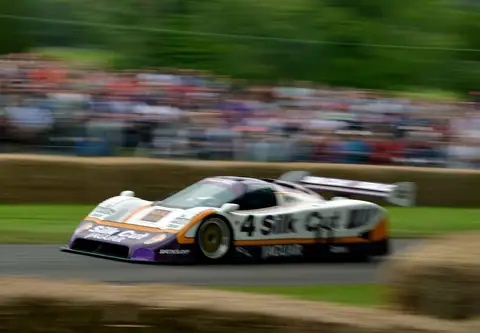 Jaguar XJR-8 (Wikimedia Commons search)
Photo: Nic Redhead from Birmingham, UK · CC BY-SA 2.0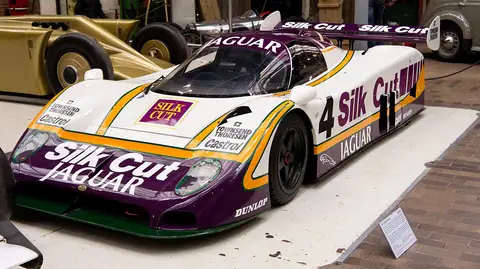 Jaguar XJR-8 (Wikimedia Commons search)
Photo: Iain Wanless from England, uploaded by Micap · CC BY 2.0


02Production & history
Production
Every figure says what it counts.
| What is counted | Figure | Basis | Status |
|---|---|---|---|
| Total model productioncars: 3 new-build plus 3 converted XJR-6s | 61 | Factory production | Independently researched |
Independent counts (e.g. engine and colour) are never combined into a calculated figure. Surviving examples are never presented as original production.
History
Designed by Tony Southgate, the XJR-8 succeeded the XJR-6 and was raced only in 1987. SnapLap lists more than 40 changes from the XJR-6, the main one being the larger V12, enlarged from 6.2 to 7.0 litres.
After four consecutive wins to open the season, the team went to Le Mans with three cars. Two of the three failed to finish and the survivor was fifth. Later in 1987 an XJR-8 won the Spa 1000 km with Jaguar taking a 1-2 result.
Variants
How each version differs from the standard XJR-8.
No variants documented yet. Have a source? Contribute it.
03Specifications
Technical specifications
Engine
| Engine family | Not yet verified |
|---|---|
| Engine code | Not yet verified |
| Layout | Mid-mounted V122 Independently researched |
| Displacement | 7,000 cc / 7 LFactory: 7 L2 Independently researchedStated in the text as the enlarged XJR-8 engine. The 6.2 L figure belongs to the XJR-6 engine. |
| Bore | Not yet verified |
| Stroke | Not yet verified |
| Compression ratio | Not yet verified |
| Fuel system | Not yet verified |
| Power | 537 kW / 730 PSFactory: 720 hp · converted2 Independently researchedText says about 720 hp; the spec table gives 720 hp. |
| Power at | Not yet verified |
| Torque | 820 NmFactory: 820 Nm2 Independently researched |
Transmission & drivetrain
| Gearbox | 5-speed manual, March/TWR2 Independently researched |
|---|---|
| Gears | 52 Independently researched |
| Driven wheels | Rear2 Independently researched |
Chassis, body & dimensions
| Chassis | Carbon fibre and Kevlar monocoque2 Independently researched |
|---|---|
| Front suspension | Double wishbones, push-rod and rocker-activated coil springs over dampers, anti-roll bar2 Independently researched |
| Rear suspension | Rocker-operated double coil springs over dampers2 Independently researched |
| Brakes | Not yet verified |
| Steering | Not yet verified |
| Body construction | Carbon composite panels2 Independently researched |
| Wheelbase | Not yet verified |
| Length | 4,800 mmFactory: 4,800 mm2 Independently researched |
| Width | Not yet verified |
| Height | Not yet verified |
| Front track | Not yet verified |
| Rear track | Not yet verified |
| Kerb weight | 900 kgFactory: 900 kg2 Independently researchedSource gives weighed 900 kilograms with no basis stated. Entered as kerb weight; check against a dry-weight source. |
| Dry weight | Not yet verified |
Performance
| Maximum speed | 354 km/hFactory: 220 mph · converted2 Independently researchedSource says over 220 mph and also gives 355 kph; the kph figure is not converted here. |
|---|---|
| 0–100 km/h | Not yet verified |
| Fuel tank | Not yet verified |
“Not yet verified” means no source has been checked for that value yet. Nothing is estimated to fill a gap.
04Colours & options
Factory colours & interiors
Original paint and trim, with the number of cars in each where a source gives it.
Not yet documented. Have a source? Contribute it.
Factory options & codes
Codes are shown exactly as written by the manufacturer.
Not yet documented. Have a source? Contribute it.
05Individual cars
Chassis register
Every documented car, with its colours, history and where it is now. Open a row for the full record. Known chassis are not automatically authenticated originals.
Not yet documented. Have a source? Contribute it.
Competition history
Every race result of the individual cars, in date order. Click a chassis number to open its full record in the register.
Not yet documented. Have a source? Contribute it.
Auction & sale history
Documented public sales of the individual cars. Click a chassis number to open its full record in the register.
Not yet documented. Have a source? Contribute it.
See one in person
Museums where an example of this car can be seen.
No example is documented on public display yet. Have a source? Contribute it.
06Reference
Identification guide
How to tell an original from a replica or later conversion.
Being verified against factory or registry sources before it is published. Have a source? Contribute it.
Sources
Each number links to the exact facts it supports.
- 1
-
2
How Powerful it Felt to Drive a Jaguar XJR-8 Back in 1987? Level C SnapLap
- The engine was in the middle
- became the 7.0-litre V12 with about 720 hp
- Power/torque: 720 hp/820 Nm
- March/TWR 5 speed manual gearbox
- Transmission: rear wheel drive
- Carbon fibre and kevlar monocoque
- double wishbones, push-rod and rocker activated coil springs over dampers
- rocker operated double coil springs over dampers
- carbon composite panels
- The 4800-mm long car
- weighed 900 kilograms
- over 220 mph (355 kph)
Keep exploring
More from Jaguar
-
Jaguar · 1966
XJ13
1 Built
-
Jaguar · 1992
XJ40 Prototype Shooting Brake (J199 TAC)
1 Built
-
Jaguar · 1988
XJ42 prototype (convertible)
1 Built
-
Jaguar · 1962
E-type Low Drag Coupé (CUT 7)
2 Built
More from United Kingdom
-
Lightning
GT
Production not yet verified
-
Rolls-Royce · 1968–1992
Phantom VI
374 Built
-
Arrows
A8
Production not yet verified
-
Land Rover
Defender 90 NAS (North American Specification, US)
7,059 Built
131 other makes from United KingdomACAiredaleAlan Mann RacingAllardAlvisArabArashArielArmstrong SiddeleyArrowsAscariAston MartinAtalantaAtlantisAustinAustin-HealeyBedfordBentleyBerkeleyBluebirdBMCBondBrabhamBristolBritish LeylandBroadspeedBrookeBrough SuperiorCampbell-RailtonCaparoCaterhamChevronConnaughtCooperCrayfordDaimlerDavid BrownDawsonDeLoreanDuttonAll makes →