Makes › Jaguar › XK120 › XK120 Alloy Roadster · Rare specification · 1948–1950 Extremely Rare
Jaguar
XK120 Alloy Roadster
Hand-built aluminium-bodied first XK120s before steel production
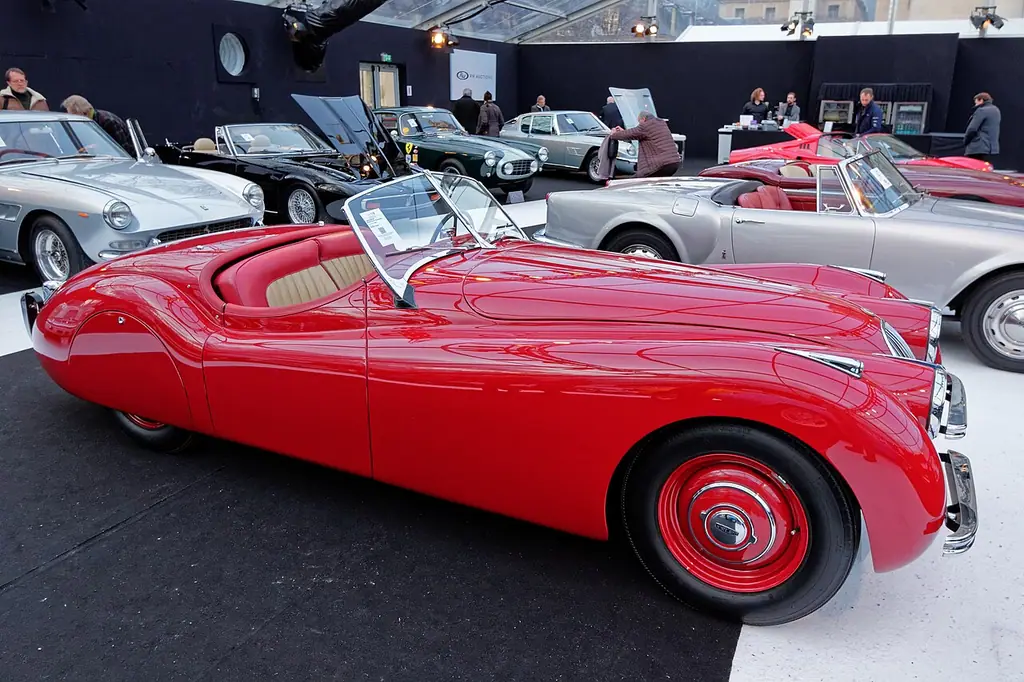
Photo: Thesupermat · CC BY-SA 4.0
Contents
01Overview
At a glance
- Built
- 242 Built
- Years
- 1948–1950
- Engine
- DOHC inline six-cylinder · 3,442 cc / 3.4 LFactory: 3,442 cc
- Power
- 119 kW / 162 PSFactory: 160 hp · converted
- Top speed
- 193 km/hFactory: 120 mph · converted
- Body
- Not yet verified
- Designer
- Not yet verified
- In this archive
- Not yet verified
- Surviving
- Not yet verified
Sources and any conflicting figures are in the sections below.
Why it matters
The alloy-bodied XK 120s are the first, largely hand-built examples of the car that sensationally launched Jaguar's XK sports-car line in 1948. Only 242 were made before production moved to steel bodies, which makes them the rarest and most sought-after XK 120 roadsters.
How rare is it?
Six separate kinds of rarity – never combined into one number.
Each kind of rarity is rated separately and never combined.
Photos
Exterior, interior and detail photos with their licences.
 Jaguar XK120 Alloy Roadster (Wikimedia Commons search)
Photo: Thesupermat · CC BY-SA 4.0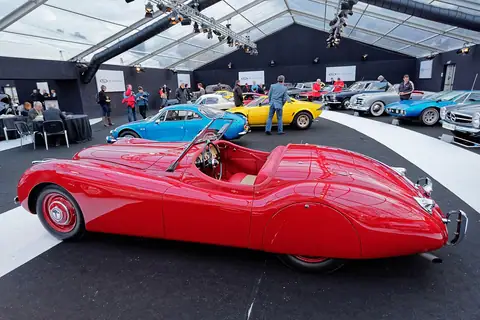 Jaguar XK120 Alloy Roadster (Wikimedia Commons search)
Photo: Thesupermat · CC BY-SA 4.0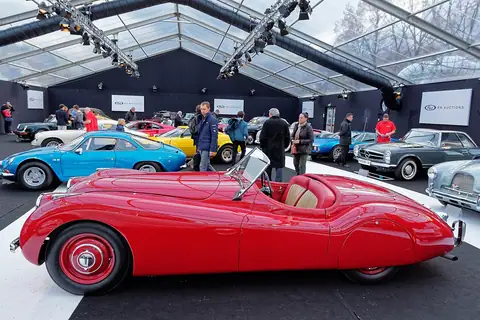 Jaguar XK120 Alloy Roadster (Wikimedia Commons search)
Photo: Thesupermat · CC BY-SA 4.0
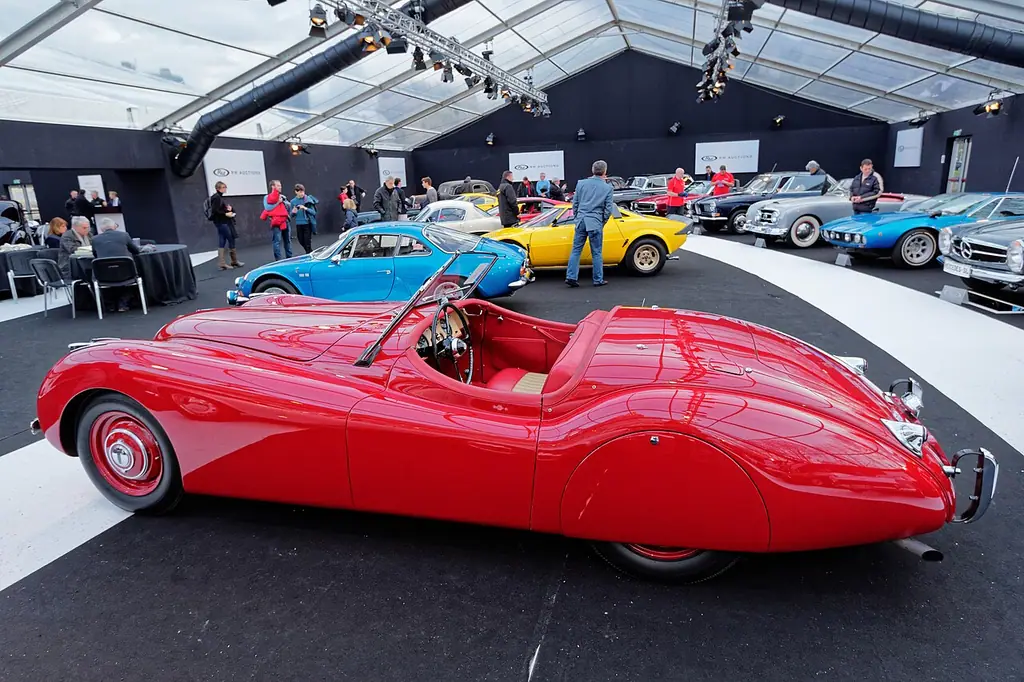
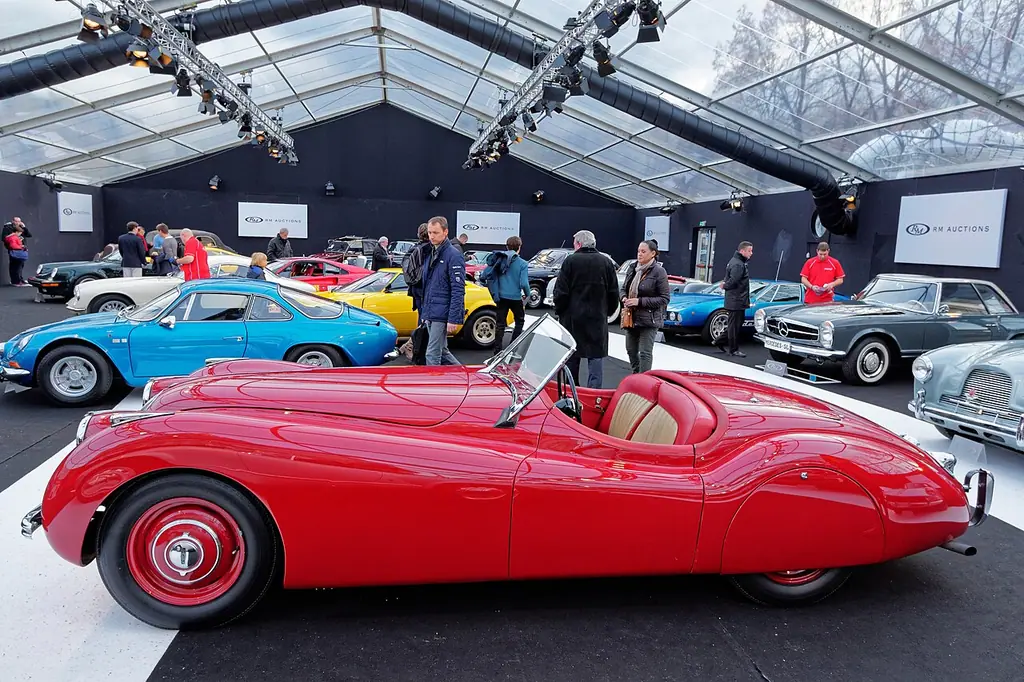


02Production & history
Production
Every figure says what it counts.
| What is counted | Figure | Basis | Status |
|---|---|---|---|
| Factory package productionaluminium examples built (184 LHD) | 2421,2 | Factory production | Independently researched |
Independent counts (e.g. engine and colour) are never combined into a calculated figure. Surviving examples are never presented as original production.
History
After the XK 120's reception at the 1948 London Motor Show, Jaguar rushed the hand-built, aluminium-bodied roadster into production, originally expecting a run of only about 200 cars. Demand was far higher, and to cut delays Jaguar switched to steel bodies; 242 alloy cars had been built by then, 184 with left-hand drive and 58 with right-hand drive. The cars used the 3,442 cc twin-cam six rated at 160 bhp with a four-speed manual gearbox.
Variants
How each version differs from the standard XK120 Alloy Roadster.
No variants documented yet. Have a source? Contribute it.
03Specifications
Technical specifications
Engine
| Engine family | Not yet verified |
|---|---|
| Engine code | Not yet verified |
| Layout | DOHC inline six-cylinder3 Independently researched |
| Displacement | 3,442 cc / 3.4 LFactory: 3,442 cc3 Independently researched |
| Bore | Not yet verified |
| Stroke | Not yet verified |
| Compression ratio | 9.0:1 (competition specification)1 Independently researchedSource gives 160 bhp street tune, 180 bhp competition spec. |
| Valvetrain | Twin overhead camshafts1 Independently researched |
| Fuel system | Twin SU carburettors1 Independently researched |
| Power | 119 kW / 162 PSFactory: 160 hp · converted3 Independently researchedSource states bhp (brake horsepower, mechanical). |
| Power at | Not yet verified |
| Torque | Not yet verified |
Transmission & drivetrain
| Gearbox | Four-speed manual3 Independently researched |
|---|---|
| Gears | 43 Independently researched |
| Driven wheels | Not yet verified |
Chassis, body & dimensions
| Chassis | Box-type chassis, simpler and lighter than the Mk V1 Independently researched |
|---|---|
| Front suspension | Wishbones and torsion bars1 Independently researched |
| Rear suspension | Live axle with transverse leaf springs1 Independently researched |
| Brakes | Lockheed drum brakes all round1 Independently researched |
| Steering | Not yet verified |
| Body construction | Not yet verified |
| Materials | Hand-beaten aluminium body panels1,4 Independently researched |
| Wheelbase | Not yet verified |
| Length | Not yet verified |
| Width | Not yet verified |
| Height | Not yet verified |
| Front track | Not yet verified |
| Rear track | Not yet verified |
| Kerb weight | Not yet verified |
| Dry weight | Not yet verified |
Performance
| Maximum speed | 193 km/hFactory: 120 mph · converted1 Independently researchedA virtually standard car reached 126.594 mph in 1949 (S1). |
|---|---|
| 0–100 km/h | Not yet verified |
| Fuel tank | Not yet verified |
“Not yet verified” means no source has been checked for that value yet. Nothing is estimated to fill a gap.
04Colours & options
Factory colours & interiors
Original paint and trim, with the number of cars in each where a source gives it.
Not yet documented. Have a source? Contribute it.
Factory options & codes
Codes are shown exactly as written by the manufacturer.
Not yet documented. Have a source? Contribute it.
05Individual cars
Chassis register
Every documented car, with its colours, history and where it is now. Open a row for the full record. Known chassis are not automatically authenticated originals.
Not yet documented. Have a source? Contribute it.
Competition history
Every race result of the individual cars, in date order. Click a chassis number to open its full record in the register.
Not yet documented. Have a source? Contribute it.
Auction & sale history
Documented public sales of the individual cars. Click a chassis number to open its full record in the register.
Not yet documented. Have a source? Contribute it.
See one in person
Museums where an example of this car can be seen.
No example is documented on public display yet. Have a source? Contribute it.
06Reference
Identification guide
How to tell an original from a replica or later conversion.
Genuine early cars have hand-built aluminium-alloy bodies rather than steel. An RM Sotheby's catalogue for an alloy car also lists period details such as earlier-style bonnet hinges, an alloy grille and a windscreen with large rubber grommets at its base. Chassis, engine, body and gearbox numbers should be checked against factory records.
Sources
Each number links to the exact facts it supports.
-
1
1948 - 1950 Jaguar XK120 Alloy Roadster Level B Ultimatecarpage.com
- Numbers built: 242
- competition spec with the compression increased to 9.0:1
- the new XK featured twin overhead camshafts
- Both versions used a twin SU Carburetor setup
- new box type chassis, but with a simpler and lighter construction
- wishbones and torsion bars at the front
- live axle with transverse leaf springs
- Lockheed drum brakes were fitted all around
- very first examples featured hand beaten aluminium body panels
- claimed top speed of 120 mph
-
2
RM Sotheby's lot catalogue: 1949 Jaguar XK 120 Alloy Roadster (Monterey 2023) Level B
- 242 aluminium examples built (184 LHD)
-
3
1950 Jaguar XK 120 Alloy Roadster | Amelia Island 2012 Level C RM Sotheby's
- dual overhead camshaft inline six-cylinder engine
- 3,442 cc
- 160 bhp
- four-speed manual gearbox
-
4
1950 Jaguar XK 120 OTS NUB 120 Level A Jaguar Daimler Heritage Trust
- light weight of its all-alloy bodywork
Keep exploring
More from Jaguar
-
Jaguar · 1966
XJ13
1 Built
-
Jaguar · 1992
XJ40 Prototype Shooting Brake (J199 TAC)
1 Built
-
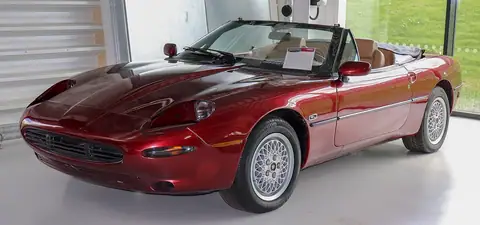
Jaguar · 1988
XJ42 prototype (convertible)
1 Built
-
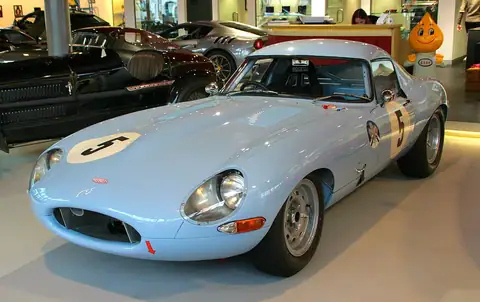
Jaguar · 1962
E-type Low Drag Coupé (CUT 7)
2 Built
More from United Kingdom
-
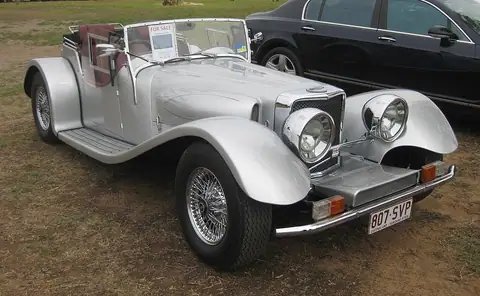
Panther · 1972
J72
Production not yet verified
-
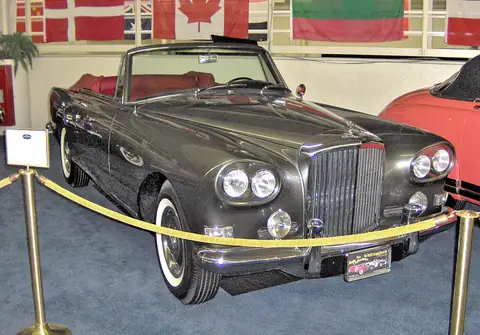
Bentley
S3 Continental Drophead Coupé by Mulliner Park Ward ("Chinese Eye")
75 Built
-
Frazer Nash
Sebring
Production not yet verified
-
TVR
350SE
Production not yet verified
131 other makes from United KingdomACAiredaleAlan Mann RacingAllardAlvisArabArashArielArmstrong SiddeleyArrowsAscariAston MartinAtalantaAtlantisAustinAustin-HealeyBedfordBentleyBerkeleyBluebirdBMCBondBrabhamBristolBritish LeylandBroadspeedBrookeBrough SuperiorCampbell-RailtonCaparoCaterhamChevronConnaughtCooperCrayfordDaimlerDavid BrownDawsonDeLoreanDuttonAll makes →