Makes › Jowett › Jupiter (1950-1954) · Rare production
Jowett
Jupiter (1950-1954)
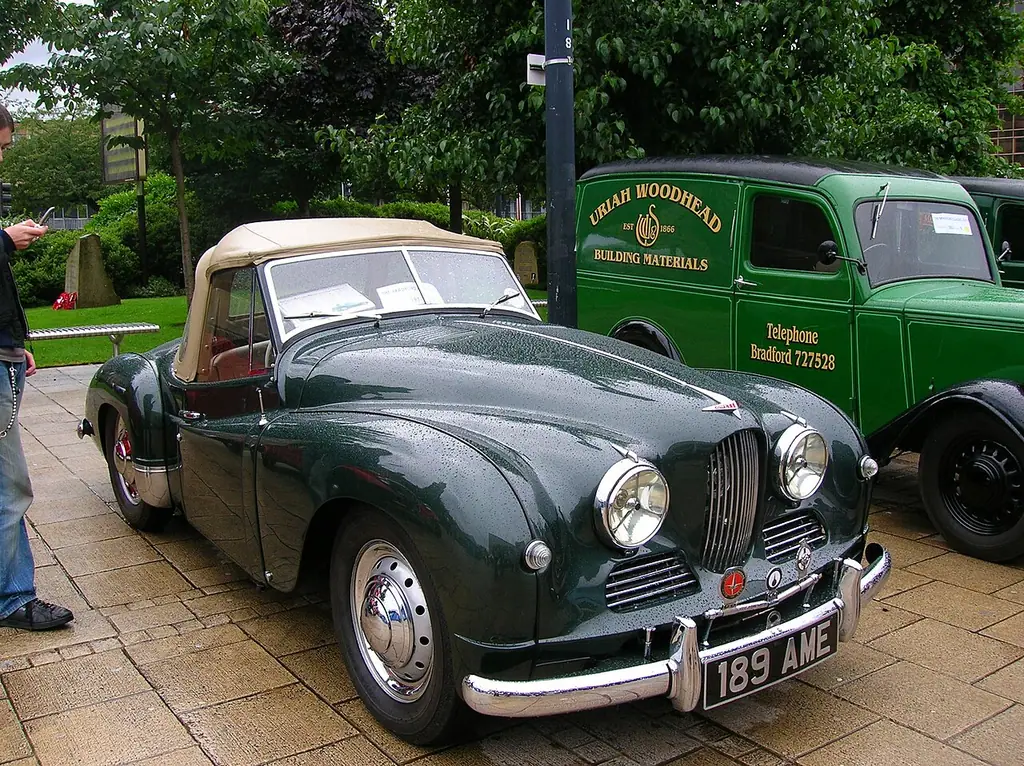
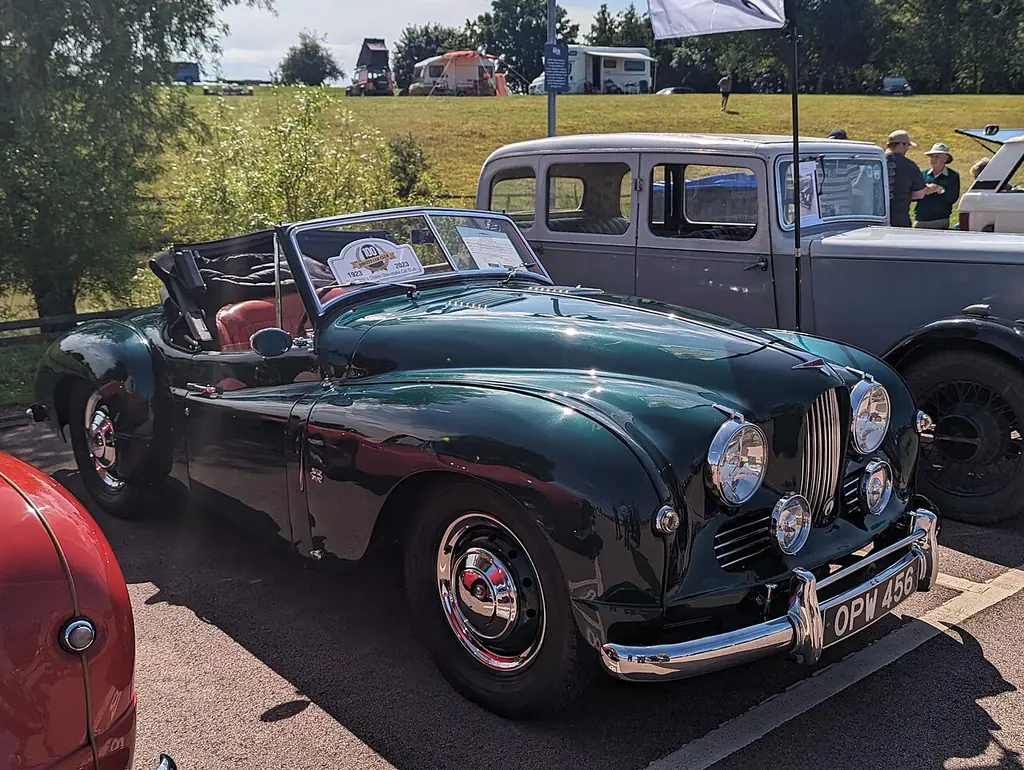
Jowett Jupiter sports car
Still being researched: identification guide, full specifications. Everything shown is checked against the cited sources. Know more? Send us a source.
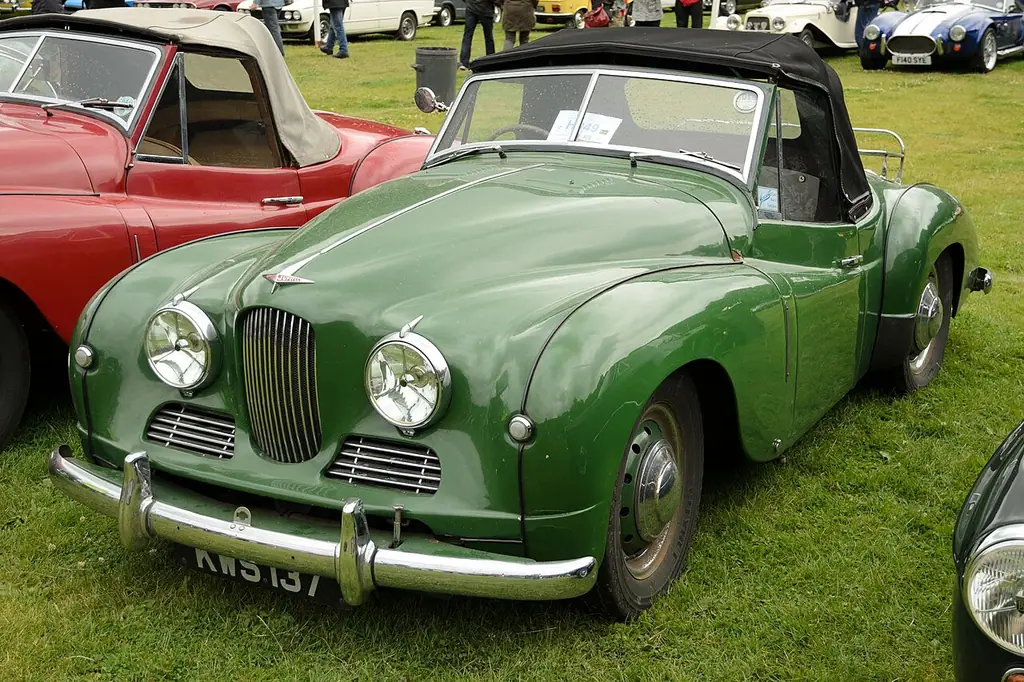
Photo: SG2012 · CC BY 2.0
Contents
01Overview
At a glance
- Built
- Not yet verified
- Years
- Not yet verified
- Engine
- Flat-four (flat-opposed four) · 1,486 cc / 1.5 LFactory: 1,486 cc
- Power
- 47.7 kW / 64.9 PSFactory: 64 hp · converted
- Top speed
- 137 km/hFactory: 85 mph · converted
- Body
- Not yet verified
- Designer
- Lawrence Pomeroy (concept), Robert Eberan von Eberhorst (initial engineering), Reg Korner (body design)
- In this archive
- Not yet verified
- Surviving
- Not yet verified
Sources and any conflicting figures are in the sections below.
Why it matters
The Jupiter was Jowett's open two-seat sports car. It used an unusual tubular chassis with torsion-bar springing and was raced and rallied in club and national events. A total of 831 standard-bodied cars was made before Jowett ceased trading in 1954.
How rare is it?
Six separate kinds of rarity – never combined into one number.
Each kind of rarity is rated separately and never combined.
Photos
Exterior, interior and detail photos with their licences.
 Jowett Jupiter (1950-1954) (Wikimedia Commons search)
Photo: SG2012 · CC BY 2.0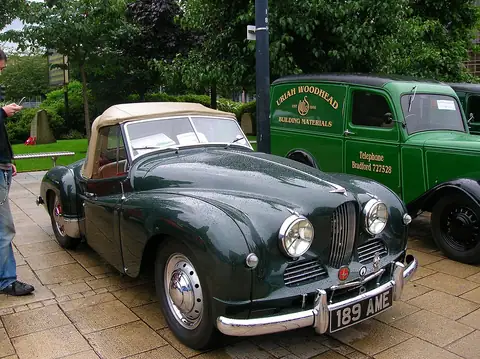 Jowett Jupiter (1950-1954) (Wikimedia Commons search)
Photo: Helena · CC BY-SA 2.0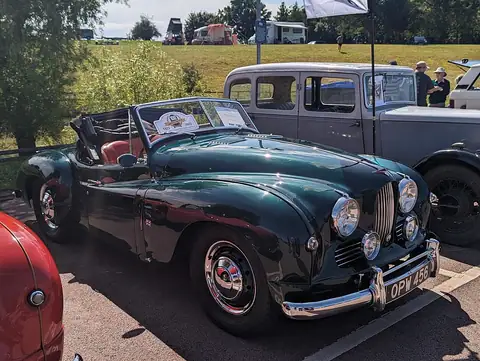 Jowett Jupiter (1950-1954) (Wikimedia Commons search)
Photo: Calreyn88 · CC BY-SA 4.0


02Production & history
Production
Every figure says what it counts.
No production figures recorded yet.
History
Jowett gave the Jupiter's chassis work to ERA, but the contract ended and Jowett built its own chassis. The body was designed by Reg Korner, instructed to use the Jaguar XK120 as the model. The engine was the 1486 cc flat-four from the Javelin saloon.
The Jupiter's best known result was a class win at Le Mans in 1950. A later Mk 1A appeared in 1953. The R.4 of 1954 had a new streamlined body, but only three R.4s were built.
Variants
How each version differs from the standard Jupiter (1950-1954).
No variants documented yet. Have a source? Contribute it.
03Specifications
Technical specifications
Engine
| Engine family | Not yet verified |
|---|---|
| Engine code | Not yet verified |
| Layout | Flat-four (flat-opposed four)1 Independently researched |
| Displacement | 1,486 cc / 1.5 LFactory: 1,486 cc1 Independently researched |
| Bore | 72.5 mmFactory: 72.5 mm1 Independently researched |
| Stroke | 90 mmFactory: 90 mm1 Independently researched |
| Compression ratio | 7.2:1 initially, 8:1 by 19531 Independently researched |
| Fuel system | Not yet verified |
| Power | 47.7 kW / 64.9 PSFactory: 64 hp · converted1 Independently researchedGiven for the R.4 (1954) using the same engine. Not stated for the 1950 car. |
| Power at | 5,000 rpm1 Independently researched |
| Torque | Not yet verified |
Transmission & drivetrain
| Gearbox | Not yet verified |
|---|---|
| Gears | Not yet verified |
| Driven wheels | Not yet verified |
Chassis, body & dimensions
| Chassis | Two chrome molybdenum steel tubes running the length of the car, braced by an X-shaped rear member1 Independently researched |
|---|---|
| Front suspension | Independent wishbones with longitudinal torsion bars1 Independently researched |
| Rear suspension | Transverse torsion bars (semi-elliptic springs on the R.4)1 Independently researched |
| Brakes | Not yet verified |
| Steering | Not yet verified |
| Body construction | Not yet verified |
| Wheelbase | Not yet verified |
| Length | Not yet verified |
| Width | Not yet verified |
| Height | Not yet verified |
| Front track | Not yet verified |
| Rear track | Not yet verified |
| Kerb weight | Not yet verified |
| Dry weight | Not yet verified |
Performance
| Maximum speed | 137 km/hFactory: 85 mph · converted1 Independently researchedFigure for the 8:1 engine. The factory claimed up to 100 mph for the R.4 with optional overdrive. |
|---|---|
| 0–100 km/h | Not yet verified |
| Fuel tank | Not yet verified |
“Not yet verified” means no source has been checked for that value yet. Nothing is estimated to fill a gap.
04Colours & options
Factory colours & interiors
Original paint and trim, with the number of cars in each where a source gives it.
Not yet documented. Have a source? Contribute it.
Factory options & codes
Codes are shown exactly as written by the manufacturer.
Not yet documented. Have a source? Contribute it.
05Individual cars
Chassis register
Every documented car, with its colours, history and where it is now. Open a row for the full record. Known chassis are not automatically authenticated originals.
Not yet documented. Have a source? Contribute it.
Competition history
Every race result of the individual cars, in date order. Click a chassis number to open its full record in the register.
Not yet documented. Have a source? Contribute it.
Auction & sale history
Documented public sales of the individual cars. Click a chassis number to open its full record in the register.
Not yet documented. Have a source? Contribute it.
See one in person
Museums where an example of this car can be seen.
No example is documented on public display yet. Have a source? Contribute it.
06Reference
Identification guide
How to tell an original from a replica or later conversion.
Not yet documented. Have a source? Contribute it.
Sources
Each number links to the exact facts it supports.
-
1
Veteran to classic -- Jowett Jupiter Level C William Kimberley · Motor Sport · 1991-03-01
- the same 1486cc flat-four powerplant from the Javelin
- The 1486cc engine, with a bore and stroke of 72.5mm x 90mm
- bore and stroke of 72.5mm x 90mm
- had an initial compression ratio of 7.2 to 1
- by 1953, it had worked its way up to 8 to 1
- The engine produced 64 bhp at 5000 rpm
- two chrome molybdenum steel tubings running the length of the car
- Springing all round was by torsion bars, longitudinal in front
- transverse in the rear
- semi-elliptic springs replaced the torsion bars
- Top speed of the Jowett Jupiter was in fact 85 mph with the 8 to 1 compression ratio
Keep exploring
More from Jowett
This is the only Jowett documented so far.
More from United Kingdom
-

Prodrive
Hunter
Production not yet verified
-
Rochdale
Olympic
Production not yet verified
-
Lotus
25
Production not yet verified
-
MG · 1985–1991
Montego Turbo
7,276 Built
134 other makes from United KingdomACAiredaleAlan Mann RacingAllardAlvisArabArashArielArmstrong SiddeleyArrowsAscariAston MartinAtalantaAtlantisAustinAustin-HealeyBedfordBentleyBerkeleyBluebirdBMCBondBrabhamBristolBritish LeylandBroadspeedBrookeBrough SuperiorCampbell-RailtonCaparoCaterhamChevronConnaughtCooperCrayfordDaimlerDavid BrownDawsonDeLoreanDuttonAll makes →