Makes › Leyland › Eight · Rare production · 1920–1923 Ultra Rare
Leyland
Eight
Parry Thomas-designed straight-eight luxury car
Still being researched: full specifications. Everything shown is checked against the cited sources. Know more? Send us a source.
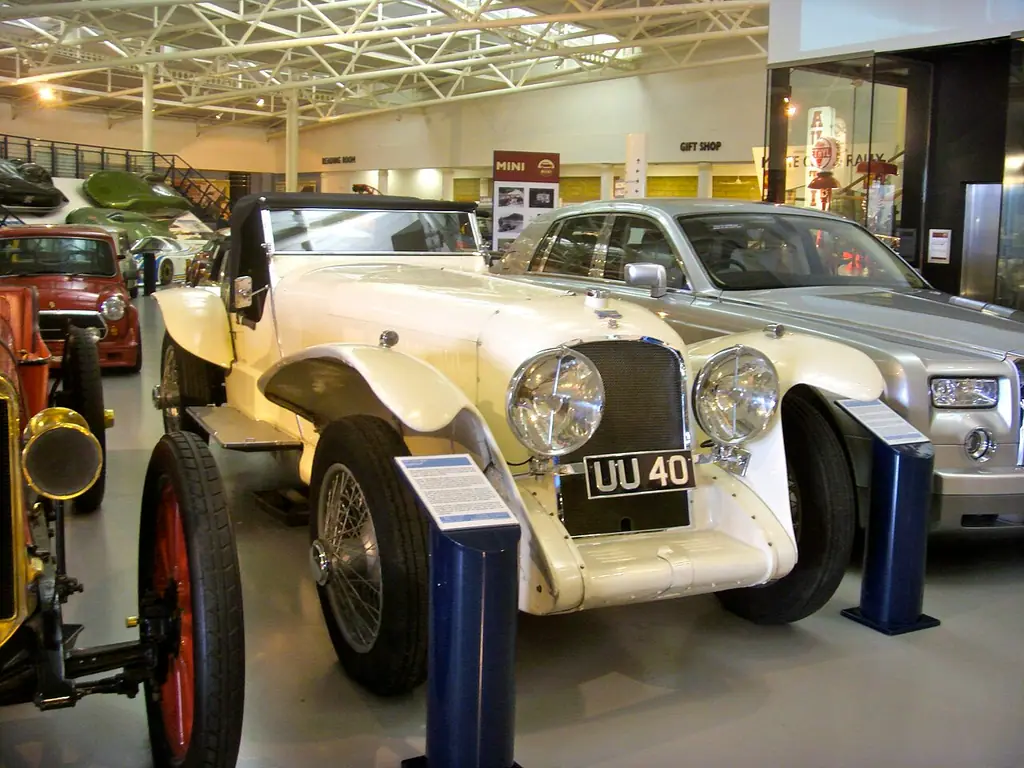
Photo: Mark Brown from Hampton, New Brunswick, Canada · CC BY-SA 2.0
Contents
01Overview
At a glance
- Built
- 18 Built
- Years
- 1920–1923
- Engine
- Straight (inline) eight · 6,967 cc / 7.0 LFactory: 6,967 cc
- Power
- Not yet verified
- Top speed
- Not yet verified
- Body
- Not yet verified
- Designer
- J. G. Parry Thomas
- In this archive
- Not yet verified
- Surviving
- 1 (independently researched)
Sources and any conflicting figures are in the sections below.
Why it matters
Intended by J. G. Parry Thomas as the best car in the world and a rival to Rolls-Royce, the Leyland Eight was the first eight-cylinder in-line British touring car. It made a sensation at the 1920 Motor Show but is remembered as a magnificent commercial failure.
How rare is it?
Six separate kinds of rarity – never combined into one number.
Each kind of rarity is rated separately and never combined.
Photos
Exterior, interior and detail photos with their licences.
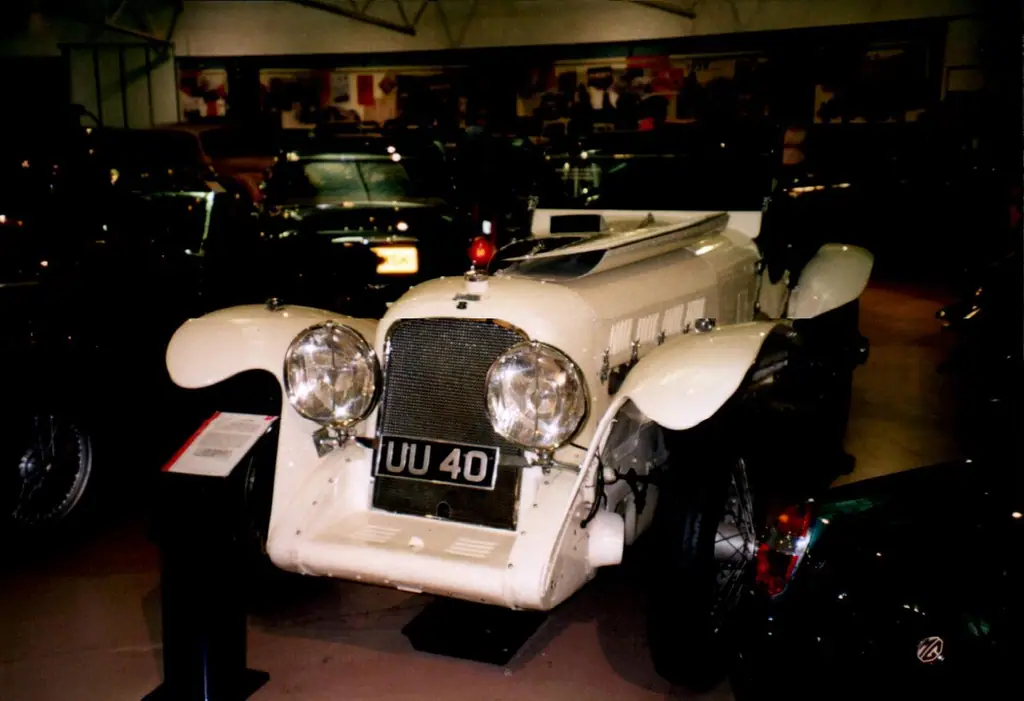
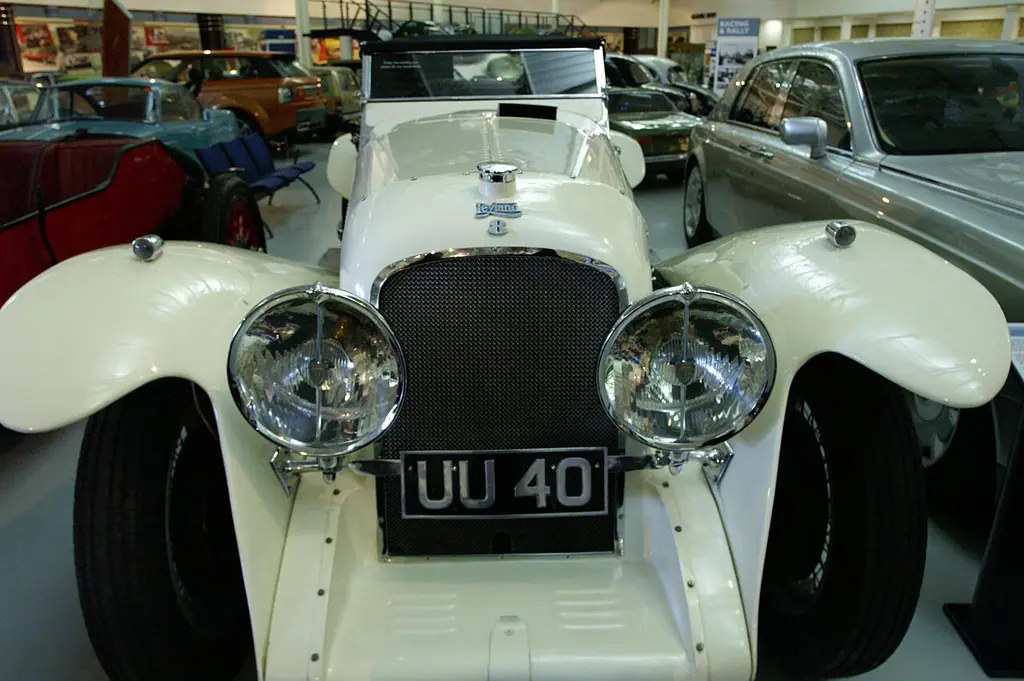
 Leyland Eight (Wikimedia Commons: Leyland Eight)
Photo: Mark Brown from Hampton, New Brunswick, Canada · CC BY-SA 2.0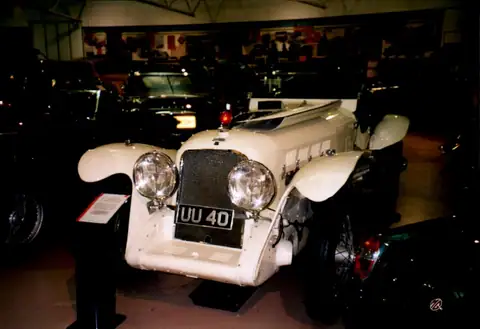 Leyland Eight (Wikimedia Commons: Leyland Eight)
Photo: Buch-t · Public domain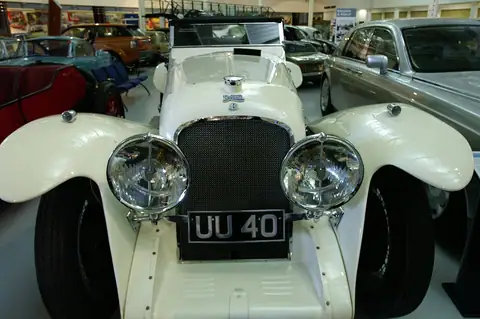 Leyland Eight (Wikimedia Commons: Leyland Eight)
Photo: David Merrett from Daventry, England · CC BY 2.0


02Production & history
Production
Every figure says what it counts.
| What is counted | Figure | Basis | Status |
|---|---|---|---|
| Total model productionSole surviving Leyland Eight, a two-seater with a 7.2-litre engine, shown at the Heritage Motor Centre (1993 report) | 13 | Surviving examples | Independently researched |
| Total model productionLeyland Eight cars built, per the makers ("only eighteen were built") | 181,2 | Factory production | Registry reported |
Independent counts (e.g. engine and colour) are never combined into a calculated figure. Surviving examples are never presented as original production.
History
In 1917 Leyland Motors commissioned J. G. Parry Thomas to design a luxury car to rival Rolls-Royce; Reid Railton joined the design team the same year. The Leyland Eight was launched in 1920 and discontinued in 1923 after only eighteen cars had been made.
Variants
How each version differs from the standard Eight.
No variants documented yet. Have a source? Contribute it.
03Specifications
Technical specifications
Engine
| Engine family | Not yet verified |
|---|---|
| Engine code | Not yet verified |
| Layout | Straight (inline) eight4 Independently researched |
| Cylinders | 84 Independently researched |
| Displacement | 6,967 cc / 7.0 LFactory: 6,967 cc4 Independently researchedLater enlarged to 7266 cc (S1); the surviving car is described as 7.2-litre (S2). |
| Bore | Not yet verified |
| Stroke | Not yet verified |
| Compression ratio | Not yet verified |
| Fuel system | Not yet verified |
| Power | Not yet verified |
| Power at | Not yet verified |
| Torque | Not yet verified |
Transmission & drivetrain
| Gearbox | Not yet verified |
|---|---|
| Gears | Not yet verified |
| Driven wheels | Not yet verified |
Chassis, body & dimensions
| Chassis | Not yet verified |
|---|---|
| Front suspension | Not yet verified |
| Rear suspension | Not yet verified |
| Brakes | Not yet verified |
| Steering | Not yet verified |
| Body construction | Not yet verified |
| Wheelbase | Not yet verified |
| Length | Not yet verified |
| Width | Not yet verified |
| Height | Not yet verified |
| Front track | Not yet verified |
| Rear track | Not yet verified |
| Kerb weight | Not yet verified |
| Dry weight | Not yet verified |
Performance
| Maximum speed | Not yet verified |
|---|---|
| 0–100 km/h | Not yet verified |
| Fuel tank | Not yet verified |
“Not yet verified” means no source has been checked for that value yet. Nothing is estimated to fill a gap.
04Colours & options
Factory colours & interiors
Original paint and trim, with the number of cars in each where a source gives it.
Not yet documented. Have a source? Contribute it.
Factory options & codes
Codes are shown exactly as written by the manufacturer.
Not yet documented. Have a source? Contribute it.
05Individual cars
Chassis register
Every documented car, with its colours, history and where it is now. Open a row for the full record. Known chassis are not automatically authenticated originals.
Not yet documented. Have a source? Contribute it.
Competition history
Every race result of the individual cars, in date order. Click a chassis number to open its full record in the register.
Not yet documented. Have a source? Contribute it.
Auction & sale history
Documented public sales of the individual cars. Click a chassis number to open its full record in the register.
Not yet documented. Have a source? Contribute it.
See one in person
Museums where an example of this car can be seen.
No example is documented on public display yet. Have a source? Contribute it.
06Reference
Identification guide
How to tell an original from a replica or later conversion.
The sole surviving example is a large two-seater with a 7.2-litre engine, held at the Heritage Motor Centre at Gaydon. The first car completed was an open four-seater with a disappearing hood, and the engine was first 6967 cc and later enlarged to 7266 cc.
Sources
Each number links to the exact facts it supports.
-
1
Leyland Motors Level B Grace's Guide
- discontinued in 1923 after just eighteen cars were made
-
2
Motor Sport, July 1948 – Rare Types, No 4: Leyland-Eight Level C
- 18 Leyland Eight cars built, per the makers ("only eighteen were built")
-
3
Motoring: all our yesterdays (Heritage Motor Centre opening) Level C The Independent (Phil Llewellin) · 1993-05-01
- The sole surviving Leyland Eight - a huge two-seater with a 7.2-litre engine
-
4
Leyland Eight (Welsh Motor Sport - Cars) Level C Welsh Motor Sport, via Wayback Machine
- first eight-cylinder-in-line British touring car
- eight-cylinder-in-line
- The engine was 6967c.c.when the car first appeared
Keep exploring
More from Leyland
-
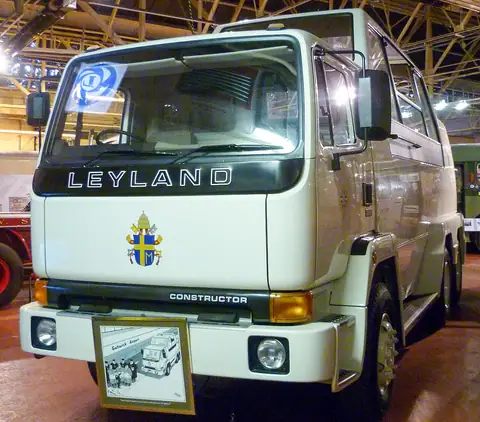
Leyland · 1982
Constructor Popemobile (Ogle Design)
2 Built
-
No licensed photo yet
Leyland · 1977
Princess 1800 D (ADO71 diesel)
50 Built
More from United Kingdom
-
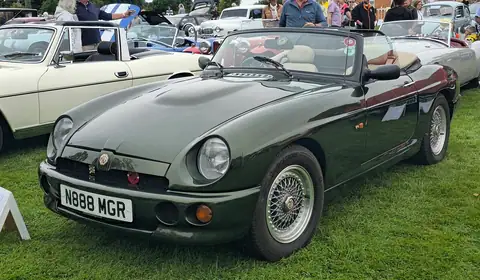
MG · 1992–1995
RV8
1,983 Built
-
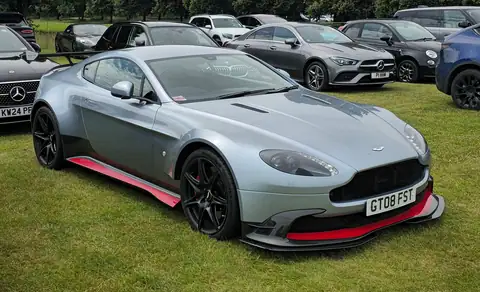
Aston Martin · 2016
V8 Vantage GT8
150 Built
-
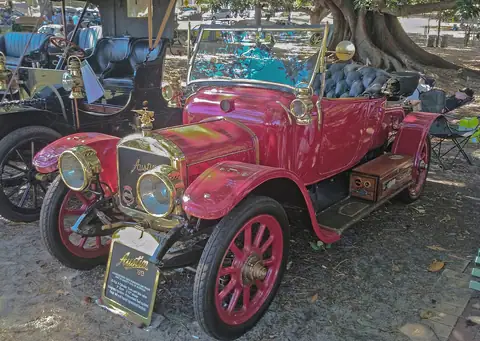
Austin
10 hp
Production not yet verified
-
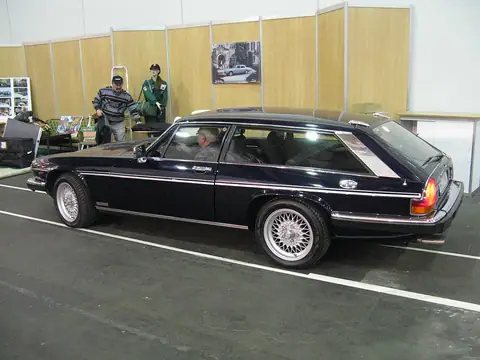
Lynx
XJ-S Eventer
67 Built
134 other makes from United KingdomACAiredaleAlan Mann RacingAllardAlvisArabArashArielArmstrong SiddeleyArrowsAscariAston MartinAtalantaAtlantisAustinAustin-HealeyBedfordBentleyBerkeleyBluebirdBMCBondBrabhamBristolBritish LeylandBroadspeedBrookeBrough SuperiorCampbell-RailtonCaparoCaterhamChevronConnaughtCooperCrayfordDaimlerDavid BrownDawsonDeLoreanDuttonAll makes →