Makes › Lotus › Elan › Elan (Type 26/45) · Rare production · 1963–1973
Lotus
Elan (Type 26/45)
9,659 built
Still being researched: identification guide. Everything shown is checked against the cited sources. Know more? Send us a source.
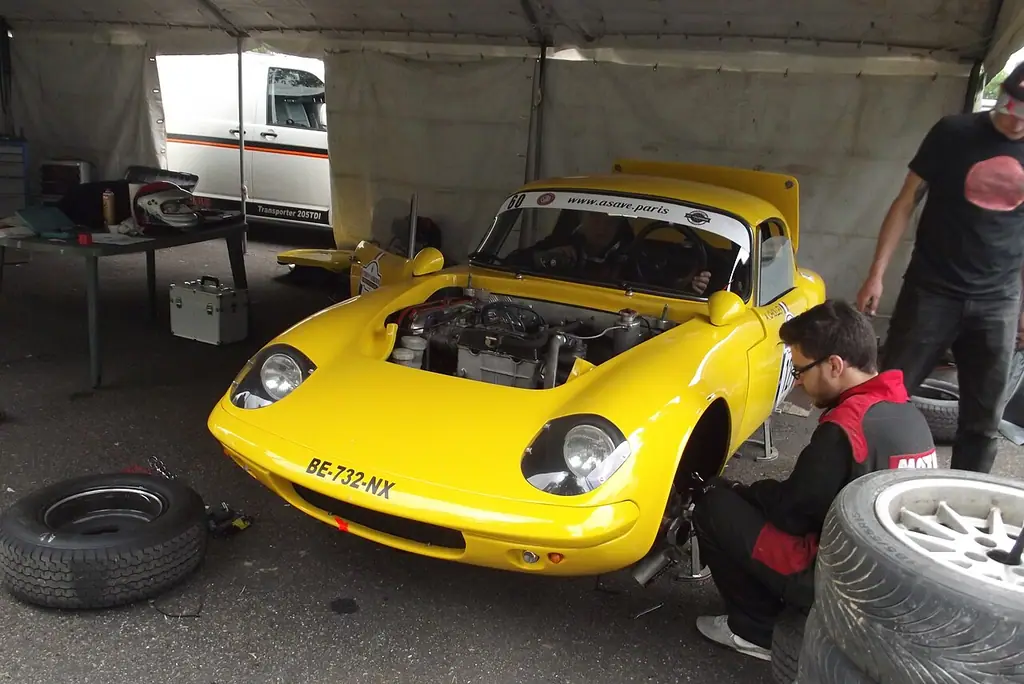
Photo: Handelsgeselschaft · CC BY-SA 4.0
Contents
01Overview
At a glance
- Built
- Not yet verified
- Years
- 1963–1973
- Engine
- Inline-four, DOHC · 1,558 cc / 1.6 LFactory: 1,558 cc
- Power
- 85.8 kW / 117 PSFactory: 115 hp · converted
- Top speed
- 180 km/hFactory: 112 mph · converted
- Body
- Not yet verified
- Designer
- Colin Chapman
- In this archive
- Not yet verified
- Surviving
- Not yet verified
Sources and any conflicting figures are in the sections below.
Why it matters
The Elan was Colin Chapman's light roadster, built on a steel backbone frame with a fibreglass body. It was the first Lotus road car to use that construction, and the 1964 Car and Driver test praised its cornering and handling.
How rare is it?
Six separate kinds of rarity – never combined into one number.
Each kind of rarity is rated separately and never combined.
Photos
Exterior, interior and detail photos with their licences.
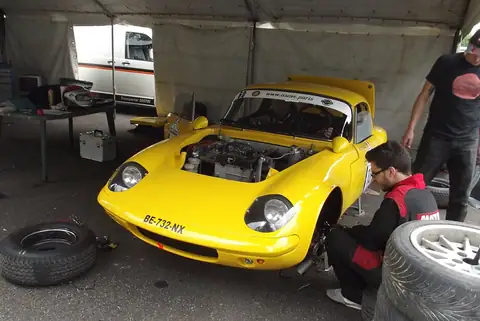 Lotus Elan (Type 26/45) (Wikimedia Commons search)
Photo: Handelsgeselschaft · CC BY-SA 4.0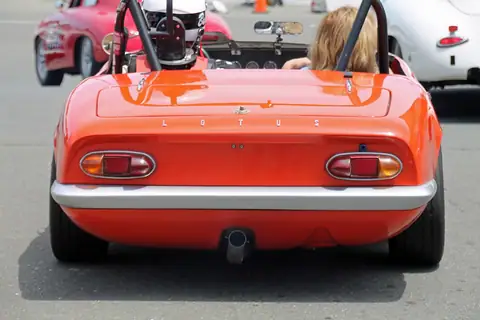 Lotus Elan (Type 26/45) (Wikimedia Commons search)
Photo: SarahStierch · CC BY 4.0
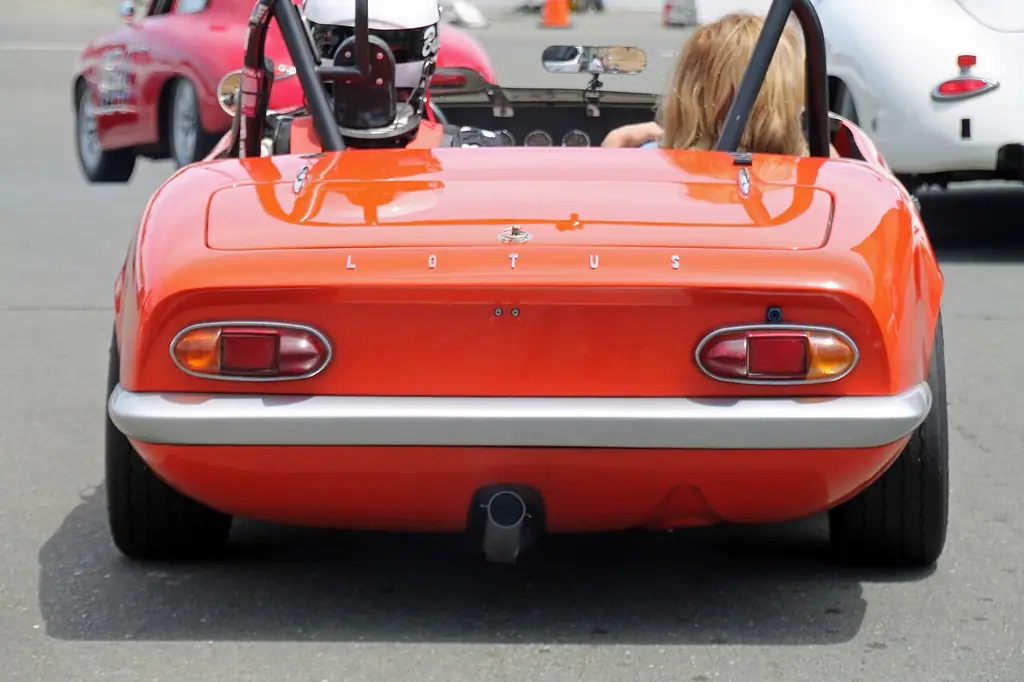


02Production & history
Production
Every figure says what it counts.
No production figures recorded yet.
History
The Type 26 Elan was introduced and remained in production for 11 years. The enhanced Type 45 Elan S3 drophead followed in 1966. The Lotus Elan Registry covers the 1963 to 1973 cars.
The 1964 test car used a 1558 cc twin-cam engine: the Ford 116-E block was bored to 81.6 mm with its 72.75 mm stroke kept, giving 1558 cc. The test recorded a standing quarter-mile of 15.7 seconds at 87 mph and an estimated top speed of 112 mph.
Variants
How each version differs from the standard Elan (Type 26/45).
No variants documented yet. Have a source? Contribute it.
03Specifications
Technical specifications
Engine
| Engine manufacturer | Lotus cylinder head on a Ford block1 Independently researched |
|---|---|
| Engine family | Lotus-Ford twin-cam1 Independently researched |
| Engine code | Ford 116-E block with Lotus DOHC head1 Independently researched |
| Layout | Inline-four, DOHC1 Independently researched |
| Cylinders | 41 Independently researched |
| Displacement | 1,558 cc / 1.6 LFactory: 1,558 cc1 Independently researchedSame article says the engine was first used in 1498 cc form in the Lotus 23. |
| Bore | 81.6 mmFactory: 81.6 mm1 Independently researched |
| Stroke | 72.75 mmFactory: 72.75 mm1 Independently researched |
| Compression ratio | 9.5:11 Independently researched |
| Valvetrain | DOHC, 54-degree included valve angle1 Independently researched |
| Fuel system | Not yet verified |
| Power | 85.8 kW / 117 PSFactory: 115 hp · converted2 Independently researchedLevel D figure for the 1966 S3 SE (Type 45 family), not the 1964 Type 26 test car. From an enthusiast source (level D) – not yet confirmed by the maker or a registry. |
| Power at | 5,500 rpm1 Independently researchedPeak power figure in kW/PS/hp is not given in the test text. |
| Torque | 147 NmFactory: 147 Nm2 Independently researchedLevel D figure, 1966 S3 SE. From an enthusiast source (level D) – not yet confirmed by the maker or a registry. |
| Torque at | 4,000 rpm1 Independently researched |
| Redline | 6,500 rpm1 Independently researched |
Transmission & drivetrain
| Gearbox | Four-speed manual, close-ratio gearbox derived from the Ford Consul Corsair unit1 Independently researched |
|---|---|
| Gears | 41 Independently researched |
| Driven wheels | Not yet verified |
Chassis, body & dimensions
| Chassis | Deep box-section steel backbone frame with fibreglass body1 Independently researched |
|---|---|
| Front suspension | Unequal-length wishbones with coil spring and shock absorber struts1 Independently researched |
| Rear suspension | Lower wishbones only, top location by Chapman struts1 Independently researched |
| Brakes | Not yet verified |
| Steering | Not yet verified |
| Body construction | Fibreglass shell with metal reinforcements for the doors and windscreen, unit structure1 Independently researched |
| Wheelbase | Not yet verified |
| Length | Not yet verified |
| Width | Not yet verified |
| Height | Not yet verified |
| Front track | Not yet verified |
| Rear track | Not yet verified |
| Kerb weight | 696 kgFactory: 696 kg2 Independently researchedLevel D claimed figure for the 1966 S3 SE. From an enthusiast source (level D) – not yet confirmed by the maker or a registry. |
| Dry weight | Not yet verified |
Performance
| Maximum speed | 180 km/hFactory: 112 mph · converted1 EstimatedCarfolio (level D) claims 118 mph for the 1966 S3 SE; not used as the value. |
|---|---|
| 0–100 km/h | Not yet verified |
| Fuel tank | Not yet verified |
“Not yet verified” means no source has been checked for that value yet. Nothing is estimated to fill a gap.
04Colours & options
Factory colours & interiors
Original paint and trim, with the number of cars in each where a source gives it.
Not yet documented. Have a source? Contribute it.
Factory options & codes
Codes are shown exactly as written by the manufacturer.
Not yet documented. Have a source? Contribute it.
05Individual cars
Chassis register
Every documented car, with its colours, history and where it is now. Open a row for the full record. Known chassis are not automatically authenticated originals.
Not yet documented. Have a source? Contribute it.
Competition history
Every race result of the individual cars, in date order. Click a chassis number to open its full record in the register.
Not yet documented. Have a source? Contribute it.
Auction & sale history
Documented public sales of the individual cars. Click a chassis number to open its full record in the register.
Not yet documented. Have a source? Contribute it.
See one in person
Museums where an example of this car can be seen.
No example is documented on public display yet. Have a source? Contribute it.
06Reference
Identification guide
How to tell an original from a replica or later conversion.
Not yet documented. Have a source? Contribute it.
Sources
Each number links to the exact facts it supports.
-
1
Tested: 1964 Lotus Elan 1600 Level C Car and Driver
- designed and developed by Lotus, not by Ford
- The 116-E became the basis for the Lotus twin-cam conversion
- DOHC inline-4, cast iron block
- giving a displacement of 1558cc
- The block was bored out to 81.6mm
- the stroke was kept at 72.75mm
- ratio of 9.5 to one
- use a quite narrow valve angle (54 degrees included)
- Peak power is developed at 5500
- maximum torque at 4000
- at 6500 rpm
- the Lotus shift linkage
- synchromesh is not particularly effective on rapid changes
- deep box-section steel backbone frame
- with unequal-length wishbones
- the Elan has lower wishbones only and positive top location via the Chapman suspension struts
- The body is a fiberglass shell with metal reinforcements for the doors and windshield
- Top speed (estimated): 112 mph
-
2
1966 Lotus Elan S3 SE specifications Level D Carfolio.com
- It develops 115 bhp (117 PS/86 kW) of power at 6000 rpm
- maximum torque of 147
- Claimed weight at the kerb is 696 kg
Keep exploring
More from Lotus
-
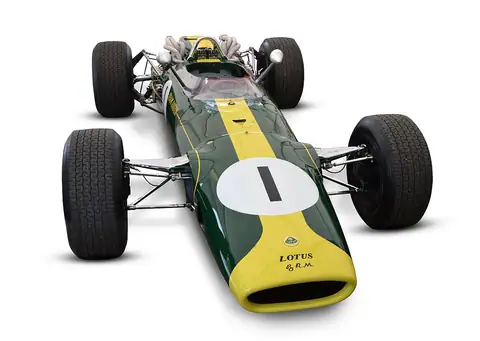
Lotus · 1966–1967
43
2 Built
-
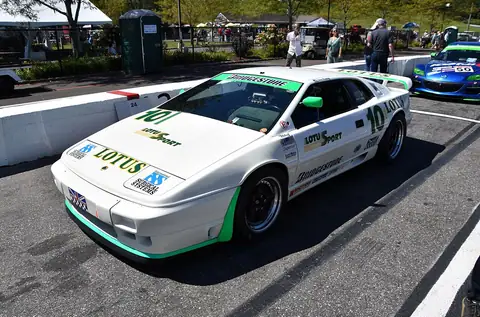
Lotus · 1990–1991
Esprit X180R
3 Built
-
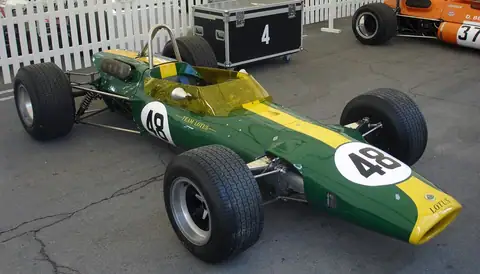
Lotus · 1967–1968
48
4 Built
-
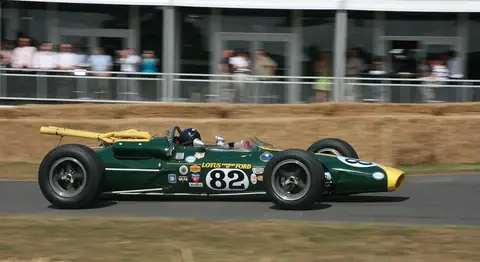
Lotus
38
8 Built
More from United Kingdom
-
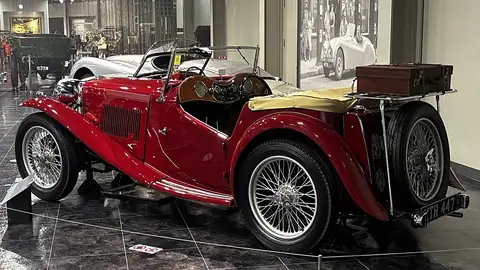
MG
TC Midget (1945-1949)
Production not yet verified
-
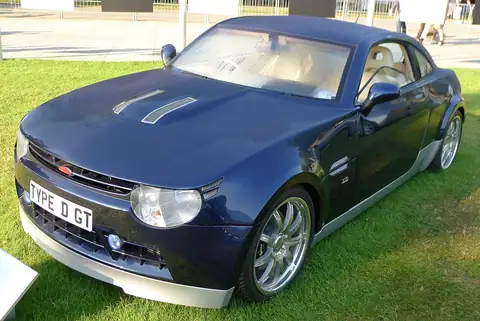
Connaught
Type D GT (Syracuse Edition)
100 Built
-
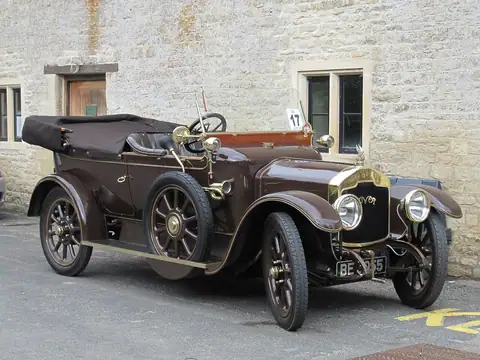
Rover
12 (pre-World War I)
Production not yet verified
-
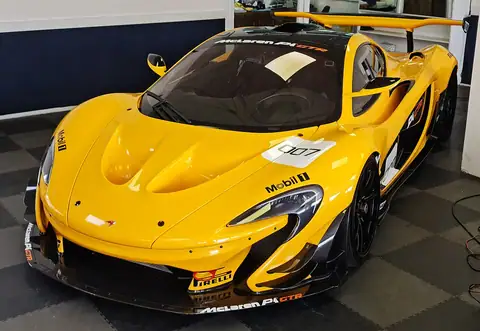
McLaren
P1 GTR
58 Built
134 other makes from United KingdomACAiredaleAlan Mann RacingAllardAlvisArabArashArielArmstrong SiddeleyArrowsAscariAston MartinAtalantaAtlantisAustinAustin-HealeyBedfordBentleyBerkeleyBluebirdBMCBondBrabhamBristolBritish LeylandBroadspeedBrookeBrough SuperiorCampbell-RailtonCaparoCaterhamChevronConnaughtCooperCrayfordDaimlerDavid BrownDawsonDeLoreanDuttonAll makes →