Makes › Mercedes-Benz › SSKL (Super Sport Kurz Leicht) · Factory competition · 1931 Ultra Rare
Mercedes-Benz
SSKL (Super Sport Kurz Leicht)
Drilled-chassis lightweight works competition SSK, not in the sales programme; 1931 Mille Miglia winner
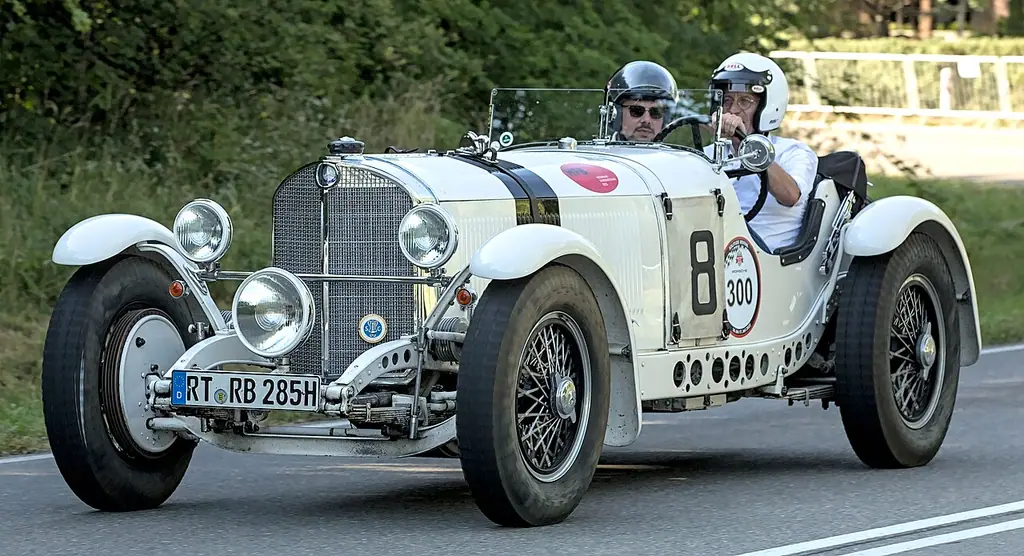
Photo: Alexander Migl · CC BY-SA 4.0
Contents
01Overview
At a glance
- Built
- 4 Built
- Years
- 1931
- Engine
- 6-cylinder in-line; front, longitudinal; vertical · 7,065 cc / 7.1 LFactory: 7,065 cc
- Power
- 224 kW / 304 PSFactory: 300 hp · converted
- Top speed
- 235 km/hFactory: 235 km/h
- Body
- Not yet verified
- Designer
- Hans Nibel (head of development); engine by Albert Heess
- In this archive
- Not yet verified
- Surviving
- Not yet verified
Sources and any conflicting figures are in the sections below.
Why it matters
The SSKL ("Super Sport Kurz Leicht") was the final and fastest development of the Mercedes-Benz W 06 supercharged sports-car series, a purpose-built works racing car for 1931. Only four were built; they gave Rudolf Caracciola the 1931 Mille Miglia and helped him to the European hillclimb title.
How rare is it?
Six separate kinds of rarity – never combined into one number.
Each kind of rarity is rated separately and never combined.
Photos
Exterior, interior and detail photos with their licences.
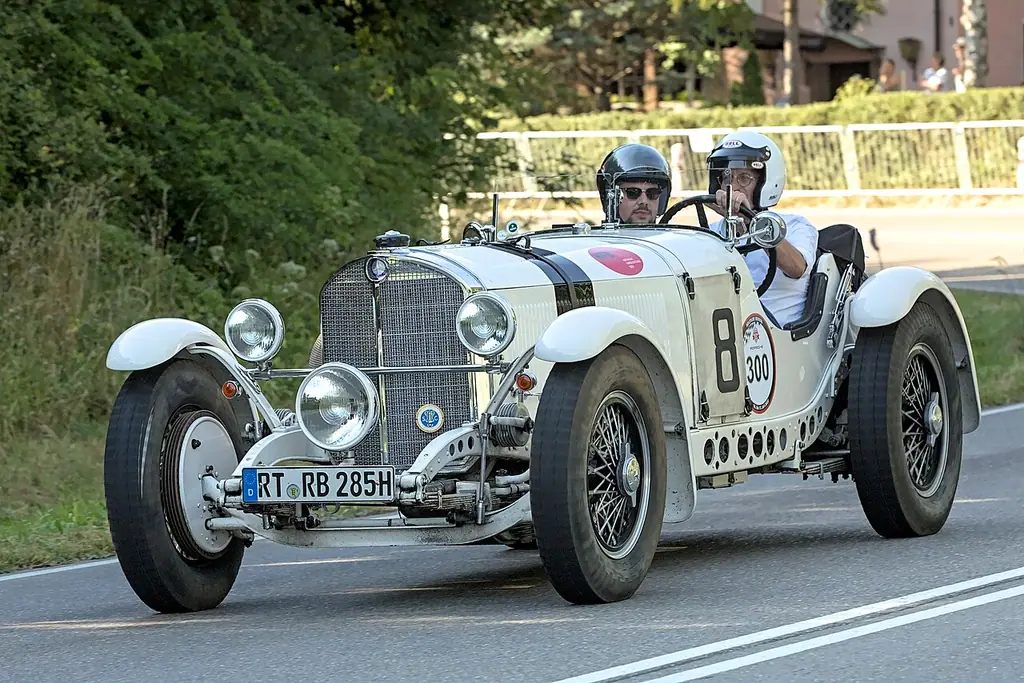
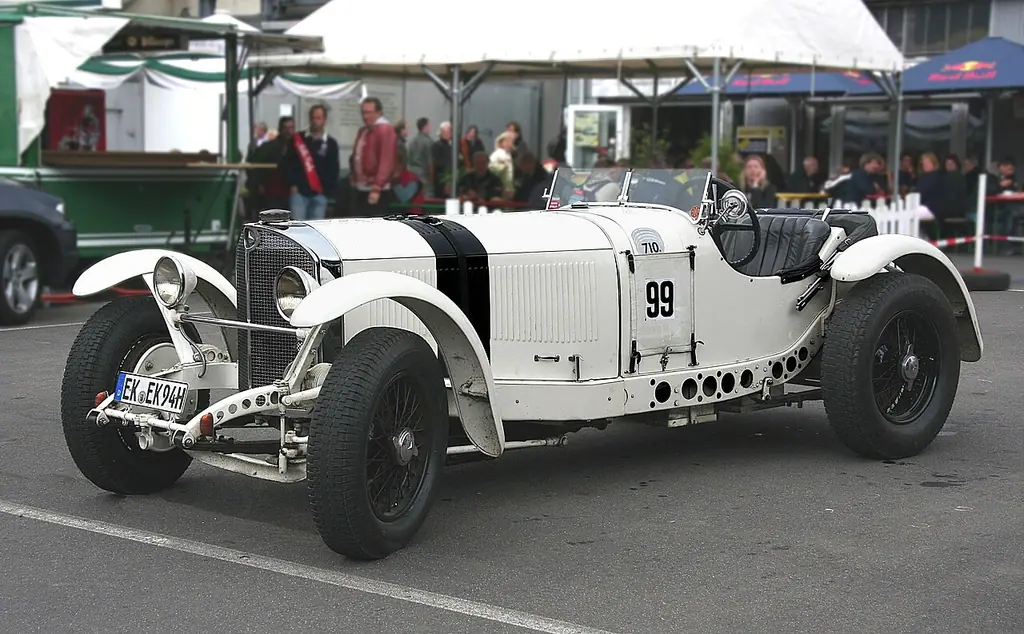
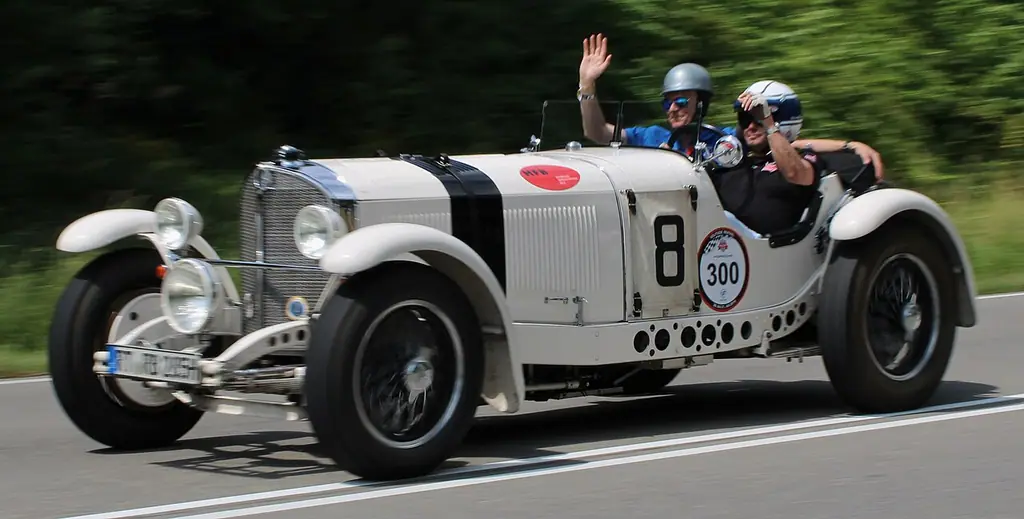
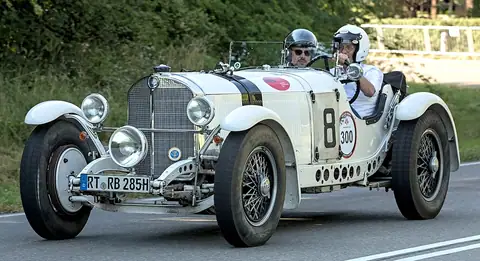 Mercedes-Benz SSKL (Super Sport Kurz Leicht) (Wikimedia Commons: Mercedes-Benz SSKL)
Photo: Alexander Migl · CC BY-SA 4.0 Mercedes-Benz SSKL (Super Sport Kurz Leicht) (Wikimedia Commons: Mercedes-Benz SSKL)
Photo: Alexander Migl · CC BY-SA 4.0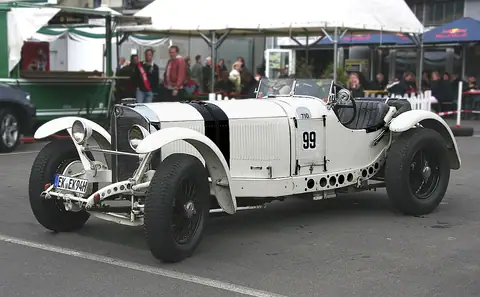 Mercedes-Benz SSKL (Super Sport Kurz Leicht) (Wikimedia Commons: Mercedes-Benz SSKL)
Photo: Spurzem - Lothar Spurzem · CC BY-SA 2.0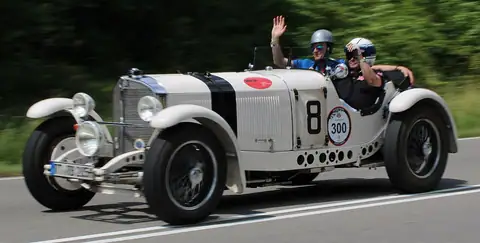 Mercedes-Benz SSKL (Super Sport Kurz Leicht) (Wikimedia Commons: Mercedes-Benz SSKL)
Photo: Alexander Migl · CC BY-SA 4.0


02Production & history
Production
Every figure says what it counts.
| What is counted | Figure | Basis | Status |
|---|---|---|---|
| Total model productionSSKL vehicles built (designated 'SSK, 1931 Model' in the Daimler-Benz order books) | 41,2 | Factory production | Factory reported |
Independent counts (e.g. engine and colour) are never combined into a calculated figure. Surviving examples are never presented as original production.
History
The archive says the SSKL was conceived under Daimler-Benz development chief Hans Nibel late in 1930 to counter lighter Alfa Romeo and Bugatti racers. Drilling lightening holes in the chassis and body substructure and thinning the frame saved 125 kg, bringing the ready-to-drive weight to 1352 kg. Engine designer Albert Heess raised output to 240 hp without and 300 hp with the supercharger, up from 180 hp and 250 hp in the SSK.
The four cars were entered in the order books as "SSK, 1931 Model"; the name SSKL came from the media a year later. After the Mille Miglia win in April 1931, the car won the Eifel race and the German Grand Prix, and Caracciola, Manfred von Brauchitsch and Hans Stuck dominated hillclimbs in 1932 and 1933.
In 1932 Brauchitsch had an SSKL fitted with a streamlined aluminium body designed by Reinhard von Koenig-Fachsenfeld; the archive says it cut drag by 25% and added about 20 km/h, and it won the AVUS race at an average of 194.4 km/h.
Variants
How each version differs from the standard SSKL (Super Sport Kurz Leicht).
No variants documented yet. Have a source? Contribute it.
03Specifications
Technical specifications
Engine
| Engine family | Not yet verified |
|---|---|
| Engine code | M 06 RS3 |
| Layout | 6-cylinder in-line; front, longitudinal; vertical3 |
| Cylinders | 63 |
| Displacement | 7,065 cc / 7.1 LFactory: 7,065 cc3Archive gives a tax classification figure of 7020 cc. |
| Bore | 100 mmFactory: 100 mm3 |
| Stroke | 150 mmFactory: 150 mm3 |
| Compression ratio | 7.0:13 |
| Valvetrain | 1 intake, 1 exhaust / vertical, overhead; 1 overhead camshaft; camshaft drive: vertical shaft3 |
| Fuel system | 2 Mercedes-Benz updraught annular-float carburettors3 |
| Induction | engageable Roots supercharger3 |
| Power | 224 kW / 304 PSFactory: 300 hp · converted3,1Rating: manufacturerOutput with the supercharger engaged; 240 hp / 177 kW at 2900 rpm without it (archive model text). |
| Power at | 3,400 rpm3Supercharged output; 2900 rpm without the supercharger (archive model text). |
| Torque | 688 Nm / 70.2 kgmFactory: 70.2 kgm3Archive states the value as "mkg" (kilogram-metres). |
| Torque at | 2,000 rpm3 |
Transmission & drivetrain
| Gearbox | 4-speed manual transmission; change-speed gear3 |
|---|---|
| Gears | 43 |
| Gear ratios | diverse3 |
| Final drive | diverse3 |
| Driven wheels | rear3 |
Chassis, body & dimensions
| Chassis | U-section pressed-steel frame3 |
|---|---|
| Front suspension | rigid axle; semi-elliptical springs3 |
| Rear suspension | rigid axle; underslung semi-elliptical springs3 |
| Brakes | mechanical, acting on front- and rear wheels3 |
| Steering | worm-and-nut steering, left or right-hand3 |
| Body construction | Not yet verified |
| Wheelbase | 2,950 mmFactory: 2,950 mm3 |
| Length | 4,250 mmFactory: 4,250 mm3 |
| Width | 1,700 mmFactory: 1,700 mm3 |
| Height | 1,250 mmFactory: 1,250 mm3 |
| Front track | 1,425 mmFactory: 1,425 mm3 |
| Rear track | 1,425 mmFactory: 1,425 mm3 |
| Kerb weight | 1,500 kgFactory: 1,500 kg3Archive gross weight: 1750 kg. The archive model text gives 1352 kg ready to drive. |
| Dry weight | Not yet verified |
Performance
| Maximum speed | 235 km/hFactory: 235 km/h3 |
|---|---|
| 0–100 km/h | Not yet verified |
| Fuel tank | Not yet verified |
| Fuel consumption | 27 L/100kmFactory: 27 L/100km3Mercedes-Benz archive figure in litres per 100 km: 27 - 32 l |
“Not yet verified” means no source has been checked for that value yet. Nothing is estimated to fill a gap.
04Colours & options
Factory colours & interiors
Original paint and trim, with the number of cars in each where a source gives it.
Not yet documented. Have a source? Contribute it.
Factory options & codes
Codes are shown exactly as written by the manufacturer.
Not yet documented. Have a source? Contribute it.
05Individual cars
Chassis register
Every documented car, with its colours, history and where it is now. Open a row for the full record. Known chassis are not automatically authenticated originals.
Not yet documented. Have a source? Contribute it.
Competition history
Every race result of the individual cars, in date order. Click a chassis number to open its full record in the register.
Not yet documented. Have a source? Contribute it.
Auction & sale history
Documented public sales of the individual cars. Click a chassis number to open its full record in the register.
Not yet documented. Have a source? Contribute it.
See one in person
Museums where an example of this car can be seen.
No example is documented on public display yet. Have a source? Contribute it.
06Reference
Identification guide
How to tell an original from a replica or later conversion.
The SSKL is recognisable by its lightening holes in frame, cross-members and detachable body parts, by a thinner-walled U-section frame with extra reinforcing plates around the engine and rear spring mounts, and by a supercharger that runs continuously unless disengaged by a lever below the steering wheel. The factory data lists type designation W 06 RS, engine M 06 RS, a 2950 mm wheelbase, 30 x 5.00 high-pressure tyres and a 1250 mm height. Because the cars were catalogued as "SSK, 1931 Model", the SSKL name alone is not proof of a genuine car.
Sources
Each number links to the exact facts it supports.
-
1
Mercedes-Benz SSKL, 1931 (Classic M@RS, motorsport model text) Level A Mercedes-Benz Group AG (Classic M@RS, Mercedes-Benz Public Archive)
- the total of four vehicles built
- 300 hp/221 kW at 3400 rpm with compressor
-
2
Mercedes-Benz Classic public archive: Mercedes-Benz 27/240/300 hp Type SSKL, 1930 - 1934 Level A
- 4 SSKL vehicles built (designated 'SSK, 1931 Model' in the Daimler-Benz order books)
-
3
SSKL 27/240/300 hp / W 06 RS, 1931 (Classic M@RS) Level A Mercedes-Benz Group AG (Classic M@RS, Mercedes-Benz Public Archive)
- Engine type : M 06 RS (Technical data)
- Number of cylinders / arrangement : 6 / in-line (Technical data)
- Total displacement : 7065 cc (tax classification: 7020 cc) (Technical data)
- Bore x Stroke : 100 x 150 mm (Technical data)
- Compression ratio : 7.0 (Technical data)
- Number of valves / arrangement : 1 intake, 1 exhaust / vertical, overhead (Technical data)
- Valve operation : 1 overhead camshaft (Technical data)
- Fuel system : 2 Mercedes-Benz updraught annular-float carburettors (Technical data)
- carburettor engine with engageable Roots supercharger (Technical data)
- Rated output : 240 hp, with supercharger 300 hp at 3400 rpm
- with supercharger 300 hp at 3400 rpm
- Rated torque : 70.2 mkg at 2000 rpm (Technical data)
- Gearing : 4-speed manual transmission (Technical data)
- Gear ratios : diverse (Technical data)
- Final drive ratio : diverse (Technical data)
- Driven wheels : rear wheels (Technical data)
- Frame design : U-section pressed-steel frame (Technical data)
- Front-wheel suspension : rigid axle (Technical data)
- Rear-wheel suspension : rigid axle (Technical data)
- Brake system (foot brake) : mechanical, acting on front- and rear wheels (Technical data)
- Steering : worm-and-nut steering, left or right-hand (Technical data)
- Wheelbase : 2950 mm (Technical data)
- Length : 4250 mm (Technical data)
- Width : 1700 mm (Technical data)
- Height : 1250 mm (Technical data)
- Front / rear track : 1425 / 1425 mm (Technical data)
- Kerb weight : 1500 kg (Technical data)
- Maximum speed : 235 km/h (Technical data)
- Fuel consumption : 27 - 32 l (Technical data)
Keep exploring
More from Mercedes-Benz
-
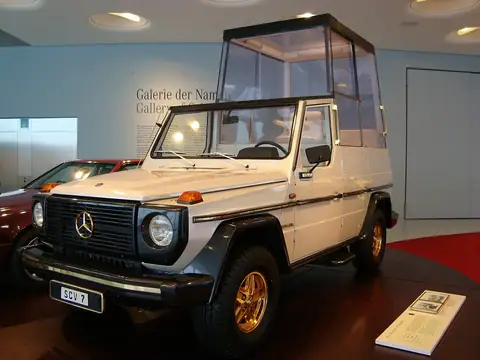
Mercedes-Benz · 1980
230 G Popemobile (W 460)
1 Built
-
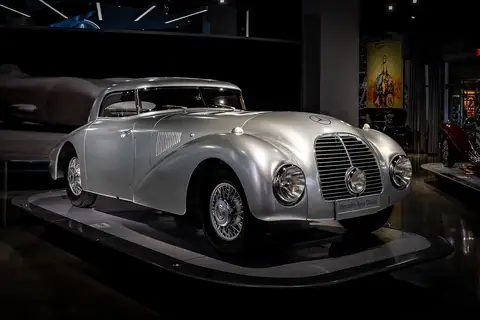
Mercedes-Benz · 1938
540 K Stromlinienwagen (Streamliner)
1 Built
-
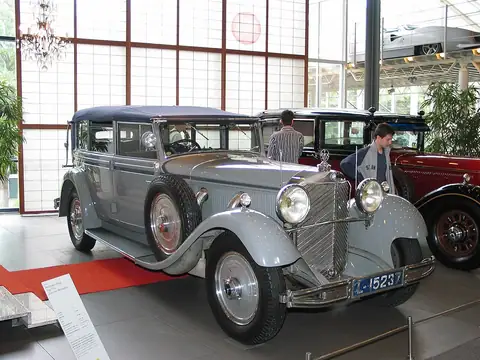
Mercedes-Benz · 1932
770 (W 07) Cabriolet F of Kaiser Wilhelm II
1 Built
-
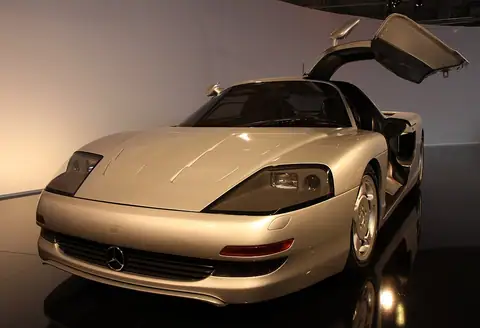
Mercedes-Benz · 1991
C 112
1 Built
See all 212 cars by Mercedes-Benz →
More from Germany
-
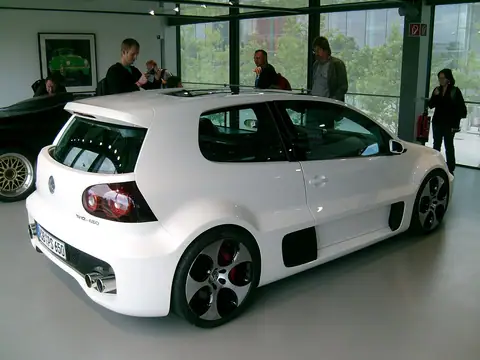
Volkswagen · 2007
Golf GTI W12-650
1 Built
-
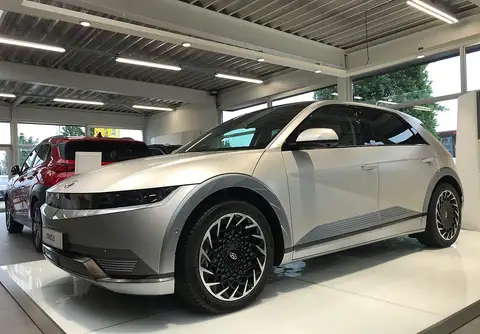
Hyundai
Ioniq 5 Project 45
Production not yet verified
-
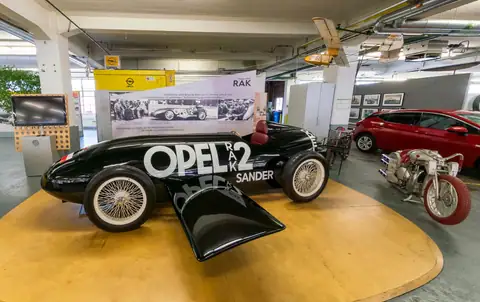
Opel · 1928
RAK 2 rocket car
Production not yet verified
-
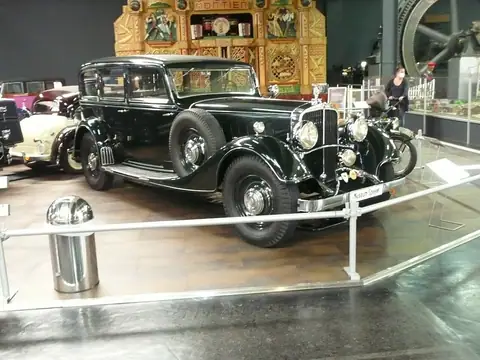
Maybach
DSH
Production not yet verified
71 other makes from Germany9ffAC SchnitzerAdlerAgria-WerkeAlbertAlpinaAMOAmphicarApolloArtegaAudiAuto UnionAutomobili PininfarinaBayerische AutowerkeBitterBMWBohseBoldmenBorgwardBovensiepenBrennaborBrütschChampionDauerDKWFMR (Messerschmitt)FuldamobilGemballaGepardGlasGoggomobilGoliathGumpertGutbrodHanomagHeinkelHorchHyundaiIFAIrmscherAll makes →