Makes › MG › K3 › K3 Magnette · Factory competition · 1933–1934 Ultra Rare
MG
K3 Magnette
Supercharged six-cylinder works racing Magnette (Mille Miglia class win, TT win)
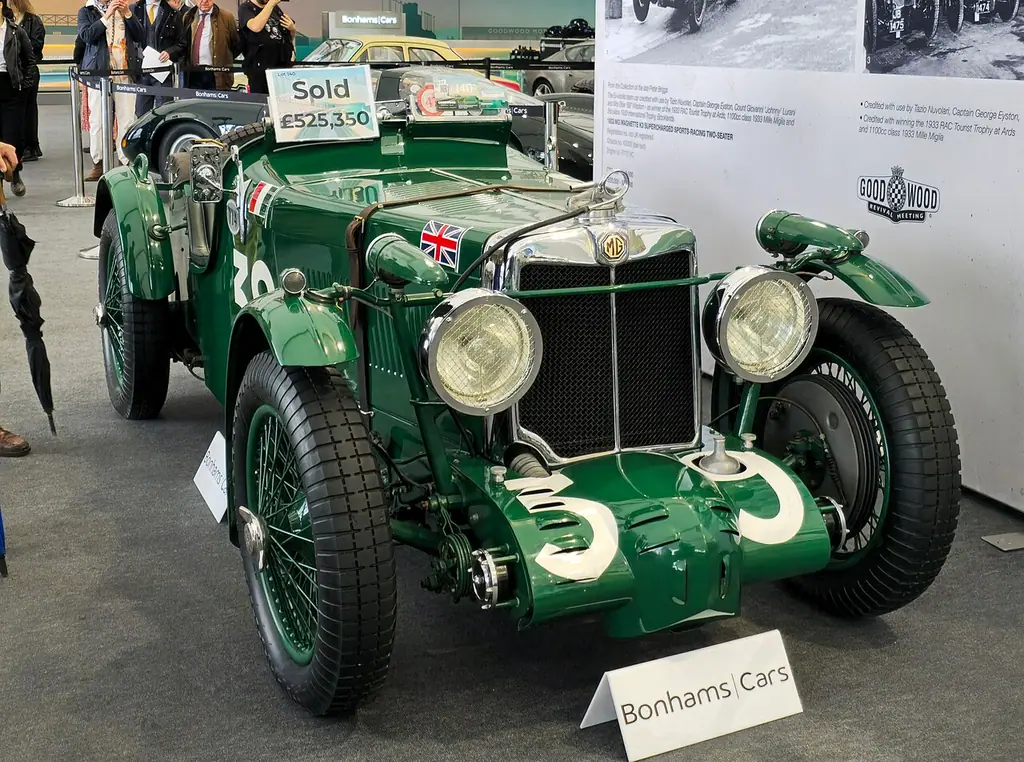
Photo: Calreyn88 · CC BY-SA 4.0
Contents
01Overview
At a glance
- Built
- 33 Built
- Years
- 1933–1934
- Engine
- Supercharged six-cylinder · 1,086 cc / 1.1 LFactory: 1,086 cc
- Power
- 89.5 kW / 122 PSFactory: 120 hp · converted
- Top speed
- Not yet verified
- Body
- Not yet verified
- Designer
- Not yet verified
- In this archive
- Not yet verified
- Surviving
- Not yet verified
Sources and any conflicting figures are in the sections below.
Why it matters
The K3 Magnette remains the most successful and best-known MG competition model of the Triple-M era. Designed to be supercharged and built for long-distance racing and record breaking, it was produced as a two-seat racing car in a run of 33.
How rare is it?
Six separate kinds of rarity – never combined into one number.
Each kind of rarity is rated separately and never combined.
Photos
Exterior, interior and detail photos with their licences.
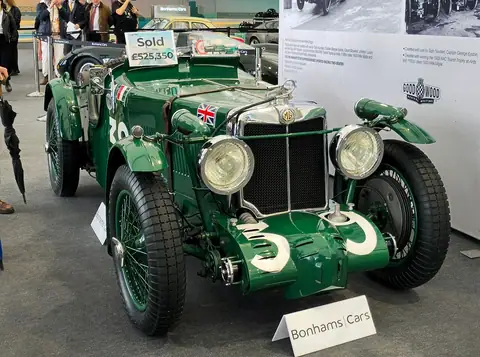 MG K3 Magnette (Wikimedia Commons: MG K3 Magnette)
Photo: Calreyn88 · CC BY-SA 4.0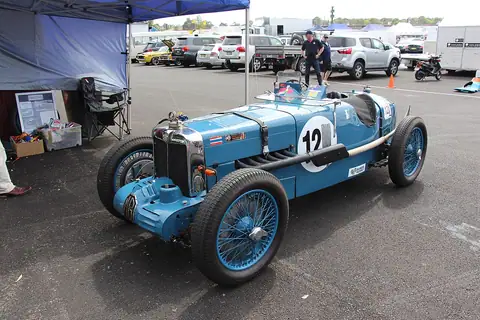 MG K3 Magnette (Wikimedia Commons: MG K3 Magnette)
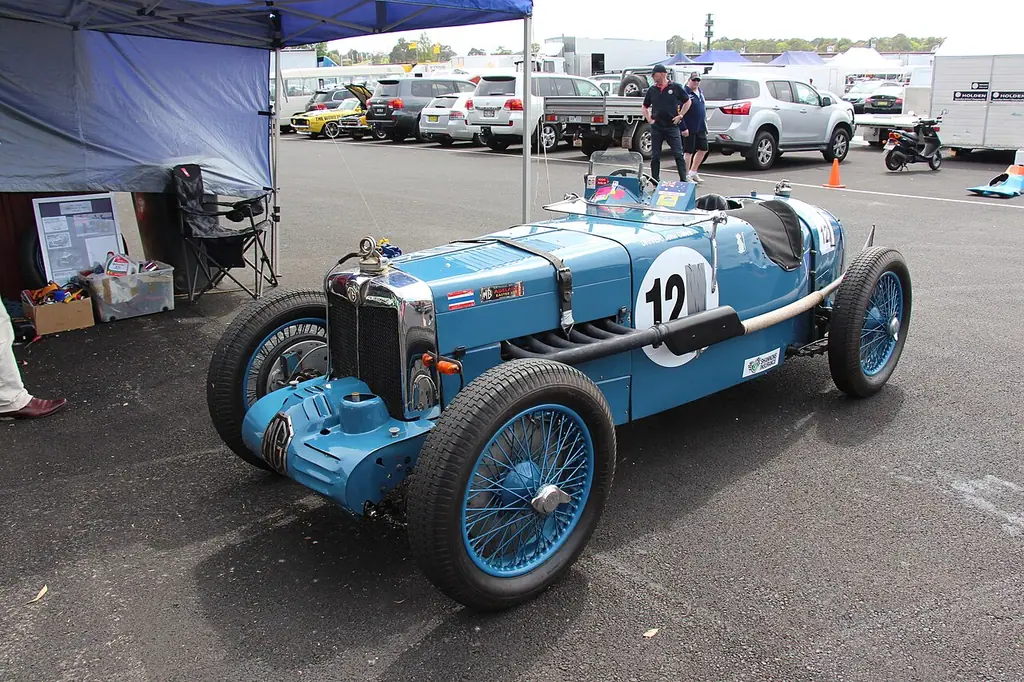
Photo: Sicnag · CC BY 2.0


02Production & history
Production
Every figure says what it counts.
| What is counted | Figure | Basis | Status |
|---|---|---|---|
| Total model productionK3 two-seat racing cars produced | 331,2 | Factory production | Independently researched |
Independent counts (e.g. engine and colour) are never combined into a calculated figure. Surviving examples are never presented as original production.
History
The K3 grew out of the six-cylinder K-series engine developed under MG chief designer H. N. Charles. It used a 1,086 cc version of the engine, designed for supercharging, in the short 7 ft 10 in wheelbase K chassis, and produced about 120 bhp depending on tune. Racing K3s were built from October 1932 to August 1934, with a pointed-tail body appearing in 1934.
Variants
How each version differs from the standard K3 Magnette.
No variants documented yet. Have a source? Contribute it.
03Specifications
Technical specifications
Engine
| Engine family | Not yet verified |
|---|---|
| Engine code | Not yet verified |
| Layout | Supercharged six-cylinder3 Registry reported |
| Displacement | 1,086 cc / 1.1 LFactory: 1,086 cc3 Registry reported |
| Bore | 57 mmFactory: 57 mm3 Registry reported |
| Stroke | 71 mmFactory: 71 mm3 Registry reported |
| Compression ratio | Not yet verified |
| Valvetrain | Single overhead camshaft (Wolseley-based design)1 Independently researched |
| Fuel system | Not yet verified |
| Induction | Powerplus No 9 eccentric-vane supercharger (competition)1 Independently researchedSource: standard engine 41 bhp, supercharged 120 bhp. |
| Power | 89.5 kW / 122 PSFactory: 120 hp · converted3 Registry reportedApproximate, depending on tune (registry gives bhp). |
| Power at | Not yet verified |
| Torque | Not yet verified |
Transmission & drivetrain
| Gearbox | Wilson pre-selector gearbox1 Independently researched |
|---|---|
| Gears | Not yet verified |
| Driven wheels | Rear-wheel drive1 Independently researched |
Chassis, body & dimensions
| Chassis | Boxed steel frame with tubular cross-members1 Independently researched |
|---|---|
| Front suspension | Live axle with two longitudinal leaf springs1 Independently researched |
| Rear suspension | Live axle with a single transverse leaf spring1 Independently researched |
| Brakes | Not yet verified |
| Steering | Bishop Cam3 Registry reported |
| Body construction | Not yet verified |
| Materials | Minimalist aluminium body with cycle-wing fenders1 Independently researched |
| Wheelbase | 2.4 mFactory: 2.4 m1 Independently researched |
| Length | Not yet verified |
| Width | Not yet verified |
| Height | Not yet verified |
| Front track | Not yet verified |
| Rear track | Not yet verified |
| Kerb weight | Not yet verified |
| Dry weight | 686 kgFactory: 686 kg1 Independently researchedBare chassis; the minimal aluminium body with cycle wings adds about 200 kg (source). |
Performance
| Maximum speed | Not yet verified |
|---|---|
| 0–100 km/h | Not yet verified |
| Fuel tank | Not yet verified |
“Not yet verified” means no source has been checked for that value yet. Nothing is estimated to fill a gap.
04Colours & options
Factory colours & interiors
Original paint and trim, with the number of cars in each where a source gives it.
Not yet documented. Have a source? Contribute it.
Factory options & codes
Codes are shown exactly as written by the manufacturer.
Not yet documented. Have a source? Contribute it.
05Individual cars
Chassis register
Every documented car, with its colours, history and where it is now. Open a row for the full record. Known chassis are not automatically authenticated originals.
Not yet documented. Have a source? Contribute it.
Competition history
Every race result of the individual cars, in date order. Click a chassis number to open its full record in the register.
Not yet documented. Have a source? Contribute it.
Auction & sale history
Documented public sales of the individual cars. Click a chassis number to open its full record in the register.
Not yet documented. Have a source? Contribute it.
See one in person
Museums where an example of this car can be seen.
No example is documented on public display yet. Have a source? Contribute it.
06Reference
Identification guide
How to tell an original from a replica or later conversion.
A K3 is built on the short 7 ft 10 in wheelbase chassis with Bishop Cam steering and carries its own K3 engine variant, a 1,086 cc six designed for supercharging. Later 1934 cars have a pointed-tail body and are lighter than the earlier two-seaters.
Sources
Each number links to the exact facts it supports.
-
1
1933 - 1934 MG Magnette K3 Level B Ultimatecarpage.com
- a total of 33 examples were built including the prototypes
- Based on a Wolseley design, the standard engine featured a single overhead camshaft
- equipped with a Powerplus No 9 eccentric-vane type Supercharger
- through a Wilson pre-selector gearbox
- Power was transferred to the rear wheels
- boxed steel frame with tubular cross-members
- live axles with two longitudinal leaf springs at the front
- a single transverse leaf spring at the back
- minimalistic aluminium body with cycle wing fenders
- K3 competition used the same 2.4 metre chassis of the K2 road car
- impressive 686 kg for the bare chassis
-
2
MG Car Club Triple-M Register – K-type profile Level A
- 33 K3 two-seat racing cars produced
-
3
K-Type profile Level A Triple-M Register
- The K3 was designed to be supercharged
- 1086cc capacity
- 57mm bore and 71mm stroke
- approx 120 bhp depending on tune
- Bishop Cam steering
Keep exploring
More from MG
-
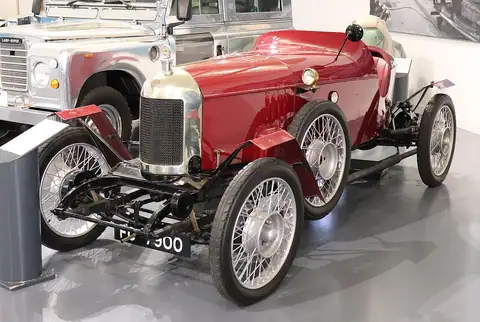
MG · 1925
"Old Number One" (FC 7900)
1 Built
-
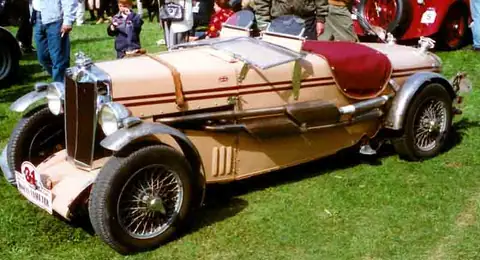
MG · 1934
NE Magnette
7 Built
-
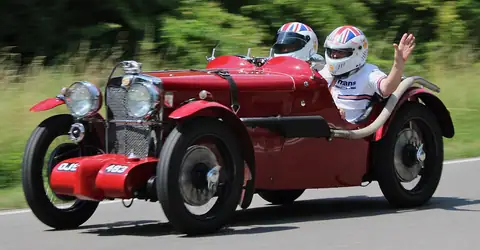
MG · 1933
J4
9 Built
-
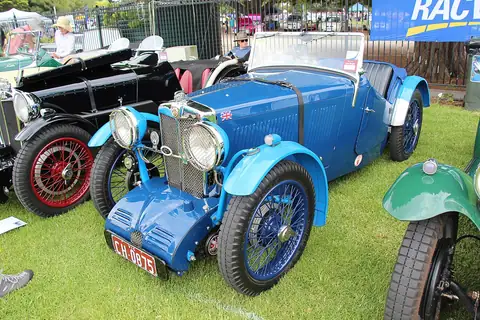
MG · 1932–1933
J3
22 Built
More from United Kingdom
-
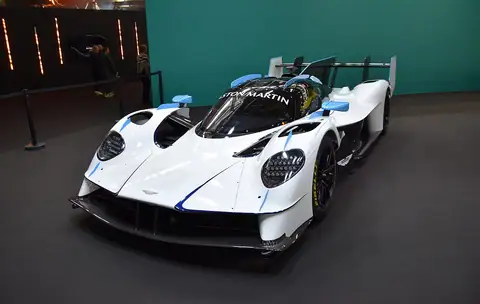
Aston Martin · 2025–2026
Valkyrie LM
10 Built
-
Bentley
Arnage Red Label (1999-2005)
Production not yet verified
-
Wells
Vertige
Production not yet verified
-
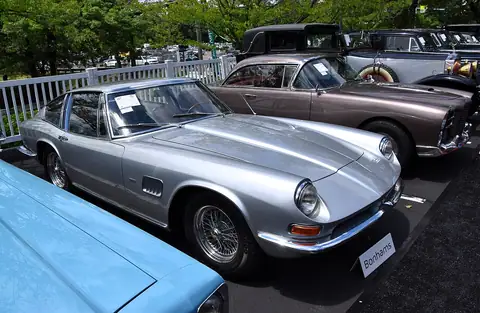
AC · 1965–1973
428 (Frua)
81 Built
134 other makes from United KingdomACAiredaleAlan Mann RacingAllardAlvisArabArashArielArmstrong SiddeleyArrowsAscariAston MartinAtalantaAtlantisAustinAustin-HealeyBedfordBentleyBerkeleyBluebirdBMCBondBrabhamBristolBritish LeylandBroadspeedBrookeBrough SuperiorCampbell-RailtonCaparoCaterhamChevronConnaughtCooperCrayfordDaimlerDavid BrownDawsonDeLoreanDuttonAll makes →