Makes › Nissan › Silvia › Silvia (CSP311) · Rare production · 1965–1968 Very Rare
Nissan
Silvia (CSP311)
First Silvia: almost hand-built coupé on the Fairlady chassis, assembled at Nissan Shatai; designed in-house (K. Kimura, F. Yoshida) with advice from Albrecht Goertz.
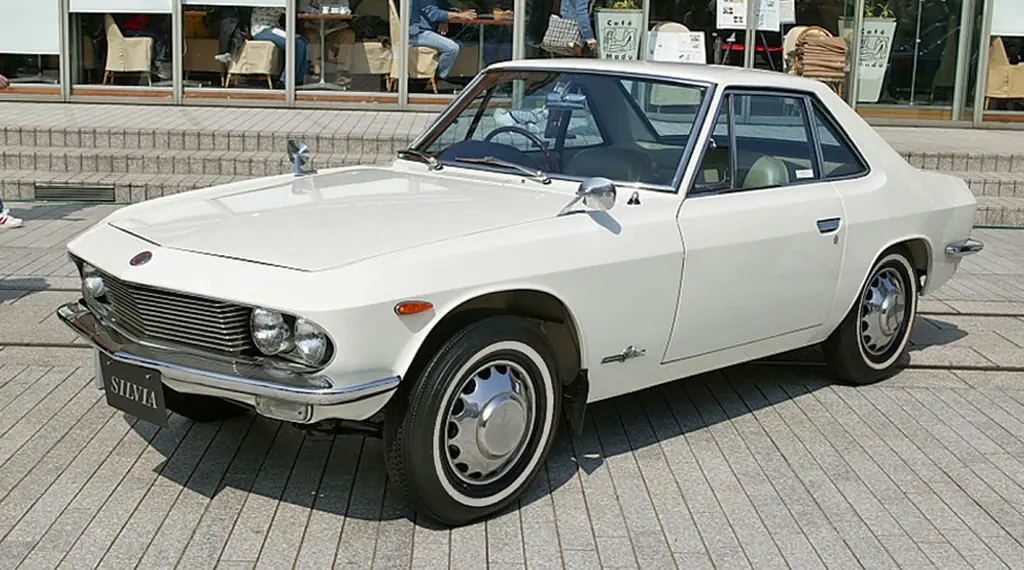
Photo: Tennen-Gas · CC BY-SA 3.0

Contents
01Overview
At a glance
- Built
- 550 Built
- Years
- 1965–1968
- Engine
- 1,595 cc / 1.6 LFactory: 1,595 cc
- Power
- 71.6 kW / 97.3 PSFactory: 96 hp · converted
- Top speed
- 165 km/hFactory: 165 km/h
- Body
- Not yet verified
- Designer
- Albrecht Graf Goertz with Kazuo Kimura
- In this archive
- Not yet verified
- Surviving
- Not yet verified
Sources and any conflicting figures are in the sections below.
Why it matters
The Silvia CSP311 was Nissan's first luxury sports coupe and was the first Japanese car designed with a full-scale clay model. It was also the first Nissan fitted with disc brakes, and at its introduction in 1965 it was the fastest Japanese production car.
How rare is it?
Six separate kinds of rarity – never combined into one number.
Each kind of rarity is rated separately and never combined.
02Production & history
Production
Every figure says what it counts.
| What is counted | Figure | Basis | Status |
|---|---|---|---|
| Total model productionapprox. units built over four years (other sources: 554) | 5501 | Factory production | Independently researched |
Independent counts (e.g. engine and colour) are never combined into a calculated figure. Surviving examples are never presented as original production.
History
After the success of the Fairlady and Cedric, Nissan began a luxury coupe project with in-house designer Kazuo Kimura. Dissatisfied with the styling, Nissan brought in German designer Count Albrecht Goertz, who reworked the car as a single shape and introduced clay-model design to the team. The prototype was shown as the Datsun 1500 Coupe, using the Fairlady SP310 engine and gearbox.
Production began in March 1965 with the new 1595 cc R-series engine of 96 hp, and ran until September 1968. The car was sold only in Japan, Australia and New Guinea at nearly double the price of a Fairlady, so it was badged Nissan rather than Datsun. The source gives 554 built; a version was also fitted out as a highway patrol car.
Variants
How each version differs from the standard Silvia (CSP311).
No variants documented yet. Have a source? Contribute it.
03Specifications
Technical specifications
Engine
| Engine family | Not yet verified |
|---|---|
| Engine code | R-series2 Independently researched |
| Layout | Not yet verified |
| Cylinders | 42 Independently researched |
| Displacement | 1,595 cc / 1.6 LFactory: 1,595 cc2 Independently researched |
| Bore | 87 mmFactory: 87 mm2 Independently researched |
| Stroke | 66 mmFactory: 66 mm2 Independently researched |
| Compression ratio | 9.0:12 Independently researched |
| Valvetrain | OHV2 Independently researched |
| Fuel system | Twin single-throat side-draught Hitachi 38HJB carburettors2 Independently researched |
| Power | 71.6 kW / 97.3 PSFactory: 96 hp · converted2 Independently researchedNo rating standard stated. |
| Power at | Not yet verified |
| Torque | 140 NmFactory: 103 lb-ft · converted2 Independently researchedSource writes 'ft/lb'. |
Transmission & drivetrain
| Gearbox | 4-speed manual, floor change2 Independently researched |
|---|---|
| Gears | 42 Independently researched |
| Final drive | 4.11:12 Independently researched |
| Driven wheels | Not yet verified |
Chassis, body & dimensions
| Chassis | Modified Fairlady SP310 chassis (Fairlady floor section), hand-built body2 Independently researched |
|---|---|
| Front suspension | Not yet verified |
| Rear suspension | Not yet verified |
| Brakes | Disc brakes2 Independently researched |
| Steering | Not yet verified |
| Body construction | Not yet verified |
| Wheelbase | 2,280 mmFactory: 2,280 mm2 Independently researched |
| Length | 3,985 mmFactory: 3,985 mm2 Independently researched |
| Width | 1,508 mmFactory: 1,508 mm2 Independently researched |
| Height | 1,275 mmFactory: 1,275 mm2 Independently researched |
| Front track | Not yet verified |
| Rear track | Not yet verified |
| Kerb weight | 977 kgFactory: 977 kg2 Independently researchedBrochure table says 'Weight'; kerb basis not stated. |
| Dry weight | Not yet verified |
Performance
| Maximum speed | 165 km/hFactory: 165 km/h2 Independently researched |
|---|---|
| 0–100 km/h | Not yet verified |
| Fuel tank | Not yet verified |
“Not yet verified” means no source has been checked for that value yet. Nothing is estimated to fill a gap.
04Colours & options
Factory colours & interiors
Original paint and trim, with the number of cars in each where a source gives it.
Not yet documented. Have a source? Contribute it.
Factory options & codes
Codes are shown exactly as written by the manufacturer.
Not yet documented. Have a source? Contribute it.
05Individual cars
Chassis register
Every documented car, with its colours, history and where it is now. Open a row for the full record. Known chassis are not automatically authenticated originals.
Not yet documented. Have a source? Contribute it.
Competition history
Every race result of the individual cars, in date order. Click a chassis number to open its full record in the register.
Not yet documented. Have a source? Contribute it.
Auction & sale history
Documented public sales of the individual cars. Click a chassis number to open its full record in the register.
Not yet documented. Have a source? Contribute it.
See one in person
Museums where an example of this car can be seen.
No example is documented on public display yet. Have a source? Contribute it.
06Reference
Identification guide
How to tell an original from a replica or later conversion.
The CSP311 has a long bonnet with the cabin set far back, a pointed nose with a quad-headlamp array recessed with the grille, an eight-slat aluminium grille in three vertical bars, slim bumpers with the rear split into two half bumpers, and a Ferrari-like dash with an eye-shaped instrument panel. The body panels were hand beaten rather than stamped, and the initial colour was a metallic green called Silvia Gold. Badges read Nissan Silvia on the sides, Silvia at the rear and Nissan on the nose.
Sources
Each number links to the exact facts it supports.
-
1
Nissan Heritage Collection: Silvia (CSP311) Level A
- 550 approx. units built over four years (other sources: 554)
-
2
1965 Nissan Silvia CSP311 Level C Early Datsun (earlydatsun.com) · 2017-05-24
- new 1595cc 96hp R series engine
- OHV 4 Cylinder
- 1595cc 96hp R series engine
- Bore & Stroke - 87x66mm
- Compression - 9.0 : 1
- twin single throat side draught Hitachi 38HJB
- Torque - 103ft/lb@3600rpm
- Transmission - 4 speed Floor change
- Final Drive - 4.11 : 1
- sat in a slightly modified SP310 Fairlady chassis
- first Nissan to be fitted with disc brakes
- Wheelbase - 2280mm
- Length - 3985mm
- Width - 1508mm
- Height - 1275mm
- Weight - 977kg
- Top speed - 165kph
Keep exploring
More from Nissan
-
Nissan · 1995
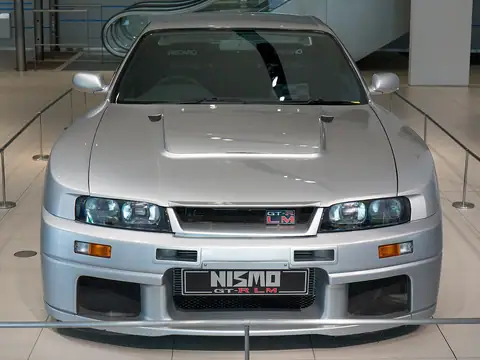
NISMO GT-R LM road car (R33)
1 Built
-
Nissan · 1997
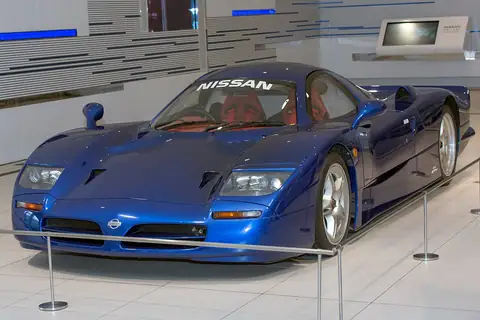
R390 GT1 Road Car
1 Built
-
Nissan
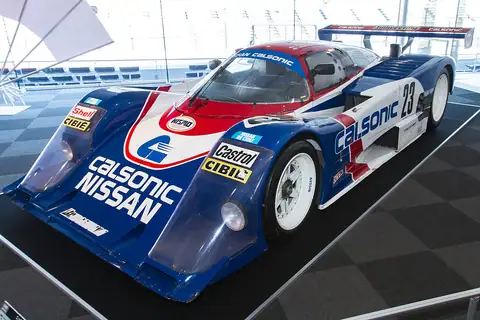
R88C
4 Built
-
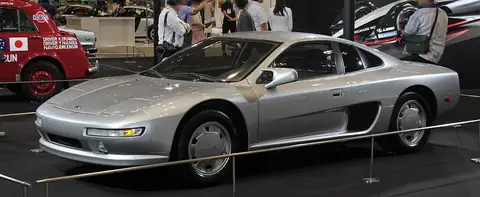
Nissan · 1985–1987
MID4 / MID4-II prototypes
5 Built
More from Japan
-
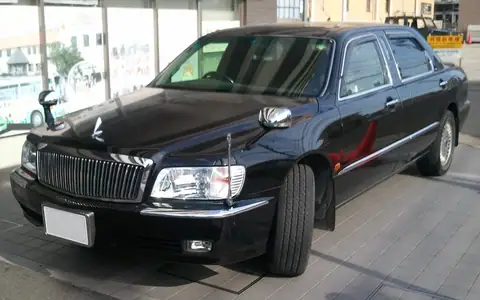
Mitsubishi · 2012
Dignity (2012-2016)
Production not yet verified
-
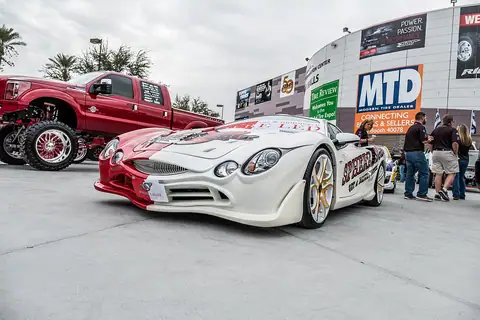
Mitsuoka
Orochi
Production not yet verified
-
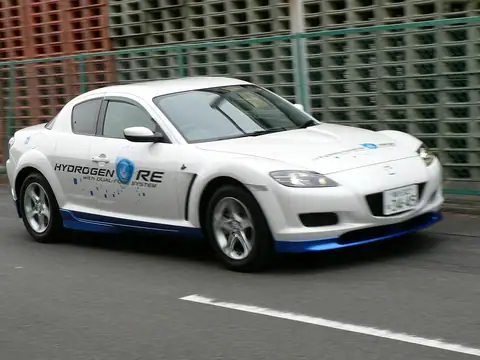
Mazda · 2006
RX-8 Hydrogen RE (HyNor)
Production not yet verified
-
Honda
S2000 Type S
Production not yet verified
27 other makes from JapanAriaAsparkAutozamDaihatsuDatsunDomeHinoHondaInfinitiIsuzuJiottoKuroganeLexusMazdaMazdaspeedMitsubishiMitsuokaMossMugenOrcaScionSubaruSuzukiToyotaTRDVemacYamaha